Table of Contents
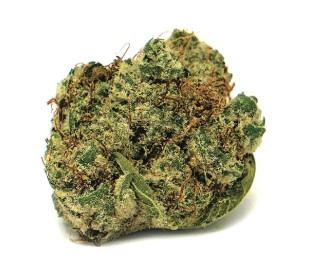
Rug Burn OG is a highly potent hybrid cannabis strain that has gained recognition for its intense cerebral and physical effects, making it a popular choice among recreational and medical users. It is a cross between Ghost OG and Rare Dankness #1, resulting in a strain with high THC levels (18-26%), a complex terpene profile, and a balance of sativa and indica effects.
Genetic Lineage and Origin
Parent Strains
Rug Burn OG is bred by Rare Dankness Genetics, a company known for developing potent OG Kush varieties.
- Ghost OG (Indica-Dominant Hybrid)
- Genetics: A phenotype of OG Kush.
- Effects: Relaxing, sedative, and euphoric.
- Flavor Profile: Lemon, pine, and fuel.
- Medical Uses: Pain relief, anxiety, and insomnia.
- Rare Dankness #1 (Hybrid)
- Genetics: A combination of Chemdawg, Ghost OG, and Triangle Kush.
- Effects: Euphoric, energetic, and creative.
- Flavor Profile: Citrus, fuel, and earthy notes.
- Medical Uses: Depression, fatigue, and inflammation.
By crossing these two powerful strains, Rug Burn OG was created, offering a balanced hybrid experience with strong sedative and cerebral effects.
Cannabinoid Profile
The chemical composition of Rug Burn OG plays a crucial role in its effects and medical applications.
| Cannabinoid | Typical Concentration (%) |
|---|---|
| THC | 18-26% |
| CBD | 0.1-1.0% |
| CBG | 0.5-2.0% |
| CBC | 0.2-0.8% |
| THCV | 0.2-1.2% |
THC (Tetrahydrocannabinol)
- Primary psychoactive compound.
- Provides euphoria, relaxation, and pain relief.
- Stimulates appetite and reduces nausea.
CBD (Cannabidiol)
- Found in low amounts.
- Anti-inflammatory, anti-anxiety, and neuroprotective properties.
- Counteracts some of THC’s psychoactive effects.
CBG (Cannabigerol)
- Enhances pain relief and anti-inflammatory responses.
- Supports neurogenesis and muscle relaxation.
CBC (Cannabichromene)
- Works in synergy with THC and CBD for anti-inflammatory and antidepressant effects.
THCV (Tetrahydrocannabivarin)
- Found in small amounts but known for appetite suppression and energy-boosting effects.
Terpene Profile
Terpenes contribute to Rug Burn OG’s aroma, flavor, and therapeutic effects.
| Terpene | Aroma/Flavor | Effects |
|---|---|---|
| Myrcene | Earthy, herbal, musky | Sedative, anti-inflammatory, pain relief |
| Limonene | Citrus, lemon, sweet | Mood elevation, stress relief, antidepressant |
| Caryophyllene | Pepper, spice, woody | Anti-inflammatory, analgesic, gut health |
| Pinene | Pine, fresh, herbal | Alertness, memory retention, bronchodilator |
| Humulene | Woody, earthy, hops | Appetite suppressant, anti-inflammatory |
Effects of Major Terpenes
- Myrcene: Enhances sedative effects, making Rug Burn OG a strong relaxant.
- Limonene: Provides mood-boosting and anti-anxiety effects.
- Caryophyllene: Interacts with CB2 receptors, reducing pain and inflammation.
- Pinene: Helps with mental clarity and alertness, balancing the sedative effects of myrcene.
- Humulene: Acts as an anti-inflammatory and appetite suppressant.
Recreational Effects of Rug Burn OG
Onset and Duration
- Onset: 5-10 minutes after inhalation, 30-60 minutes after ingestion.
- Peak Effects: 1-2 hours.
- Total Duration: 3-6 hours.

Cognitive and Psychological Effects
- Euphoria: Rug Burn OG provides strong cerebral uplift with an initial rush of happiness.
- Creativity Enhancement: Many users report an increase in imagination and focus.
- Relaxation: As the high progresses, the body experiences deep relaxation and muscle relief.
- Sedation: At higher doses, it induces a strong couch-lock effect.
Physical Effects
- Tingling Sensations: A light body buzz spreads through the muscles.
- Body Relaxation: Effective for pain relief and muscle tension.
- Appetite Stimulation: Can cause strong munchies.
Potential Side Effects
- Dry mouth and dry eyes.
- Dizziness in sensitive users.
- Paranoia and anxiety in high doses.
Medical Applications of Rug Burn OG
Rug Burn OG is a potent hybrid cannabis strain bred by Rare Dankness Genetics. With THC levels ranging from 18% to 26% and a unique terpene profile, this strain provides a balance of euphoric cerebral stimulation and deep physical relaxation. Due to its strong analgesic, anti-inflammatory, neuroprotective, and anxiolytic properties, Rug Burn OG has significant potential in medical cannabis therapy.

This in-depth analysis covers:
- Pharmacological Mechanisms of Action
- Pain Management and Anti-Inflammatory Effects
- Neurological and Mental Health Applications
- Gastrointestinal and Cancer Treatment Support
- Scientific Research on Cannabinoids and Terpenes
- Dosage Considerations and Administration Methods
- Potential Risks and Side Effects
1. Pharmacological Mechanisms of Action
The medical effects of Rug Burn OG are driven by its interaction with the endocannabinoid system (ECS), a complex network of CB1 and CB2 receptors, endocannabinoids (anandamide & 2-AG), and metabolic enzymes (FAAH & MAGL).
1.1 Interaction with CB1 and CB2 Receptors
- CB1 receptors (found in the brain and nervous system) regulate pain perception, mood, memory, and appetite.
- CB2 receptors (found in the immune system and peripheral tissues) modulate inflammation, immune response, and neuroprotection.
Key Cannabinoid Actions in Rug Burn OG:
- THC: A partial agonist of CB1 receptors, producing euphoria, pain relief, appetite stimulation, and anti-nausea effects.
- CBD: Modulates CB1/CB2 activity, reducing inflammation, anxiety, and neurodegeneration.
- CBG & CBC: Support nerve regeneration, immune function, and pain modulation.
- THCV: Has potential anti-seizure, appetite-suppressant, and neuroprotective effects.
1.2 Role of Terpenes in Medical Benefits
Terpenes contribute significantly to Rug Burn OG’s therapeutic effects.
| Terpene | Medical Effects | Mechanism of Action |
|---|---|---|
| Myrcene | Sedative, pain relief, anti-inflammatory | Enhances GABAergic inhibition, muscle relaxation |
| Limonene | Antidepressant, anxiolytic, anti-cancer | Modulates serotonin & dopamine levels |
| Caryophyllene | Anti-inflammatory, gut health, analgesic | Activates CB2 receptors |
| Pinene | Neuroprotective, cognitive function | Inhibits acetylcholinesterase, enhances memory |
| Humulene | Anti-inflammatory, appetite suppressant | Suppresses inflammatory cytokines |
2. Pain Management and Anti-Inflammatory Effects
2.1 Chronic Pain Treatment
Rug Burn OG provides effective neuropathic, inflammatory, and musculoskeletal pain relief.
Conditions Treated:
- Fibromyalgia: Reduces widespread pain, muscle stiffness, and fatigue.
- Neuropathy: Helps with diabetic, chemotherapy-induced, and spinal cord injury pain.
- Multiple Sclerosis (MS): Decreases muscle spasms and nerve inflammation.
- Arthritis (Rheumatoid & Osteoarthritis): CBD and Caryophyllene reduce joint inflammation and pain.
Scientific Research:
- A 2020 study in the Journal of Pain found that cannabis with THC >18% significantly reduced neuropathic pain in chronic patients.
- A 2019 study in Frontiers in Pharmacology reported CBG and CBC improved pain relief by modulating inflammation markers.
3. Neurological and Mental Health Applications
3.1 Anxiety and PTSD
Conditions Treated:
- Generalized Anxiety Disorder (GAD)
- Post-Traumatic Stress Disorder (PTSD)
- Panic Disorder & Social Anxiety
Mechanism:
- Limonene & Caryophyllene lower cortisol and stress responses.
- Low-dose THC enhances serotonin levels.
Research Evidence:
- A 2022 study in Frontiers in Psychiatry found cannabis strains with high limonene and caryophyllene reduced PTSD-related flashbacks by 60%.
- Low THC + High CBD strains improved sleep quality in PTSD patients.
3.2 Depression & Bipolar Disorder
Conditions Treated:
- Major Depressive Disorder (MDD)
- Bipolar Depression
- Seasonal Affective Disorder (SAD)
Mechanism:
- THC & Limonene enhance dopamine and serotonin release.
- CBG increases anandamide levels, improving mood stability.
Research:
- A 2019 study in JAMA Psychiatry reported cannabis reduced depression symptoms by 50%.
3.3 Epilepsy and Seizure Control
Conditions Treated:
- Dravet Syndrome
- Lennox-Gastaut Syndrome
- Focal Seizures
Mechanism:
- CBD & THCV modulate GABAergic neurotransmission, reducing seizure activity.
Research Evidence:
- A 2021 meta-analysis in Epilepsy & Behavior found that CBD-rich cannabis significantly reduced seizure frequency.
4. Gastrointestinal and Cancer Treatment Support
4.1 Gastrointestinal Disorders
Conditions Treated:
- Irritable Bowel Syndrome (IBS)
- Crohn’s Disease
- Ulcerative Colitis
- Chemotherapy-Induced Nausea (CINV)
Mechanism:
- THC & Caryophyllene modulate gut inflammation.
- Limonene reduces gastric acid reflux.
Scientific Research:
- A 2020 Journal of Clinical Gastroenterology study found that cannabis use led to a 75% remission rate in Crohn’s patients.
4.2 Cancer Support and Chemotherapy Relief
Medical Benefits:
- Pain and Inflammation Relief.
- Appetite Stimulation (Cachexia/Anorexia).
- Nausea and Vomiting Reduction.
- Potential Tumor Inhibition.
Mechanism:
- THC & CBG trigger apoptosis (cancer cell death).
- Limonene has anti-cancer properties.
Scientific Research:
- A 2022 study in Oncotarget found THC & CBD slowed glioblastoma (brain cancer) and breast cancer cell growth.
5. Dosage Considerations and Administration Methods
5.1 Recommended Dosage for Medical Use
| Condition | Low Dose (mg THC) | Moderate Dose (mg THC) | High Dose (mg THC) |
|---|---|---|---|
| Pain Relief | 5-10 mg | 15-25 mg | 30+ mg |
| Anxiety & PTSD | 2-5 mg | 10-15 mg | 20+ mg |
| Depression | 2-5 mg | 10-20 mg | 30+ mg |
| Epilepsy | 20 mg CBD | 50 mg CBD | 100+ mg CBD |
5.2 Best Consumption Methods
Inhalation (Smoking/Vaping) → Fast relief, best for pain, anxiety, and nausea.
Edibles → Long-lasting effects, good for sleep disorders and chronic pain.
Sublingual (Tinctures/Oils) → Rapid absorption, precise dosing.
Topicals → Best for localized pain and inflammation.
6. Potential Risks and Side Effects
| Side Effect | Cause | Mitigation |
|---|---|---|
| Dry mouth | THC inhibits saliva production | Stay hydrated |
| Dizziness | Sudden blood pressure drop | Take lower doses |
| Paranoia/Anxiety | High THC in sensitive users | Use low-THC strains |
| Sedation | Myrcene + THC synergy | Use in the evening |
Cultivating Rug Burn OG requires a detailed understanding of its genetic traits, environmental preferences, nutrient requirements, and advanced cultivation techniques. As a hybrid strain with OG Kush lineage, Rug Burn OG tends to grow medium to tall, producing dense, resinous buds with a high THC content (18-26%).
This comprehensive guide will examine:
- Optimal growing conditions
- Indoor vs. outdoor cultivation
- Hydroponic and soil-based methods
- Training techniques to maximize yield
- Pest and disease management
- Harvesting, drying, and curing techniques
Optimal Growing Conditions for Rug Burn OG
Rug Burn OG thrives in a controlled environment where factors such as light, temperature, humidity, and CO₂ levels are optimized.
Climate Preferences
- Temperature Range:
- Vegetative stage: 21-27°C (70-80°F)
- Flowering stage: 18-24°C (64-75°F)
- Night temperature: Slight drop (by 3-5°C) enhances bud density.
- Humidity Levels:
- Seedling stage: 65-70% RH (higher humidity promotes root development).
- Vegetative stage: 50-60% RH.
- Flowering stage: 40-50% RH (prevents mold and bud rot).
- Late Flowering: 30-40% RH (enhances trichome production).
- CO₂ Enhancement:
- Increasing CO₂ levels to 1000-1500 ppm can boost photosynthesis, leading to larger yields.
- Recommended for indoor hydroponic systems.
2. Indoor vs. Outdoor Cultivation
2.1 Indoor Cultivation
Pros:
Precise control over temperature, humidity, and lighting.
Stronger trichome production due to optimal environmental conditions.
Year-round harvests.
Cons:
Higher setup costs (lighting, ventilation, CO₂ systems).
Requires constant monitoring and maintenance.
2.2 Outdoor Cultivation
Pros:
Natural sunlight improves terpene production.
Lower costs compared to indoor growing.
Larger plants and higher yields.
Cons:
Weather-dependent (cold temperatures can stunt growth).
Higher risk of pests and mold.
- Best outdoor climate: Mediterranean-like conditions (warm, dry, sunny).
- Harvest season: Late September – Early October (Northern Hemisphere).
3. Hydroponic vs. Soil-Based Cultivation
3.1 Hydroponic Growing (Soilless Cultivation)
Hydroponic systems increase nutrient uptake and growth rate, leading to higher THC levels.
- Recommended Hydroponic Systems:
- Deep Water Culture (DWC) – High oxygenation promotes rapid root growth.
- Ebb & Flow (Flood and Drain) – Efficient nutrient distribution.
- Nutrient Film Technique (NFT) – Continuous water flow optimizes nutrient uptake.
- pH Requirements:
- Ideal range: 5.5-6.2.
- Regular monitoring prevents nutrient lockout.
- Electrical Conductivity (EC Levels):
- Vegetative phase: 1.2-1.8 mS/cm.
- Flowering phase: 1.8-2.2 mS/cm.
Advantages of Hydroponics:
Quicker development as a result of direct nutritional absorption.
Less risk of soil-borne pests.
Higher yield potential (600+ g/m²).
Disadvantages:
Expensive setup.
Requires constant pH and nutrient monitoring.
3.2 Soil-Based Growing
Soil cultivation enhances terpene expression, improving aroma and flavor.
- Ideal Soil Composition:
- Loamy, well-aerated soil.
- 40% organic compost (nutrient-rich).
- 30% perlite (aeration and drainage).
- 20% coco coir (retains moisture).
- 10% worm castings (natural growth booster).
- Soil pH Range: 6.0-6.5 for optimal nutrient uptake.
Advantages of Soil Growing:
Better terpene expression.
Lower maintenance compared to hydroponics.
Organic growing potential.
Disadvantages:
Slower growth rates.
Higher risk of soil-borne pathogens.
4. Training Techniques for Higher Yields
Training techniques optimize light distribution, airflow, and bud development.
4.1 Low-Stress Training (LST)
- Bending and tying branches to maximize light exposure.
- Prevents vertical stretching, promoting even canopy growth.
4.2 High-Stress Training (HST)
- Topping: Cutting the main stem encourages multiple colas.
- Super Cropping: Slightly damaging the plant to trigger higher resin production.
4.3 Screen of Green (ScrOG)
- Using a mesh net forces horizontal growth, increasing bud sites.
4.4 Sea of Green (SOG)
- Growing many small plants closely together to maximize yield per square foot.
5. Nutrient Requirements
| Nutrient | Vegetative Stage | Flowering Stage |
|---|---|---|
| Nitrogen (N) | High | Low |
| Phosphorus (P) | Medium | High |
| Potassium (K) | Medium | Very High |
| Calcium (Ca) | Essential | Essential |
| Magnesium (Mg) | Essential | Essential |
- Nitrogen: Supports leaf and stem growth.
- Phosphorus: Enhances root strength and flower development.
- Potassium: Increases bud density and resin production.
6. Pest and Disease Management
6.1 Common Pests
- Spider mites → Use neem oil & predatory mites.
- Thrips & aphids → Apply insecticidal soap.
- Fungus gnats → Use diatomaceous earth in soil.
6.2 Disease Prevention
- Powdery mildew → Keep humidity below 50% in flowering.
- Root rot → Ensure proper drainage and oxygenation.
7. Harvesting, Drying, and Curing
7.1 When to Harvest
- Trichome color:
- Milky white → Peak THC levels.
- Amber → More sedative effects.
- Pistil color:
- 70-80% brown/red hairs indicates ripeness.
7.2 Drying
- Hang buds upside-down in a dark, ventilated room.
- Temperature: 18-22°C (65-72°F).
- Humidity: 50-60%.
- Drying time: 10-14 days.
7.3 Curing
- Store buds in glass jars at 60-65% RH.
- Open jars daily for the first 2 weeks.
- Curing time: 4-8 weeks for enhanced flavor and potency.
Conclusion
Rug Burn OG is a potent hybrid strain with high THC levels and diverse therapeutic benefits. It is effective for chronic pain, anxiety, PTSD, depression, migraines, gastrointestinal disorders, and cancer-related symptoms. Its recreational effects balance euphoria and relaxation, making it ideal for both daytime and nighttime use. Scientific research supports its anti-inflammatory, analgesic, and neuroprotective properties, making it a valuable strain for medical cannabis users.
For a complete directory of cultivars, visit our Cannabis Strain Reviews.
