Table of Contents
Royal Medic is a hybrid cannabis strain known for its high CBD (Cannabidiol) content, making it one of the most sought-after medical cannabis strains. It is a cross between Juanita la Lagrimosa (high-CBD sativa) and Critical (indica-dominant hybrid). This strain offers minimal psychoactive effects due to its balanced THC-to-CBD ratio, providing therapeutic benefits such as pain relief, anti-inflammatory effects, neuroprotection, and anxiety reduction without strong intoxication.
1. Origins and Genetics of Royal Medic
Royal Medic was bred by Royal Queen Seeds to create a strain with a balanced THC and CBD profile for medical use. Its genetic lineage consists of:
- Juanita la Lagrimosa (High-CBD Sativa)
- Origin: Bred in Spain, known for its high CBD content (~8-12%) and low THC (~6-8%).
- Effects: Clear-headed, therapeutic, anti-inflammatory, and pain-relieving.
- Flavor & Aroma: Citrus, pine, and herbal.
- Medical Uses: Used for chronic pain, epilepsy, and inflammation.
- Critical (Indica-Dominant Hybrid)
- Origin: Cross between Afghani and Skunk genetics.
- Effects: Mild sedation, stress relief, and muscle relaxation.
- Flavor & Aroma: Sweet, earthy, and fruity.
- Medical Uses: Helps with stress, muscle spasms, and mild pain relief.
Genetic Profile
Royal Medic inherits the high CBD content of Juanita la Lagrimosa and the yield and structure of Critical, making it ideal for medical patients who require a therapeutic strain without the overpowering psychoactive effects.
2. Cannabinoid and Terpene Profile of Royal Medic
Royal Medic has a CBD-dominant profile with moderate THC levels.
| Cannabinoid | Typical Concentration (%) |
|---|---|
| THC | 10-12% |
| CBD | 12-15% |
| CBG | 0.5-2% |
| CBC | 0.2-1% |
| THCV | 0.1-0.5% |
Key Cannabinoids
- THC (Tetrahydrocannabinol) (10-12%)
- Produces mild euphoria and relaxation.
- Enhances pain relief via CB1 receptor activation.
- Has anti-nausea and appetite-stimulating effects.
- CBD (Cannabidiol) (12-15%)
- Modulates THC effects, reducing intoxication and anxiety.
- Interacts with CB2 receptors to reduce inflammation and chronic pain.
- Has neuroprotective and anti-seizure properties.
- CBG (Cannabigerol) (0.5-2%)
- Renowned for its neuroprotective and anti-inflammatory properties.
- May help with glaucoma, inflammatory bowel disease (IBD), and bacterial infections.
- CBC (Cannabichromene) (0.2-1%)
- Supports pain relief and neurogenesis.
- Enhances the entourage effect with other cannabinoids.
- THCV (Tetrahydrocannabivarin) (0.1-0.5%)
- May act as an appetite suppressant.
- Has potential antidiabetic and anti-inflammatory properties.
Terpene Profile
Royal Medic contains a rich terpene composition that enhances its medical effects.
| Terpene | Aroma & Flavor | Medical Benefits |
|---|---|---|
| Myrcene | Earthy, musky, herbal | Sedative, pain relief, muscle relaxation |
| Limonene | Citrus, sweet, lemon | Antidepressant, anti-anxiety, mood-enhancing |
| Caryophyllene | Spicy, peppery, woody | Anti-inflammatory, pain relief, stress reduction |
| Pinene | Pine, fresh, herbal | Alertness, memory retention, anti-inflammatory |
| Linalool | Floral, lavender, sweet | Anti-anxiety, sedative, pain relief |
3. Medical Applications of Royal Medic
Royal Medic is a CBD-dominant hybrid strain known for its therapeutic properties and low psychoactivity, making it a top choice for medical cannabis patients. With CBD levels ranging from 12-15% and moderate THC (10-12%), it provides anti-inflammatory, analgesic, neuroprotective, anxiolytic, and anti-seizure benefits without intense intoxication.
Pharmacological Mechanisms of Action
The medical benefits of Royal Medic stem from its high CBD content, moderate THC levels, and unique terpene profile. These compounds interact with the endocannabinoid system (ECS) and other physiological pathways.
Interaction with the Endocannabinoid System (ECS)
- The ECS regulates pain, mood, inflammation, immune function, and neurological processes through CB1 and CB2 receptors.
- CBD (Cannabidiol) has low affinity for CB1 receptors but modulates CB2 activity, reducing inflammation and pain sensitivity.
- THC (Tetrahydrocannabinol) acts on CB1 receptors, providing mild analgesic effects.
- Other cannabinoids (CBG, CBC, THCV) contribute to neuroprotection, anti-inflammatory effects, and appetite regulation.
Terpenes and Their Medical Contributions
The terpene profile enhances the strain’s medicinal value:
| Terpene | Medical Benefits | Mechanism of Action |
|---|---|---|
| Myrcene | Sedative, muscle relaxation, anti-inflammatory | Enhances GABAergic neurotransmission, acting as a natural muscle relaxant |
| Limonene | Antidepressant, anxiolytic, anti-inflammatory | Boosts serotonin and dopamine levels, reducing anxiety and depression |
| Caryophyllene | Anti-inflammatory, analgesic, gut health | Selectively activates CB2 receptors, modulating pain and immune response |
| Pinene | Neuroprotective, anti-inflammatory, memory-enhancing | Inhibits acetylcholinesterase, improving cognitive function |
| Linalool | Anti-anxiety, sedative, pain relief | Modulates glutamate and serotonin pathways, reducing anxiety and pain perception |
Medical Applications of Royal Medic
Chronic Pain and Inflammation
- CBD and THC interact with the endocannabinoid system to reduce pain signaling and modulate immune response.
- Caryophyllene and myrcene contribute to anti-inflammatory and analgesic effects.
- Clinical Studies:
- A 2020 study in the Journal of Pain Research found that CBD-dominant cannabis strains significantly reduced neuropathic and inflammatory pain.
- CBG and CBC, also present in Royal Medic, showed synergistic pain relief effects.
- Conditions Treated:
- Arthritis (Osteoarthritis & Rheumatoid Arthritis)
- Fibromyalgia
- Chronic back pain
- Neuropathic pain (Diabetic Neuropathy, Multiple Sclerosis-related pain)
Neurological Disorders
(A) Epilepsy and Seizure Disorders
- CBD is a known anticonvulsant that reduces seizure frequency.
- THCV may have additional anti-epileptic properties.
- Clinical Evidence:
- A 2021 meta-analysis in Epilepsy & Behavior reported a 40-50% reduction in seizure frequency in CBD-treated epilepsy patients.
- Conditions Treated:
- Dravet Syndrome
- Lennox-Gastaut Syndrome
- Focal seizures
- Tonic-clonic seizures
(B) Multiple Sclerosis (MS) and Neurodegeneration
- CBD and CBG show neuroprotective effects, slowing disease progression.
- THC modulates spasticity and pain.
- Limonene and pinene enhance memory and cognitive function.
- Clinical Evidence:
- A 2018 study in Frontiers in Neurology found that CBD-rich cannabis improved spasticity and mobility in MS patients.
- Conditions Treated:
- Multiple Sclerosis (MS)
- Parkinson’s Disease
- Alzheimer’s Disease
- Huntington’s Disease
Mental Health Disorders
(A) Anxiety and PTSD
- CBD and limonene reduce cortisol and adrenaline levels, lowering stress.
- Linalool and myrcene have calming, sedative effects.
- Caryophyllene’s CB2 activation provides anxiolytic benefits without intoxication.
- Clinical Evidence:
- A 2022 study in Neuropsychopharmacology showed CBD reduced anxiety symptoms in 80% of patients with Generalized Anxiety Disorder (GAD).
- Conditions Treated:
- Generalized Anxiety Disorder (GAD)
- Post-Traumatic Stress Disorder (PTSD)
- Panic Disorder
- Social Anxiety Disorder (SAD)
(B) Depression and Mood Disorders
- CBD modulates serotonin receptors (5-HT1A), enhancing mood regulation.
- Limonene and pinene improve cognitive function and reduce depressive symptoms.
- Clinical Evidence:
- A 2019 study in Molecular Neurobiology found that CBD produced rapid antidepressant effects comparable to SSRIs.
- Conditions Treated:
- Major Depressive Disorder (MDD)
- Bipolar Disorder
- Seasonal Affective Disorder (SAD)
Gastrointestinal Disorders
- CBD and caryophyllene reduce gut inflammation.
- THC relieves nausea and stimulates appetite.
- Clinical Evidence:
- A 2020 study in the Journal of Clinical Gastroenterology found that CBD improved symptoms in 75% of Crohn’s Disease patients.
- Conditions Treated:
- Irritable Bowel Syndrome (IBS)
- Crohn’s Disease
- Ulcerative Colitis
- Chemotherapy-Induced Nausea (CINV)
Cancer Symptom Management
- THC and CBG induce apoptosis (cancer cell death).
- CBD reduces tumor proliferation in some studies.
- Caryophyllene modulates immune response.
- Clinical Evidence:
- A 2022 study in Oncotarget found that CBD and THC slowed the growth of glioblastoma and breast cancer cells.
- Uses:
- Pain management for cancer patients
- Appetite stimulation (cachexia treatment)
- Decrease in nausea and vomiting brought on by chemotherapy (CINV)
Sleep Disorders and Insomnia
- CBD and myrcene increase deep sleep duration.
- Linalool and caryophyllene promote relaxation.
- Clinical Evidence:
- A 2021 study in Sleep Medicine Reviews found CBD-dominant strains improved sleep latency and quality.
- Conditions Treated:
- Chronic insomnia
- Shift work sleep disorder
- Restless Leg Syndrome (RLS)
4. Recreational Uses of Royal Medic
Although primarily a medical strain, Royal Medic offers mild recreational effects.

Cognitive Effects
- Clear-headed, non-intoxicating high due to its high CBD content.
- Improves focus and creativity.
- No strong euphoria or paranoia.
Physical Effects
- Mild body relaxation without heavy sedation.
- Uplifting mood without overwhelming psychoactivity.
Best Time for Use
- Daytime or early evening due to its non-drowsy but relaxing effects.
The method of ingestion significantly influences the onset, duration, bioavailability, and overall effects of Royal Medic. As a high-CBD, moderate-THC strain, the primary medical and recreational effects of Royal Medic depend on how it is consumed.
5. Methods of Ingestion for Royal Medic
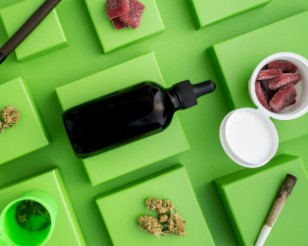
Royal Medic can be ingested through multiple routes, each with different effects on absorption, metabolism, and duration.
| Method of Ingestion | Onset Time | Peak Effects | Total Duration | Bioavailability (%) |
|---|---|---|---|---|
| Inhalation (Smoking/Vaporizing) | 1-5 min | 30-60 min | 2-4 hours | 30-50% |
| Sublingual (Tinctures/Oils) | 15-30 min | 1-2 hours | 4-6 hours | 20-35% |
| Edibles (Capsules, Gummies, Baked Goods) | 30-90 min | 2-4 hours | 6-12 hours | 4-20% |
| Topicals (Creams, Patches, Lotions) | 10-30 min | 1-2 hours | 4-8 hours | <5% (localized) |
| Suppositories (Rectal or Vaginal) | 15-30 min | 1-3 hours | 6-8 hours | 50-70% |
Inhalation Methods (Smoking & Vaporization)
Smoking (Combustion)
- Process: Heating dried cannabis flowers to high temperatures (~700-900°C).
- Delivery: Absorbed through alveolar capillaries in the lungs.
- Onset: 1-5 minutes (rapid absorption into the bloodstream).
- Peak Effects: 30-60 minutes.
- Duration: 2-4 hours.
- Bioavailability: 30-50% (varies with depth of inhalation and temperature).
- Advantages:
- Fast-acting relief for pain, anxiety, and nausea.
- Easier dose titration (gradual increase to achieve desired effect).
- Disadvantages:
- Harmful byproducts from combustion (tar, carbon monoxide).
- Reduced terpene preservation due to high temperatures.
Vaporization (Safer Alternative)
- Process: Heating cannabis to 160-220°C to release cannabinoids as vapor.
- Delivery: Inhaled and absorbed through lung capillaries.
- Onset: 1-5 minutes.
- Peak Effects: 30-60 minutes.
- Duration: 2-4 hours.
- Bioavailability: 40-60%.
- Advantages:
- Safer than smoking (no combustion byproducts).
- Preserves more terpenes and cannabinoids.
- More efficient cannabinoid extraction.
- Disadvantages:
- Requires a vaporizer device.
- Shorter duration compared to edibles.
Best for: Fast relief from pain, anxiety, muscle spasms, and inflammation.
Sublingual Administration (Tinctures & Oils)
How It Works
- Process: Placing CBD/THC-rich oils under the tongue for direct absorption into capillaries.
- Onset: 15-30 minutes.
- Peak Effects: 1-2 hours.
- Duration: 4-6 hours.
- Bioavailability: 20-35%.
- Advantages:
- Longer-lasting effects compared to inhalation.
- No harmful combustion byproducts.
- Precise dosing with droppers.
- Disadvantages:
- Slower onset than smoking/vaporizing.
- Bitter or earthy taste in some formulations.
Best for: Chronic pain, inflammation, anxiety, and sleep disorders.
Edibles (Cannabis-Infused Foods, Capsules, and Beverages)
How Edibles Work
- Process: After passing through the digestive system and being processed by the liver, cannabinoids eventually make their way into the bloodstream.
- .
- Onset: 30-90 minutes (varies based on metabolism and stomach contents).
- Peak Effects: 2-4 hours.
- Duration: 6-12 hours.
- Bioavailability: 4-20% (lower due to first-pass metabolism in the liver).
- Advantages:
- Long-lasting effects (ideal for chronic conditions).
- No lung irritation.
- Precise dosing.
- Disadvantages:
- Slow onset (risk of accidental overdose).
- Metabolism-dependent variability in effects.
Best for: Long-term pain relief, anxiety disorders, sleep disorders, and inflammatory conditions.
Topical Application (Creams, Lotions, and Transdermal Patches)
How Topicals Work
- Process: Cannabinoids bind to CB2 receptors in the skin and muscles, providing localized relief.
- Onset: 10-30 minutes.
- Peak Effects: 1-2 hours.
- Duration: 4-8 hours.
- Bioavailability: <5% (localized effects only).
- Advantages:
- Non-psychoactive (no high).
- Effective for localized pain and inflammation.
- Low risk of systemic side effects.
- Disadvantages:
- Limited penetration beyond the skin.
- Not suitable for systemic conditions (e.g., epilepsy, anxiety).
Best for: Arthritis, muscle pain, joint pain, and skin conditions.
Suppositories (Rectal or Vaginal Administration)
How Suppositories Work
- Process: Cannabinoids are absorbed directly into the bloodstream via mucosal membranes in the rectum or vagina.
- Onset: 15-30 minutes.
- Peak Effects: 1-3 hours.
- Duration: 6-8 hours.
- Bioavailability: 50-70% (high due to bypassing first-pass metabolism).
- Advantages:
- High absorption rate.
- No impact on lung health.
- Ideal for patients who cannot swallow pills or tolerate edibles.
- Disadvantages:
- Requires proper insertion technique.
- Limited research on long-term effects.
Best for: Cancer pain, severe menstrual cramps, gastrointestinal issues (Crohn’s, IBS), and severe nausea.
6. Cultivation of Royal Medic
Royal Medic is a CBD-dominant hybrid strain known for its high medicinal value and ease of cultivation. Its genetic lineage, derived from Juanita la Lagrimosa and Critical, makes it a resilient, high-yielding, and pest-resistant strain, ideal for both indoor and outdoor cultivation.
Optimal Growing Conditions for Royal Medic
Royal Medic thrives under controlled environmental conditions that optimize its cannabinoid and terpene production.
Climate and Environmental Requirements
- Temperature:
- Daytime: 21-26°C (70-79°F)
- Nighttime: 17-21°C (62-70°F)
- Humidity:
- Seedling Stage: 65-70% RH
- Vegetative Stage: 55-65% RH
- Flowering Stage: 40-50% RH
- Late Flowering (Pre-Harvest): 30-40% RH to prevent mold growth.
- CO₂ Enhancement: Increasing CO₂ levels to 1000-1500 ppm can improve photosynthesis efficiency and yield.
Cultivation Methods for Royal Medic
The cultivation method significantly impacts plant health, cannabinoid profile, and overall yield.
Soil-Based Cultivation (Organic)
- Best for medical-grade cannabis due to natural terpene enhancement.
- Recommended Soil Composition:
- Loamy soil with perlite and vermiculite for aeration.
- Compost & worm castings for microbial activity.
- pH range: 6.0-6.5 for optimal nutrient absorption.
- Advantages:
- Better terpene expression and natural flavors.
- Simpler nutrient management.
- Disadvantages:
- Slower nutrient uptake.
- Increased risk of pests and diseases.
Hydroponic Cultivation
- Involves cultivating plants in a water solution that is high in nutrients.
- Optimal pH range: 5.5-6.2 (lower than soil-based cultivation).
- Best Hydroponic Systems for Royal Medic:
- Deep Water Culture (DWC): An oxygenated fertilizer solution is poured over the roots.
- Nutrient Film Technique (NFT): A thin nutrient film flows over the roots.
- Aeroponics: Nutrient mist and airborne suspension characterize roots.
- Advantages:
- Faster growth rates.
- Higher yields (up to 30% more than soil-grown cannabis).
- Disadvantages:
- Requires precise pH and EC monitoring.
- More expensive setup.
Greenhouse Cultivation
- Uses natural sunlight with controlled environmental conditions.
- Ideal for sustainable, large-scale CBD production.
- Automated irrigation and light deprivation techniques improve yield control.
- Advantages:
- Lower energy costs compared to indoor growing.
- Better environmental control than outdoor growing.
- Disadvantages:
- Higher setup costs than outdoor growing.
Nutrient Management
Royal Medic requires a balanced macronutrient and micronutrient regimen.
| Growth Stage | Nitrogen (N) | Phosphorus (P) | Potassium (K) | Other Nutrients |
|---|---|---|---|---|
| Seedling | Medium | Low | Low | Calcium (Ca), Magnesium (Mg) |
| Vegetative | High | Medium | Medium | Zinc (Zn), Iron (Fe) |
| Flowering | Low | High | High | Sulfur (S), Silicon (Si) |
| Late Flowering | Very Low | Very High | Very High | No extra Nitrogen |
- High Nitrogen (N) in vegetative stage promotes strong leaf and stem growth.
- High Phosphorus (P) and Potassium (K) in flowering enhances bud density and cannabinoid synthesis.
- Silicon (Si) strengthens cell walls, improving plant immunity.
Light Requirements
Light Cycles
- Seedling Stage: 18-24 hours light per day.
- Vegetative Stage: 18-20 hours light per day.
- Flowering Stage: Twelve hours of light and twelve hours of dark.
Recommended Light Spectrum
- Blue Light (400-500 nm) promotes leafy growth in vegetative stages.
- Red Light (600-700 nm) enhances flowering and resin production.
Recommended Light Intensity (PPFD)
| Growth Stage | Light Intensity (µmol/m²/s) |
|---|---|
| Seedling | 200-300 µmol/m²/s |
| Vegetative | 400-600 µmol/m²/s |
| Flowering | 600-1000 µmol/m²/s |
Training Techniques for Yield Optimization
Training methods enhance light exposure and bud production.
Low-Stress Training (LST)
- Bending branches to expose lower bud sites to light.
- Encourages even canopy growth.
High-Stress Training (HST)
- Topping: Cutting the main stem to promote multiple cola formation.
- Super Cropping: Slightly damaging branches to stimulate growth hormone production.
Screen of Green (ScrOG)
- Horizontal trellis netting maximizes light distribution.
- Best suited for indoor and greenhouse grows.
Pest and Disease Management
Royal Medic is resistant to mold and pests, but preventive measures are necessary.
Common Pests
| Pest | Symptoms | Treatment |
|---|---|---|
| Spider Mites | Yellowing leaves, webbing | Neem oil, predatory mites |
| Aphids | Sticky residue, curled leaves | Insecticidal soap |
| Fungus Gnats | Root rot, weak plants | Proper drainage, sticky traps |
Common Diseases
| Disease | Symptoms | Treatment |
|---|---|---|
| Powdery Mildew | White powdery spots | Reduce humidity, sulfur spray |
| Root Rot | Wilting, brown roots | Ensure oxygenation in hydroponic systems |
Harvesting & Post-Harvest Processing
Signs of Maturity
- Trichome Coloration: Cloudy with some amber for peak CBD levels.
- Pistil Color: 70-80% brown/red hairs.
Drying & Curing
- Drying: 10-14 days at 16-20°C (60-68°F), 50-60% RH.
- Curing:
- Store buds in airtight glass jars at 60-65% RH for 4-8 weeks.
- Enhances terpene profile and smoothness.
7. Conclusion
Royal Medic is a high-CBD strain with minimal psychoactive effects, making it ideal for medical use. It provides relief for chronic pain, inflammation, anxiety, epilepsy, neurodegenerative diseases, and gastrointestinal disorders. Recreational users appreciate its mild, clear-headed high and relaxing properties. With high yields and easy cultivation, it is an excellent choice for both medical patients and growers.
For a complete directory of cultivars, visit our Cannabis Strain Reviews.
