Table of Contents
Royal Kush is a potent Indica-dominant hybrid that has gained popularity due to its powerful effects, complex aroma, and impressive medical benefits. It is often described as a strain fit for royalty due to its high THC content, deep relaxation properties, and rich terpene profile. This strain is commonly used by both recreational and medicinal users for its intense body high and euphoric cerebral effects.
Genetic Lineage and Origin
Royal Kush is a cross between Afghan Kush and Skunk #1, both of which are well-respected and widely used strains in the cannabis industry. Afghan Kush is known for its heavy Indica traits, while Skunk #1 provides a balanced hybrid influence that enhances the overall experience.
Parental Genetics
- Afghan Kush: A landrace Indica strain known for its heavy body effects, sedative nature, and high resin production. It contributes to Royal Kush’s deep relaxation and pain-relieving properties.
- Skunk #1: A hybrid with a pungent, skunky aroma that enhances the flavor and effect of Royal Kush. Skunk #1 brings a slight cerebral uplift and improved resin production.
Due to its lineage, Royal Kush carries strong Indica properties but also includes mild Sativa effects that contribute to its well-rounded high.
Cannabinoid Profile
Royal Kush is known for its high THC content, which ranges between 18-27%, making it a highly potent strain. It also contains minor amounts of other cannabinoids that contribute to its entourage effect.
Typical Cannabinoid Breakdown
- THC: 18-27% (Primary psychoactive compound, responsible for euphoria and relaxation)
- CBD: 0.1-1% (Provides medicinal benefits and modulates THC effects)
- CBG: 0.5-1% (Anti-inflammatory and neuroprotective properties)
- CBC: 0.2-0.5% (Contributes to mood regulation and pain relief)
- THCV: Trace amounts (May counteract some effects of THC, leading to a more balanced high)
The high THC levels make Royal Kush unsuitable for beginners but perfect for experienced cannabis users looking for strong effects.
Terpene Profile and Aroma
Royal Kush is known for its rich and pungent aroma, which combines earthy, skunky, and spicy notes. The terpene profile contributes to its distinctive scent and therapeutic benefits.
Primary Terpenes
- Myrcene (Herbal, Musky) – Sedative, muscle relaxant, and pain relief.
- Limonene (Citrusy) – Mood booster, anti-anxiety, and anti-depressant.
- Caryophyllene (Peppery, Spicy) – Anti-inflammatory, pain relief, and stress reduction.
- Humulene (Earthy, Woody) – Appetite suppressant and anti-inflammatory.
- Pinene (Pine-like) – Bronchodilator, memory retention, and focus.
This terpene combination results in a complex aroma with earthy, woody, and skunky undertones, followed by a sweet and citrusy exhale.
Recreational Effects
Royal Kush is widely sought after for its strong, full-bodied effects, making it a favorite among seasoned cannabis users.
Immediate Effects
- Euphoric Cerebral High: The initial onset of effects is marked by a mood boost and mental clarity.
- Gradual Body Relaxation: The Indica traits begin to take over, leading to deep physical relaxation and a couch-lock effect.
- Enhanced Sensory Perception: Colors may seem more vivid, and music or art may feel more immersive.
Extended Effects
- Sedation and Tranquility: The later stages of the high can lead to a deep sense of calm and drowsiness.
- Appetite Stimulation: A strong case of the “munchies” is common.
- Long-Lasting Effects: Users report 3-5 hours of sustained high, depending on dosage.
Best Uses for Recreational Consumption
- Evening or nighttime use
- Social relaxation with friends
- Watching movies or listening to music
- Enhancing creativity (short-term before sedation sets in)
Medical Benefits of Royal Kush
Due to its potent relaxing effects, Royal Kush has a range of medical applications. It is most commonly used to treat chronic pain, insomnia, and stress-related conditions.
Medical Conditions Treated
Pain Management
- Arthritis
- Muscle spasms
- Chronic pain (fibromyalgia, back pain)
- Migraines and headaches

Mental Health Benefits
- Stress Relief: The strong Indica effects help with reducing anxiety and stress.
- Depression: The uplifting euphoria may help alleviate symptoms of depression.
- PTSD: Calming effects can assist with managing traumatic stress.
Neurological and Sleep Disorders
- Insomnia: One of the most common medical uses due to its sedative properties.
- Epilepsy and Seizures: Low CBD content, but its entourage effect may help reduce seizures.
- Multiple Sclerosis (MS): Reduces spasticity and muscle stiffness.
Appetite Stimulation & Digestive Issues
- Nausea: Beneficial for chemotherapy patients and those with digestive disorders.
- Appetite Loss: Can help with eating disorders like anorexia.
Cultivation Information
Cultivating Royal Kush requires careful control of environmental conditions to optimize its yield, potency, and terpene profile. Scientific advancements in cannabis cultivation have refined various methods, including hydroponics, organic soil cultivation, and controlled environment agriculture (CEA) to enhance plant growth and maximize resin production. Below are the best scientific cultivation techniques for Royal Kush.
1. Cultivation Mediums for Royal Kush
The choice of growing medium plays a crucial role in nutrient absorption, root development, and overall plant health.
A. Soil-Based Cultivation (Living Soil)
- Best for terpene and flavor expression
- Requires a balanced pH (6.0-6.5)
- Rich organic soil enhances microbial activity
- Benefits from compost tea, mycorrhizae, and bioactive amendments
B. Hydroponics (Soilless)
- Accelerates growth and increases cannabinoid production
- Uses inert mediums like coco coir, Rockwool, or clay pebbles
- Requires precise pH monitoring (5.5-6.2)
- Needs a calibrated nutrient solution (Nitrogen-Phosphorus-Potassium, Calcium, Magnesium)
- Delivers higher yield per square meter but requires more oversight
C. Aeroponics
- Most advanced technique for root oxygenation and rapid growth
- Airborne roots are misted with nutrient-rich water.
- Produces stronger root systems and greater cannabinoid expression
- High-tech but prone to failure if power or misting systems malfunction
2. Light Requirements & Photoperiod Control
Royal Kush, like all photoperiod strains, depends on light schedules to transition from vegetative growth to flowering.
A. Indoor Lighting (Artificial)
- Vegetative Stage: 18-24 hours of light daily
- Flowering Stage: Twelve hours of light and twelve hours of dark
- Preferred Light Spectrum:
- Blue Light (400-500nm): Stimulates vegetative growth
- Red Light (600-700nm): Enhances flowering and bud production
- Best Light Sources:
- LEDs: Most energy-efficient, full-spectrum control
- HPS (High-Pressure Sodium): High yield but produces more heat
- CMH (Ceramic Metal Halide): Broad spectrum and UV exposure improves terpene production
B. Outdoor Light Conditions
- Best grown in Mediterranean climates (70-85°F)
- Requires direct sunlight (10-12 hours daily)
- Must monitor seasonal light changes for proper flowering transition
3. Nutrient and Water Management
Royal Kush needs optimal nutrients for vigorous growth, trichome production, and disease resistance.
A. Macronutrient Needs (NPK Ratio)
- Vegetative Phase: High Nitrogen (N) to promote foliage growth
- Ideal NPK: 4-3-3
- Flowering Phase: High Phosphorus (P) and Potassium (K) to support bud development
- Ideal NPK: 2-4-6
B. Micronutrients Required
- Calcium (Ca): Prevents bud rot and strengthens cell walls
- Magnesium (Mg): Essential for chlorophyll production
- Sulfur (S): Enhances terpene synthesis and aroma
C. Watering Techniques
- pH Balance: 6.0-6.5 in soil, 5.5-6.2 in hydroponics
- Watering Frequency: Keep soil moist but not waterlogged
- Reverse Osmosis (RO) Water: Removes contaminants that may affect terpene profiles
4. Climate Control and Environmental Factors
A. Temperature and Humidity
- Vegetative Stage: 70-80°F, Humidity: 50-60%
- Flowering Stage: 65-75°F, Humidity: 40-50%
- Final Two Weeks (Curing/Flushing): Drop humidity to 30-40% to enhance resin production
B. CO₂ Supplementation
- CO₂ levels at 1000-1500 PPM can boost yield by up to 30%
- Best used in sealed grow rooms with CO₂ enrichment systems
C. Air Circulation
- Prevents mold, mildew, and bud rot
- Requires oscillating fans and exhaust systems for airflow management
5. Plant Training Techniques
A. High-Stress Training (HST)
- Topping: Cutting the main stem early for multiple colas
- Supercropping: Bending branches to increase canopy exposure
B. Low-Stress Training (LST)
- Screen of Green (ScrOG): Uses a net to maximize light exposure
- Sea of Green (SOG): Encourages fast flowering and uniform growth
6. Pest and Disease Prevention
A. Common Pests
- Spider Mites: Controlled with neem oil or predatory mites
- Fungus Gnats: Prevented with proper drainage and dry topsoil
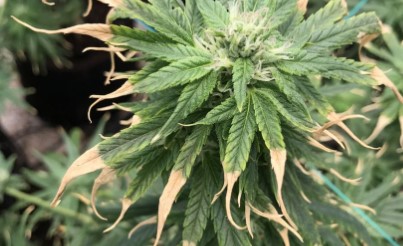
B. Fungal and Mold Prevention
- Botrytis (Bud Rot): Avoid high humidity and overwatering
- Powdery Mildew: Controlled with silica foliar sprays and proper air circulation
7. Harvesting & Post-Harvest Processing
A. Harvest Timing (Trichome Observation)
- Milky trichomes = Peak THC potency
- Amber trichomes = More sedative effects
B. Drying & Curing
- Drying: 60°F, 50-60% humidity, 7-10 days
- Curing: 2-4 weeks in airtight glass jars, burping daily to enhance terpene preservation
Royal Kush, a high-THC, Indica-dominant hybrid, offers varied onset times and durations depending on the method of ingestion. The bioavailability (how much THC enters the bloodstream) and metabolism of cannabinoids determine the intensity and longevity of effects.
Methods of Ingestion
Royal Kush can be consumed in several ways, each affecting its absorption, onset, peak, and duration of effects.
A. Inhalation (Smoking & Vaporization)
The most common and efficient method, inhalation allows THC to rapidly enter the bloodstream via the alveoli in the lungs.
1. Smoking (Joints, Pipes, Bongs)
- Bioavailability: 10-35% of THC is absorbed into the bloodstream.
- Onset: 1-5 minutes (Peak in 10-30 minutes).
- Duration: 2-4 hours.
- Mechanism: THC is immediately absorbed through the lung capillaries and reaches the brain via the bloodstream.
2. Vaporization (Dry Herb & Concentrates)
- Bioavailability: Higher than smoking (40-50% THC absorption).
- Onset: Within 1-3 minutes (Peak at 10-20 minutes).
- Duration: 2-4 hours.
- Mechanism: THC and terpenes are aerosolized without combustion, leading to a cleaner high and better terpene preservation.
Scientific Comparison: Vaporization delivers higher cannabinoid efficiency and reduces harmful combustion byproducts compared to smoking.
B. Oral Consumption (Edibles, Capsules, Tinctures)
Edibles and other oral forms metabolize THC differently, leading to delayed but more potent effects.
1. Edibles (Gummies, Brownies, Beverages)
- Bioavailability: 4-20% (lower due to first-pass metabolism in the liver).
- Onset: 30 minutes to 2 hours (Peak at 2-3 hours).
- Duration: 4-8 hours, sometimes up to 12 hours.
- Mechanism: THC is processed in the liver, where it converts into 11-hydroxy-THC, a more potent and long-lasting metabolite.
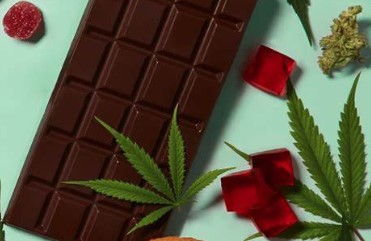
Scientific Insight: 11-hydroxy-THC is 2-3 times more psychoactive than THC, explaining the stronger effects and longer duration of edibles.
2. Capsules & Pills
- Bioavailability: Similar to edibles (4-20%).
- Onset: 30 minutes to 1.5 hours.
- Duration: 4-8 hours.
- Mechanism: Slower breakdown due to the capsule shell delaying digestion.
Use Case: Capsules offer precise dosing and a discreet alternative for medical users.
3. Sublingual (Tinctures & Oils)
- Bioavailability: 30-50% (avoids first-pass metabolism).
- Onset: 15-45 minutes.
- Duration: 3-6 hours.
- Mechanism: Absorbed directly through the mucous membranes under the tongue, bypassing liver metabolism.
Advantage: Faster onset than edibles but with longer-lasting effects than inhalation.
C. Transdermal (Patches & Topicals)
1. Transdermal Patches (Systemic Absorption)
- Bioavailability: Low but steady absorption (10-15% over time).
- Onset: 30 minutes to 2 hours.
- Duration: 8-12 hours.
- Mechanism: Cannabinoids penetrate the skin and enter the bloodstream, providing a slow, consistent release.
Medical Benefit: Best for chronic pain management without psychoactive effects.
2. Topical Creams & Balms (Localized Absorption)
- Bioavailability: Minimal systemic absorption (does not enter bloodstream).
- Onset: 5-15 minutes.
- Duration: 2-4 hours.
- Mechanism: Binds to CB2 receptors in the skin to reduce inflammation and pain without getting users high.
Use Case: Effective for arthritis, muscle soreness, and localized pain.
Onset & Duration by Method
| Method | Onset Time | Peak Effects | Total Duration | Bioavailability |
|---|---|---|---|---|
| Smoking (Joint/Pipe/Bong) | 1-5 min | 10-30 min | 2-4 hrs | 10-35% |
| Vaporization | 1-3 min | 10-20 min | 2-4 hrs | 40-50% |
| Edibles | 30-120 min | 2-3 hrs | 4-8 hrs (up to 12) | 4-20% |
| Capsules/Pills | 30-90 min | 2-3 hrs | 4-8 hrs | 4-20% |
| Tinctures (Sublingual) | 15-45 min | 1-2 hrs | 3-6 hrs | 30-50% |
| Transdermal Patches | 30 min – 2 hrs | Continuous | 8-12 hrs | 10-15% |
| Topicals (Creams/Balms) | 5-15 min | 15-30 min | 2-4 hrs | Localized, no systemic effects |
Factors Affecting Duration & Intensity
Several factors influence how long Royal Kush’s effects last and how strong they feel:
A. Individual Metabolism
- Faster metabolism = shorter duration.
- Slower metabolism = longer-lasting effects.
B. Tolerance Levels
- Frequent cannabis users may experience a shorter high due to receptor desensitization.
- Occasional users experience a stronger and longer-lasting effect.
C. Food Intake
- Edibles last longer on an empty stomach, but effects may feel stronger.
- Eating fatty foods enhances THC absorption.
D. Dosage and Potency
- Higher THC concentrations (18-27%) in Royal Kush lead to longer-lasting effects.
- Concentrates (dabs, oils) have fast onset and very intense effects but shorter duration.
4. Scientific Insights into THC Metabolism
- THC binds to CB1 receptors in the brain, causing euphoria and relaxation.
- Metabolism Pathway: THC → 11-hydroxy-THC (potent) → THC-COOH (inactive metabolite).
- Elimination Half-Life: THC lingers in fat cells and has a half-life of 7-12 days in frequent users.
Best Ingestion Methods Based on Need:
- Fast Relief: Smoking/Vaping (1-3 min onset).
- Long-lasting effects: Edibles (4-8 hrs).
- Discreet use: Capsules/Tinctures.
- Medical Use: Topicals for localized pain, patches for steady dosing.
Key Takeaways:
- Inhalation = Quick onset, shorter duration.
- Edibles = Slow onset, long-lasting, more potent.
- Sublingual & Transdermal = Balanced approach for medical and recreational users.
Scientific Insights and Pharmacological Effects
THC and Neurological Interaction
Royal Kush’s high THC levels interact with the CB1 receptors in the brain, resulting in dopamine release and enhanced mood. This accounts for its euphoric and stress-relieving properties.
CBD’s Role in Modulating Effects
While Royal Kush is low in CBD, even small amounts help reduce paranoia and excessive psychoactivity, creating a more balanced experience.
Entourage Effect
The combination of terpenes and cannabinoids creates synergistic effects, enhancing medical benefits and increasing the strain’s overall efficacy in treating chronic conditions.
Conclusion
Royal Kush is a powerful Indica-dominant hybrid that offers strong euphoria, relaxation, and pain relief. It is well-suited for experienced users seeking a potent high and medical relief. Whether for recreational enjoyment or therapeutic benefits, Royal Kush continues to be a favorite among cannabis enthusiasts.
Key Takeaways
- THC Content: 18-27%
- Effects: Euphoric, relaxing, sedative
- Medical Uses: Pain, insomnia, anxiety, appetite loss
- Best for: Nighttime use
- Cultivation: Moderate difficulty, high yield potential
This strain is ideal for those looking for a heavy-hitting Indica experience, but beginners should approach with caution due to its potency.
For a complete directory of cultivars, visit our Cannabis Strain Reviews.
