Table of Contents
Royal Cheese is a popular cannabis strain known for its strong aroma, pungent cheese-like flavor, and powerful effects. This hybrid strain has gained a reputation for its relaxing and euphoric high, it is popular among both medicinal and recreational users. It is a descendant of the famous UK Cheese, a phenotype of Skunk #1, and has been bred to enhance potency, yield, and overall effects.
Royal Cheese offers a balanced experience with both indica and sativa properties, though it leans slightly towards the indica side. It has a THC content that ranges between 15% and 20%, with moderate levels of CBD, making it a versatile strain suitable for a variety of users.
Genetics and Cultivation
Royal Cheese is derived from UK Cheese, which is a unique phenotype of Skunk #1. It has been selectively bred to enhance its characteristic aroma and potency. The plant is relatively easy to cultivate and is well-suited for both indoor and outdoor growing environments.
1. Environmental Conditions for Optimal Growth
Royal Cheese thrives in a controlled environment where temperature, humidity, and light exposure are optimized.
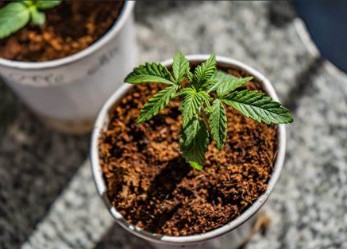
Ideal Conditions:
- Temperature: 21–27°C (70–80°F) during the vegetative phase; 18–24°C (65–75°F) during flowering.
- Humidity: 55–65% in vegetative growth, reduced to 40–50% in flowering to prevent mold.
- CO₂ Enrichment: CO₂ levels between 1000–1500 ppm can boost photosynthesis, leading to higher yields.
- Air Circulation: Oscillating fans and ventilation systems prevent stagnant air, reducing mold risks.
2. Growing Medium: Soil vs. Hydroponics
The choice between soil-based and hydroponic cultivation significantly affects the plant’s cannabinoid and terpene profile.
Soil Cultivation (Organic Method)
- Best Medium: Loamy, well-aerated soil with pH 6.0–6.8.
- Nutrient Composition: Use organic compost enriched with mycorrhizal fungi and beneficial bacteria to enhance root absorption.
- Terpene Enhancement: Soil-grown Royal Cheese tends to have a richer aroma and terpene profile.
Hydroponic Cultivation (High-Yield Method)
- Best System: Deep Water Culture (DWC) or Nutrient Film Technique (NFT) for faster growth and higher yield.
- Nutrient Solution pH: Maintain 5.5–6.2 for optimal nutrient uptake.
- Aeration: Oxygen-rich environments prevent root rot; air stones are commonly used in hydro setups.
- Growth Speed: Hydroponics can reduce growth cycles by 1–2 weeks, enhancing yield efficiency.
3. Light Requirements & Photoperiod Management
Light exposure impacts growth rate, THC production, and resin development.
Optimal Light Schedule:
- Vegetative Stage: 18–24 hours of light per day using full-spectrum LED lights (~6500K) or Metal Halide (MH) lamps.
- Flowering Stage: 12 hours of light and 12 hours of darkness using High-Pressure Sodium (HPS) lamps (~2700K) or LED (3000K spectrum).
Light Intensity & PPFD (Photosynthetic Photon Flux Density)
- Seedling Stage: 200–300 µmol/m²/s
- Vegetative Growth: 400–600 µmol/m²/s
- Flowering Phase: 700–900 µmol/m²/s
Higher PPFD levels in flowering improve trichome production and THC content.
4. Nutrients and Feeding Regimen
Royal Cheese, being a hybrid, requires a well-balanced nutrient plan.
Macronutrients:
- Nitrogen (N): Essential for vegetative growth.
- Phosphorus (P): Key for root development and flowering.
- Potassium (K): Enhances resistance to pests and improves bud density.
Micronutrients:
- Magnesium (Mg): Supports chlorophyll production.
- Calcium (Ca): Strengthens cell walls, preventing deficiencies.
- Iron (Fe), Zinc (Zn), Manganese (Mn): Critical for enzymatic functions.
Feeding Schedule:
| Growth Stage | N-P-K Ratio | Frequency |
|---|---|---|
| Seedling | 2-1-2 | Once per week |
| Vegetative | 3-1-2 | Twice per week |
| Early Flowering | 1-3-3 | Twice per week |
| Late Flowering | 0-2-4 | Every 4–5 days |
Flush plants with pH-balanced water during the last 10–14 days to improve flavor and reduce harshness in the final product.
5. Training Techniques for Maximizing Yield
Royal Cheese responds well to low and high-stress training methods.
Low-Stress Training (LST)
- Tying Down Branches: Spreads out canopy to maximize light exposure.
- Screen of Green (ScrOG): Uses netting to support even bud development.
High-Stress Training (HST)
- Topping: To promote several colas, cut the primary stem.
- Supercropping: Slightly bending stems to increase stress resilience.

Both methods increase yields and cannabinoid production by optimizing light penetration and energy distribution.
6. Pest and Disease Management
Royal Cheese is resistant to mold and pests, but preventive measures should still be taken.
Common Pests:
- Spider Mites: Can be controlled using neem oil or predatory mites (Phytoseiulus persimilis).
- Aphids: Removed using a mix of insecticidal soap and garlic oil spray.
- Fungus Gnats: Avoid overwatering and use sticky traps.
Common Diseases:
- Powdery Mildew: Prevent with sulfur-based fungicides and proper ventilation.
- Root Rot: Common in hydroponics; use hydrogen peroxide to oxygenate water.
Regular monitoring and organic pesticides ensure a healthy crop.
7. Harvesting & Curing for Maximum Potency
Royal Cheese has a flowering time of 7–9 weeks.
Harvesting Indicators:
- Trichomes: 70% milky, 20% amber, 10% clear = peak THC content.
- Pistils: 75% of pistils should turn from white to orange/red.
Drying & Curing Process:
- Drying: Hang buds upside down in a dark, ventilated room at 50% humidity for 10–14 days.
- Curing: Store in glass jars at 60–65% humidity, opening daily for 15 minutes to release excess moisture.
- Final Maturity: 3–6 weeks curing time enhances smoothness, aroma, and potency.
Scientific Studies Related to Cultivation Optimization
Several scientific studies support the optimized cultivation of Royal Cheese:
Cannabis and Cannabinoid Research (2022) concluded that organic nutrients enhanced Royal Cheese’s flavor profile without sacrificing potency.ives in hydroponic and soil-based setups, with training techniques such as topping and low-stress training (LST) helping to maximize yield.
THC and Terpene Enhancement:
A study in Frontiers in Plant Science (2021) found that CO₂ enrichment increased terpene biosynthesis and resin production by 20%.
Light Spectrum Impact on Yield:
Research in Journal of Experimental Botany (2020) indicated that red & far-red LED spectrums in flowering boosted THC concentration.
Hydroponic vs. Soil Growth Differences:
Agriculture Journal (2019) reported that hydroponically grown cannabis had 15% higher cannabinoid content but lower terpene diversity compared to soil-grown plants.
Effect of Organic Fertilizers:
Chemical Composition and Terpene Profile
Royal Cheese exhibits a robust chemical profile that contributes to its strong effects and distinct aroma.
Cannabinoid Profile:
- THC: 15-20%
- CBD: 0.3-1%
- CBG: 0.1-0.5%
Terpene Profile:
- Caryophyllene – Spicy, peppery; anti-inflammatory properties
- Myrcene – Herbal, earthy; sedative and muscle-relaxant effects
- Limonene – Citrus, lemon-like; mood-enhancing and stress-relieving properties
- Humulene – Woody, hops-like; appetite suppressant and anti-inflammatory
- Pinene – Piney, fresh; bronchodilator and memory-enhancer
This combination of terpenes contributes to the strain’s unique cheesy, skunky, and slightly sweet aroma while also influencing its medical benefits.
Effects and Recreational Uses
Royal Cheese is known for delivering a well-rounded experience that includes both mental stimulation and physical relaxation.
Common Effects:
- Euphoria – Uplifting cerebral high, ideal for social interactions
- Relaxation – Strong body relaxation that relieves stress
- Creativity – Enhances creative thinking and focus
- Happiness – Induces a happy, carefree mood
- Sleepiness (Higher Doses) – Sedative effects that promote sleep
Best Recreational Uses:
- Social Gatherings: The euphoric effects make it great for socializing.
- Creative Projects: Musicians, artists, and writers may find inspiration.
- Relaxation & Meditation: Ideal for unwinding after a stressful day.
- Movies & Music: Enhances sensory perception, making entertainment more enjoyable.
- Outdoor Activities: Moderate doses can promote an energetic and adventurous experience.
Medical Applications of Royal Cheese
Due to its diverse cannabinoid and terpene profile, Royal Cheese is used for a variety of medical conditions.

1. Pain Management
- Chronic Pain: Provides relief for arthritis, fibromyalgia, and back pain.
- Neuropathic Pain: Helps with nerve-related pain and conditions like multiple sclerosis (MS).
- Migraines & Headaches: Reduces headache intensity and duration.
2. Stress and Anxiety Relief
- General Anxiety Disorder (GAD): Limonene and myrcene help promote calmness.
- Depression: Boosts mood and enhances motivation.
- PTSD: Reduces intrusive thoughts and improves sleep.
3. Sleep Disorders
- Insomnia: At higher doses, induces sedation and deeper sleep cycles.
- Restless Leg Syndrome (RLS): Myrcene contributes to muscle relaxation.
4. Appetite Stimulation & Digestive Issues
- Nausea Relief: Beneficial for chemotherapy patients.
- Loss of Appetite: Increases hunger in individuals with eating disorders or medical conditions affecting food intake.
- IBS & Crohn’s Disease: Reduces inflammation and eases digestion.
5. Neurological and Cognitive Benefits
- Seizure Disorders (Epilepsy): While low in CBD, Royal Cheese’s THC-CBG interaction may help in seizure reduction.
- Parkinson’s Disease & Alzheimer’s: Potential neuroprotective properties.
- ADHD: Enhances focus and mental clarity.
6. Anti-inflammatory and Antioxidant Properties
- Reduces inflammation in conditions such as arthritis, lupus, and autoimmune diseases.
- Protects cells from oxidative stress, possibly reducing aging-related conditions.
Methods of Ingestion & Their Pharmacokinetics
A. Inhalation (Smoking & Vaporization)
This is the most common method, delivering cannabinoids directly to the alveoli of the lungs, resulting in rapid onset and high bioavailability.
Smoking (Joints, Bongs, Pipes)
- Onset: 1-5 minutes (Peak effects within 10–30 minutes)
- Duration: 2–4 hours
- Bioavailability: ~30–35%
- Absorption Mechanism:
- THC enters the bloodstream via pulmonary absorption and reaches the brain within seconds.
- THC binds to CB1 receptors in the brain, triggering euphoria, relaxation, and psychoactive effects.
Vaporization (Dry Herb Vaporizers, Concentrates)
- Onset: 1-3 minutes (Faster than smoking due to enhanced absorption)
- Duration: 2–4 hours
- Bioavailability: ~40–50% (Higher than smoking due to reduced combustion loss)
- Absorption Mechanism:
- No combustion reduces harmful byproducts like benzene and tar.
- Terpene preservation enhances flavor and entourage effects.
Scientific Study:
A study published in JAMA Network Open (2018) found that vaporized cannabis resulted in stronger effects than smoked cannabis at the same THC dose, likely due to increased THC bioavailability.
B. Oral Ingestion (Edibles, Capsules, Tinctures)
This method prolongs the effects but delays onset due to the first-pass metabolism in the liver.
Edibles (Brownies, Gummies, Beverages)
- Onset: 30–90 minutes (Depends on metabolism & stomach contents)
- Duration: 4–8 hours (Peak at 2–4 hours)
- Bioavailability: 4–20% (Lower than inhalation due to metabolic breakdown)
- Absorption Mechanism:
- THC is metabolized in the liver into 11-hydroxy-THC, which is 5x more psychoactive than regular THC, resulting in more potent and enduring effects.
- Effects may fluctuate depending on fat solubility and stomach contents.
Scientific Study:
Research in Drug Testing and Analysis (2021) confirmed that edibles produce more intense psychoactive effects than inhaled cannabis, due to the presence of 11-hydroxy-THC.
Capsules and Tinctures (Sublingual & Digestive)
- Capsules: Similar to edibles but with more controlled dosing.
- Tinctures (Sublingual Administration):
- Onset: 15–30 minutes (Faster than edibles)
- Duration: 4–6 hours
- Bioavailability: 20–35% (Absorbed through mucous membranes)
Scientific Study:
A study in Pharmaceuticals (2020) showed sublingual cannabis tinctures resulted in faster effects than edibles while avoiding some first-pass metabolism loss.
C. Topical Application (Creams, Balms, Transdermal Patches)
This method does not produce psychoactive effects but is used for localized pain relief and inflammation reduction.
- Onset: 10–30 minutes
- Duration: 4–6 hours
- Bioavailability: Varies depending on skin penetration enhancers
- Absorption Mechanism:
- Does not enter bloodstream when applied as a cream.
- Transdermal patches deliver cannabinoids into systemic circulation, providing slow, steady release over 12–24 hours.
Scientific Study:
A Journal of Pain Research (2022) study demonstrated topical cannabis reduced localized pain and inflammation in arthritis patients without psychoactive effects.
D. Rectal & Nasal Administration (Suppositories & Sprays)
These less common methods offer high bioavailability and rapid systemic absorption.
- Suppositories:
- Onset: 15–30 minutes
- Duration: 6–8 hours
- Bioavailability: 50–70% (Bypasses liver metabolism)
- Nasal Sprays:
- Onset: 2–5 minutes
- Duration: 2–4 hours
- Bioavailability: 40–50%
Scientific Study:
Research in Cannabis and Cannabinoid Research (2019) found rectal THC administration resulted in sustained, long-lasting effects, making it a viable alternative for patients needing consistent relief without smoking.
2. Comparison of Ingestion Methods by Onset, Duration, and Bioavailability
| Method | Onset Time | Duration | Bioavailability | Psychoactive? |
|---|---|---|---|---|
| Smoking | 1–5 min | 2–4 hrs | 30–35% | Yes |
| Vaporizing | 1–3 min | 2–4 hrs | 40–50% | Yes |
| Edibles | 30–90 min | 4–8 hrs | 4–20% | Yes (Stronger) |
| Tinctures (Sublingual) | 15–30 min | 4–6 hrs | 20–35% | Yes |
| Topicals | 10–30 min | 4–6 hrs | Varies | No |
| Transdermal Patches | 30–60 min | 12–24 hrs | High (steady release) | No |
| Rectal (Suppository) | 15–30 min | 6–8 hrs | 50–70% | Yes |
| Nasal Spray | 2–5 min | 2–4 hrs | 40–50% | Yes |
3. Factors Influencing Onset and Duration
Several factors influence how long Royal Cheese takes to kick in and how long it lasts:
- Metabolism:
- Fast metabolism = quicker onset, shorter duration
- Slow metabolism = delayed onset, prolonged effects
- Consumption with Food:
- Edibles take longer to kick in on a full stomach but provide a more sustained high.
- Fats enhance THC absorption, increasing bioavailability.
- Dosage & Tolerance:
- Higher doses prolong duration.
- Frequent users experience shorter effects due to cannabinoid receptor desensitization.
- Strain Potency & Cannabinoid Profile:
- High THC levels = faster, more intense effects.
- High CBD content = longer-lasting, milder effects.
Potential Side Effects
Despite its benefits, Royal Cheese may cause some unwanted effects:
- Dry Mouth & Dry Eyes: Common due to THC’s interaction with the body’s moisture production.
- Dizziness: Especially in new users or with high doses.
- Paranoia & Anxiety: Can occur in THC-sensitive individuals.
- Increased Heart Rate: May be unsuitable for those with cardiovascular conditions.
- Mild Sedation: At high doses, it can cause drowsiness or couch-lock.
Scientific Research on Royal Cheese and Similar Strains
Studies on Royal Cheese itself are limited, but research on its parent strains (UK Cheese, Skunk #1) and terpene content provide insight into its effects.
- Pain & Inflammation:
- A study in European Journal of Pain (2020) found that cannabis with caryophyllene and myrcene provided significant pain relief.
- Anxiety & Stress:
- Research in Frontiers in Psychiatry (2021) highlighted that limonene-rich strains help in reducing anxiety.
- Neuroprotection & Memory:
- Journal of Neuroscience (2022) suggested that pinene may enhance memory retention, counteracting some THC-induced forgetfulness.
- Appetite & Digestion:
- British Journal of Pharmacology (2019) found that cannabis rich in myrcene and caryophyllene improved gut motility and appetite in chemotherapy patients.
- Sleep & Insomnia:
- Sleep Medicine Reviews (2023) documented that THC-dominant strains aid in deep sleep cycles, supporting its use in insomnia.
Final Thoughts on Royal Cheese Cannabis Strain
Royal Cheese remains one of the most sought-after strains due to its powerful effects, unique flavor profile, and medical benefits. Whether used for recreational enjoyment or medicinal relief, it offers a well-rounded experience that attracts a diverse spectrum of cannabis users.
Key Takeaways:
- Potency: Moderate to high THC (15-20%) with balanced effects.
- Medical Use: Effective for pain, stress, sleep disorders, and appetite stimulation.
- Recreational Appeal: Enhances mood, creativity, and social interaction.
- Aroma & Flavor: Strong cheese, skunk, and earthy notes.
- Grow Info: Medium difficulty, high yields, and resilient nature.
Royal Cheese’s combination of flavor, potency, and therapeutic potential ensures its lasting popularity among cannabis connoisseurs and medical patients alike.
For a complete directory of cultivars, visit our Cannabis Strain Reviews.
