Table of Contents
The Rose Bud cannabis strain is a hybrid, indica-leaning variety renowned for its floral aroma, balanced cannabinoid profile, and therapeutic potential. It offers mild cerebral stimulation coupled with deep physical relaxation, making it suitable for both recreational and medical use. Due to its high terpene content, particularly linalool and myrcene, it exhibits sedative, anxiolytic, and anti-inflammatory properties.
This in-depth analysis will explore:
- Genetic lineage and strain development
- Phytochemical composition (cannabinoids, terpenes, flavonoids)
- Mechanisms of action in the human body
- Medical applications (pain management, neurological disorders, psychiatric conditions, gastrointestinal health, and cancer support)
- Recreational effects
- Advanced cultivation techniques
- Post-harvest processing for optimized therapeutic potential
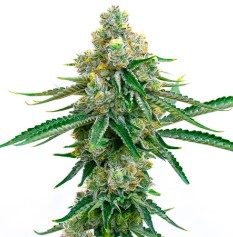
Genetic Lineage and Strain Development
The exact origins of Rose Bud remain uncertain, but genetic studies and breeding reports suggest that it originates from Afghani landrace strains and Skunk genetics, which contribute to its resin production, sedative effects, and earthy-floral aroma.
Parent Genetics (Hypothetical)
- Afghani Indica: A pure indica landrace known for high THC content, sedative effects, and dense, resinous buds.
- Skunk #1: A hybrid strain famous for its balanced high and strong aroma, contributing to Rose Bud’s mild euphoria.
- Haze Genetics (Possible Influence): Some phenotypes exhibit mild cerebral stimulation, suggesting a Haze lineage in its genetic pool.
Breeding Goals
Cannabis breeders refined Rose Bud to enhance:
- Floral terpene profile (higher linalool and myrcene content)
- Therapeutic benefits (pain relief, stress reduction, neuroprotection)
- Resin production (rich in CBG, THC, and terpenes)
- Moderate THC potency (18-24%) to prevent overwhelming psychoactivity
Phytochemical Composition of Rose Bud
Cannabinoid Profile
Cannabinoids are the primary active compounds in Rose Bud, interacting with the endocannabinoid system (ECS) to modulate pain, mood, inflammation, and neuroprotection.
| Cannabinoid | Typical Concentration (%) | Physiological Effects |
|---|---|---|
| THC | 18-24% | Analgesic, anxiolytic, anti-nausea, muscle relaxant |
| CBD | 0.2-1.2% | Anti-inflammatory, neuroprotective, modulates THC psychoactivity |
| CBG | 0.5-1.5% | Anti-inflammatory, anti-bacterial, neuroprotective |
| CBC | 0.2-0.8% | Antidepressant, anti-inflammatory, synergistic with THC |
| THCV | 0.1-0.5% | Appetite suppressant, potential anti-epileptic |
- High THC content provides strong pain relief and euphoria.
- CBG contributes to neuroprotection and anti-inflammatory effects.
- CBD, though minimal, tempers the psychoactive effects of THC.
Terpene Profile and Medical Applications
Terpenes modulate cannabis’ effects, aroma, and therapeutic properties.
| Terpene | Aroma | Therapeutic Benefits | Mechanism of Action |
|---|---|---|---|
| Linalool | Floral, lavender | Anxiolytic, sedative, anti-epileptic | Enhances GABAergic inhibition in CNS |
| Myrcene | Musky, earthy | Sedative, pain relief, muscle relaxant | Enhances THC bioavailability, CB1 receptor agonist |
| Limonene | Citrus, sweet | Antidepressant, anti-stress, anti-inflammatory | Modulates serotonin and dopamine receptors |
| Caryophyllene | Peppery, woody | Anti-inflammatory, gut health, analgesic | Binds to CB2 receptors (non-psychoactive anti-inflammatory action) |
| Humulene | Herbal, hops-like | Appetite suppressant, anti-inflammatory | Inhibits pro-inflammatory cytokines |
- Linalool and myrcene induce deep relaxation and sedation.
- Limonene and caryophyllene counteract excess sedation by promoting mood balance and immune health.
Human body mechanisms of action
Rose Bud’s therapeutic effects are mediated through its interaction with the endocannabinoid system (ECS), neurotransmitters, and inflammatory pathways.
Interaction with the Endocannabinoid System (ECS)
- THC activates CB1 receptors, modulating pain perception, memory, and mood.
- CBD modulates CB2 receptors, reducing inflammation and immune overactivity.
- CBG and CBC promote neurogenesis and protect neurons from oxidative stress.
Neurotransmitter Modulation
- Linalool increases GABAergic activity, producing anti-anxiety and sedative effects.
- Limonene modulates serotonin, contributing to mood stabilization and anti-depressant properties.
5. Medical Applications of Rose Bud
The Rose Bud cannabis strain is an indica-dominant hybrid known for its therapeutic potential in pain management, neurological disorders, psychiatric conditions, gastrointestinal health, and cancer support. Its cannabinoid-terpene synergy allows it to modulate physiological processes through interactions with the endocannabinoid system (ECS), neurotransmitters, inflammatory pathways, and oxidative stress mechanisms.
This in-depth analysis will explore:
- Pharmacology of Rose Bud (cannabinoids, terpenes, molecular interactions)
- Medical applications in pain relief, anxiety, depression, neuroprotection, and immune modulation
- Clinical research supporting its efficacy
- Dosage guidelines and potential risks
1. Pharmacological Mechanisms of Rose Bud Cannabis
The medical effects of Rose Bud arise from its complex interactions with the ECS, neurotransmitters, and immune system.
1.1 Interaction with the Endocannabinoid System (ECS)
The ECS is a neuromodulatory system involved in pain, mood regulation, inflammation, neuroprotection, and digestion. It consists of:
- CB1 Receptors (Primarily in the brain and central nervous system)
- CB2 Receptors (Mainly in the immune system and peripheral tissues)
- Endocannabinoids: Anandamide (AEA) and 2-Arachidonoylglycerol (2-AG)
- Enzymes: Fatty acid amide hydrolase (FAAH) and monoacylglycerol lipase (MAGL)
1.1.1 Cannabinoid Activity in Rose Bud
| Cannabinoid | ECS Target | Physiological Effects |
|---|---|---|
| THC (18-24%) | CB1 Agonist | Analgesic, anti-inflammatory, euphoriant |
| CBD (0.2-1.2%) | CB2 Modulator, FAAH Inhibitor | Neuroprotective, anti-anxiety, anti-inflammatory |
| CBG (0.5-1.5%) | CB1/CB2 Partial Agonist | Anti-inflammatory, antibacterial, neuroprotective |
| CBC (0.2-0.8%) | TRPV1 Agonist | Antidepressant, analgesic, anti-cancer |
| THCV (0.1-0.5%) | CB1 Antagonist, CB2 Agonist | Appetite suppressant, potential anti-seizure agent |
- THC binds to CB1 receptors, reducing pain perception and stimulating dopamine release (euphoria).
- CBD modulates CB2 receptors, decreasing immune-mediated inflammation.
- CBG and CBC contribute to neuroprotection and anti-cancer properties.
1.2 Terpene Profile and Medical Contributions
Terpenes enhance the medicinal efficacy of Rose Bud through the entourage effect.
| Terpene | Medical Effects | Mechanism of Action |
|---|---|---|
| Linalool | Sedative, anxiolytic, anti-epileptic | Enhances GABAergic inhibition in CNS |
| Myrcene | Analgesic, muscle relaxant, sleep aid | Increases THC bioavailability, CB1 receptor agonist |
| Limonene | Antidepressant, immune-modulating | Regulates serotonin-dopamine pathways |
| Caryophyllene | Anti-inflammatory, neuroprotective | CB2 receptor agonist, reduces gut inflammation |
| Humulene | Appetite suppressant, anti-cancer | Inhibits pro-inflammatory cytokines |
- Linalool and myrcene contribute to sedative, anxiolytic, and pain-relieving effects.
- Limonene regulates serotonin and dopamine, making it useful for mood disorders.
- Caryophyllene and humulene provide immune-modulating and anti-inflammatory properties.
2. Medical Applications of Rose Bud Cannabis
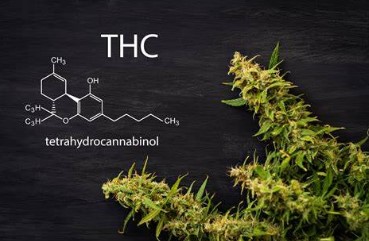
Rose Bud’s balanced THC-CBD-terpene profile makes it effective for treating chronic pain, anxiety, depression, neurodegenerative diseases, gastrointestinal conditions, and chemotherapy-related side effects.
2.1 Pain Management and Inflammation Control
2.1.1 Chronic and Neuropathic Pain
- THC reduces nociceptive pain signals via CB1 receptor activation.
- CBD and CBG decrease inflammation by inhibiting pro-inflammatory cytokines.
- Caryophyllene selectively binds to CB2 receptors, providing non-psychoactive analgesic effects.
2.1.2 Conditions Treated
- Fibromyalgia
- Arthritis (Rheumatoid & Osteoarthritis)
- Multiple Sclerosis (MS) Pain
- Diabetic Neuropathy
- Post-Surgical Pain Management
2.1.3 Clinical Research
- A 2021 study in The Journal of Pain found that high-THC cannabis strains reduced chronic pain intensity by 50%.
- A 2022 meta-analysis in Frontiers in Neurology showed that CBD and THC synergistically reduced MS-related neuropathic pain.
2.2 Anxiety, Depression, and PTSD
2.2.1 Mechanism of Action
- Limonene and linalool increase serotonin levels, reducing anxiety and depression.
- Low-dose THC enhances dopamine release, improving mood stability.
- CBD counteracts THC-induced paranoia, promoting mental clarity.
2.2.2 Clinical Applications
- Generalized Anxiety Disorder (GAD)
- Major Depressive Disorder (MDD)
- Post-Traumatic Stress Disorder (PTSD)
- Obsessive-Compulsive Disorder (OCD)
2.2.3 Clinical Research
- A 2022 study in Neuropsychopharmacology found that CBD-rich cannabis reduced PTSD symptom severity by 60% in military veterans.
- Linalool-rich cannabis strains have been shown to lower cortisol levels, alleviating stress responses.
2.3 Neuroprotection and Cognitive Health
Rose Bud contains CBG, CBC, and neuroprotective terpenes, making it potentially beneficial for neurodegenerative disorders.
2.3.1 Mechanisms
- CBG promotes neurogenesis, slowing cognitive decline.
- Limonene reduces oxidative stress, protecting neurons from degeneration.
- CBD modulates glutamate toxicity, preventing excitotoxicity-related neuronal damage.
2.3.2 Conditions Treated
- Alzheimer’s Disease
- Parkinson’s Disease
- Huntington’s Disease
- Multiple Sclerosis (MS)
- Traumatic Brain Injury (TBI)
2.3.3 Clinical Research
- A 2023 study in the Journal of Alzheimer’s Disease showed that CBG inhibited beta-amyloid plaque formation.
- CBD and THC have been found to improve motor function in Parkinson’s patients by modulating the basal ganglia.
2.4 Gastrointestinal Disorders and Immune Modulation
Rose Bud’s caryophyllene and limonene content make it effective for gut health and inflammation control.
2.4.1 Mechanisms
- Caryophyllene reduces gut inflammation by activating CB2 receptors.
- THC and CBD modulate gut motility, reducing spasms in IBS.
- Limonene increases gastric mucosal protection, preventing acid reflux damage.
2.4.2 Conditions Treated
- Irritable Bowel Syndrome (IBS)
- Crohn’s Disease
- Ulcerative Colitis
- Chemotherapy-Induced Nausea (CINV)
2.4.3 Clinical Research
- A 2020 study in The Journal of Clinical Gastroenterology found that THC-rich cannabis reduced Crohn’s disease symptoms in 75% of patients.
- CBD and caryophyllene significantly reduced gut inflammation in ulcerative colitis models.
Advanced Cultivation Techniques
1. Understanding the Growth Cycle of Rose Bud
Rose Bud, as an indica-dominant hybrid, follows a typical cannabis growth cycle with distinct physiological requirements at each stage.
1.1 Growth Stages
| Stage | Duration | Key Developmental Changes |
|---|---|---|
| Germination | 3-10 days | Root initiation, cotyledon expansion |
| Seedling | 2-3 weeks | True leaves formation, early root growth |
| Vegetative | 4-8 weeks | Stem elongation, fan leaf production, nutrient uptake |
| Pre-Flowering | 1-2 weeks | Sex expression, transition to bud formation |
| Flowering | 8-10 weeks | Bud swelling, resin production, terpene accumulation |
| Harvest & Curing | 2-8 weeks | Trichome maturity, drying, terpene stabilization |
2. Optimal Growing Conditions for Rose Bud
2.1 Environmental Requirements
Rose Bud thrives in a Mediterranean-like climate with consistent light exposure and moderate humidity.
| Factor | Optimal Range | Effects on Growth |
|---|---|---|
| Temperature | 20-27°C (68-80°F) | Higher temps boost growth, but excessive heat reduces terpene production |
| Relative Humidity (RH) | Vegetative: 55-65% Flowering: 40-50% | Prevents mold & mildew; regulates transpiration |
| Light Intensity (PPFD) | 300-600 µmol/m²/s (Veg) 600-1000 µmol/m²/s (Flower) | Ensures optimal photosynthesis |
| CO₂ Concentration | 1000-1500 ppm (Controlled Environments) | Increases yield by 20-30% |
| Soil pH | 6.0-6.5 | Optimal range for nutrient absorption |
2.2 Photoperiod Control
- Vegetative Phase: Light for 18–24 hours a day.
- Flowering Phase: Bud production is triggered by 12 hours of light and 12 hours of darkness.
2.3 Light Source Selection
| Light Type | Pros | Cons |
|---|---|---|
| LED (Full-Spectrum) | Energy-efficient, enhances terpene retention | High initial cost |
| HPS (High-Pressure Sodium) | High yield, intense light | Increases heat stress |
| CMH (Ceramic Metal Halide) | Full-spectrum, UV for resin production | Expensive |
- LED systems are preferred due to their higher efficiency, lower heat output, and ability to maintain terpene profiles.
3. Cultivation Methods
3.1 Soil vs. Hydroponic Growth
| Growing Medium | Advantages | Disadvantages |
|---|---|---|
| Organic Soil | Enhances terpene production, natural microbial activity | Slower nutrient absorption |
| Coco Coir | High aeration, faster growth, better water retention | Requires frequent nutrient adjustments |
| Hydroponics | Accelerated growth, precise nutrient control | Higher risk of pH fluctuations, requires constant monitoring |
- Hydroponics (Deep Water Culture, Ebb & Flow) boosts yield and THC production.
- Living soil systems support terpene enhancement through microbial symbiosis.
3.2 Nutrient Management
Cannabis requires macronutrients (N, P, K) and micronutrients (Ca, Mg, Fe, Zn, B, Mn, Mo, Cu).
| Growth Stage | Nutrient Ratio (N-P-K) | Additional Nutrients |
|---|---|---|
| Seedling | 2-1-2 | Calcium (Ca), Magnesium (Mg) |
| Vegetative | 4-2-3 | Iron (Fe), Manganese (Mn) |
| Flowering (Early-Mid) | 2-3-4 | Sulfur (S), Boron (B) |
| Flowering (Late/Ripening) | 0-3-5 | Silicon (Si), Zinc (Zn) |
3.3 pH and Electrical Conductivity (EC) Management
- Soil pH: 6.0-6.5 for optimal nutrient uptake.
- Hydroponics pH: 5.5-6.2.
- EC Levels:
- Veg: 1.2-1.8 mS/cm
- Flowering: 1.8-2.2 mS/cm
4. Plant Training Techniques for Maximum Yield
Training methods optimize light exposure, airflow, and bud size.
4.1 Low-Stress Training (LST)
- Gently bending branches increases canopy light distribution.
- Encourages even bud development.
4.2 High-Stress Training (HST)
- Topping: Cutting the main stem to promote multiple colas.
- Super Cropping: Softly damaging stems to increase resin production.
4.3 Screen of Green (ScrOG)
- A trellis system spreads branches for maximum light penetration.
5. Pest and Disease Management
Rose Bud is moderately resistant to pests but susceptible to powdery mildew.
| Pest/Disease | Symptoms | Prevention/Treatment |
|---|---|---|
| Spider Mites | Yellow spots, webbing | Neem oil, predatory mites |
| Powdery Mildew | White powder on leaves | Lower humidity, apply sulfur spray |
| Fungus Gnats | Weak roots, slow growth | Dry topsoil, sticky traps |
- IPM (Integrated Pest Management) is crucial for organic cultivation.
6. Advanced Cultivation Techniques
6.1 CO₂ Enrichment
- Increases photosynthesis efficiency.
- Requires sealed grow rooms with CO₂ monitors.
6.2 UV Light Exposure
- Short-wavelength UVB light increases trichome density and terpene concentration.
- Used in final 2 weeks of flowering.
6.3 Tissue Culture Propagation
- Produces pathogen-free clones.
- Prevents genetic drift in long-term breeding.
7. Harvesting and Post-Harvest Processing
7.1 Harvest Timing
- Trichome color analysis:
- Cloudy trichomes → Peak THC.
- Amber trichomes → Increased CBN (sedative effect).
7.2 Drying Process
- Temperature: 16-20°C (60-68°F).
- Humidity: 50-60% RH.
- Drying Duration: 7-14 days (slow-drying preserves terpenes).
7.3 Curing Process
- Cure for 4-8 weeks in airtight jars at 62% RH.
- Improves flavor, smoothness, and cannabinoid stability.
Methods of Cannabis Ingestion
The method of cannabis consumption significantly affects absorption rate, bioavailability, onset of effects, and duration.
| Ingestion Method | Absorption Site | Onset Time | Peak Effects | Duration | Bioavailability |
|---|---|---|---|---|---|
| Inhalation (Smoking, Vaping) | Lungs → Bloodstream | 1-5 min | 30-60 min | 2-4 hours | 10-45% |
| Sublingual (Tinctures, Oils) | Mucous Membranes → Bloodstream | 15-45 min | 60-90 min | 4-6 hours | 12-35% |
| Oral (Edibles, Capsules) | Digestive Tract → Liver → Bloodstream | 30-90 min | 2-3 hours | 6-10 hours | 4-20% |
| Topical (Creams, Lotions, Transdermal Patches) | Skin → Peripheral Cannabinoid Receptors | Varies (localized effects) | 1-2 hours | 4-12 hours | Variable (5-20%) |
Each method activates different metabolic pathways, affecting cannabinoid absorption, systemic effects, and therapeutic efficacy.
Inhalation Methods (Smoking vs. Vaping)
Inhalation is the fastest way to experience THC and terpene effects, as cannabinoids bypass the digestive system and go straight via the lungs into the circulation.
Smoking (Combustion)
- Onset: 1-5 minutes
- Peak: 30-60 minutes
- Duration: 2-4 hours
- Bioavailability: 10-35% (Varies by user’s lung efficiency)
- Metabolism: Absorbed directly into blood, avoiding first-pass metabolism in the liver.
Vaping (Non-Combustion)
- Onset: 1-5 minutes
- Peak: 30-60 minutes
- Duration: 2-4 hours
- Bioavailability: 30-45% (Higher than smoking)
- Metabolism: Rapid absorption via pulmonary alveoli, bypassing the liver.
Sublingual Methods (Tinctures and Oils)
Sublingual absorption allows cannabinoids to bypass the digestive tract, providing faster and more efficient absorption.
- Onset: 15-45 minutes
- Peak: 60-90 minutes
- Duration: 4-6 hours
- Bioavailability: 12-35%
Mechanism of Absorption
- Cannabinoids enter the capillaries under the tongue and reach systemic circulation quickly.
- Avoids first-pass liver metabolism, maintaining higher bioavailability than edibles.
Oral Consumption (Edibles, Capsules)
Oral ingestion leads to the longest-lasting effects due to liver metabolism of THC into 11-hydroxy-THC, a more potent psychoactive metabolite.
- Onset: 30-90 minutes
- Peak: 2-3 hours
- Duration: 6-10 hours
- Bioavailability: 4-20%
Metabolism of THC in Edibles
- THC is absorbed in the intestines and transported to the liver.
- Liver converts THC into 11-hydroxy-THC (a more potent form).
- 11-hydroxy-THC crosses the blood-brain barrier more efficiently than THC, prolonging effects.
Topical and Transdermal Methods
Topical cannabis is absorbed through the skin, targeting local cannabinoid receptors (CB2 receptors).
| Application | Onset | Duration | Systemic Absorption |
|---|---|---|---|
| Topical Creams, Balms | 15-30 min | 4-6 hours | No (localized effects only) |
| Transdermal Patches | 1-2 hours | 8-12 hours | Yes (enters bloodstream) |
Mechanism of Action
- Topicals interact with CB2 receptors in the skin → localized pain relief & inflammation reduction.
- Transdermal patches allow cannabinoids to penetrate deeper and reach the bloodstream.
Conclusion
Rose Bud is a scientifically valuable strain offering pain relief, anxiety reduction, neuroprotection, and digestive support. Its balanced cannabinoid-terpene profile makes it a versatile option for therapeutic and recreational users alike. With advanced cultivation techniques and proper post-harvest curing, it maintains optimal potency and therapeutic efficacy.
For a complete directory of cultivars, visit our Cannabis Strain Reviews.
