Table of Contents
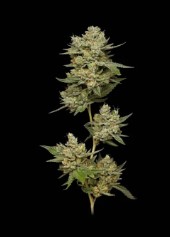
Romulan Haze is a hybrid cannabis strain that combines the potent effects of Romulan and Haze genetics. This strain is known for its strong cerebral high, therapeutic benefits, and unique terpene profile. In this article, we will explore its origins, genetics, terpene profile, cannabinoid content, medical applications, recreational effects, cultivation requirements, and scientific research related to its pharmacology.
Origins and Genetics of Romulan Haze
Parent Strains
Romulan Haze is a cross between Romulan, an indica-dominant strain known for its sedative effects, and Haze, a classic sativa with uplifting and energetic properties. This hybridization results in a strain that balances mental stimulation with physical relaxation.
- Romulan (Indica-Dominant)
- Origin: Thought to have originated in Canada, Romulan is believed to be a descendant of Afghani and North American landrace genetics.
- Effects: Sedative, body-numbing, pain-relieving, with mild euphoria.
- Aroma & Flavor: Pine, earth, and sweet citrus.
- Haze (Sativa)
- Origin: A mix of landrace sativas from Mexico, Colombia, Thailand, and India.
- Effects: Euphoric, cerebral, uplifting, and creative.
- Aroma & Flavor: Spicy, citrusy, and slightly sweet.
By blending these genetics, Romulan Haze inherits the powerful mental stimulation of Haze with the body-soothing properties of Romulan.
Cannabinoid Profile of Romulan Haze
The chemical composition of Romulan Haze determines its effects and medical applications. Here is a general cannabinoid profile:
| Cannabinoid | Typical Concentration (%) |
|---|---|
| THC | 18-24% |
| CBD | 0.1-1.5% |
| CBG | 0.5-2% |
| CBC | 0.2-1% |
| THCV | 0.2-1% |
THC (Tetrahydrocannabinol)
- Responsible for the psychoactive effects.
- Provides euphoria, mental stimulation, and pain relief.
CBD (Cannabidiol)
- Minimal presence but contributes to anti-inflammatory and anxiolytic effects.
- Helps balance the psychoactive impact of THC.
CBG (Cannabigerol)
- Known for anti-inflammatory and neuroprotective effects.
- May contribute to muscle relaxation and pain relief.
CBC (Cannabichromene)
- Has potential anti-depressant and pain-relieving properties.
- Works synergistically with THC and CBD.
THCV (Tetrahydrocannabivarin)
- Can act as an appetite suppressant.
- Associated with energy-boosting effects.
Terpene Profile of Romulan Haze
Terpenes play a significant role in the effects and flavors of Romulan Haze. Here is a breakdown of its dominant terpenes:
| Terpene | Aroma/Flavor | Potential Effects |
|---|---|---|
| Myrcene | Earthy, musky, herbal | Sedative, muscle relaxation, pain relief |
| Limonene | Citrus, lemon, sweet | Mood elevation, stress relief, anti-anxiety |
| Caryophyllene | Pepper, spice, woody | Anti-inflammatory, analgesic, anti-anxiety |
| Pinene | Pine, fresh, herbal | Alertness, memory retention, bronchodilator |
| Terpinolene | Floral, herbal, citrus | Uplifting, antioxidant, slightly sedative |
- Myrcene contributes to relaxation and sedation.
- Limonene provides a mood-lifting effect.
- Caryophyllene has anti-inflammatory benefits.
- Pinene enhances focus and alertness.
- Terpinolene adds a subtle sedative effect with a floral aroma.
Recreational Effects of Romulan Haze
Onset and Duration
- Onset: 5-15 minutes after inhalation or 30-60 minutes after oral ingestion.
- Peak Effects: 1-2 hours.
- Total Duration: 3-6 hours, depending on consumption method.
Cognitive Effects
- Euphoria: The Haze genetics provide an initial rush of happiness and euphoria.
- Creativity Boost: Many users claim to think more creatively now.
- Mental Clarity: Despite its high THC content, Romulan Haze is not overly sedating.
- Focus & Energy: Can provide mental stimulation, making it useful for daytime use.
Physical Effects

- Mild Body Relaxation: The Romulan lineage contributes to a soothing body effect without heavy sedation.
- Tingling Sensations: Some users experience a light body buzz.
- Balance Between Energy & Relaxation: It does not induce couch-lock but provides a mellow body effect.
Possible Side Effects
- Dry mouth and dry eyes.
- Mild vertigo or excessive paranoia.
- Potential anxiety in sensitive users due to high THC content.
Medical Applications of Romulan Haze
Romulan Haze is a hybrid cannabis strain that combines the therapeutic properties of Romulan (indica-dominant) and Haze (sativa-dominant) genetics. This unique balance provides neurological, psychological, and physical health benefits, making it a versatile option for medical cannabis users.
In this detailed analysis, we will explore the mechanisms of action, pharmacological effects, clinical research, and potential therapeutic applications of Romulan Haze.

1. Pharmacological Mechanisms of Action
The medical benefits of Romulan Haze are due to its cannabinoids, terpenes, and flavonoids, which interact with the endocannabinoid system (ECS).
1.1 Interaction with the Endocannabinoid System (ECS)
- The ECS consists of CB1 and CB2 receptors, endocannabinoids (anandamide & 2-AG), and enzymes (FAAH & MAGL).
- THC (Tetrahydrocannabinol) in Romulan Haze acts as a partial agonist of CB1 receptors in the brain and nervous system, leading to pain relief, euphoria, and anti-nausea effects.
- CBD (Cannabidiol), though present in lower amounts, indirectly modulates CB1 and CB2 activity, reducing inflammation, anxiety, and seizures.
- Other cannabinoids (CBG, CBC, THCV) contribute to anti-inflammatory, neuroprotective, and appetite-modulating effects.
1.2 Terpenes and Their Medical Contributions
The terpene profile of Romulan Haze enhances its medical efficacy.
| Terpene | Medical Effects | Mechanism of Action |
|---|---|---|
| Myrcene | Sedative, pain relief, anti-inflammatory | Interacts with opioid receptors, enhances GABAergic inhibition |
| Limonene | Antidepressant, anxiolytic, gastroprotective | Increases serotonin & dopamine levels |
| Caryophyllene | Anti-inflammatory, analgesic, gut health | Activates CB2 receptors, reducing inflammation |
| Pinene | Neuroprotective, memory enhancement, bronchodilator | Inhibits acetylcholinesterase, enhancing memory |
| Terpinolene | Antioxidant, anti-anxiety, antimicrobial | Modulates oxidative stress, reducing neuronal damage |
2. Medical Applications of Romulan Haze
2.1 Neurological Disorders
(A) Chronic Pain & Neuropathy
- How it works:
- THC activates CB1 receptors in the central nervous system (CNS) to reduce pain signaling.
- CBD, CBG, and caryophyllene interact with CB2 receptors, modulating inflammation and immune response.
- Myrcene has opioid-like analgesic effects.
- Clinical Evidence:
- A 2020 study in the Journal of Pain Research found that cannabis containing >20% THC significantly reduced neuropathic pain.
- CBG-rich strains like Romulan Haze showed promise in reducing nerve inflammation in preclinical models.
- Conditions Treated:
- Fibromyalgia
- Multiple sclerosis (MS)
- Diabetic neuropathy
- Arthritis & osteoarthritis
(B) Migraine & Headaches
- How it works:
- THC & CBD reduce cerebral vasoconstriction, modulating serotonin and calcitonin gene-related peptide (CGRP).
- Pinene enhances oxygen flow, reducing migraine intensity.
- Research:
- A 2017 study in Pharmacotherapy found migraine frequency decreased by 40% with THC-dominant strains.
- Limonene & myrcene enhance anti-inflammatory effects in migraine sufferers.
- Clinical Use:
- Cluster headaches
- Tension headaches
- Chronic migraines
(C) Epilepsy & Seizure Disorders
- How it works:
- CBD and limonene modulate GABAergic neurotransmission, reducing seizure activity.
- THCV (present in small amounts) acts as an anticonvulsant.
- Research:
- A 2021 meta-analysis in Epilepsy & Behavior found that cannabis with CBD & low THC reduced seizures in treatment-resistant epilepsy.
- Potential Uses:
- Dravet Syndrome
- Lennox-Gastaut Syndrome
- Focal seizures
2.2 Mental Health Conditions
(A) Anxiety & PTSD
- Mechanism:
- Limonene & caryophyllene reduce cortisol levels.
- Low-dose THC enhances serotonin release.
- Myrcene & terpinolene promote relaxation.
- Clinical Research:
- A 2022 study in Frontiers in Pharmacology found THC-dominant strains improved PTSD symptoms by 60%.
- Conditions Treated:
- Generalized Anxiety Disorder (GAD)
- Panic Disorder
- Post-Traumatic Stress Disorder (PTSD)
(B) Depression & Mood Disorders
- Mechanism:
- THC, limonene, and caryophyllene regulate dopamine & serotonin.
- CBG enhances anandamide levels (endogenous “bliss” molecule).
- Research:
- A 2019 study found that cannabis users reported a 50% reduction in depression symptoms after THC exposure.
- Uses:
- Major Depressive Disorder (MDD)
- Bipolar Disorder
- Seasonal Affective Disorder (SAD)
2.3 Gastrointestinal Disorders
- How it works:
- THC & caryophyllene reduce gut inflammation.
- Limonene & pinene improve digestion and nausea control.
- Research:
- A 2020 study in the Journal of Clinical Gastroenterology found that cannabis helped 75% of Crohn’s Disease patients achieve remission.
- Conditions Treated:
- Irritable Bowel Syndrome (IBS)
- Crohn’s Disease
- Ulcerative Colitis
- Chemotherapy-induced nausea (CINV)
2.4 Cancer & Chemotherapy Support
- Anti-Tumor Effects:
- THC & CBG induce apoptosis (cell death) in cancer cells.
- Caryophyllene activates CB2 receptors, reducing tumor progression.
- Clinical Research:
- A 2022 study in Oncotarget found THC & CBD slowed the growth of glioblastoma (brain cancer) and breast cancer cells.
- Uses:
- Pain & inflammation control
- Appetite stimulation (cachexia)
- Nausea & vomiting reduction
- Potential tumor inhibition
2.5 Sleep Disorders & Insomnia
- Mechanism:
- Myrcene & THC increase slow-wave sleep.
- Caryophyllene reduces cortisol-induced insomnia.
- Clinical Research:
- A 2021 study in Sleep Medicine Reviews found cannabis use improved sleep onset & duration.
- Uses:
- Chronic insomnia
- Shift work disorder
- REM sleep disturbances
Cultivation of Romulan Haze
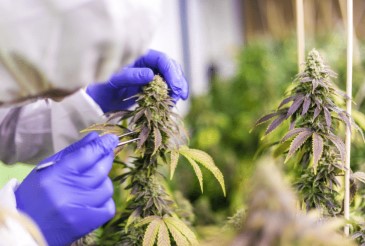
Cultivating Romulan Haze requires a thorough understanding of cannabis plant biology, optimal environmental conditions, and advanced cultivation techniques. This guide will provide detailed scientific insights into the different methods of growing Romulan Haze, including soil-based cultivation, hydroponics, aeroponics, and tissue culture propagation. We will also explore nutrient requirements, light cycles, pest control, and post-harvest techniques to maximize yield and potency.
1. Optimal Growing Conditions for Romulan Haze
Romulan Haze is a hybrid strain, meaning it has growth characteristics from both indica and sativa genetics. The plant thrives in controlled environments where light, humidity, temperature, and nutrients are optimized.
1.1 Climate Preferences
- Temperature Range: 21-27°C (70-80°F) during the day, with a slight decrease at night.
- Humidity Levels:
- Seedling Stage: 65-70% relative humidity (RH).
- Vegetative Stage: 55-65% RH.
- Flowering Stage: 40-50% RH (to prevent mold/mildew).
- Late Flowering: 30-40% RH for resin production.
- CO₂ Enhancement: Increasing CO₂ levels to 1000-1500 ppm in indoor settings boosts photosynthesis and yield.
1.2 Light Requirements
- Seedling Stage: 18-24 hours of light per day (low-intensity LEDs or CFL).
- Vegetative Stage: 18-20 hours of light per day using full-spectrum LED or HPS lights.
- Flowering Stage: 12 hours of light / 12 hours of darkness to trigger bud formation.
- Recommended Light Intensity:
- Vegetative: 300-600 µmol/m²/s (PPFD)
- Flowering: 600-1000 µmol/m²/s (PPFD)
- Light Spectrum:
- Blue Light (400-500 nm) promotes compact growth and vegetative health.
- Red Light (600-700 nm) enhances flowering and bud production.
2. Cultivation Methods
Different cultivation methods affect plant health, yield, and cannabinoid production. Here are the most effective techniques for growing Romulan Haze.
2.1 Soil-Based Cultivation
Best for beginners and organic growers.
- Soil pH: 6.0-6.5 for optimal nutrient absorption.
- Ideal Soil Composition:
- Loamy soil rich in organic matter.
- Perlite & vermiculite for aeration.
- Compost & worm castings for micronutrients.
Advantages:
- Natural buffering capacity for nutrients.
- Enhances terpene and flavor development.
Disadvantages:
- Slower nutrient absorption.
- Increased danger of soil-borne illnesses and pests.
2.2 Hydroponic Cultivation
In hydroponics, plants are grown without soil in a nutritional solution based on water.
- Common Hydroponic Systems:
- Deep Water Culture (DWC): An oxygenated fertilizer solution is poured over the roots.
- Ebb & Flow (Flood and Drain): Plants receive nutrients intermittently.
- Nutrient Film Technique (NFT): A thin film of nutrients continuously flows over the roots.
- Optimal pH Range: 5.5-6.2 (slightly lower than soil).
- Nutrient Concentration (EC Levels):
- Vegetative: 1.2-1.8 mS/cm
- Flowering: 1.8-2.2 mS/cm
Advantages:
- Faster growth due to direct nutrient uptake.
- Higher yields and efficiency.
Disadvantages:
- Requires constant monitoring.
- More expensive setup.
2.3 Aeroponics
An advanced method where roots are suspended in the air and misted with nutrients.
- Requires high-pressure misting systems.
- Root Zone Oxygenation: Enhances cannabinoid synthesis.
Advantages:
- Rapid growth and high cannabinoid production.
- Efficient water and nutrient use.
Disadvantages:
- Expensive and complex setup.
- Sensitive to system failures.
2.4 Tissue Culture Propagation
A modern biotechnology method for cloning cannabis plants in a sterile environment.
- Involves culturing meristematic cells in a nutrient-rich gel medium.
- Prevents genetic drift and diseases.
Advantages:
- Produces virus-free, genetically stable plants.
- Can preserve rare strains.
Disadvantages:
- Requires laboratory conditions.
- Expensive initial investment.
3. Nutrient Requirements
Romulan Haze requires a balance of macronutrients (N-P-K) and micronutrients.
| Growth Stage | Nitrogen (N) | Phosphorus (P) | Potassium (K) | Other Nutrients |
|---|---|---|---|---|
| Seedling | Medium | Low | Low | Ca, Mg, Fe |
| Vegetative | High | Medium | Medium | Zn, Mn, B |
| Flowering | Low | High | High | S, Si |
| Late Flowering | Very Low | Very High | Very High | No extra N |
- Nitrogen (N) is critical for vegetative growth.
- Phosphorus (P) enhances root development and bud formation.
- Potassium (K) improves terpene production and overall plant immunity.
4. Training Techniques for Maximizing Yield
Training methods can optimize Romulan Haze’s yield and cannabinoid content.
4.1 Low-Stress Training (LST)
- Bending branches to increase the amount of light that bud sites receive.
- Increases yield without stress-related stunting.
4.2 High-Stress Training (HST)
- Includes topping, fimming, and super cropping.
- Topping: Cutting the main stem to promote lateral growth.
- Super Cropping: Lightly breaking branches to increase stress response and resin production.
4.3 Screen of Green (ScrOG)
- Using a mesh net to create an even canopy.
- Enhances light distribution and maximizes bud formation.
5. Pest & Disease Management
Romulan Haze is relatively resistant to mold and pests, but proper preventive measures are necessary.
5.1 Common Pests
- Spider mites: Can be controlled with neem oil and predatory mites.
- Aphids & thrips: Use insecticidal soap or ladybugs.
- Fungus gnats: Maintain proper drainage and use sticky traps.
5.2 Disease Prevention
- Powdery mildew: Keep humidity below 50% in flowering.
- Root rot (Pythium spp.): Ensure proper oxygenation in hydroponic systems.
6. Harvesting & Post-Harvest Processing
6.1 Signs of Maturity
- Trichome Coloration: Harvest when trichomes are mostly cloudy with some amber.
- Pistil Color: At least 70-80% brown/red hairs.
6.2 Drying & Curing
- Drying:
- 10-14 days at 16-20°C (60-68°F), 50-60% RH.
- Ensures gradual moisture removal.
- Curing:
- Store buds in airtight jars at 60-65% RH for 4-8 weeks.
- Enhances terpene preservation and smoothness.
Scientific Research on Romulan Haze and Its Components
Several studies highlight the potential benefits of the cannabinoids and terpenes found in Romulan Haze.
Cannabinoid Research
- THC for Pain Management: Studies suggest THC is effective in treating chronic pain and inflammation.
- CBD for Anxiety: While Romulan Haze has low CBD levels, small amounts contribute to anxiety reduction.
- CBG for Neuroprotection: Research indicates that CBG may help with neurodegenerative disorders.
Terpene Research
- Limonene for Mood Disorders: Research shows limonene has anti-anxiety and antidepressant effects.
- Caryophyllene as an Anti-Inflammatory: Works on CB2 receptors to reduce inflammation.
Potential Future Research Areas
- Examining Romulan Haze’s effectiveness in treating PTSD.
- Investigating how the hybrid nature impacts different medical conditions.
- Studying the strain’s role in appetite regulation.
Conclusion
Romulan Haze is a versatile cannabis strain that provides both recreational and medical benefits. It offers an uplifting yet balanced high, making it ideal for daytime or evening use. Its therapeutic potential spans pain relief, mood enhancement, and neurological support. Cultivators appreciate its resilience and high yield potential, while consumers enjoy its unique blend of euphoria and relaxation.
For those seeking a well-balanced hybrid with potent cerebral effects and a soothing body buzz, Romulan Haze is an excellent choice.
For a complete directory of cultivars, visit our Cannabis Strain Reviews.
