Table of Contents
Rolling Paper
Introduction to Rolling Papers: History and Evolution

Rolling papers have long been integral to the culture of smoking, commonly used for rolling cigarettes and cannabis joints. This document delves into the origins, historical development, and modern adaptations of rolling papers, highlighting their evolution through time.
1. Origins
The earliest known use of rolling papers dates back to the early 16th century in Spain, with the first commercial production recorded in Alcoy, Spain, around 1660, credited to the entrepreneurial Lloris family. Initially crafted from scrap paper from the Spanish Armada, these thin sheets marked the beginning of rolling papers as a commercial entity.
2. Historical Development
Over the centuries, rolling papers have seen significant changes:
- Material Shifts: Originally made from basic wood pulp, the introduction of materials like rice straw, hemp, and flax allowed for variations in burn rates and appearances.
- Industrial Advancements: The 19th century’s industrial advancements greatly increased the production efficiency of rolling papers with the introduction of specialized machinery for cutting and packaging.
- Innovative Varieties: The 20th century introduced flavored and colored rolling papers, broadening their appeal and enhancing the smoking experience.
3. Cultural Significance
Beyond functionality, rolling papers have played an important role in the cultural and social realms:
- Icons of Rebellion: During the 1960s and 1970s, rolling one’s own cigarettes was often seen as a symbol of rebellion and personal freedom.
- Personalization and Style: The ability to choose from various materials and designs allowed smokers to express individuality through their choice of rolling papers.
4. Contemporary Trends
The 21st century has seen further evolution in rolling papers in response to changing consumer tastes:
- Health-Conscious Choices: The demand for organic and natural products is on the rise, prompting manufacturers to produce rolling papers crafted from organic hemp and materials that are unbleached.
- Sustainability Focus: Modern production processes are increasingly environmentally friendly, emphasizing the use of renewable resources and minimizing chemical use.
5. Conclusion
The rich history and ongoing evolution of rolling papers from a basic smoking necessity to a culturally significant item illustrate their adaptability and enduring popularity. Today, they continue to evolve, merging traditional practices with contemporary preferences and technologies, thus securing their relevance in the future of smoking culture. Rolling papers not only accommodate shifts in smoking habits and environmental concerns but also mirror broader societal changes, making them a compelling topic in both cultural and business contexts.
Types of Rolling Papers: From Rice to Hemp
Rolling papers, crucial for manually rolling cigarettes and cannabis joints, are made from diverse materials, each presenting distinct traits and benefits. This document delves into the various types of rolling papers available from the classic wood pulp to the eco-friendly hemp and examines their unique advantages and applications within the smoking community.
1. Wood Pulp Rolling Papers
One of the most established and traditional types, wood pulp rolling papers are crafted from a mixture of softwood and hardwood, similar to ordinary writing paper.
- Characteristics: These papers are known for burning relatively quickly, which may not suit those who prefer a leisurely smoke. Their thickness and durability make them particularly user-friendly for novices.
- Advantages: Familiarity and ease of use are key benefits of wood pulp papers. They are also readily available and generally more cost-effective.
2. Rice Rolling Papers
Produced from processed rice and various additives to enhance consistency and burn rate, rice rolling papers are celebrated for their slow-burning quality and extreme thinness.
- Characteristics: Notably thin and almost see-through, rice papers burn slower than wood pulp papers, ensuring a smooth smoking session without altering the taste of the tobacco or cannabis.
- Advantages: The sheer thinness of rice papers provides a subtle smoking experience, minimizing the paper’s flavor interference, which is favored by experienced smokers focused on taste and burn rate.
3. Hemp Rolling Papers
In light of growing environmental consciousness, hemp rolling papers have become increasingly popular. These papers are made from hemp fibers and represent a sustainable choice over wood pulp.
- Characteristics: Hemp papers strike a balance between thickness and natural flavor, being sturdier than rice papers but thinner than wood pulp, and they burn slowly and consistently.
- Advantages: Hemp rolling papers are environmentally friendly, sourced from renewable resources, and they impart a mild herbal flavor that can enhance the natural taste of cannabis.
4. Flax Rolling Papers

Constructed from flax fibers, these papers are valued for their strength and premium burning qualities.
- Characteristics: Similar to hemp in their burning properties, flax papers provide a clean and even burn. They are robust yet flexible, which facilitates easier rolling without tearing.
- Advantages: The durability of flax rolling papers makes them ideal for beginners and those who prefer a more substantial paper.
5. Specialty and Flavored Rolling Papers
Beyond basic types, the market also offers specialty rolling papers that include flavored options and those with unique features like custom prints or ultra-thin designs.
- Characteristics: Flavored rolling papers are infused with tastes ranging from sweet and fruity to cool mint, enhancing the sensory pleasure of smoking.
- Advantages: Specialty papers meet individual preferences and can greatly personalize and enhance the smoking experience.
Conclusion
The selection of rolling paper significantly influences the smoking experience, affecting everything from the burn rate to the overall flavor and environmental impact. With an array of materials ranging from classic wood pulp to eco-friendly hemp, smokers have the flexibility to select based on their personal preferences, smoking habits, and environmental awareness. As the market for rolling papers evolves, the array of options is expected to grow, providing smokers with increasingly customized ways to enjoy their experience.
Size and Shape Variations: Choosing the Right Paper for You
Choosing the correct rolling paper is essential for enhancing the smoking experience. This document delves into the various sizes and shapes of rolling papers that are currently available, offering insights on how to select the most suitable type based on individual preferences and smoking habits.
1. Overview of Size and Shape Variations
Rolling papers are offered in an array of sizes and shapes, designed to cater to different smoking preferences. The size and shape of the paper chosen can significantly influence the ease of rolling, burn rate, and overall intensity of the smoke.
2. Standard Sizes of Rolling Papers
- Single Wide: These are the traditional, most frequently used rolling papers, about 70mm long and 34-36mm wide. They are perfect for solo smokers who prefer quick and small rolls.
- 1 ¼ Size: A bit larger than single wides, measuring approximately 78mm by 45-48mm, these papers hold about 25% more product and are ideal for those who prefer a slightly larger smoke.
- 1 ½ Size: These are similar in length to 1 ¼ papers but are wider, allowing for a thicker roll, preferred by those who like a heftier smoke in a compact form.
- Double Wide: These are considerably wider, suitable for more substantial amounts. However, they may lead to faster burns and potential material wastage if not adequately packed.
- King Size: Typically 100-110mm long, king-size papers are best for longer smoking sessions or group sharing, offering extended enjoyment.
3. Specialty Shapes and Innovations
Rolling papers are also available in unique shapes and with additional functionalities:
- Pre-Rolled Cones: These come ready-shaped into cones and need only to be filled, not rolled, making them ideal for those seeking ease of use.
- Flavored Papers: These papers are treated with various flavors like fruit or mint, adding an extra layer of enjoyment to the smoking experience.
4. Considerations for Choosing Rolling Papers
Selecting the right rolling papers involves several considerations:
- Material: The choice of material (hemp, rice, or wood pulp) will impact the flavor and burn rate. Choose a material that complements your smoking style.
- Thickness: Thinner papers generally offer slower, more even burns, providing a cleaner taste of the smoke, while thicker papers are easier for rolling.
- Burn Rate: Decide if you prefer a slow-burning paper for longer sessions or a fast-burning one for quick uses.
- Smoking Preferences: Consider whether you typically smoke alone or with others, and whether convenience or the enjoyment of rolling is more important.
5. Conclusion
With the wide range of rolling papers available, smokers can find precisely what they need to suit their preferences. By understanding the different dimensions and features of rolling papers, smokers can make educated choices that enhance their experience, ensuring each session is enjoyable and tailored to their specific smoking habits.
Flavor Infused Papers: Enhancing the Smoking Experience
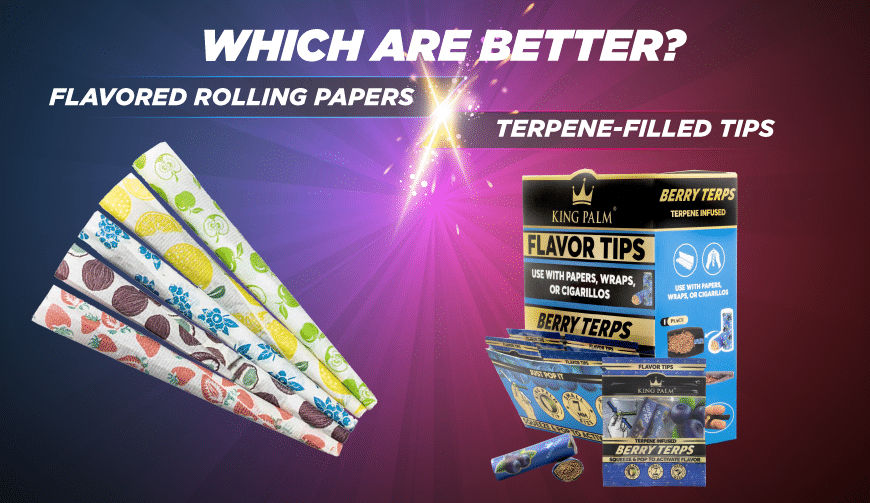
Flavor-infused rolling papers have emerged as an innovative solution in the smoking industry, designed to enrich the sensory enjoyment of smoking by incorporating a variety of flavors into the experience. This document delves into the concept of flavor-infused papers, their increasing popularity, and their impact on both novice and experienced smokers.
1. Introduction to Flavor-Infused Rolling Papers
Flavor-infused rolling papers are crafted to enhance the natural flavors of tobacco, cannabis, or other herbs in hand-rolled cigarettes or joints. These papers are impregnated with either natural or artificial flavors, offering everything from sweet and tangy to cool and refreshing notes, thereby personalizing and intensifying the smoker’s experience.
2. Available Flavor Varieties
With the expansion of the market, a wide range of flavors is now available to meet diverse consumer tastes:
- Fruit Flavors: Options like strawberry, grape, green apple, and banana are popular for their sweetness and tartness, adding a fruity zest to the smoke.
- Mint Flavors: Known for their cooling effect, mint-flavored papers refresh the palate and offer a soothing smoking experience.
- Exotic Flavors: For those seeking new tastes, flavors such as chocolate, vanilla, coconut, and even bacon are available, providing unique and adventurous smoking experiences.
3. The Flavor Infusion Process
The creation of flavor-infused rolling papers involves specific techniques:
- Application of Flavor: The flavoring is typically added through spraying or dipping methods that ensure the paper is uniformly coated.
- Drying and Curing: Post-flavoring, the papers are dried and sometimes cured to set the flavors firmly onto the paper, preserving them until usage.
- Quality Assurance: Strict quality control is crucial to guarantee that the flavored papers consistently deliver the intended sensory experience.
4. Advantages of Flavor-Infused Papers
Using flavor-infused rolling papers comes with several benefits:
- Enriched Sensory Pleasure: These papers significantly enhance the smoking experience by introducing complementary or contrasting flavors to the natural herb.
- Customization and Variety: Smokers can select from an extensive range of flavors to match their specific preferences or mood, adding a personal touch to each session.
- Social Interaction: Flavor-infused papers often spark conversations and can make shared smoking sessions more engaging and enjoyable.
5. Points of Caution
However, there are important considerations for users of flavor-infused papers:
- Health Implications: Awareness of the potential health risks from inhaling combusted flavor additives is important, as some may contain harmful chemicals.
- Impact on Authenticity: Traditionalists may feel that these papers mask the genuine flavors of premium tobacco or cannabis, potentially altering the intended natural experience.
6. Conclusion
Flavor-infused rolling papers are becoming a popular choice for enhancing the smoking experience through a diverse selection of flavors that cater to personal tastes. As these products continue to develop, they not only broaden the variety of smoking practices but also enhance the enjoyment and social dimensions of smoking. With continued innovation and a focus on consumer safety, flavor-infused papers are poised to maintain their prominence in the smoking accessories market.
The Importance of Thickness and Texture
Thickness and texture are crucial attributes that significantly influence the performance and application of materials in various sectors. This comprehensive review highlights the importance of these properties, explaining how they contribute to the effectiveness and versatility of materials in diverse industrial contexts.
1. Importance of Material Thickness
The thickness of a material is crucial in determining its structural and functional characteristics:
- Load-Bearing Capacity: Thickness directly impacts a material’s ability to withstand mechanical stresses, making it vital for structural applications in industries like construction and automotive manufacturing.
- Insulative Properties: A material’s capacity to insulate against temperature, sound, or electrical interference often increases with its thickness, which is critical in building construction and electrical applications.
- Flexibility and Weight: The flexibility and overall weight of a material are affected by its thickness. Thinner materials tend to be lighter and more pliable, which is advantageous in sectors such as aerospace and portable electronics, where minimal weight and adaptability are crucial.
2. Role of Texture in Materials
Texture not only enhances the aesthetic and tactile qualities of a material but also affects its practical applications:
- Traction and Durability: The surface texture can alter a material’s traction and durability. Materials with a rougher texture provide increased grip, useful in flooring and handheld devices, while smoother textures are preferred where minimal friction and easy maintenance are required.
- Aesthetic Impact and Consumer Perception: The texture of a material significantly influences its visual appeal and how it is perceived by consumers, affecting market acceptance and preference.
- Tactile Feedback: In consumer products and interfaces, the texture provides critical tactile feedback, improving the usability and ergonomic experience of the device.
3. Precision in Measuring and Modifying Thickness and Texture
Achieving the desired material properties requires precise measurement and careful modification of thickness and texture:
- Measurement Methods: Advanced measurement techniques, including digital calipers, profilometry, and laser scanning, are employed to accurately assess these properties.
- Manufacturing Significance: Maintaining exact control over thickness and texture during manufacturing is essential for guaranteeing the quality and performance of the final product.
- Processes such as extrusion, lamination, and embossing are utilized to tailor these properties according to specific requirements.
4. Industry-Wide Applications

Effective management of thickness and texture is used to address engineering challenges and enhance product functionality across various fields:
- Automotive and Aerospace: Adjustments in the thickness of materials can lead to significant weight reductions and improved aerodynamics.
- Electronics: Textural adjustments can influence a component’s thermal management capabilities, crucial for maintaining performance and longevity in devices.
- Textiles: Manipulation of both thickness and texture in fabrics determines their comfort, wearability, and thermal insulation, important for consumer satisfaction and functionality.
5. Conclusion
In summary, thickness and texture are integral to the development and optimization of materials across industries. Understanding and managing these properties allows engineers and designers to enhance material functionality, meet specific application requirements, and innovate in product development. As technology advances, the ability to fine-tune these characteristics becomes increasingly crucial, driving progress in material science and engineering.
Tips for Rolling the Perfect Joint
Rolling the perfect joint is a valued skill within the cannabis enthusiast community, combining craftsmanship and meticulous technique to optimize the smoking experience. This document outlines detailed instructions on how to expertly roll a joint, enhancing functionality and enjoyment for smokers of all levels of experience.
1. Material Preparation
Effective preparation is the foundation of a good roll. Ensuring all necessary components are ready and of high quality is essential.
- Select Premium Cannabis: Choose fresh, well-cured cannabis that isn’t too moist or dry, as the texture can affect how the joint rolls and burns.
- Utilize a Grinder: Grind the cannabis uniformly to promote a consistent burn. A fine grind ensures smooth airflow and an enjoyable smoke.
- Opt for Suitable Rolling Papers: Select papers based on your burn preference and size needs, considering materials like hemp or rice for their burn qualities and minimal taste interference.
2. Arranging and Filling
Correctly placing and distributing the cannabis within the rolling paper is crucial for a joint that burns evenly and offers a consistent smoking experience.
- Construct a Crutch/Filter: Begin with a filter made from cardboard or purchase pre-made tips. This not only aids in structuring the joint but also keeps cannabis from escaping during use.
- Even Distribution: Distribute the ground cannabis evenly across the paper, slightly favoring the end where the crutch is placed. Make sure not to pack it too tightly, as this could restrict airflow.
3. The Rolling Process
The technique of rolling is critical for defining the joint’s density and shape, directly affecting how it smokes.
- Tactile Technique: Pinch the paper between your fingers and thumb, rolling it gently to form the cannabis into a cylindrical shape.
- Secure the Roll: Begin at the filter end, tucking the non-adhesive side of the paper around the cannabis, then moisten the adhesive strip lightly and seal the joint from end to end.
4. Finishing Touches
Proper finishing ensures the joint is stable and burns evenly.
- Compacting the Cannabis: Use a narrow object to compress the cannabis at the open end of the joint, which prevents spillage and encourages an even burn.
- Seal the Tip: Twist off the excess paper at the joint’s tip to keep the contents secure and simplify lighting.
5. Conclusion
Mastering the art of rolling a joint significantly enhances the smoking session by ensuring an even burn and a robust flavor profile. Selecting the right materials, preparing the cannabis correctly, and honing your rolling skills are all integral steps. With continual practice, the quality of your rolls will improve, leading to a superior smoking experience every time.
Health Considerations: What to Look Out for in Rolling Papers
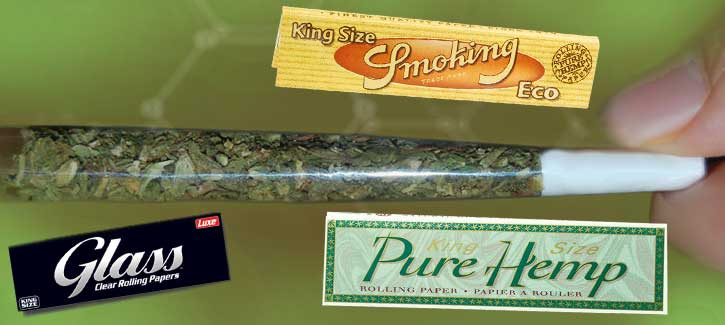
Choosing the right rolling papers is crucial not only for the smoking experience but also for health safety. This document outlines the key health considerations associated with various rolling paper materials and provides recommendations on selecting the safest options available.
1. Introduction to Health Risks in Rolling Papers
The composition of rolling papers is integral to their impact on health, as the materials and chemicals used in their manufacture can affect the smoker’s exposure to potentially harmful substances.
2. Composition of Rolling Papers
Rolling papers are generally made from materials like wood pulp, rice, hemp, or flax, each with distinct health implications and burning properties:
- Wood Pulp: Commonly used for rolling papers, wood pulp may contain chemical additives to control burn rate. Bleached versions should be avoided if possible due to potential chlorine content, which can produce harmful combustion by-products.
- Rice: Known for minimal additive use, rice papers are a thinner option that burns quickly, potentially increasing inhalation harshness.
- Hemp: Popular for their environmental and health safety, hemp papers typically contain fewer chemicals and are not bleached.
- Flax: Like hemp, flax papers often burn cleanly and are manufactured without harsh chemical treatments.
3. Chemical Additives and Processing
Various treatments and additives are applied to achieve desired features in rolling papers, such as flavor enhancements, color, and burn stability:
- Bleaching Agents: Chlorine-based bleaches used for a whiter appearance can create dioxins and other hazardous compounds during burning.
- Flavoring Agents: Flavor additives enhance user experience but may introduce health risks due to artificial compounds that are not intended for combustion and inhalation.
- Adhesives: The glues used for sealing rolling papers should be non-toxic, especially since they are combusted and directly inhaled.
4. Making Healthier Choices
To reduce health risks while using rolling papers, consumers should consider the following guidelines:
- Opt for Unbleached Papers: Unbleached rolling papers reduce the risk of inhaling chlorine and other harmful by-products.
- Limit Chemical Additives: Papers labeled as organic or natural are likely to contain fewer harmful chemicals and are preferable for health-conscious users.
- Exercise Caution with Flavored Papers: Natural flavors are preferable to synthetic ones, but the safest option is typically flavor-free papers, which contain the fewest chemicals.
- Check for Credible Manufacturer Claims: Reliable certifications and transparent labeling can reassure consumers about the safety of the rolling papers they choose.
5. Conclusion
Selecting suitable rolling papers involves careful consideration of the materials and chemicals they contain to minimize potential health risks. By being informed about the components of rolling papers and opting for those made with natural ingredients and minimal chemical treatments, smokers can significantly improve the safety of their smoking sessions. The consumer goods industry is defined by rapidly evolving market trends and the significant impact of leading brands. This document provides a detailed analysis of key brands across various segments of the consumer goods industry, exploring their market strategies and influence on current trends.
1. Current Industry Trends
Several prominent trends are currently influencing the consumer goods sector, driving innovation and shaping consumer preferences:
- Sustainability and Environmental Responsibility: There is an increasing preference for products that are environmentally friendly. This shift is encouraging companies to adopt sustainable practices and create products with biodegradable packaging and natural ingredients.
- Health and Wellness Focus: Products that promote health and wellness are in high demand. Brands that provide organic, all-natural, or non-GMO products are particularly popular.
- Customization and Personalization: Today’s consumers demand products tailored to their specific needs and preferences. Brands offering customizable options are gaining a competitive advantage.
- Technological Advancements and Digital Engagement: The expansion of e-commerce and digital technologies is transforming how brands interact with consumers. Those that effectively utilize digital marketing and online sales platforms are positioned for success.
2. Dominant Brands in the Consumer Goods Landscape
A few brands have established themselves as leaders due to their innovation, market share, and consumer loyalty:
- Procter & Gamble: This conglomerate owns a diverse portfolio including well-known brands such as Tide, Crest, and Pampers, and is noted for its innovation and market presence.
- Unilever: Distinguished by its commitment to sustainability and social responsibility, Unilever’s portfolio includes Dove, Lipton, and Ben & Jerry’s, aligning with modern consumer values.
- Nestlé: As the largest food and beverage company globally, Nestlé offers products like Nescafé and Stouffer’s, focusing on nutrition and ethical practices.
- Apple: A leader in technology, Apple continues to influence consumer electronics with innovative products like iPhones and Mac computers.
3. Rising Brands and Market Innovators
Alongside established giants, several newer brands are gaining market traction by catering to specific consumer interests and trends:
- Beyond Meat and Impossible Foods: These companies lead the charge in the plant-based diet sector, meeting growing consumer interest in sustainable and health-conscious meat alternatives.
- Glossier: Utilizing social media for marketing, Glossier has captured a youthful audience with its beauty products that promote a natural aesthetic.
4. Conclusion
The consumer goods industry remains dynamic, driven by shifts in consumer behavior, technological progress, and global market conditions. Leading brands that adeptly navigate and respond to these trends not only dominate the market but also influence the industry’s future direction. Monitoring these trends and understanding the strategies of both established and emerging brands are essential for maintaining competitiveness and relevance in the evolving landscape of consumer goods.
Legal Aspects and Age Restrictions on Purchasing Rolling Papers
Rolling papers, commonly used for rolling tobacco and cannabis, are subject to legal regulations, including age restrictions, to prevent misuse, particularly among minors. This document elaborates on the legal framework governing the sale of rolling papers, emphasizing age restrictions and the responsibilities of both retailers and consumers within regions where these products are available.
1. Regulatory Framework for Rolling Papers
Rolling papers are regarded as smoking paraphernalia and are regulated under laws applicable to tobacco and cannabis products. These regulations are primarily aimed at controlling access to prevent underage usage.
2. Age Requirements for Purchasing
- Standard Age Limitations: In many regions, including the United States and the European Union, the legal age required to purchase rolling papers is typically 18. However, this age requirement can vary, with some areas increasing the minimum age to 21 in line with stricter tobacco and cannabis regulations.
- Enforcement Practices: Retailers are mandated to verify the age of customers by checking ID before selling rolling papers.
Failure to comply can result in harsh penalties, including fines or the revocation of a license to sell tobacco products. - Influence of Cannabis Legalization: In jurisdictions where cannabis is legally available for recreational use, rolling papers may be subject to the same or even stricter regulations than tobacco products, affecting age limits and enforcement measures.
3. Regional Regulatory Differences
Age restrictions and enforcement details can differ significantly based on local legislation:
- United States: Most states enforce a minimum age of 18 for purchasing rolling papers, with a trend towards increasing this to 21.
- European Union: The age restriction across the EU generally starts at 18, but variations exist depending on the specific laws of each member state.
- Other Regions: In countries like Australia and Canada, the age limits are set at 18 or 19, varying by local jurisdiction.
4. Obligations of Manufacturers and Retailers
Those producing and selling rolling papers have significant legal obligations:
- Marketing Regulations: Strict rules often govern the advertising of rolling papers to ensure they do not target minors, including restrictions on imagery and advertising mediums.
- Sales Regulations: Retailers must follow established protocols for selling such items, including displaying clear signage regarding age restrictions at points of sale and rigorously checking customer IDs.
5. Conclusion
The regulations governing the sale of rolling papers are designed to restrict underage access and ensure responsible usage. Both consumers and vendors must understand and adhere to these laws to avoid legal issues. With ongoing changes, particularly concerning cannabis laws, it is imperative for all involved parties to remain informed about the latest regulations and their enforcement to maintain compliance and safeguard public health.
