Role of Medical Cannabis in the Opioid Crisis
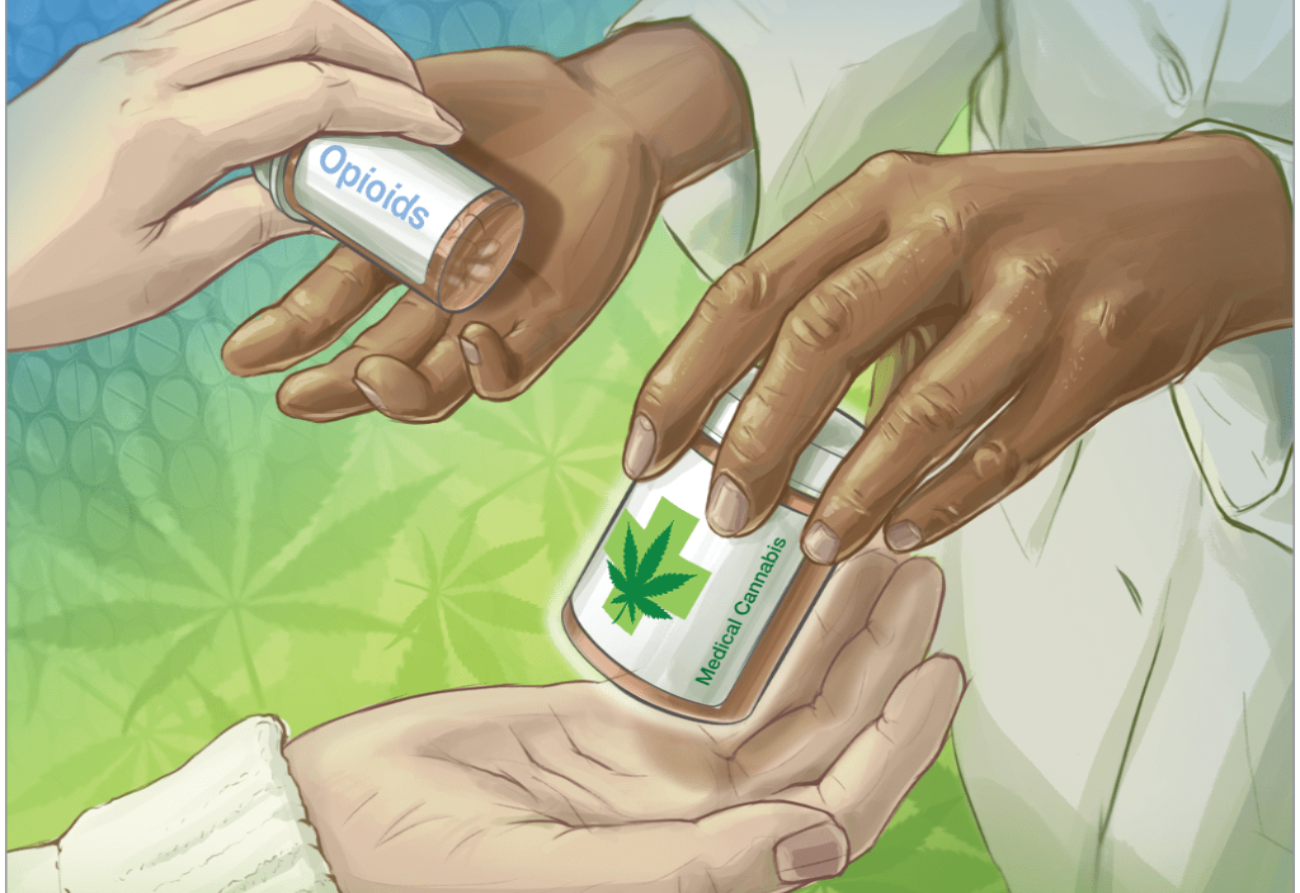
International efforts by organizations like the United Nations Commission on Narcotic Drugs (CND) and the World Health Organization (WHO) have aimed to reschedule cannabis, recognizing its medicinal value, leading to broader acceptance of cannabis-based treatments. The widespread misuse of prescription and illicit opioids has resulted in high levels of addiction, overdose, and death, overwhelming healthcare systems. As experts seek solutions to this crisis, medical cannabis has gained attention as a potential alternative due to its long-established analgesic and anti-inflammatory properties, offering a safer option for managing chronic pain and reducing opioid dependency.
This detailed exploration of the role of medical cannabis in the opioid crisis will highlight its therapeutic potential, focusing exclusively on medical use, while excluding any recreational applications and consumption methods. We will review the scientific evidence supporting cannabis as a viable alternative to opioids, analyze the potential benefits and challenges of integrating cannabis into medical practice, and explore the evolving legal landscape surrounding its use. The aim is to present a comprehensive understanding of how medical cannabis can serve as a critical tool in mitigating the opioid epidemic.
I. The Opioid Crisis: Scope and Impact
1.1 The Rise of the Opioid Epidemic
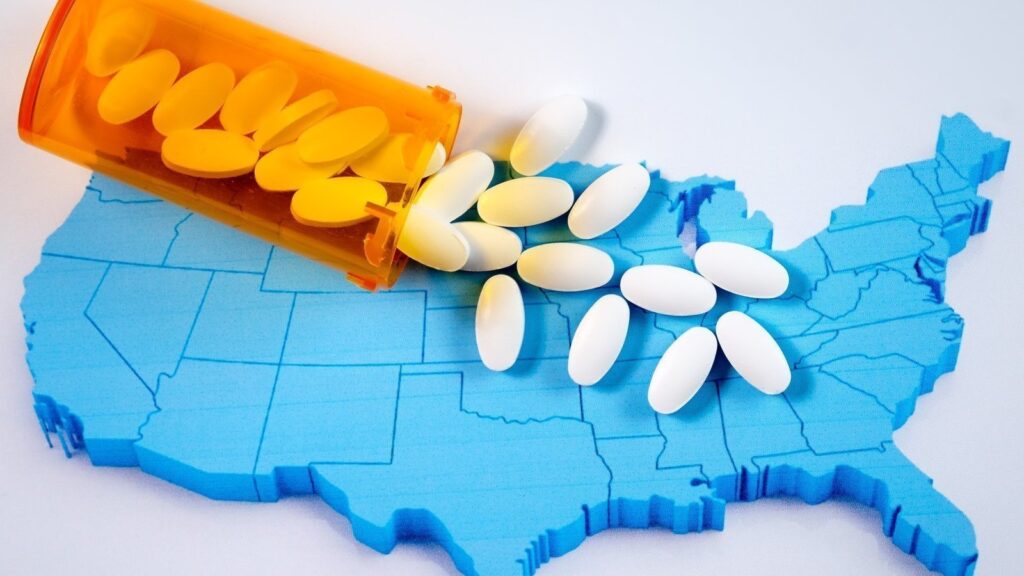
The late 1990s saw a widespread prescription of opioid painkillers, which set the stage for the current opioid crisis. At that time, pharmaceutical companies reassured the medical community that these drugs were safe for long-term use in treating pain, leading to a dramatic increase in prescriptions. However, opioids are highly addictive, and many patients quickly develop dependence, even when following prescribed regimens. As addiction grew, so did misuse and illicit use of opioids such as heroin and fentanyl, substances far more potent than prescription medications.
According to the Centers for Disease Control and Prevention (CDC), over 500,000 deaths in the U.S. alone were attributed to opioid overdoses between 1999 and 2020, with an average of 136 deaths per day in 2019. Globally, opioid misuse has led to significant increases in overdose deaths, emergency room visits, and long-term health complications. The over-prescription of opioids, coupled with the availability of illegal opioids, has created a public health emergency that has proven difficult to manage.
1.2 Challenges of Opioid-Based Pain Management
Opioids are effective for managing acute and chronic pain, but they come with several risks. These include tolerance (requiring higher doses to achieve the same effect), dependence, and addiction. The misuse of prescription opioids, even in clinical settings, has been one of the primary contributors to the opioid crisis.
Patients who become dependent on opioids may experience withdrawal symptoms when attempting to discontinue their use, making it difficult to stop taking the drugs without medical intervention. Moreover, the high risk of overdose makes long-term opioid therapy particularly dangerous, especially when combined with other central nervous system depressants such as benzodiazepines or alcohol. Despite these risks, many patients, especially those with chronic pain, feel trapped in a cycle of opioid dependence due to the lack of alternative pain management options.
II. Medical Cannabis: A Potential Solution
2.1 Overview of Medical Cannabis
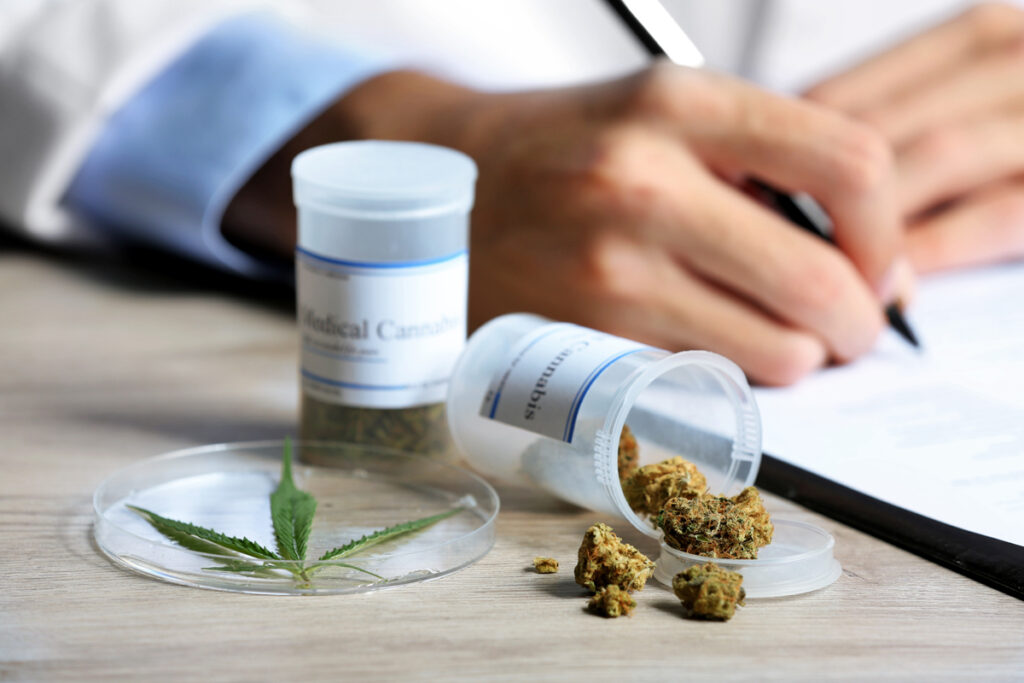
The oldest recorded usage of cannabis for medical purposes dates back thousands of years, to ancient China. In recent decades, renewed interest in the plant’s therapeutic properties has led to a growing body of research supporting its use in modern medicine. Cannabis contains over 100 cannabinoids, the most studied of which are tetrahydrocannabinol (THC) and cannabidiol (CBD). While THC is psychoactive, producing the “high” associated with cannabis use, CBD is non-psychoactive and is believed to be responsible for many of the plant’s medical benefits, particularly its anti-inflammatory, analgesic, and anxiolytic effects.
Medical cannabis is used to treat a variety of conditions, including chronic pain, inflammation, epilepsy, anxiety, and neurodegenerative diseases. Many see it as a viable alternative for pain management, especially in light of the opioid crisis, because of its capacity to reduce pain without the dangerous side effects and hazards connected with opioids.
2.2 Cannabis as an Analgesic
One of the most promising aspects of medical cannabis in the context of the opioid crisis is its potential as an analgesic. Numerous investigations have exhibited the interaction between cannabis and the endocannabinoid system (ECS), which is a complex network of receptors and signaling molecules involved in the regulation of pain, mood, and immunological response. The ECS is believed to modulate pain perception, and cannabinoids such as THC and CBD can activate ECS receptors, providing relief from both acute and chronic pain.
Unlike opioids, cannabis does not act directly on opioid receptors, which are responsible for the dangerous side effects of opioid use, including respiratory depression (a leading cause of opioid overdose). As a result, medical cannabis has a much lower risk of overdose and dependence compared to opioids, making it a safer option for long-term pain management.
III. Scientific Evidence Supporting Cannabis as an Opioid Alternative
3.1 Clinical Studies on Cannabis and Pain Management
Numerous research studies have investigated the potential of medicinal cannabis to replace opioids in the treatment of pain. In a landmark 2016 study published in The Journal of Pain, researchers found that patients using medical cannabis for chronic pain reported a 64% reduction in opioid use. These patients also reported improved quality of life and fewer opioid-related side effects. Other studies have echoed these findings, with some suggesting that cannabis may be particularly effective for treating neuropathic pain, a type of chronic pain that is often resistant to opioid therapy.
Cannabis usage for chronic pain, especially in adults, is supported by a considerable body of research, according to a 2017 report published by the National Academies of Sciences, Engineering, and Medicine (NASEM). The report noted that cannabis could be an effective alternative to opioids for some patients, offering similar levels of pain relief without the high risk of addiction and overdose.
3.2 Cannabis and Opioid Reduction in Clinical Practice
Beyond research studies, anecdotal evidence from medical practitioners supports the idea that cannabis can help reduce opioid use in clinical settings. Physicians in states where medical cannabis is legal have reported that many of their chronic pain patients have successfully reduced or eliminated their opioid use after starting cannabis therapy. This phenomenon has been observed in a variety of patient populations, including those suffering from cancer pain, arthritis, and neuropathy.
In a 2019 study published in The American Journal of Public Health, researchers analyzed opioid prescription data from states with medical cannabis laws. They found that states with medical cannabis programs saw a significant reduction in opioid prescriptions, suggesting that cannabis could play a role in curbing opioid use at the population level.
IV. Mechanisms of Action: How Cannabis Can Mitigate Opioid Use
4.1 Synergistic Effects of Cannabis and Opioids
One of the ways in which medical cannabis can help reduce opioid use is through its synergistic effects with opioids. Some research suggests that cannabinoids can enhance the pain-relieving effects of opioids, allowing patients to achieve adequate pain relief with lower doses of opioids. This “opioid-sparing” effect has been demonstrated in animal models and human studies, where the combination of cannabis and opioids led to more effective pain management than opioids alone.
In a study published in Neuropsychopharmacology, researchers found that THC and morphine, when used together, produced a greater analgesic effect than either compound alone. This suggests that cannabis could allow for lower opioid dosages, reducing the risk of addiction and overdose without sacrificing pain relief.
4.2 Reducing Opioid Withdrawal and Dependence
In addition to its analgesic effects, cannabis may also help alleviate the symptoms of opioid withdrawal, making it easier for patients to taper off opioids. Withdrawal symptoms, such as anxiety, insomnia, and nausea, are significant barriers to opioid cessation for many patients. The anxiolytic and anti-nausea properties of cannabinoids, especially CBD, have been demonstrated; these properties may make the withdrawal process more bearable.
A 2015 study published in Substance Abuse found that CBD reduced opioid withdrawal symptoms in rats, and human studies have suggested that cannabis use is associated with improved retention in opioid addiction treatment programs. These early results are intriguing, but additional research is required to completely understand how cannabis can promote opioid withdrawal and dependence reduction.
V. Benefits of Medical Cannabis in the Opioid Crisis
5.1 Safety Profile of Cannabis
One of the primary advantages of medical cannabis over opioids is its safety profile. Unlike opioids, cannabis is not associated with fatal overdoses. The lethal dose of cannabis is extremely high, far beyond the amount a typical patient would consume for medical purposes. In contrast, even a slight increase in opioid dosage can result in life-threatening respiratory depression.
Furthermore, medical cannabis has fewer side effects than opioids. While cannabis can cause dizziness, dry mouth, and cognitive impairment, these side effects are generally mild and do not carry the same risks as opioid-induced respiratory depression, constipation, or severe dependency.
5.2 Reducing Healthcare Costs
The opioid crisis has placed a tremendous financial burden on healthcare systems. Hospitalizations for opioid overdose, long-term addiction treatment, and associated health complications result in billions of dollars in healthcare costs each year. By reducing opioid use and the associated healthcare costs, medical cannabis could help alleviate some of the economic strain of the opioid epidemic.
A 2018 study published in Health Affairs found that states with medical cannabis programs had lower Medicare and Medicaid spending on opioid prescriptions. These findings suggest that expanding access to medical cannabis could reduce healthcare costs by decreasing the need for expensive opioid prescriptions and addiction treatments.
VI. Challenges and Considerations in Implementing Medical Cannabis as an Opioid Alternative
6.1 Regulatory Barriers
Despite its potential benefits, medical cannabis faces significant regulatory barriers in many parts of the world. Cannabis is still categorized by federal law in the US as a Schedule I controlled substance, which means that there is no recognized medicinal purpose for it and a significant potential for misuse. This classification has limited research on the medical applications of cannabis and created barriers to its use in clinical practice.
However, many states have implemented medical cannabis programs that allow patients to access cannabis for therapeutic purposes. These programs vary widely in terms of eligibility, qualifying conditions, and regulations, creating a patchwork of cannabis laws across the country. In other countries, medical cannabis laws are evolving, but the stigma and legal restrictions surrounding cannabis continue to hinder its widespread adoption as a medical treatment.
6.2 The Need for More Research
While the existing body of evidence supporting medical cannabis as an opioid alternative is promising, more research is needed to fully understand its potential. Large-scale, randomized controlled trials (RCTs) are necessary to establish the efficacy and safety of cannabis for pain management and opioid reduction. Additionally, research is needed to identify the optimal cannabinoid ratios, dosages, and formulations for specific conditions.
The legal and regulatory challenges surrounding cannabis have historically made it difficult for researchers to conduct such studies, but as more countries and states legalize medical cannabis, the research landscape is beginning to shift.
VII. The Evolving Legal Landscape: Cannabis and Opioid Reduction
7.1 Changes in U.S. and Global Policy
Growing evidence of medical cannabis’s ability to help combat the opioid crisis has surfaced in recent years. A number of states in the US have enacted laws with the express goal of decreasing the number of opioid prescriptions written by means of medical cannabis initiatives. For example, New York and Illinois have enacted laws allowing patients who would otherwise be prescribed opioids to access medical cannabis instead.
Internationally, countries such as Canada and Germany have established robust medical cannabis programs, and other countries are beginning to explore cannabis as a tool in the fight against opioid addiction. As more evidence emerges, it is likely that additional countries will consider expanding access to medical cannabis as part of their strategies to combat the opioid epidemic.
7.2 The Role of Healthcare Providers
Healthcare providers play a crucial role in integrating medical cannabis into the opioid crisis response. Physicians, pain specialists, and addiction treatment providers must be educated about the potential benefits and risks of medical cannabis, as well as the legal and regulatory frameworks governing its use. Training programs for healthcare professionals should include information on how to safely incorporate cannabis into pain management plans and how to monitor patients for any adverse effects.
Providers must also be aware of the individual needs of their patients, as not all patients will respond to cannabis in the same way. Some patients may find cannabis to be an effective opioid alternative, while others may require a combination of therapies for optimal pain relief.
Restrictions on Using Cannabis in the Medical Field as a Last Resort
In many countries, medical cannabis is considered a treatment of last resort, meaning it is only prescribed when other conventional therapies have proven ineffective or caused intolerable side effects. This restriction is frequently put in place to make that cannabis is only taken when its medical advantages outweigh any possible drawbacks, such abuse or reliance. Before using cannabis, doctors frequently have to show that all other recognized medicines have been tried and failed.
Additionally, the use of cannabis in medical settings is tightly regulated, with clear guidelines on dosages, forms of administration (e.g., oils, capsules, etc.), and patient eligibility. In some jurisdictions, cannabis is only approved for specific conditions, such as chronic pain, multiple sclerosis, or epilepsy, further limiting its use.
Monitoring THC Levels in Medications to Prevent Psychoactive Effects
To minimize the risk of psychoactive effects from THC (tetrahydrocannabinol), which is the compound responsible for the “high” associated with cannabis, medical cannabis products are carefully regulated for THC content. Medications with higher CBD (cannabidiol) and lower THC ratios are often preferred for patients who need therapeutic effects without psychoactive outcomes.
In order to guarantee patient safety, THC levels in medicinal cannabis products must be closely monitored. Regular testing and labeling of THC and CBD concentrations help healthcare providers tailor dosages to individual needs while avoiding unwanted psychoactive effects, especially in vulnerable populations like children, the elderly, or those with mental health conditions. This ensures that patients receive the medical benefits of cannabis without impairing cognition or motor function.
Exploring Safer Alternatives to Opioids and Medical Cannabis for Pain Management
If a safer alternative to both opioids and medical cannabis were to be found for managing chronic pain and other related conditions, it would likely transform the landscape of medical treatment. In an ideal scenario, such an alternative would provide effective pain relief without the risk of addiction, dependence, or psychoactive effects.
Key Attributes of a Safer Alternative:
- Non-Addictive: Unlike opioids, this alternative would not lead to physical or psychological dependence, significantly reducing the risk of misuse and addiction.
- No Psychoactive Effects: Unlike THC in cannabis, this new treatment would not produce any psychoactive effects, making it safer for all patient populations, including those vulnerable to cognitive or motor impairment.
- Effective for Chronic Pain: The alternative would need to demonstrate proven efficacy in treating a wide range of pain conditions, including those resistant to current treatments like opioids or cannabis.
- Low Side Effect Profile: Minimal side effects would be a major benefit, allowing for long-term use without the risks associated with opioid-induced respiratory depression or the psychoactive properties of THC.
- Accessibility and Safety: Ideally, this alternative would be widely accessible, easily administered, and safe for patients with diverse medical needs, including children, elderly individuals, and those with complex conditions.
Potential Areas for Research in Safer Alternatives:
- Non-Opioid Analgesics: Ongoing research into non-opioid analgesics, such as drugs targeting pain pathways without affecting opioid receptors, may yield promising alternatives.
- Neuromodulation: Advances in neuromodulation techniques, such as spinal cord stimulation or transcutaneous electrical nerve stimulation (TENS), offer non-pharmacological pain relief options that could reduce dependence on both opioids and cannabis.
- Biologics and Gene Therapy: These emerging fields have the potential to offer targeted therapies that address the underlying causes of chronic pain without the side effects of traditional pain medications.
Conclusion
Medical cannabis has emerged as a significant tool in addressing various challenges in healthcare, especially in the context of the opioid crisis and controlled medical applications. As discussed, its potential to reduce opioid dependency by offering effective pain relief with fewer risks makes it a valuable alternative. The growing body of research supporting cannabis for chronic pain management, combined with anecdotal evidence from clinical practice, shows that it can help reduce opioid use, alleviate withdrawal symptoms, and improve the quality of life for patients.
However, despite its therapeutic potential, medical cannabis faces restrictions in many parts of the world. In most jurisdictions, it is only prescribed as a last resort, with healthcare providers required to exhaust all other treatment options before considering cannabis. These restrictions are aimed at ensuring that the use of cannabis is controlled and limited to cases where its medical benefits are truly necessary.
Moreover, concerns about the psychoactive effects of THC have led to strict monitoring of THC levels in medical cannabis products. By regulating and testing THC content, medical cannabis can be administered in ways that prevent psychoactive effects, ensuring that patients benefit from the medicinal properties of the plant without experiencing impairment. This careful balance between THC and CBD, as well as controlled dosages, makes cannabis a safer option for medical use.
In conclusion, medical cannabis offers a promising solution to various healthcare challenges, especially in pain management and opioid reduction. However, its use must be carefully regulated, with ongoing research, physician education, and legal frameworks ensuring that it is used safely and effectively. Monitoring THC levels and adhering to last-resort guidelines are essential to making cannabis a viable and controlled option in medical practice.
