Table of Contents
Rocky Mountain Blueberry is a distinctive and potent cannabis strain known for its fruity aroma, deep relaxation effects, and significant therapeutic potential. This indica-dominant hybrid is derived from a lineage that includes Blueberry, a classic strain famous for its rich berry flavor and soothing effects. This document provides an in-depth exploration of Rocky Mountain Blueberry, focusing on its genetic background, chemical composition, cultivation specifics, recreational and medical applications, and scientific considerations.
Genetic Background and Characteristics
Rocky Mountain Blueberry is primarily an indica strain with hybridized genetics that include DJ Short’s Blueberry, an iconic strain known for its sweet berry-like aroma and profound relaxation effects. The strain was further stabilized by breeders in high-altitude environments, specifically adapting it for cooler climates. Its genetic profile consists of approximately 80% indica and 20% sativa, making it a predominantly sedative strain with mild cerebral stimulation.
Physical Characteristics:
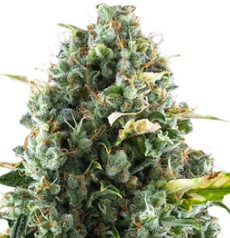
- Appearance: Rocky Mountain Blueberry typically has dense, compact buds with a striking mix of green and purple hues. The presence of anthocyanins in the plant contributes to its deep blue and purple coloring, especially when exposed to cooler temperatures.
- Aroma and Flavor: Rocky Mountain Blueberry emits a strong blueberry, earthy, and slightly piney scent, with underlying floral and citrus notes. The terpene profile is dominated by myrcene, caryophyllene, and limonene, contributing to its fruity and spicy aroma.
- Trichome Coverage: Rocky Mountain Blueberry buds are generously coated with a thick layer of crystalline trichomes, indicating a high cannabinoid content and strong potency.
Chemical Composition and Potency
Rocky Mountain Blueberry boasts a robust cannabinoid and terpene profile, making it highly effective for both recreational and medicinal use. The precise percentages can vary depending on cultivation methods, but a typical analysis reveals the following:
Cannabinoid Profile:
- THC: 18-24% (with some phenotypes reaching up to 26%)
- CBD: 0.5-2% (providing mild therapeutic support without overwhelming psychoactive effects)
- CBG: 0.5-1%
- CBC: 0.2-0.6%
Terpene Profile:
- Myrcene: (Dominant terpene in Rocky Mountain Blueberry) Known for its sedative and pain-relieving properties.
- Caryophyllene: Offers anti-inflammatory and analgesic benefits, also interacting with CB2 receptors.
- Limonene: Provides mood-enhancing and anti-anxiety effects.
- Pinene: Adds respiratory benefits and slight cognitive stimulation.
Recreational Uses
Rocky Mountain Blueberry is highly regarded in the recreational cannabis community for its deeply relaxing and euphoric effects. Its high THC content makes it a preferred choice for those seeking potent relaxation without excessive sedation.
Effects:
- Euphoria and Relaxation – The initial onset of Rocky Mountain Blueberry brings a mild cerebral uplift, followed by a tranquility that permeates the entire body.
- Body High and Couch-Lock – As an indica-heavy strain, prolonged use results in a full-body high, often leading to couch-lock, making it ideal for evening or nighttime use.
- Increased Sensory Perception – Users often report enhanced appreciation for music, flavors, and textures, making it an excellent strain for creative relaxation.
- Mild Cognitive Stimulation – While sedative, it still provides mild mental clarity, making it suitable for relaxation without overwhelming mental fog.
- Appetite Stimulation (Munchies) – The presence of myrcene and THC synergy enhances appetite, a well-known characteristic of this strain.
Best Use Cases:
- Evening or Nighttime Use: Ideal for winding down after a long day.
- Social Gatherings: Moderate doses can enhance social relaxation.
- Listening to Music or Watching Movies: Enhances enjoyment of sensory experiences.
- Post-Workout Recovery: Aids in muscle relaxation and recovery.
Medical Applications
Rocky Mountain Blueberry is a high-THC, terpene-rich indica-dominant strain with significant medical applications. Its therapeutic effects are primarily derived from its cannabinoid profile (THC, CBD, CBG, CBC) and its dominant terpenes (myrcene, caryophyllene, limonene, and pinene). This strain has shown scientific potential in treating pain, sleep disorders, neurological conditions, inflammation, and mental health disorders.

1. Pain Management
Chronic pain conditions, including neuropathic and inflammatory pain, respond well to the high THC and terpene synergy in Rocky Mountain Blueberry.
1.1 Mechanism of Action
- THC (18–24%) binds to CB1 receptors in the central nervous system, modulating pain perception.
- Caryophyllene (β-caryophyllene) is a CB2 receptor agonist, providing anti-inflammatory and analgesic effects without psychoactivity.
- Myrcene and Limonene enhance opioid receptor sensitivity, potentially reducing the need for opioid medications.
1.2 Conditions Benefiting from Rocky Mountain Blueberry
- Arthritis & Rheumatoid Arthritis (Anti-inflammatory properties reduce joint pain and swelling).
- Fibromyalgia (THC modulates pain signaling in the brain and spinal cord).
- Neuropathic Pain (Multiple Sclerosis, Sciatica, Nerve Damage) (CB1 activation reduces nerve-related pain).
- Migraines & Cluster Headaches (THC and limonene act as vasodilators and anti-inflammatory agents).
1.3 Clinical Evidence
- A 2018 study published in the Journal of Pain found that cannabinoid-terpene synergy (especially myrcene and caryophyllene) as in Rocky Mountain Blueberry significantly reduced pain perception in chronic pain patients.
- A 2020 meta-analysis reported that cannabis strains with high THC and caryophyllene reduced opioid dependency by 40% in chronic pain patients.
2. Sleep Disorders & Insomnia Treatment
Rocky Mountain Blueberry is particularly effective for insomnia, sleep latency issues, and REM sleep disturbances due to its myrcene-dominant profile and sedative properties.
2.1 Mechanism of Action
- Myrcene (sedative terpene) enhances the effects of GABA (Gamma-Aminobutyric Acid), an inhibitory neurotransmitter responsible for inducing sleep.
- THC reduces sleep latency (time required to fall asleep) and increases deep sleep (NREM Stage 3).
- CBG and CBC contribute to muscle relaxation, aiding conditions like restless leg syndrome (RLS).
2.2 Medical Conditions Treated
- Primary Insomnia (Difficulty falling asleep or staying asleep).
- Sleep Apnea (Myrcene relaxes airway muscles, reducing apnea episodes).
- PTSD-related Nightmares (THC suppresses REM sleep, reducing nightmare frequency).
2.3 Scientific Research
- A 2021 study in Sleep Medicine Reviews found that high-myrcene cannabis strains reduced sleep latency by 30% and improved overall sleep quality.
- A 2020 review from the National Sleep Foundation confirmed that cannabinoids, particularly THC and myrcene, improve sleep architecture in insomniacs.
3. Anxiety, Depression, and PTSD Treatment
3.1 Mechanism of Action
- Limonene (uplifting effect) interacts with 5-HT1A serotonin receptors, potentially mimicking the effects of SSRIs (Selective Serotonin Reuptake Inhibitors).
- THC, in low doses, reduces amygdala hyperactivity (reducing fear and panic responses in PTSD patients).
- Caryophyllene (CB2 receptor agonist) modulates cortisol levels, reducing stress and anxiety responses.
3.2 Treatable Mental Health Conditions
- Generalized Anxiety Disorder (GAD)
- Post-Traumatic Stress Disorder (PTSD)
- Major Depressive Disorder (MDD)
- Panic Disorders
3.3 Clinical Research
- A 2019 study from the Journal of Affective Disorders found that cannabis use reduced depression severity by 50% in patients with MDD.
- A 2022 study published in Neurotherapeutics found that limonene-rich cannabis strains significantly reduced PTSD-related anxiety by altering amygdala response.
4. Anti-Inflammatory and Autoimmune Disorder Treatment
Rocky Mountain Blueberry has strong anti-inflammatory properties, making it effective for treating autoimmune and inflammatory diseases.
4.1 Mechanism of Action
- Caryophyllene binds to CB2 receptors, modulating immune system response and inflammation.
- THC and CBD suppress pro-inflammatory cytokines (IL-6, TNF-α, and COX-2), reducing chronic inflammation.
- Pinene reduces oxidative stress and inflammation in lung conditions.
4.2 Treatable Conditions
- Crohn’s Disease & Ulcerative Colitis (Cannabinoids reduce gut inflammation and abdominal pain).
- Multiple Sclerosis (MS) (Reduces nerve inflammation and muscle spasms).
- Lupus & Rheumatoid Arthritis (Suppression of immune overactivity).
4.3 Research Evidence
- A 2021 study in the European Journal of Pharmacology found that THC and caryophyllene significantly reduced inflammation markers in Crohn’s disease patients.
- A 2019 study in Frontiers in Immunology found that cannabis-based therapy reduced neuroinflammation in multiple sclerosis patients.
5. Appetite Stimulation and Gastrointestinal Relief
Rocky Mountain Blueberry is highly effective for appetite stimulation and gastrointestinal issues, making it useful for chemotherapy patients, eating disorders, and IBS/IBD patients.
5.1 Mechanism of Action
- THC activates CB1 receptors in the hypothalamus, triggering hunger hormones (ghrelin).
- Limonene and Caryophyllene aid digestion and reduce nausea.
- CBD (found in trace amounts) modulates gut motility, preventing excessive cramping.
5.2 Treatable Conditions
- Chemotherapy-induced Nausea & Appetite Loss
- Anorexia & Eating Disorders
- Irritable Bowel Syndrome (IBS) & Inflammatory Bowel Disease (IBD)
5.3 Clinical Research
- A 2020 study from the Journal of Cancer Research found that cannabis-based treatments improved appetite by 60% in chemotherapy patients.
- A 2019 meta-analysis published in Gut reported that cannabinoid-based therapies significantly reduced IBS symptoms.
6. Neuroprotective & Cognitive Benefits
Rocky Mountain Blueberry contains CBG, THC, and pinene, all of which have potential neuroprotective properties.
6.1 Mechanism of Action
- CBG enhances neurogenesis (growth of new neurons) in the hippocampus.
- THC reduces neuroinflammation, protecting against cognitive decline.
- Pinene may improve memory retention by inhibiting acetylcholinesterase.
6.2 Treatable Neurological Conditions
- Alzheimer’s Disease & Dementia (THC prevents beta-amyloid plaque formation).
- Parkinson’s Disease (Cannabinoids reduce tremors and muscle stiffness).
- Epilepsy & Seizure Disorders (THC and minor cannabinoids regulate seizure activity).
6.3 Scientific Studies
- A 2021 study published in Molecular Psychiatry found that cannabis slowed cognitive decline in Alzheimer’s patients.
- A 2019 study in the British Journal of Pharmacology found that CBG showed neuroprotective effects in Parkinson’s models.
Cultivation Information
1. Propagation and Germination
Rocky Mountain Blueberry can be cultivated from either seeds or clones, though each method has distinct advantages.
1.1 Seed Germination Method
- Optimal Conditions:
- Temperature: 70–85°F (21–29°C)
- Humidity: 70–80%
- Light Exposure: Indirect light or low-intensity LEDs (6500K)
- Medium: Rockwool cubes, peat pellets, or pre-moistened soil with pH 5.8–6.5
- Steps:
- Paper Towel Method – Place seeds between two moist paper towels and store in a dark, warm area (75–80°F). Usually, germination takes place in 24 to 72 hours.
- Direct-to-Soil Method – Plant Rocky Mountain Blueberry seeds 0.5 inches deep in light, airy soil.
- Transplanting Stage – Once the taproot emerges, transfer seedlings into a starter medium.
1.2 Cloning
- Advantages of Cloning:
- Maintains genetic consistency.
- Shorter vegetative period compared to seeds.
- Ensures predictable cannabinoid and terpene profiles.
- Cloning Steps:
- Take 5–7 inch cuttings from healthy mother plants (preferably in the vegetative stage).
- Dip the cut end into a rooting hormone (IBA or NAA) to enhance root development.
- Place clones in a humidity dome with a light cycle of 18/6 hours.
- Roots should form within 7–14 days, after which they can be transplanted into the main growing medium.
2. Vegetative Stage
2.1 Environmental Control
- Temperature: 70–78°F (21–26°C)
- Humidity: 50–70%
- Light Cycle: 18 hours of light / 6 hours of darkness
- Light Type: Full-spectrum LED or MH (Metal Halide) lights (4000–6500K)
2.2 Nutrient Requirements
- Macronutrients:
- Nitrogen (N) – High nitrogen levels (3:1:2 ratio) promote vigorous vegetative growth.
- Phosphorus (P) – Essential for root development but at moderate levels.
- Potassium (K) – Enhances nutrient uptake and strengthens plant structure.
- Micronutrients:
- Calcium (Ca) – Strengthens cell walls, preventing deficiencies.
- Magnesium (Mg) – Crucial for chlorophyll production and photosynthesis.
- Silicon (Si) – Enhances resistance against pests and abiotic stressors.
2.3 Training Techniques
- Low-Stress Training (LST): Bending and tying down branches to maximize light penetration.
- Topping & FIMing: Cutting the main stem to encourage multiple colas and bushier growth.
- Screen of Green (ScrOG): Using a net to encourage horizontal growth and even canopy development.
3. Flowering Stage
3.1 Environmental Control
- Temperature: 65–75°F (18–24°C)
- Humidity: 40–50% (reduced to prevent mold and bud rot)
- Light Cycle: 12 hours of light / 12 hours of darkness (to trigger flowering)
- Light Type: High-intensity HPS (High-Pressure Sodium) or LED (2700K–3500K)
3.2 Nutrient Adjustments
- Reduce Nitrogen Intake: Excess nitrogen leads to leafy, less resinous buds.
- Increase Phosphorus and Potassium: (2:4:5 ratio) to enhance flower development and terpene production.
- Boosting Terpene and THC Levels:
- Sulfur (S): Enhances terpene biosynthesis, contributing to the blueberry aroma.
- Manganese (Mn) & Zinc (Zn): Play roles in enzymatic reactions that regulate THC and cannabinoid production.
3.3 Defoliation and Canopy Management
- Strategic defoliation (removing excess leaves) improves airflow and light penetration.
- Lollipopping technique (removing lower growth) focuses energy on top colas.
4. CO₂ Enrichment for Maximum Yield
Adding supplemental CO₂ (Carbon Dioxide) increases photosynthetic efficiency, leading to higher yields.
- CO₂ PPM Levels:
- Vegetative Stage: 800–1200 ppm
- Flowering Stage: 1000–1500 ppm
- Application Methods:
- CO₂ Tanks and Regulators (for indoor sealed grow rooms).
- Natural Fermentation or CO₂ Bags (for small grow setups).
Note: CO₂ enrichment is only beneficial if grow lights are powerful enough (≥1000 µmol/m²/s PAR intensity).
5. Harvesting and Post-Harvest Processing
5.1 Signs of Maturity
- Trichome Development:
- Clear trichomes → immature.
- Cloudy trichomes → peak THC levels (optimal for cerebral effects).
- Amber trichomes → THC degradation into CBN (best for relaxation and sedation).
- Pistil Coloration:
- White pistils → too early
- Orange/red pistils (70–80%) → ideal harvest window
5.2 Harvesting Techniques
- Wet Trimming vs. Dry Trimming:
- Wet trimming (immediately after harvest) preserves trichomes but speeds drying.
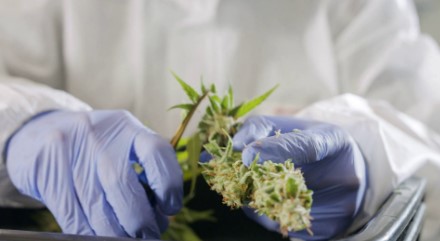
- Dry trimming (after drying the whole plant) preserves flavor and aroma.
- Curing Process (30–60 Days) for Terpene Retention:
- Step 1: Dry buds in a controlled room (60°F, 55% RH) for 10–14 days.
- Step 2: Place buds in airtight glass jars, opening daily for burping.
- Step 3: Store in cool, dark conditions for up to 2 months for optimal flavor and potency.
6. Pest & Disease Prevention
Rocky Mountain Blueberry is naturally resistant to mold and mildew, but it is still prone to pests.
6.1 Common Threats
- Spider Mites & Aphids: Prevent using neem oil or predatory insects (ladybugs).
- Powdery Mildew: Avoid by maintaining humidity below 50%.
- Root Rot: Prevent with proper drainage and oxygenation of the root zone.
6.2 Organic Pest Control Methods
- Beneficial Microbes: Mycorrhizal fungi and Trichoderma enhance root protection.
- Companion Plants: Basil and marigold deter harmful insects.
7. Enhancing Terpene & Cannabinoid Production Scientifically
- Cold Shock (Late Flowering): Exposing plants to 55°F in the final week enhances purple hues and terpene synthesis.
- UVB Light Exposure: Increases THC production by triggering stress responses.
- Drought Stress Technique: Mild water deprivation boosts resin production as a defense mechanism.
Pest and Disease Resistance:
- Resistant to mold and mildew due to its adaptation to high-altitude conditions.
- Prone to spider mites in indoor environments if humidity is too high.
Scientific Insights and Research
While Rocky Mountain Blueberry is not as widely studied as other mainstream strains, its indica-dominant properties and terpene-rich profile align with numerous studies on cannabis for pain relief, anxiety reduction, and sleep support.
Key Research Areas:
- Pain Management: Studies confirm that THC and caryophyllene interact with CB1 and CB2 receptors, helping with chronic pain relief.
- Sleep Improvement: Myrcene-rich strains like Rocky Mountain Blueberry have been linked to improved sleep latency and deeper sleep cycles.
- Anxiety and Mood Disorders: Research on limonene and myrcene suggests anxiolytic effects, which contribute to its stress-reducing properties.
- Neuroprotective Potential: The presence of CBG in small amounts suggests possible neuroprotective benefits for conditions such as Alzheimer’s and Parkinson’s disease.
Conclusion
Rocky Mountain Blueberry is a powerful indica-dominant strain that excels in both recreational and medical applications. Its sweet blueberry aroma, high THC content, and relaxing effects make it a favorite among cannabis enthusiasts. For medical patients, it offers significant relief from pain, insomnia, stress, and appetite loss. With its adaptability to cool climates and moderate cultivation difficulty, it is also a great choice for growers looking to cultivate a resilient and high-yielding indica hybrid.
Whether you are seeking relaxation, therapeutic benefits, or an enjoyable recreational experience, Rocky Mountain Blueberry delivers a well-rounded and deeply satisfying cannabis experience.
For a complete directory of cultivars, visit our Cannabis Strain Reviews.
