Table of Contents
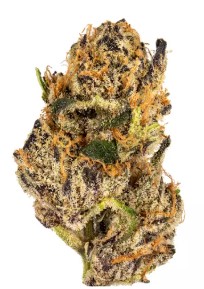
Rockstar Kush, also known as BC Rockstar or simply Rockstar, is a potent indica-dominant hybrid cannabis strain that has gained significant traction among both recreational users and medical cannabis patients. Renowned for its deeply relaxing effects, rich terpene profile, and high THC content, Rockstar Kush is frequently recommended for stress, insomnia, and chronic pain. The strain offers a complex interplay of physical sedation and mental clarity, making it unique among heavily sedating cultivars.
Genetic Lineage and Breeding Background
Rockstar Kush is a cross between two well-known strains:
- Rockbud: A potent indica known for its couch-locking body effects.
- Sensi Star: A heavily sedative indica with euphoric cerebral effects.
This pairing results in a phenotype that leans strongly toward indica dominance (approximately 75–80% indica and 20–25% sativa) yet retains some of the mental clarity and creative spark of sativa genetics. Rockstar Kush was originally bred in British Columbia, which contributes to its regional nickname “BC Rockstar.”
Cannabinoid Profile
THC Content
- Typical Range: 20–27%
- Some phenotypes may exceed 28%, particularly in hydroponic or optimized indoor conditions.
- This high THC content is responsible for the strain’s intense psychoactive and sedative effects.
CBD Content
- Typical Range: <0.5%
- Rockstar Kush is not bred for CBD-rich characteristics and is therefore not ideal for conditions where high-CBD/low-THC is needed (e.g., pediatric epilepsy or generalized anxiety disorders that worsen with THC).
Minor Cannabinoids
While data is limited, Rockstar Kush may also contain trace levels of:
- CBG (Cannabigerol): Offers anti-inflammatory and neuroprotective effects.
- CBC (Cannabichromene): Enhances the pain-relieving properties of THC and may contribute to antidepressant effects.
- THCV (Tetrahydrocannabivarin): May mildly modulate the psychoactive intensity of THC in some phenotypes.
Terpene Profile and Aroma
Rockstar Kush features a rich and complex terpene profile that contributes both to its distinct aroma and its therapeutic potential. Key terpenes include:
Myrcene
- Dominant Terpene
- Aroma: Earthy, musky, with grape-like undertones.
- Effects: Sedative, muscle-relaxing, potentiates THC’s psychoactive effects.
Caryophyllene
- Aroma: Peppery, spicy, herbal.
- Effects: Acts as a cannabinoid by binding to CB2 receptors; offers anti-inflammatory and analgesic properties.
Limonene
- Aroma: Citrus, lemon peel.
- Effects: Mood-enhancing, anxiolytic, antibacterial.
Humulene
- Aroma: Woody, hoppy, herbal.
- Effects: Anti-inflammatory, appetite-suppressing.
Linalool (variable depending on phenotype)
- Aroma: Floral, lavender.
- Effects: Anti-anxiety, anticonvulsant, sedative.
This unique terpene composition not only defines the pungent, earthy-spicy flavor of Rockstar Kush but also enhances its therapeutic utility for physical and mental conditions.
Recreational Uses and Psychoactive Effects
Rockstar Kush delivers a layered high that unfolds in two main phases: a rapid-onset cerebral euphoria followed by deep physical sedation. Users often describe the experience as “heavy but clear,” meaning they feel immobilized in the body but mentally observant and tranquil.
Primary Recreational Effects:
- Euphoria and mood enhancement: Initial uplift is commonly described as warm, giggly, and relieving.
- Physical relaxation: Deep muscle relaxation and heaviness, often leading to couch-lock.
- Altered perception: Enhanced music appreciation, tactile sensitivity, and visual softness.
- Sedation: Particularly with higher doses or nighttime use.
Potential Negative Effects:
- Dry mouth and dry eyes (common with high-myrcene strains)
- Dizziness or paranoia at very high doses in THC-sensitive individuals
- Lethargy during daytime use, not ideal for productivity
Best Use Scenarios:
- Evening socializing or creative sessions
- Music appreciation or introspection
- Winding down after stressful days
- Sleep enhancement
Medical Applications
Rockstar Kush is a high-THC, indica-dominant hybrid known for its powerful analgesic, anxiolytic, sedative, and anti-inflammatory effects. With THC levels often exceeding 22–27% and a terpene profile dominated by myrcene, caryophyllene, and limonene, it exerts broad-spectrum pharmacological actions that target both central and peripheral pathways.
Core Cannabinoid & Terpene Pharmacology
Δ9-Tetrahydrocannabinol (THC)
- CB1 Receptor Agonist: Modulates pain perception, mood, appetite, and memory.
- CB2 Receptor Partial Agonist: Supports immune and inflammatory modulation.
- GABAergic and glutamatergic modulation: Contributes to muscle relaxation and anti-seizure effects.
Key Terpenes
| Terpene | Medical Properties | Mechanism of Action |
|---|---|---|
| Myrcene | Sedative, muscle relaxant, anti-inflammatory | GABA-A modulation, prostaglandin inhibition |
| Caryophyllene | Analgesic, anxiolytic, anti-inflammatory | CB2 agonism |
| Limonene | Anxiolytic, antidepressant, gastroprotective | 5-HT1A receptor binding, gut-brain signaling |
| Linalool (variable) | Sedative, antiepileptic, anxiolytic | GABA potentiation, NMDA antagonism |
| Humulene | Anti-inflammatory, antimicrobial | Cytokine inhibition, NF-κB pathway blocking |
Together, these compounds produce a synergistic entourage effect that enhances therapeutic value far beyond THC alone.
Primary Medical Applications

Chronic Pain Disorders
Rockstar Kush is especially effective in managing:
- Neuropathic pain (sciatica, diabetic neuropathy)
- Arthritis and osteoarthritis
- Fibromyalgia
- Post-surgical pain
- Cancer-related pain
Mechanism:
- THC-CB1 activation reduces pain signaling in the brain.
- Caryophyllene’s CB2 action reduces inflammation in peripheral tissues.
- Myrcene and linalool add muscle-relaxant and sedative effects, ideal for nighttime pain.
Evidence:
- THC-rich cannabis strains have demonstrated efficacy in pain reduction in multiple meta-analyses, with moderate evidence supporting their use in neuropathic pain (Whiting et al., JAMA, 2015).
Insomnia and Sleep Disorders
- Ideal for sleep induction and maintenance
- Often used by patients with PTSD, pain-related insomnia, and generalized insomnia
Mechanism:
- Myrcene shortens sleep latency (time to fall asleep)
- THC suppresses REM sleep (can reduce nightmares in PTSD)
- Linalool, when present, may improve deep sleep cycles via GABAergic activity
Note: High THC doses may cause REM suppression, which is beneficial in PTSD but potentially disruptive to sleep architecture long-term.
Anxiety and Stress-Related Disorders
- Used in generalized anxiety disorder (GAD), social anxiety, and stress-related agitation
Mechanism:
- Low-to-moderate THC doses bind to CB1 in the amygdala and limbic areas, dampening hyperreactivity
- Limonene and caryophyllene reduce HPA-axis overactivation (linked to cortisol response)
- Myrcene induces muscle relaxation and mental quietude
Caution: High doses of THC in sensitive users may paradoxically induce anxiety—dose titration is key.
Mood Disorders
Though not a frontline antidepressant, Rockstar Kush may be helpful for:
- Situational or mild depression
- Mood instability in bipolar disorder (type II)
- Cannabis-assisted psychotherapy
Mechanism:
- Limonene boosts serotonin signaling
- THC modulates dopamine release, which enhances reward circuitry (important for anhedonia)
- Myrcene-linalool interaction provides mood-stabilizing sedation
Some patient reports indicate improved quality of life and emotional processing during low-activity states or introspection.
Gastrointestinal Disorders
- Appetite stimulant in cancer patients, HIV/AIDS, or cachexia
- May reduce nausea and gastric spasms
Mechanism:
- THC’s activation of CB1 receptors in the hypothalamus and gut boosts hunger signals
- Limonene offers anti-nausea support and anti-reflux activity via smooth muscle modulation
- Caryophyllene reduces intestinal inflammation in conditions like Crohn’s or IBD
Potential Benefits:
- Pre-meal dosing for patients with wasting syndrome
- Relief from chemotherapy-induced nausea
Multiple Sclerosis and Spasticity
Rockstar Kush’s sedative and antispasmodic properties may benefit:
- MS-related spasticity
- ALS-related muscle cramps
- Seizure-like muscular hyperactivity
Mechanism:
- THC reduces neuronal excitability and spasm-related pain
- Myrcene enhances muscle relaxation through peripheral GABA potentiation
- Synergistic with baclofen or diazepam in some cases (clinical supervision required)
PTSD and Trauma Recovery
- Helps with sleep, reduces hyperarousal, and decreases intrusive memories
- May serve in trauma-focused psychotherapy where mental quietude is beneficial
Mechanism:
- THC and linalool lower activity in the amygdala, the fear-processing hub
- Sleep normalization via REM suppression can reduce trauma-related nightmares
- Caryophyllene helps dampen inflammation in the HPA axis and corticolimbic regions
Emerging Research Areas
Cancer Symptom Management
- Not curative, but effective in pain, nausea, anxiety, and appetite loss
- Antitumor effects of THC and caryophyllene under preclinical investigation
Neurodegeneration
- Anti-inflammatory and antioxidant properties of terpenes may slow neural degradation in:
- Alzheimer’s
- Parkinson’s
- Huntington’s disease
Studies suggest CB2 receptor agonists like caryophyllene could reduce microglial activation and oxidative stress.
Opioid-Sparing Effects
- THC-dominant strains like Rockstar Kush can reduce opioid dosages by enhancing pain relief
- Important for long-term pain management strategies with lower risk of dependence
Clinical Considerations and Dosing
| Use Case | Starting Dose (Inhalation) | Onset | Duration | Notes |
|---|---|---|---|---|
| Pain | 1–2 puffs (5–10 mg THC) | 5–10 min | 2–3 hrs | Combine with CBD strain if needed |
| Insomnia | 1–2 puffs ~1 hour before bed | 10 min | 3–4 hrs | May suppress REM with high dose |
| Anxiety/Stress | Low dose only (2.5–5 mg) | 10 min | 1.5–2 hrs | Avoid high THC doses |
| Appetite/Nausea | 5–10 mg THC pre-meal | 15–30 min | 2 hrs | Pair with limonene-forward strains |
Note: Oral consumption (e.g., tinctures or capsules) changes pharmacokinetics—slower onset (30–90 min) but longer effects (4–6+ hours). Always start low and titrate based on sensitivity and medical context.
Limitations and Contraindications
- High THC content may exacerbate psychosis, panic disorders, or paranoia in predisposed individuals.
- Not recommended in adolescents or during pregnancy due to developmental risks.
- Drug interactions: May potentiate CNS depressants (e.g., benzodiazepines, opioids).
Patient Testimonials & Observational Insights
Users consistently report:
- “Incredible for deep, uninterrupted sleep”
- “Takes the edge off my chronic pain within minutes”
- “Allows me to relax without feeling mentally fogged”
- “If I go overboard, I end up couch-locked—but that’s what I want after a bad pain flare-up”
While anecdotal, these reports align with Rockstar Kush’s biochemical activity.
Conclusion
Rockstar Kush stands as one of the more medically versatile high-THC strains, especially for:
- Chronic pain
- Insomnia
- Anxiety
- Muscle spasticity
- Appetite stimulation
Cultivation Insights
Growth Profile Summary
- Genotype: Indica-dominant hybrid (75–80% indica)
- Cultivation Difficulty: Intermediate
- Flowering Time: 8–9 weeks (indoor); mid-late October (outdoor)
- Yield Potential:
- Indoors: 450–550g/m²
- Outdoors: Up to 600g/plant
- Optimal Methods: SCROG, topping, lollipopping, and organic soil or hydroponics
Environmental Optimization
Temperature & Humidity
- Vegetative Stage:
- Temp: 22–26°C (72–79°F)
- RH: 50–70%
- Flowering Stage:
- Temp: 20–24°C (68–75°F)
- RH: 40–50%
- Late Flowering:
- Drop RH to 35–40% to prevent botrytis (bud rot)
CO₂ Enrichment
- Enriching CO₂ to 800–1200 ppm during the flowering stage can increase photosynthesis and THC production by up to 20–25%.
- Especially effective when paired with intense light and high root zone oxygenation (e.g., hydroponics with dissolved O₂ over 6 ppm).
Lighting Recommendations
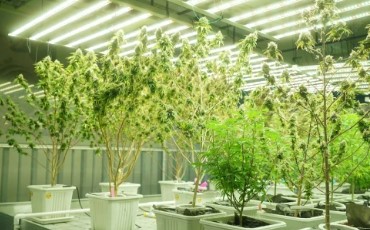
Indoor Cultivation
- Vegetative Phase:
- 18/6 light cycle
- 400–600 PPFD (Photosynthetic Photon Flux Density)
- Fluorescent, LED, or MH preferred for tight node spacing
- Flowering Phase:
- 12/12 light cycle
- 700–1000 PPFD
- Full-spectrum LEDs or HPS for high trichome production
Light Spectrum Control
- Blue light dominance in veg (400–500 nm) helps maintain bushy morphology.
- Red/Far-red enhancement in flowering (600–750 nm) boosts flower bulk and terpene biosynthesis, particularly myrcene and caryophyllene.
Nutrient Profile and Feeding Strategy
Vegetative Stage
- N-P-K Ratio: ~3-1-2
- Maintain high nitrogen to support foliage and stem strength.
- Micronutrients: Fe, Mg, Mn, Ca critical for Rockstar Kush’s rapid growth rate.
Flowering Stage
- Early Bloom (Weeks 1–3):
- N-P-K ~1-2-2
- Add silicon (Si) to strengthen cell walls and enhance resistance to stress.
- Mid to Late Bloom (Weeks 4–9):
- N-P-K ~0-3-3
- Introduce PK boosters and sulfur to promote terpene biosynthesis.
Organic Supplementation
- Mycorrhizal fungi: Increase nutrient uptake and improve resilience.
- Molasses or carbohydrate blends (late flower): Feed soil microbes to enhance resin production.
Training and Yield Optimization
Topping & FIMing
- Encouraged during weeks 2–4 of veg to promote even canopy and multiple colas.
- Rockstar Kush responds well to moderate stress training, recovering quickly with vigorous side branching.
Low-Stress Training (LST)
- Bend and tie stems to spread out branches and expose bud sites to light.
- Works well with SCROG (Screen of Green) to improve light penetration and airflow.
Lollipopping
- Removal of lower growth below the canopy in early flower phase.
- Redirects energy to top colas, reducing larfy buds and improving resin yield.
Root Zone Management
Soil Cultivation
- Loamy soil rich in organic matter
- Maintain pH between 6.0–6.5
- Add compost teas or microbial inoculants to enhance nutrient cycling
Hydroponics
- Preferred by some for maximizing THC and terpene expression
- DWC (Deep Water Culture) or RDWC (Recirculating) systems offer vigorous growth
- Maintain root temps at 18–20°C (64–68°F) and dissolved oxygen > 6 ppm
Coco Coir
- Excellent for buffering and promoting fine root development
- pH target: 5.8–6.2
- Ideal for multiple daily feedings in drip irrigation systems
Flowering, Ripening, and Harvest
Trichome Monitoring
- Cloudy trichomes: Peak THC content
- Amber trichomes: More sedative, body-heavy effects
- Harvest based on intended use:
- Recreational: 70% cloudy, 20% amber
- Medical (pain/sleep): 40–50% amber for deeper sedation
Flush Period
- Begin 10–14 days before harvest
- Use clean water or a flushing agent
- Ensures removal of residual salts, improving smoothness and flavor
Post-Harvest: Curing and Preservation

Drying
- 7–14 days at 60–70°F (15–21°C), RH 50–60%
- Hang branches or use mesh drying racks in dark, ventilated space
Curing
- Store in airtight glass jars for 3–6 weeks
- Open daily (burping) for first 2 weeks
- Curing at 58–62% RH optimizes terpene retention and prevents mold
Storage
- Long-term: Vacuum-sealed bags or nitrogen-flushed jars in cool, dark place
- Best kept under 65°F and <60% RH
Pest and Disease Management
Common Threats
- Fungus gnats, powdery mildew, and spider mites
- Botrytis (bud rot) in dense buds—keep RH low in late flowering
Integrated Pest Management (IPM)
- Neem oil or insecticidal soap during veg
- Beneficial insects: Ladybugs, predatory mites
- Biological fungicides: Bacillus subtilis or Trichoderma species
Resilience
- Rockstar Kush has moderate resistance to environmental stress and pathogens
- Susceptible to overfeeding—flush periodically to prevent salt buildup
Enhancing Terpene Expression
Terpene synthesis is influenced by genetics, but can be enhanced by environment:
- Lower nighttime temps (by 5–10°F) in late flower can intensify anthocyanin and terpene production.
- Use UVB supplementation in final 2 weeks to increase trichome density.
- Avoid overwatering—mild drought stress near harvest has shown increased terpene output in some studies.
Summary Table: Rockstar Kush Cultivation Science
| Parameter | Ideal Value |
|---|---|
| Light Intensity | Veg: 400–600 PPFD; Flower: 700–1000 PPFD |
| Day Temp | 22–26°C veg / 20–24°C flower |
| RH | 50–70% veg / 35–50% flower |
| pH (Soil) | 6.0–6.5 |
| pH (Coco/Hydro) | 5.8–6.2 |
| CO₂ (optional) | 800–1200 ppm during flower |
| Flowering Time | 8–9 weeks |
| Training Methods | Topping, LST, SCROG, lollipopping |
| Nutrient Shift | Veg: High N → Flower: High P/K + S |
| Trichome Harvest Timing | 70% cloudy, 20–30% amber (medicinal) |
Scientific Research and Pharmacology
While Rockstar Kush has not been the specific focus of peer-reviewed studies, its chemical profile allows us to draw on cannabinoid and terpene research more broadly.
Cannabinoid-Terpene Synergy:
- Myrcene + THC: Myrcene has been shown to increase blood-brain barrier permeability, potentially enhancing the effects of THC. This may explain the rapid onset and intensity of Rockstar Kush.
- Caryophyllene + THC: As a CB2 agonist, caryophyllene can work with THC for anti-inflammatory and analgesic effects without added psychoactivity.
Sedative Mechanisms:
- Myrcene is pharmacologically linked to GABAergic modulation, which promotes sedation and anxiolysis.
- The presence of linalool in some Rockstar phenotypes could contribute to anxiolytic and antiepileptic effects via similar mechanisms.
Neuroprotective and Anti-inflammatory Potential:
- High-THC, caryophyllene-rich strains may be beneficial in neurodegenerative diseases like Alzheimer’s, Parkinson’s, and MS, though clinical trials are still needed.
Pharmacokinetics:
- Onset: 5–10 minutes (inhalation)
- Duration: 2–3 hours
- Peak effects: ~45 minutes after use
Phenotypic Variability
Rockstar Kush has been stabilized fairly well by experienced breeders, but some phenotypic drift may occur. Variability in THC concentration, linalool presence, and even physical traits such as coloration can differ between batches or seed banks.
Two Primary Pheno Categories:
- Classic Kush-dominant phenotype: More myrcene-heavy, sedating, and physically relaxing.
- Balanced hybrid phenotype: More limonene-forward with slight mental uplift and less couch-lock.
Growers seeking specific effects (e.g., sleep aid vs. creative indica) should consider lab testing or phenotype hunting.
Concentrates and Extracts
Due to its high trichome density, Rockstar Kush is particularly well-suited for extraction into:
- Live resin
- Shatter
- Rosin
- Hash (bubble or dry sift)
These forms retain the full spectrum of cannabinoids and terpenes, making them desirable for medical use or high-potency recreational products.
Comparison with Related Strains
| Strain | Dominance | Key Effects | Main Terpenes |
|---|---|---|---|
| Rockstar Kush | Indica | Sedation, relaxation | Myrcene, Caryophyllene |
| Death Bubba | Indica | Sedation, mental fog | Myrcene, Linalool |
| Purple Kush | Indica | Heavy body high, sleep | Myrcene, Humulene |
| Skywalker OG | Indica | Relaxation, euphoria | Limonene, Myrcene |
Rockstar Kush stands out for balancing heavy sedation with a brief, functional uplift at the onset.
Consumer and Patient Reviews
Reports from medical and recreational users frequently highlight:
- Strong body high that helps with “melting” into sleep or stress relief
- Minimal mental fog compared to other strong indicas
- Pleasant taste with earthy, diesel, and sweet undertones
- Common caution: “Don’t overdo it unless you’re ready to nap”
Conclusion
Rockstar Kush is a formidable indica-dominant hybrid with broad therapeutic utility and recreational appeal. Its high THC levels, terpene synergy, and relatively stable genetics make it a go-to for chronic pain, insomnia, and mood stabilization. Although not suitable for daytime productivity or THC-sensitive users, Rockstar Kush delivers when deep relaxation and pain relief are needed most.
Its complexity—from aromatic richness to medical versatility—ensures its continued popularity in dispensaries and among home growers alike. Further scientific exploration into its pharmacodynamics could pave the way for targeted cannabis-based therapies using Rockstar Kush genetics as a foundation.
For a complete directory of cultivars, visit our Cannabis Strain Reviews.
