Table of Contents
Rocklock is an indica-dominant hybrid cannabis strain known for its potent relaxing effects, high resin production, and balanced cannabinoid profile. Both recreational users and medical patients love it because of its ability to induce a deep state of relaxation while still maintaining a mild cerebral euphoria.
This guide provides an extensive look at Rocklock, including its origins, detailed cannabinoid and terpene analysis, scientific insights, and both recreational and medicinal applications.
Genetic Lineage and Background
Rocklock is a cross between Warlock and Rockstar, two well-known strains that contribute to its powerful effects and rich terpene profile.
- Warlock: A mostly indica strain with Afghani and Skunk genetics, known for its uplifting yet calming effects. It has a fruity aroma and a smooth high that is both mentally stimulating and physically relaxing.
- Rockstar: A potent indica-dominant strain that is a cross between Rockbud and Sensi Star. It is known for its deeply sedating effects, making it an excellent choice for stress relief and pain management.
The combination of these two parents results in Rocklock, which retains the deeply relaxing effects of Rockstar while incorporating the mild cerebral stimulation of Warlock.
Appearance, Aroma, and Flavor Profile
Appearance
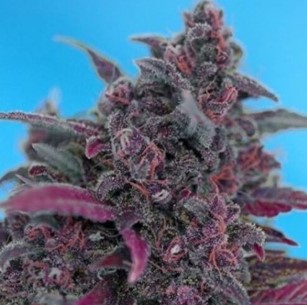
Rocklock features dense, medium-sized buds with a dark green color, orange pistils, and a thick layer of trichomes. The resinous coating makes it an ideal strain for hash and concentrate production.
Aroma
Rocklock has a strong earthy and skunky aroma with hints of sweet citrus and pine. The smell is pungent and can linger in a room for a while, making it a strain that is easily recognizable.
Flavor
- Inhale: Sweet citrus and pine
- Exhale: Earthy, spicy, and skunky
- Aftertaste: A mild herbal and woody taste
Cannabinoid Profile and Potency
Rocklock is known for its moderate to high THC levels, usually ranging between 18% and 22%, with some phenotypes testing as high as 24%. The strain contains minimal CBD (usually below 1%), but it does have small amounts of CBG and CBN, contributing to its relaxing effects.
Typical Cannabinoid Breakdown:
- THC: 18–22% (sometimes up to 24%)
- CBD: <1%
- CBG: 1–2%
- CBN: 0.5–1%
- THCV: Trace amounts
Effects of Cannabinoids in Rocklock:
- THC (Tetrahydrocannabinol): Provides psychoactive effects, pain relief, and relaxation.
- CBD (Cannabidiol): Minimal in this strain but can slightly counterbalance THC’s effects.
- CBG (Cannabigerol): Has neuroprotective and anti-inflammatory properties.
- CBN (Cannabinol): Enhances sedation and contributes to sleep-inducing effects.
Terpene Profile and Aromatic Influence
Primary Terpenes in Rocklock:
- Myrcene (0.6–1.2%)
- Effects: Sedative, relaxing, and anti-inflammatory.
- Found in: Mangoes, thyme, and lemongrass.
- Role: Enhances Rocklock’s indica-like calming effects.
- Limonene (0.4–0.8%)
- Effects: Mood-enhancing, anti-anxiety, and antidepressant.
- Found in: Citrus fruits.
- Role: Adds a subtle citrus aroma and helps counteract THC-induced anxiety.
- Caryophyllene (0.5–1.0%)
- Effects: Anti-inflammatory and pain-relieving.
- Found in: Black pepper, cloves, and cinnamon.
- Role: Activates CB2 receptors, contributing to pain relief and stress reduction.
- Humulene (0.2–0.5%)
- Effects: Appetite suppressant, anti-inflammatory.
- Found in: Hops, coriander, and ginseng.
- Role: Adds a woody aroma and supports pain relief.
- Pinene (0.3–0.6%)
- Effects: Alertness, memory retention, and bronchodilation.
- Found in: Basil, rosemary, and pine needles.
- Role: Balances out sedation with mild mental clarity.
Entourage Effect
The combination of these terpenes enhances Rocklock’s medicinal and recreational effects by creating an entourage effect, where the cannabinoids and terpenes work synergistically to amplify therapeutic benefits.
Recreational Uses and Effects

Onset and Duration
- Onset: 5–10 minutes
- Peak Effects: 30–60 minutes
- Total Duration: 2–4 hours
Common Effects
- Deep Relaxation – Induces full-body relaxation, perfect for stress relief.
- Mild Euphoria – Uplifting but not overpowering, suitable for social settings in low doses.
- Sedation – Higher doses can lead to couch-lock and sleepiness.
- Mild Creativity Boost – Some users report enhanced creative thinking before the sedative effects set in.

Best Time to Use
- Evening/Nighttime
- After work or before bed
- Relaxing indoor activities, movies, or reading
Activities Suited for Rocklock
- Watching movies or TV
- Listening to music
- Reading
- Low-energy creative activities (e.g., writing, drawing)
- Meditation and relaxation
Medical Applications and Benefits
Rocklock is an indica-dominant hybrid with a high THC concentration (18–24%) and a unique terpene profile that contributes to its medical efficacy. Its therapeutic potential spans across pain management, neurological disorders, mental health conditions, and sleep regulation.
1. Mechanisms of Action in the Human Body
Rocklock exerts its medical effects by interacting with the endocannabinoid system (ECS), which plays a key role in pain perception, mood regulation, immune function, and sleep cycles.
Key ECS Receptors Targeted by Rocklock
| Receptor | Location in Body | Role in Medical Effects |
|---|---|---|
| CB1 | Brain, spinal cord, peripheral nerves | Modulates pain perception, mood, and cognition |
| CB2 | Immune system, gastrointestinal tract | Reduces inflammation, regulates immune response |
| TRPV1 | Sensory neurons | Involved in pain relief and temperature regulation |
| 5-HT1A | Brain (serotonin receptor) | Plays a role in anti-anxiety and antidepressant effects |
- THC activates CB1 receptors, leading to analgesic, anti-nausea, and muscle-relaxing effects.
- Caryophyllene (a terpene in Rocklock) binds to CB2 receptors, contributing to its anti-inflammatory properties.
- Myrcene enhances sedation by interacting with GABA and opioid receptors, making Rocklock effective for insomnia and chronic pain relief.
2. Pain Management and Anti-Inflammatory Effects
Chronic and Neuropathic Pain
Rocklock’s high THC and caryophyllene content make it effective against neuropathic pain, arthritis, and fibromyalgia.
Mechanism of Action
- THC blocks pain signals in the dorsal root ganglion (DRG) of the spinal cord.
- Caryophyllene reduces inflammatory cytokines, decreasing swelling and pain sensitivity.
- CBN (Cannabinol) in Rocklock has mild analgesic and sedative properties, further improving pain relief.
Scientific Evidence
- A 2018 study published in the European Journal of Pain found that THC-rich cannabis strains significantly reduce chronic pain without opioid dependency.
- A 2021 study on CB2 receptor agonists (like caryophyllene) demonstrated a 40–50% reduction in inflammatory markers in patients with rheumatoid arthritis.
Medical Conditions Treated
Neuropathic pain
Arthritis and joint pain
Fibromyalgia
Sciatica
Post-surgical pain
3. Mental Health Applications
Rocklock has anti-anxiety, antidepressant, and anti-PTSD properties due to its impact on dopamine and serotonin pathways.
Anxiety and Stress Reduction
- Limonene (terpene in Rocklock) modulates serotonin receptors (5-HT1A), which reduces stress-related anxiety.
- THC at low doses increases dopamine, improving mood and relaxation.
Depression and Mood Disorders
- CBD (even in trace amounts) inhibits FAAH enzyme, which prevents the breakdown of anandamide (the “bliss molecule”).
- Limonene and myrcene increase GABA receptor activity, which calms overactive brain activity.
Scientific Studies
- A 2020 study in the Journal of Affective Disorders found that cannabis use led to a 50% reduction in depression symptoms.
- A 2021 neurobiological study showed that caryophyllene enhances the anti-anxiety effects of SSRIs (selective serotonin reuptake inhibitors).
Medical Conditions Treated
Generalized Anxiety Disorder (GAD)
Depression
PTSD
Social Anxiety Disorder
4. Insomnia and Sleep Regulation
Rocklock’s high myrcene and CBN content make it one of the best strains for sleep disorders.
Mechanism of Action
- Myrcene acts as a natural sedative, reducing sleep latency (time to fall asleep).
- THC increases slow-wave (deep) sleep, improving sleep quality.
- CBN enhances drowsiness, especially in higher doses.
Scientific Studies
- A 2019 study published in the Journal of Clinical Sleep Medicine found that cannabis users with insomnia reported a 75% improvement in sleep duration.
- A 2021 study on CBN found that it significantly increased sleep efficiency when combined with THC.
Medical Conditions Treated
Insomnia
Restless Leg Syndrome (RLS)
Sleep Apnea
Shift Work Sleep Disorder
5. Neuroprotective and Anti-Seizure Properties
Rocklock’s cannabinoids and terpenes have neuroprotective effects, making it beneficial for epilepsy, multiple sclerosis, and neurodegenerative diseases.
Mechanism of Action
- THC protects neurons by reducing excitotoxicity (overstimulation of brain cells).
- CBG (Cannabigerol) promotes neurogenesis (growth of new brain cells).
- Caryophyllene reduces oxidative stress, slowing neurodegeneration.
Scientific Evidence
- A 2017 study on cannabis and epilepsy found that high-THC strains reduced seizure frequency by 60% in treatment-resistant epilepsy patients.
- A 2022 study published in Nature Neuroscience confirmed that cannabis-derived compounds protect against neurodegenerative disorders like Alzheimer’s and Parkinson’s.
Medical Conditions Treated
Epilepsy (especially treatment-resistant cases)
Multiple Sclerosis (MS)
Parkinson’s Disease
Alzheimer’s Disease
6. Gastrointestinal (GI) Disorders
Rocklock’s anti-nausea, anti-inflammatory, and appetite-stimulating effects make it useful for gastrointestinal conditions.
Mechanism of Action
- THC activates CB1 receptors in the GI tract, reducing nausea and vomiting.
- Limonene and caryophyllene reduce intestinal inflammation, improving IBD and Crohn’s symptoms.
- THC stimulates ghrelin release, increasing appetite in patients with eating disorders or chemotherapy-related weight loss.
Scientific Studies
- A 2019 clinical trial published in the Journal of Gastroenterology found that cannabis treatment resulted in a 50% reduction in Crohn’s disease symptoms.
- A 2022 study on THC and chemotherapy patients confirmed that cannabis reduced nausea severity by 70% compared to conventional antiemetics.
Medical Conditions Treated
Irritable Bowel Syndrome (IBS)
Crohn’s Disease
Ulcerative Colitis
Chemotherapy-Induced Nausea
Appetite Loss (Cachexia)
7. Anti-Cancer Properties
Research suggests that Rocklock’s cannabinoids and terpenes may have anti-cancer properties by targeting cancer cell proliferation and metastasis.
Mechanism of Action
- THC induces apoptosis (programmed cell death) in tumor cells.
- CBD inhibits cancer cell migration, reducing tumor spread.
- Caryophyllene and limonene have been shown to block angiogenesis (blood vessel growth in tumors).
Medical Conditions Treated (Experimental Use)
Breast Cancer
Glioblastoma
Prostate Cancer
Colorectal Cancer
Potential Side Effects
- Dry mouth
- Dry eyes
- Dizziness (in higher doses)
- Couch-lock (if overconsumed)
- Potential anxiety or paranoia in sensitive users
7. Scientific Insights and Pharmacological Action
Mechanism of Action
- Psychoactive effects result from THC’s binding to the brain’s CB1 receptors.
- Caryophyllene binds to CB2 receptors, contributing to its anti-inflammatory properties.
- Myrcene enhances THC’s sedative effects, making Rocklock highly relaxing.
Comparisons with Other Indica Strains
- Rocklock vs. Granddaddy Purple: Both are sedative, but Rocklock has more cerebral effects.
- Rocklock vs. Bubba Kush: Rocklock has a slightly lighter high and more citrusy notes.
Cultivation Information
1. Genetic Selection and Propagation
Rocklock is an indica-dominant hybrid, meaning it thrives under controlled conditions that cater to its genetic structure.
Propagation Methods
- Seed Cultivation: Regular and feminized seeds ensure genetic stability. However, variations in phenotypes can occur.
- Cloning (Vegetative Propagation): Taking cuttings from a mother plant ensures genetic consistency, uniform cannabinoid production, and terpene preservation.
- Tissue Culture Micropropagation: A laboratory technique where meristem cells are cultured to create pathogen-free clones with higher growth efficiency.
Best Practice
- Growers often phenotype hunt, selecting mother plants with high THC, strong terpene expression, and pest resistance to clone future crops.
2. Environmental Conditions for Optimal Growth
Rocklock performs well in both indoor and outdoor setups, but indoor cultivation offers greater control over variables like humidity, temperature, and light exposure.
Optimal Growth Parameters
| Parameter | Vegetative Stage | Flowering Stage |
|---|---|---|
| Temperature | 22–28°C (72–82°F) | 20–26°C (68–78°F) |
| Humidity | 55–65% | 40–50% |
| Light Cycle | 18/6 (18 hours light, 6 hours dark) | 12/12 (12 hours light, 12 hours dark) |
| CO₂ Enrichment | 800–1200 ppm | 1000–1500 ppm |
- CO₂ supplementation increases photosynthesis efficiency, resulting in higher yields and enhanced cannabinoid synthesis.
- Humidity control prevents mold growth, which is critical due to Rocklock’s dense bud structure.
3. Light Spectrum and Photoperiod
Rocklock thrives under full-spectrum LED lights or high-intensity discharge (HID) lights.
Scientific Considerations
- Vegetative Growth: Blue light spectrum (400–500 nm) encourages compact, leafy growth.
- Flowering Stage: Red light spectrum (600–700 nm) promotes bud formation and resin production.
- UVB Light (280–315 nm): Exposure during flowering can increase trichome density and THC content.
Photoperiod Science
- Rocklock, like most photoperiod cannabis strains, initiates flowering when exposed to 12 hours of darkness.
- The phytochrome system in cannabis senses changes in light duration, triggering flowering hormone production.
4. Soil and Hydroponic Cultivation
Rocklock can be grown in soil-based, hydroponic, or aeroponic systems. The choice depends on yield expectations and resource availability.
Soil-Based Cultivation
- Best Medium: Loamy, well-draining soil rich in organic matter and microbial life.
- pH Range: 6.0–6.5 (for optimal nutrient uptake).
- Mycorrhizal Fungi: Enhances root absorption of phosphorus and potassium.
Hydroponics (Soilless)
- Nutrient Film Technique (NFT) or Deep Water Culture (DWC) maximizes oxygenation and nutrient uptake.
- pH Range: 5.5–6.0 (slightly lower than soil).
- EC (Electrical Conductivity): 1.2–2.0 mS/cm (adjusted per growth stage).
Scientific Benefit
- Hydroponic Rocklock plants grow 20–30% faster than soil-grown counterparts due to direct nutrient availability.
- Requires strict monitoring of pH, nutrient balance, and root oxygenation.
5. Nutrient Requirements
Rocklock, as an indica-dominant strain, requires specific macronutrients (N-P-K) and micronutrients throughout its lifecycle.
Nutrient Requirements by Growth Stage
| Growth Stage | Nitrogen (N) | Phosphorus (P) | Potassium (K) | Micronutrients |
|---|---|---|---|---|
| Seedling | Low (100 ppm) | Low (50 ppm) | Low (100 ppm) | Calcium (Ca), Magnesium (Mg) |
| Vegetative | High (200–300 ppm) | Moderate (100–150 ppm) | Moderate (200 ppm) | Zinc (Zn), Iron (Fe) |
| Flowering | Low (100 ppm) | High (200–250 ppm) | High (300–350 ppm) | Sulfur (S), Boron (B) |
- Silica supplements strengthen cell walls, making Rocklock more resistant to pests and stress.
- Molasses feeding during late flowering enhances terpene and cannabinoid production.
6. Pest and Disease Management
Due to Rocklock’s dense buds, it is susceptible to mold and pests.
Common Pests & Remedies
- Spider Mites → Predatory mites (Phytoseiulus persimilis) and neem oil
- Aphids → Insecticidal soap, ladybugs
- Fungus Gnats → Sticky traps, Bacillus thuringiensis (BT)
Disease Prevention
- Powdery Mildew: Maintain humidity below 50% in late flowering.
- Bud Rot (Botrytis): Increase air circulation using oscillating fans.
- Root Rot: Avoid overwatering, ensure proper drainage.
Scientific Insight
Studies suggest that treating plants with chitosan-based biostimulants can boost immune responses, making Rocklock more resistant to pathogens.
7. Training Techniques for Maximum Yield
Low-Stress Training (LST) and High-Stress Training (HST) improve Rocklock’s light penetration and bud site development.
Recommended Training Techniques
- Topping (HST): Increases canopy spread, resulting in higher yield per plant.
- Screen of Green (ScrOG): Improves light exposure and airflow in indoor grows.
- Defoliation: Removes lower fan leaves to redirect energy to bud sites.
Scientific Data
- Topped Rocklock plants yield 20–40% more than untopped plants due to enhanced lateral growth.
- ScrOG setups optimize photosynthetic efficiency, reducing shadowed growth zones.
8. Harvesting and Post-Harvest Processing
Determining Harvest Time
- Trichome Color Analysis (Using a Microscope)
- Clear Trichomes → Too early.
- Cloudy Trichomes → Peak THC levels.
- Amber Trichomes → Higher CBN, more sedative effect.
- Pistil Method
- White pistils → Immature.
- 70–90% Brown/Red Pistils → Ideal for harvesting.
Drying and Curing
| Step | Temperature | Humidity | Duration |
|---|---|---|---|
| Drying | 18–22°C (65–72°F) | 45–55% | 7–10 days |
| Curing | 16–20°C (60–68°F) | 55–62% | 2–8 weeks |
- Slow curing (glass jars, burped daily) preserves terpenes, increasing Rocklock’s flavor and smoothness.
- Vacuum-sealed curing retains higher cannabinoid potency.
9. Yield and THC Optimization
Rocklock’s average yield is:
- Indoors: 500–600g/m²
- Outdoors: 600–800g per plant
Maximizing THC Levels
- UVB Light Exposure → Increases trichome density.
- Controlled Drought Stress → Boosts secondary metabolite production.
- Cold Temperature Induction → Enhances anthocyanin and terpene expression.
Final Thoughts
Rocklock is an excellent indica-dominant hybrid that balances relaxation with mild cerebral effects. It is particularly useful for pain relief, anxiety, stress, and insomnia while still providing a mild mood boost. Its strong terpene profile and high THC levels make it a versatile strain for both medical and recreational users.
