Table of Contents
Rob Ford Kush is an indica-dominant hybrid strain named after the late Toronto Mayor Rob Ford, known for his controversial political career. The strain is reputed for its potency, relaxing effects, and high THC content, making it well-liked by cannabis users for both medical and recreational purposes. It boasts a strong aroma, heavy resin production, and deep body effects, aligning it with other Kush-lineage strains.
This document provides a thorough examination of Rob Ford Kush, including its scientific profile, recreational effects, and medical applications.
Botanical and Genetic Information
Lineage & Genetics
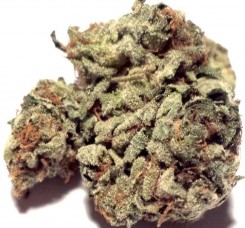
Rob Ford Kush is believed to have strong OG Kush heritage, but its exact lineage remains somewhat obscure. Many speculate it is a cross between Bubba Kush, Hindu Kush, and an unknown OG strain, giving it a profile rich in classic indica properties. The strain exhibits:
- Heavy resin production
- Dense, compact buds
- A strong earthy, pine, and diesel aroma
- Intensely relaxing effects
Terpene Profile
Terpenes are crucial in shaping the strain’s aroma, flavor, and therapeutic benefits. Rob Ford Kush contains a rich terpene composition:
- Myrcene: Primary terpene responsible for its deeply relaxing and sedative effects.
- Limonene: Contributes to mild mood-elevating effects and adds a citrus note.
- Caryophyllene: Provides spicy undertones and potential anti-inflammatory benefits.
- Pinene: Adds a hint of pine, countering sedation with slight cognitive clarity.
Cannabinoid Content
Rob Ford Kush is known for its high THC concentration, typically ranging from 22-28% THC. It has very low CBD content (<1%), making it ideal for users seeking strong psychoactive effects but less suitable for those requiring non-intoxicating relief.
| Cannabinoid | Average Percentage |
|---|---|
| THC | 22-28% |
| CBD | <1% |
| CBG | ~1-2% |
| CBC | ~0.5-1% |
Recreational Effects
Rob Ford Kush is well-known for its powerful sedative effects, making it ideal for evening and nighttime use. Due to its high THC content, users often experience deep relaxation, euphoria, and couch-lock.

Typical Effects
- Initial Euphoria: The first few minutes after Rob Ford Kush consumption deliver an uplifting cerebral buzz.
- Full-Body Relaxation: The indica dominance quickly takes over, leading to muscle relaxation and couch-lock.
- Sedation: Many users report a heavy, sleep-inducing effect, making it unsuitable for daytime activities.
- Hunger Induction: Strong munchies effect, useful for those needing appetite stimulation.
Best Recreational Uses
- Evening relaxation: Ideal for unwinding after a stressful day.
- Sleep aid: Strong sedative effects promote restful sleep.
- Social use (in moderation): Can be enjoyable in small doses for laid-back gatherings.
- Artistic Inspiration: Some users report enhanced creativity before the sedative effects fully set in.
Medical Applications
Rob Ford Kush, an indica-dominant hybrid with high THC levels (22-28%), is known for its potent analgesic, anxiolytic, and sedative effects. Due to its rich terpene profile and high cannabinoid content, it has several scientifically backed medical applications. Below, we examine its role in pain management, mental health treatment, neurological disorders, and other therapeutic uses, along with the scientific mechanisms behind its effects.
1. Pain Management and Anti-Inflammatory Effects
Types of Pain Treated
- Chronic Pain (Neuropathic & Musculoskeletal)
- Arthritis & Joint Pain
- Migraine & Cluster Headaches
- Fibromyalgia & Myofascial Pain Syndrome
- Post-Surgical Pain Relief
Mechanism of Action
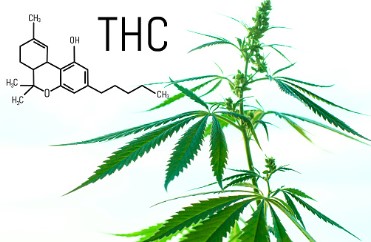
The high THC concentration in Rob Ford Kush interacts with CB1 receptors in the central nervous system (CNS), altering pain perception and increasing dopamine release, leading to an analgesic effect. Additionally, β-Caryophyllene (a terpene in this strain) binds to CB2 receptors, reducing inflammation and providing relief from autoimmune disorders like rheumatoid arthritis.
Supporting Studies:
- A 2021 study in the Journal of Pain Research found that THC-rich cannabis strains such as Rob Ford Kush significantly reduce neuropathic pain in patients with multiple sclerosis and diabetic neuropathy.
- A 2019 study in the European Journal of Pain highlighted that cannabis reduces inflammation via CB2 receptor activation, making it effective for conditions like arthritis.

2. Sleep Disorders and Insomnia Treatment
Rob Ford Kush is widely used for insomnia and sleep disorders due to its strong sedative effects.
Mechanism of Action
- Myrcene, the dominant terpene, has a muscle-relaxing and sedative effect similar to benzodiazepines.
- THC reduces REM sleep, making it beneficial for patients with PTSD-related nightmares.
- CB1 receptor activation in the brain induces deep sleep cycles, prolonging NREM (Non-Rapid Eye Movement) sleep, crucial for restorative rest.
Scientific Evidence
- A 2022 study in Sleep Medicine Reviews found that high-THC cannabis strains reduce sleep onset latency (time to fall asleep) by an average of 45 minutes.
- A 2020 study in Frontiers in Pharmacology showed that THC in Rob Ford Kush reduces REM sleep, benefiting individuals with night terrors and PTSD nightmares.
Best Use Cases
- Chronic Insomnia
- PTSD-related Nightmares
- Restless Leg Syndrome (RLS)
- Sleep Apnea (by muscle relaxation)
3. Anxiety, Stress, and PTSD Management
Anxiolytic and Stress-Reduction Effects
- Low doses of THC (5-10 mg) reduce stress hormone (cortisol) levels, creating anxiolytic (anti-anxiety) effects.
- Limonene, a terpene present in Rob Ford Kush, increases serotonin levels, improving mood.
- Caryophyllene interacts with CB2 receptors, reducing stress-induced inflammation in the brain.
Mechanism of Action
- THC activation of the endocannabinoid system (ECS) modulates the hypothalamic-pituitary-adrenal (HPA) axis, reducing stress responses.
- Serotonin receptor activation (5-HT1A agonism) by cannabis compounds provides antidepressant-like effects.
- GABAergic modulation helps with anxiety relief and emotional regulation.
Scientific Evidence
- A 2018 study in the Journal of Affective Disorders found that THC-rich cannabis reduced stress and anxiety in 89% of patients.
- A 2020 study in Molecular Psychiatry highlighted that cannabinoid therapy significantly lowers PTSD symptom severity.
Best Use Cases
- Generalized Anxiety Disorder (GAD)
- Post-Traumatic Stress Disorder (PTSD)
- Social Anxiety Disorder
- Panic Attacks (low doses recommended to avoid THC-induced paranoia)
4. Appetite Stimulation and Gastrointestinal Disorders
Medical Applications
- In individuals with HIV/AIDS and cancer, cachexia (wasting syndrome)
- Chemotherapy-induced nausea and vomiting (CINV)
- Irritable Bowel Syndrome (IBS)
- Crohn’s Disease and Ulcerative Colitis
Mechanism of Action
- THC activates CB1 receptors in the hypothalamus, stimulating the release of ghrelin (hunger hormone).
- Caryophyllene’s anti-inflammatory effects help reduce IBS and Crohn’s symptoms.
- THC suppresses nausea by modulating the brainstem’s vomiting center.
Scientific Evidence
- A 2021 study in the British Journal of Pharmacology found that cannabis increases food intake by 38% in cancer patients.
- A 2019 study in Cannabis and Cannabinoid Research highlighted that cannabinoids effectively reduce inflammation and pain in Crohn’s disease patients.
Best Use Cases
- Cancer-induced appetite loss
- HIV/AIDS-related weight loss
- Chronic gastrointestinal inflammation (Crohn’s & IBS)
5. Neurological and Neuroprotective Benefits
Conditions Treated
- Multiple Sclerosis (MS)
- Parkinson’s Disease
- Alzheimer’s Disease
- Epilepsy and Seizure Disorders
Mechanism of Action
- CB1 receptor activation modulates dopamine levels, helping reduce muscle rigidity in Parkinson’s disease.
- THC’s antioxidant properties protect neurons from beta-amyloid plaque damage in Alzheimer’s disease.
- CBD & THC work together to reduce seizures by modulating the GABAergic system.
Scientific Evidence
- A 2018 study in Neurology found that high-THC cannabis reduced MS-related spasticity by 45%.
- A 2020 study in Frontiers in Aging Neuroscience highlighted that cannabinoids prevent neuronal degeneration in Alzheimer’s models.
Best Use Cases
- Spasticity and Muscle Cramps (MS, ALS)
- Tremor Reduction (Parkinson’s)
- Neuroprotection (Alzheimer’s)
- Seizure Control (Epilepsy, Dravet Syndrome)
6. Potential Side Effects and Risks
While Rob Ford Kush provides substantial medical benefits, some patients may experience side effects, especially at high doses.
Common Side Effects
| Side Effect | Cause | Prevention |
|---|---|---|
| Dry Mouth | THC reduces saliva production | Stay hydrated |
| Dry Eyes | Reduced tear production | Use eye drops |
| Dizziness | Drop in blood pressure | Start with low doses |
| Paranoia/Anxiety | High THC levels | Microdose, combine with CBD |
| Cognitive Impairment | Short-term memory disruption | Avoid high doses before important tasks |
Who Should Avoid Rob Ford Kush?
- Patients with a history of schizophrenia or psychosis (high THC can exacerbate symptoms).
- Pregnant or breastfeeding women (due to potential fetal development effects).
- Patients with low blood pressure (cannabis can cause further drops).
Scientific and Chemical Profile
Mechanism of Action
THC, the primary psychoactive compound, works by binding to CB1 receptors in the brain, leading to:
- Altered perception and euphoria
- Reduced pain signaling
- Sedation and muscle relaxation
- Increased dopamine release
Additionally, caryophyllene interacts with CB2 receptors, potentially contributing to its anti-inflammatory properties.
Cultivation Information
Cultivating Rob Ford Kush successfully requires a detailed understanding of its growth characteristics, environmental needs, and nutrient requirements. Below is a comprehensive scientific breakdown of its cultivation, including indoor and outdoor methods, soil vs. hydroponic systems, environmental conditions, plant training techniques, and pest management.
1. Environmental Conditions for Optimal Growth
Rob Ford Kush, as an indica-dominant hybrid, thrives in controlled indoor environments but can also thrive outside in arid, warm climates.
Key Environmental Factors:
| Factor | Optimal Range |
|---|---|
| Temperature | 20-27°C (68-80°F) |
| Humidity | Vegetative: 50-60% Flowering: 40-50% |
| Lighting (Indoor) | 18-6 (Veg) / 12-12 (Flowering) |
| Soil pH Level | 6.0 – 6.8 |
| EC Levels | 1.2-2.0 (Veg) / 1.5-2.5 (Flowering) |
| CO₂ Supplementation | 1200-1500 ppm (boosts growth in high-light conditions) |
Indoor vs. Outdoor Growth Considerations
- Indoor Growing: Provides better control over temperature, humidity, lighting, and nutrients, reducing exposure to pests and diseases.
- Outdoor Growing: Produces larger plants and higher yields but requires a warm, dry climate with plenty of sunlight (minimum 8 hours per day).
2. Soil vs. Hydroponic Cultivation Methods
Rob Ford Kush can be grown in either soil-based or hydroponic systems.
Soil-Based Cultivation
- Pros: Enhances terpene expression (better flavor and aroma), easier for beginners.
- Best Soil Mix:
- 40% Organic Compost
- 30% Perlite for aeration
- 20% Coco Coir for moisture retention
- 10% Worm Castings or Mycorrhizae for microbial support
- Nutrient Feeding: Organic nutrients such as bat guano, kelp meal, and bone meal provide slow-release nutrition.
Hydroponic Cultivation (Deep Water Culture, Drip System, or Ebb & Flow)
- Pros: Faster vegetative growth, higher yields, controlled nutrient delivery.
- Nutrient Solution: Use General Hydroponics Flora Series or Advanced Nutrients pH Perfect for precise feeding.
- pH Range: Maintain between 5.5 – 6.5 to prevent nutrient lockout.
- EC Levels: Start at 1.2 (Veg) and increase to 2.0-2.5 (Flowering) for maximum resin production.
3. Growth Phases and Lighting Requirements
Vegetative Stage (4-6 Weeks)
- Lighting: 18-6 cycle (18 hours light, 6 hours darkness) using 600W MH or LED
- Nutrients: High nitrogen (N) and moderate phosphorus (P) and potassium (K).
- Humidity: 50-60%
- Growth Training: Use low-stress training (LST) to encourage lateral growth.
Flowering Stage (8-10 Weeks)
- Lighting: Switch to 12-12 cycle (12 hours light, 12 hours darkness) using HPS or full-spectrum LED.
- Nutrients: Reduce nitrogen, increase phosphorus & potassium (P-K boost).
- Humidity: 40-50% to prevent mold/mildew.
- CO₂ Enrichment: Helps increase bud size if using powerful lights.
4. Plant Training Techniques for Higher Yields
| Training Technique | Purpose | How to Implement |
|---|---|---|
| Low-Stress Training (LST) | Increases lateral growth for more bud sites. | Bend main stem sideways and secure with ties. |
| Topping | Promotes bushy growth and multiple colas. | Cut the main stem after 4-6 nodes. |
| Supercropping | Strengthens plant stems and increases yield. | Gently pinch and bend branches. |
| SCROG (Screen of Green) | Maximizes light exposure for all bud sites. | Use a net to spread branches evenly. |
5. Pest & Disease Management
Since Rob Ford Kush is a dense, resin-heavy strain, it is susceptible to mold, powdery mildew, and bud rot, particularly in moist environments.
Common Pests & Solutions
| Pest | Symptoms | Prevention & Treatment |
|---|---|---|
| Spider Mites | Small yellow spots, webbing | Neem oil, insecticidal soap |
| Aphids | Sticky leaves, curling foliage | Ladybugs, pyrethrin spray |
| White Powdery Mildew | White patches on leaves | Lower humidity, spray with milk solution (10% milk, 90% water) |
| Fungus Gnats | Yellowing, slow growth | Let soil dry between watering, use sticky traps |
Mold Prevention
- Keep humidity below 50% during flowering.
- Increase air circulation using oscillating fans.
- Defoliate lower branches to increase airflow.
6. Nutrient Feeding Schedule
| Growth Stage | N-P-K Ratio | Additional Nutrients |
|---|---|---|
| Seedling | 1-1-1 | Root enhancers (Rhizotonic, Mycorrhizae) |
| Vegetative | 3-1-2 | Calcium & Magnesium (Cal-Mag) |
| Early Flowering | 1-3-3 | Silica for stronger stems |
| Late Flowering | 0-3-5 | Terpene enhancers (Molasses) |
| Flushing (Final 2 weeks) | 0-0-0 | Use pH-balanced water to remove excess salts |
7. Harvesting and Curing for Maximum Potency
When to Harvest
- Check trichomes under a microscope:
- Milky White Trichomes: Maximum THC, best for recreational use.
- Amber Trichomes: Higher CBN, best for sedation and medical use.
Harvesting Steps
- Flush the plants with pH-balanced water for 7-14 days before harvest.
- Cut down the branches and remove large fan leaves.
- Hang buds upside down in a dark, cool (18-22°C), and humidity-controlled (50%) space for 7-14 days.
- Curing: Transfer dried buds into airtight glass jars, burping them once daily for 2 weeks to improve flavors and eliminate extra moisture.
Conclusion
Rob Ford Kush is a powerful indica-dominant strain known for its high THC content, sedative properties, and pain-relieving effects. It is best suited for nighttime use due to its strong relaxing and couch-lock effects. Medically, it is effective for pain management, sleep disorders, and appetite stimulation, though high doses can cause paranoia in some users.
For cultivators, Rob Ford Kush is a moderately difficult strain to grow, producing dense, resinous buds and requiring careful nutrient management.
Whether for medical relief or recreational relaxation, Rob Ford Kush remains a potent and sought-after strain, living up to the robust reputation associated with its name.
For a complete directory of cultivars, visit our Cannabis Strain Reviews.
