Table of Contents
Ringo’s Gift is a renowned hybrid cannabis strain with a rich history, profound medicinal benefits, and versatile cultivation methods. Named after the late Lawrence Ringo, a pioneer in cannabis breeding, this strain is celebrated for its unique CBD-to-THC ratio, making it a staple for medical cannabis patients and those seeking a balanced experience. Below, we delve into detailed information about Ringo’s Gift, including its medical and recreational uses, scientific insights into its methods of ingestion, and an extensive overview of its cultivation.
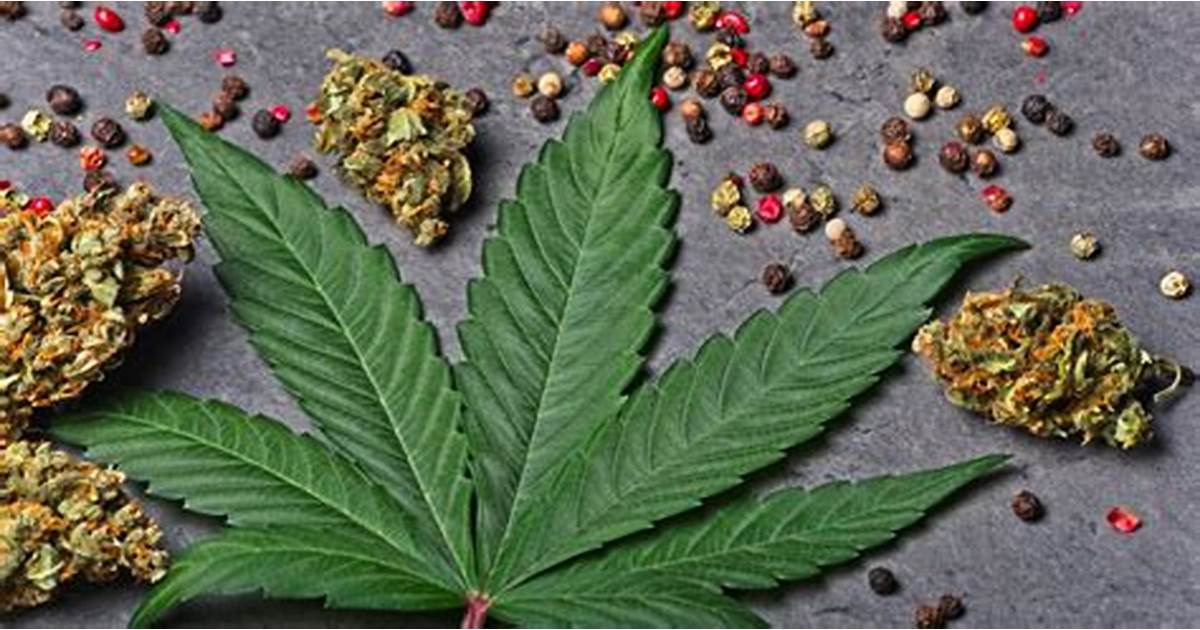
Ringo’s Gift is a hybrid strain that blends Harle-Tsu and ACDC, two high-CBD strains. The result is a strain with an impressive CBD profile, often featuring CBD-to-THC ratios of up to 24:1. The strain is recognized for its mild psychoactive effects, focusing more on therapeutic relief than a euphoric high.
- Genetics: Harle-Tsu x ACDC
- Dominance: Sativa-leaning hybrid
- Cannabinoid Content: High CBD, low THC (ratios can range from 1:1 to 24:1)
- Aroma and Flavor: Earthy, piney, with hints of citrus and floral undertones
The pharmacokinetics of Ringo’s Gift, dominated by its high cannabidiol (CBD) content and low tetrahydrocannabinol (THC) levels, underpin its extensive medical applications. Understanding how cannabinoids interact with the body, their absorption, distribution, metabolism, and excretion helps illuminate the therapeutic mechanisms of this unique strain.
Pharmacokinetics of CBD and THC in Ringo’s Gift
1. Absorption
- Inhalation (Smoking or Vaporization):
- Bioavailability: Approximately 30–50% for CBD and THC.
- Mechanism: Cannabinoids enter the bloodstream through the alveoli in the lungs, leading to rapid absorption.
- Onset: Effects are noticeable within 1–3 minutes, making inhalation suitable for acute conditions like anxiety or breakthrough pain.
- Oral Ingestion (Edibles or Capsules):
- Bioavailability: Low, typically 6–19% due to extensive first-pass metabolism in the liver.
- Mechanism: Cannabinoids are absorbed in the gastrointestinal tract and processed in the liver. Here, THC is metabolized into the more potent 11-hydroxy-THC, while CBD undergoes oxidation and conjugation.
- Onset: Delayed (30–120 minutes), with effects lasting up to 6–8 hours.
- Sublingual Administration (Tinctures):
- Bioavailability: Approximately 13–35%, bypassing first-pass metabolism.
- Mechanism: Cannabinoids are absorbed directly into the bloodstream through the sublingual mucosa.
- Onset: Faster than oral ingestion (15–30 minutes).
2. Distribution
- Cannabinoids are highly lipophilic and bind to plasma proteins like albumin, distributing primarily to fatty tissues, the brain, liver, and kidneys.
- CBD shows limited penetration of the blood-brain barrier compared to THC, reducing psychoactivity and emphasizing therapeutic effects.
- Distribution half-life:
- CBD: Approximately 3–5 hours.
- THC: Approximately 4 hours, though it can linger in adipose tissue for days or weeks.
3. Metabolism
- Liver (Cytochrome P450 Enzymes):
- CBD: Metabolized by CYP3A4 and CYP2C19 into active and inactive metabolites, including 7-OH-CBD, which contributes to anti-inflammatory effects.
- THC: Primarily metabolized by CYP2C9 and CYP3A4 into active 11-hydroxy-THC and inactive THC-COOH.
- CBD has inhibitory effects on CYP enzymes, potentially interacting with medications metabolized by these pathways, such as warfarin or anticonvulsants.
- Genetic polymorphisms in CYP enzymes (e.g., CYP2C19) can influence individual responses to CBD and THC.
4. Elimination
- Cannabinoids are excreted primarily through feces (65%) and urine (20%).
- Elimination half-life:
- CBD: 18–32 hours after oral administration.
- THC: 25–36 hours, though metabolites may persist for weeks with chronic use.
Medical Mechanisms of Action
1. Pain Relief
- Pathophysiology: Chronic pain involves hyperactivity in nociceptive pathways and inflammation.
- Mechanism:
- CBD interacts with TRPV1 (vanilloid) receptors, modulating pain perception.
- Indirect activation of CB1 and CB2 receptors via inhibition of FAAH (fatty acid amide hydrolase), which degrades anandamide, enhances the endocannabinoid system’s analgesic effects.
- THC (in trace amounts in Ringo’s Gift) directly activates CB1 receptors, reducing pain signaling in the central nervous system (CNS).
2. Anxiety and Stress
- Pathophysiology: Anxiety involves dysregulation of the hypothalamic-pituitary-adrenal (HPA) axis and overactivation of amygdala circuits.
- Mechanism:
- CBD acts as a partial agonist at 5-HT1A serotonin receptors, promoting anxiolytic effects.
- Reduces amygdala activation and increases prefrontal cortex activity, improving emotional regulation.
- Studies show CBD reduces heart rate and blood pressure associated with acute stress.
3. Epilepsy and Seizures
- Pathophysiology: Seizures result from abnormal neuronal excitability.
- Mechanism:
- CBD inhibits T-type calcium channels and modulates GABAergic neurotransmission, stabilizing neuronal activity.
- Potent inhibition of TRPV1 and adenosine reuptake contributes to anticonvulsant effects.
- Clinical evidence: Ringo’s Gift, like purified CBD formulations (e.g., Epidiolex), has been shown to reduce seizure frequency in treatment-resistant epilepsy.
4. Inflammation
- Pathophysiology: Chronic inflammation involves overactivation of immune responses and cytokine release.
- Mechanism:
- CBD suppresses NF-κB signaling, reducing pro-inflammatory cytokines like TNF-α and IL-6.
- Activation of CB2 receptors modulates immune cell activity, reducing inflammation without psychoactive effects.
- CBD’s antioxidant properties mitigate oxidative stress, a key driver of inflammatory conditions.
5. Neurological Disorders
- Pathophysiology: Disorders like multiple sclerosis and Parkinson’s involve neuroinflammation, oxidative stress, and excitotoxicity.
- Mechanism:
- CBD’s neuroprotective effects stem from its ability to reduce excitotoxicity via NMDA receptor modulation.
- Promotes mitochondrial function and reduces reactive oxygen species (ROS) production.
- THC in trace amounts may reduce muscle spasticity in conditions like multiple sclerosis via CB1 receptor activation.
6. Sleep Disorders
- Pathophysiology: Sleep disturbances often involve hyperarousal and dysregulated circadian rhythms.
- Mechanism:
- CBD promotes sleep by reducing anxiety and normalizing cortisol secretion patterns.
- Modulates the hypothalamus, which controls sleep-wake cycles, without sedative side effects.
Clinical Evidence Supporting Medical Uses
1. Pain Management
- A 2018 study in the Journal of Pain Research showed that high-CBD strains like Ringo’s Gift reduced chronic pain in 74% of participants, with minimal psychoactive effects.
2. Anxiety
- A 2019 study in The Permanente Journal reported that 79% of patients experienced reduced anxiety during the first month of using CBD.
3. Epilepsy
- Clinical trials for Epidiolex demonstrated a 50% reduction in seizure frequency in patients with Dravet syndrome and Lennox-Gastaut syndrome.
4. Inflammation and Autoimmune Diseases
- Preclinical studies indicate CBD’s efficacy in reducing inflammation markers in models of rheumatoid arthritis and Crohn’s disease.
5. Neurological Protection
- A 2017 review in Frontiers in Pharmacology highlighted CBD’s potential to slow neurodegeneration in Alzheimer’s and Parkinson’s disease models.
Recreational Uses of Ringo’s Gift
While Ringo’s Gift is primarily a medicinal strain, it has found a niche in the recreational market. Its low THC content ensures a mild psychoactive experience, suitable for individuals seeking relaxation without impairment.
1. Socializing
- The subtle euphoric effects and calming properties make it an excellent choice for social gatherings, allowing users to remain clear-headed and engaged.
2. Creativity and Focus
- The strain’s sativa-dominant lineage supports creativity and focus, making it a go-to for artists and professionals who want to stay productive.
3. Relaxation
- Ringo’s Gift is ideal for unwinding after a long day, providing a sense of calm without the intense “couch-lock” effect.
4. Wellness and Self-Care
- Many recreational users incorporate Ringo’s Gift into wellness routines, including yoga, meditation, and mindfulness practices.
Ringo’s Gift: Methods of Ingestion
Ringo’s Gift, with its high CBD and low THC profile, is ideal for both medicinal and recreational users. The choice of ingestion method impacts how cannabinoids and terpenes are absorbed, influencing the strain’s efficacy and experience. Below is a comprehensive exploration of the scientific mechanisms behind various ingestion methods and their impact on the body.

1. Smoking (Combustion)
- Mechanism: Combustion releases cannabinoids and terpenes in the form of smoke, which is inhaled into the lungs. The compounds are absorbed through the alveoli and enter the bloodstream rapidly.
- Onset: 1–3 minutes.
- Duration: 1–3 hours.
- Advantages:
- Immediate relief, ideal for acute symptoms like pain or anxiety.
- Full-spectrum experience due to the presence of cannabinoids and terpenes in their natural ratios.
- Disadvantages:
- Carbon monoxide and tar are two dangerous byproducts of combustion.
- Not appropriate for people with respiratory conditions.
- Scientific Considerations:
- Smoking temperatures exceed 500°C, degrading some cannabinoids and terpenes. However, CBD and THC remain stable up to approximately 160–220°C, allowing their primary effects to remain intact.
2. Vaporization
- Mechanism: Heating cannabis to a temperature below combustion (typically 180–220°C) releases cannabinoids and terpenes as vapor.
- Onset: 1–5 minutes.
- Duration: 2–4 hours.
- Advantages:
- Decreased exposure to toxic byproducts in contrast to smoking.
- Better preservation of terpenes and cannabinoids, leading to a more flavorful and potent experience.
- Disadvantages:
- Requires specialized equipment.
- Initial cost of vaporizers may deter some users.
- Scientific Considerations:
- Vaporization delivers a higher percentage of cannabinoids (50–80%) compared to smoking (~30%).
- Lower temperatures prevent degradation of sensitive terpenes like myrcene, enhancing therapeutic effects.
3. Edibles
- Mechanism: Cannabinoids are metabolized in the liver after oral ingestion, where delta-9-THC converts to the more potent 11-hydroxy-THC (if present), enhancing psychoactivity. CBD, however, largely bypasses this conversion, exerting systemic effects through non-intoxicating pathways.
- Onset: 30–120 minutes.
- Duration: 4–8 hours.
- Advantages:
- Long-lasting effects suitable for chronic conditions like pain or insomnia.
- Discreet consumption with no respiratory risks.
- Disadvantages:
- Delayed onset can lead to overconsumption.
- Effects are harder to predict due to individual differences in liver metabolism.
- Scientific Considerations:
- Bioavailability of oral CBD is approximately 6–19%, lower than inhalation methods.
- The presence of fats or oils in edibles enhances cannabinoid absorption due to their lipophilic nature.
4. Sublingual Administration (Tinctures)
- Mechanism: Cannabinoids are absorbed directly into the bloodstream through the sublingual mucosa, bypassing the digestive system.
- Onset: 15–30 minutes.
- Duration: 2–6 hours.
- Advantages:
- Faster onset compared to edibles.
- Precise dosing with minimal systemic breakdown.
- Disadvantages:
- Some users may dislike the taste of raw cannabis oil.
- Requires accurate measurement of doses.
- Scientific Considerations:
- Sublingual bioavailability ranges from 13–35%, higher than edibles but lower than inhalation.
- Cannabinoids like CBD show enhanced effects when combined with terpenes like limonene and pinene.
5. Topicals
- Mechanism: Cannabinoids interact with CB2 receptors in the skin without entering the bloodstream, offering localized relief for inflammation and pain.
- Onset: 10–30 minutes.
- Duration: 2–4 hours.
- Advantages:
- No psychoactive effects, as cannabinoids do not cross the blood-brain barrier.
- Direct targeting of affected areas, ideal for arthritis or muscle soreness.
- Disadvantages:
- Limited to surface-level conditions; unsuitable for systemic issues.
- Scientific Considerations:
- Liposomal formulations enhance cannabinoid penetration through the skin’s lipid bilayer.
- Terpenes like myrcene and linalool may improve absorption due to their natural permeability-enhancing properties.
6. Capsules and Tablets
- Mechanism: Similar to edibles, cannabinoids are processed through the digestive system and liver, but capsules let consistent delivery and accurate dosage be possible.
- Onset: 30–90 minutes.
- Duration: 4–8 hours.
- Advantages:
- Predictable dosing with minimal preparation.
- Long shelf life and easy storage.
- Disadvantages:
- Slower onset compared to sublingual or inhalation methods.
- Scientific Considerations:
- Encapsulation in lipid-based carriers improves CBD solubility and bioavailability.
- Time-release formulations can extend the duration of effects.
Scientific Insights into Ringo’s Gift Cultivation
Ringo’s Gift’s genetic composition makes it a resilient strain, suitable for various cultivation methods. However, scientific understanding of plant biology, cannabinoid biosynthesis, and environmental controls is crucial for maximizing yield and potency.
1. Cannabinoid Biosynthesis
- Cannabinoids like CBD and THC are synthesized in the plant’s trichomes through a series of enzymatic reactions:
- CBGA (cannabigerolic acid) is the precursor to CBD and THC.
- The enzyme CBDA synthase converts CBGA into CBDA, which decarboxylates into CBD when heated.
- High CBD strains like Ringo’s Gift have genetic mutations favoring CBDA synthase activity over THCA synthase.
2. Environmental Requirements
- Light:
- Cannabis is a photoperiod plant, flowering when exposed to shorter light cycles (12 hours of darkness).
- LED grow lights are ideal for energy efficiency and spectrum control, promoting cannabinoid and terpene production.
- Temperature:
- Vegetative Stage: 70–85°F (21–29°C).
- Flowering Stage: 65–80°F (18–27°C) to enhance resin production.
- Humidity:
- Vegetative Stage: 50–70%.
- Flowering Stage: 40–50% to prevent mold and mildew.
3. Nutritional Requirements
- Macronutrients:
- Nitrogen (N) for vegetative growth.
- Phosphorus (P) and Potassium (K) for flowering and bud development.
- Micronutrients:
- Calcium, magnesium, and sulfur for enzyme function and structural integrity.
- Organic vs. Synthetic:
- Organic cultivation enhances terpene profiles, while synthetic nutrients allow for precise control over nutrient uptake.
4. Cultivation Techniques
- Soil Cultivation:
- Rich, loamy soil enhances microbial activity, aiding nutrient uptake.
- Amendments like bat guano and kelp meal improve soil fertility.
- Hydroponics:
- Provides direct nutrient delivery, leading to faster growth and higher yields.
- Requires careful pH and nutrient monitoring to avoid deficiencies or toxicities.
- Aeroponics:
- Nutrient-rich solutions are misted on roots that are suspended in the air.
- Maximizes oxygenation, resulting in rapid growth.
5. Training Methods
- Low-Stress Training (LST):
- Bending branches to create an even canopy, improving light penetration.
- Screen of Green (ScrOG):
- Using a mesh screen to spread branches, maximizing yield in limited spaces.
- Defoliation:
- Removing excess foliage enhances airflow and light penetration, reducing disease risks.
6. Harvesting and Post-Harvest
- Trichome Monitoring:
- Harvest when trichomes are milky with some amber for peak CBD content.
- Drying:
- Slow drying at 60–70°F (15–21°C) and 50–60% humidity preserves cannabinoids and terpenes.
- Curing:
- Stored in airtight containers, burped daily for the first two weeks to prevent mold and improve flavor.
7. Advanced Techniques
- Tissue Culture:
- Micropropagation ensures genetic consistency and disease-free plants.
- Cannabinoid Testing:
- High-performance liquid chromatography (HPLC) measures cannabinoid profiles, ensuring quality control.
Conclusion
Ringo’s Gift stands out as a versatile and therapeutic strain, appealing to both medical and recreational users. Its high CBD content, minimal THC levels, and unique terpene profile make it a powerful tool for managing various conditions, from chronic pain to neurological disorders. Additionally, its cultivation is accessible for growers of all experience levels, with proper care yielding a robust and high-quality product.
For those seeking a cannabis strain that bridges the gap between wellness and recreation, Ringo’s Gift is a shining example of what the cannabis plant can offer.
For a complete directory of cultivars, visit our Cannabis Strain Reviews.
