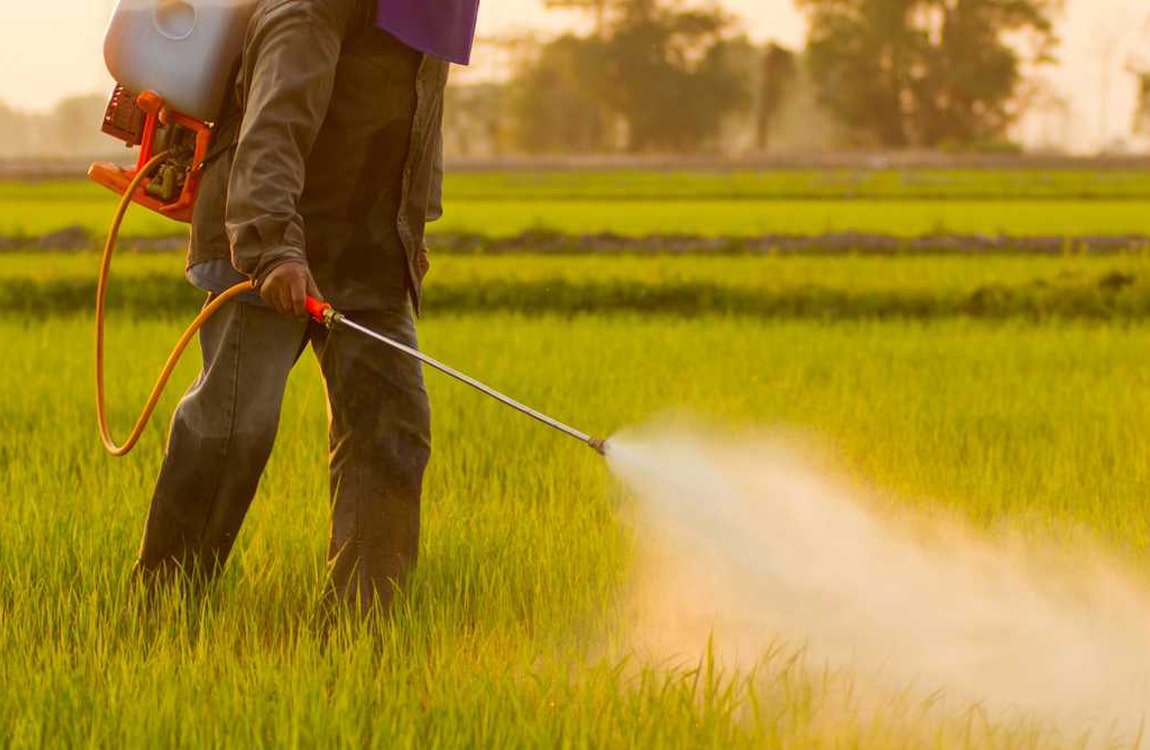
Responsible Use of Pesticides in Cannabis Cultivation
Introduction
Cannabis cultivation, like any agricultural practice, is susceptible to pests and diseases that can significantly impact crop yield and quality. Pesticides, when used responsibly, can help manage these issues and ensure healthy, productive plants. However, due to the unique nature of cannabis and its end-use for medical and recreational purposes, the use of pesticides must be approached with caution. This guide aims to provide a comprehensive overview of the responsible use of pesticides in cannabis cultivation, including understanding pesticide types, regulatory considerations, best practices, and integrated pest management (IPM) strategies.
Understanding Pesticides
What Are Pesticides?
Pesticides are chemical or biological agents used to control pests that can harm crops, animals, and humans. They include a wide range of substances designed to target specific pests, from insects to fungi, weeds, and rodents. In cannabis cultivation, pesticides play a crucial role in managing pests and diseases to ensure healthy plant growth and optimal yields.
Types of Pesticides
- Insecticides: These are employed to manage pest insects. Depending on how they work and the kind of insect they target, they can be further divided into groups. As examples, consider:
- Systemic insecticides: Absorbed by the plant and transported throughout its tissues, making the plant toxic to pests that feed on it.
- Contact insecticides: Kill insects upon direct contact.
- Stomach poisons: Ingested by insects, leading to their death.
- Herbicides: Used to control unwanted plants or weeds that compete with crops for nutrients, light, and space. They can be selective (targeting specific weed species) or non-selective (killing all plants they come in contact with).
- Fungicides: These target fungal pathogens that cause diseases such as powdery mildew, botrytis (gray mold), and root rot. Fungicides can be preventive (protecting plants from infection) or curative (treating an existing infection).
- Rodenticides: Used to control rodents like mice and rats that can damage crops and contaminate harvests. Usually, they are employed as bait.
- Bactericides: Target bacterial pathogens that can cause diseases in plants. They are less commonly used in cannabis cultivation but are important for managing specific bacterial infections.
- Acaricides: Specifically target mites, which can be significant pests in cannabis cultivation. They include products that are both insecticides and acaricides.
Pesticide Formulations
Pesticides come in various formulations, each designed to be applied in a specific way for maximum effectiveness. Common formulations include:
- Liquids: Often used as sprays, these can be solutions, emulsifiable concentrates, or suspensions.
- Granules: Solid particles that are spread on the soil or growing medium and slowly release the active ingredient.
- Dusts: Fine powders that are applied dry and adhere to plant surfaces.
- Baits: Combined with food attractants to lure and kill pests like rodents and insects.
- Aerosols: Fine mist sprays that are effective for covering large areas quickly.
Modes of Action
Pesticides work through various modes of action, depending on their target pest and chemical nature. Understanding these modes of action is crucial for effective pest management and resistance prevention. Common modes of action include:
- Nerve and Muscle: Pesticides like pyrethroids and organophosphates target the nervous system of insects, causing paralysis and death.
- Respiration: Some pesticides interfere with the cellular respiration of pests, leading to energy depletion and death.
- Growth Regulators: These stop insects from maturing or reproducing by interfering with their regular processes of growth and development.
- Cell Membrane Disruption: Some fungicides work by disrupting the cell membranes of fungal pathogens, leading to cell leakage and death.
- Photosynthesis Inhibition: Herbicides often target the photosynthetic processes in plants, effectively starving them of energy.
Regulatory Considerations
The cultivation of cannabis is highly regulated, especially when it comes to the use of pesticides. Regulatory frameworks are designed to ensure the safety of consumers, workers, and the environment. This section provides an overview of the key regulatory considerations for the responsible use of pesticides in cannabis cultivation, including approved pesticides, maximum residue limits (MRLs), application methods, record-keeping, and the use of personal protective equipment (PPE).
Approved Pesticides
- List of Approved Pesticides: Each region has a specific list of pesticides that are approved for use on cannabis. These lists are created based on rigorous testing and evaluation to ensure the safety and efficacy of the products. Growers must adhere strictly to these lists and avoid using any unapproved pesticides.
- Regular Updates: Regulatory bodies frequently update their lists of approved pesticides. It is essential for growers to stay informed about these updates to ensure ongoing compliance.
- State vs. Federal Regulations: In some countries, state and federal regulations may differ. For instance, in the United States, individual states have their own regulations for cannabis, which may differ from federal guidelines. Growers must comply with the more stringent set of regulations when discrepancies exist.
Maximum Residue Limits (MRLs)
- Definition and Importance: MRLs refer to the maximum concentration of pesticide residues that are legally permitted on cannabis products. These limits are set to protect consumer health by ensuring that pesticide residues on the final product do not exceed safe levels.
- Testing and Compliance: Cannabis products are subject to rigorous testing to ensure that they meet the established MRLs. Growers must ensure that their pesticide application practices do not lead to residues that exceed these limits.
- Regional Variations: MRLs can vary significantly between different regions. Growers who distribute their products across multiple regions must be aware of and comply with the MRLs in each jurisdiction.
Application Methods
- Approved Methods: Regulatory bodies provide specific guidelines on how pesticides should be applied to cannabis plants. This includes details on application methods (e.g., foliar spray, soil drench), application rates, and timing.
- Minimizing Drift and Runoff: Proper application techniques are essential to minimize the risk of pesticide drift and runoff, which can contaminate surrounding areas and water sources. Regulatory guidelines often include measures to reduce these risks, such as buffer zones and specific weather conditions for application.
- Equipment Calibration: Ensuring that application equipment is properly calibrated and maintained is crucial for applying the correct amount of pesticide and preventing over-application.
Record-Keeping
- Detailed Records: Growers are required to maintain detailed records of all pesticide applications. This includes information such as the product name, active ingredients, application date, dosage, method, and the person applying the pesticide.
- Inspection and Audits: Regulatory agencies may conduct inspections and audits to ensure compliance with pesticide use regulations. During these inspections, proving compliance requires accurate and current records.
- Retention Period: Records must be retained for a specified period, which can vary by region. Growers should be aware of and comply with these retention requirements.
Personal Protective Equipment (PPE)
- Mandatory Use: Regulations often mandate the use of PPE for workers who handle and apply pesticides. This is to shield employees from dangerous chemical exposure.
- Types of PPE: The required PPE may include gloves, masks, goggles, coveralls, and respirators, depending on the type of pesticide and the application method.
- Training and Compliance: Workers must be trained on the proper use of PPE and the importance of compliance with safety protocols. Regular training and reinforcement of these practices are essential for maintaining a safe working environment.
Best Practices for Responsible Pesticide Use
The responsible use of pesticides in cannabis cultivation is essential to ensure crop health, consumer safety, and environmental protection. This section outlines best practices for pesticide use, focusing on accurate pest identification, appropriate product selection, adherence to label instructions, correct timing, and effective monitoring and record-keeping.
Accurate Pest Identification
- Regular Monitoring: Regularly check plants for indications of pest infestation. For management to be effective, early detection is essential.
- Identification Tools: Use magnifying glasses, microscopes, and digital tools to accurately identify pests. Knowledge of common pests in cannabis cultivation, such as spider mites, aphids, and whiteflies, is essential.
- Consult Experts: When in doubt, seek assistance from agricultural extension services or professional pest control advisors for accurate identification.
Appropriate Product Selection
- Approved Pesticides: Only use pesticides that are approved for cannabis cultivation by regulatory authorities. Unapproved products can lead to legal issues and health risks.
- Target-Specific Products: Select pesticides that are specifically designed to target the identified pest. Using broad-spectrum pesticides can harm beneficial organisms and lead to resistance.
- Organic Options: Consider organic or biopesticides, which are typically less harmful to the environment and non-target organisms.
Adherence to Label Instructions
- Read the Label: Always read and follow the pesticide label instructions. The label contains crucial information about proper use, dosage, application methods, and safety precautions.
- Dosage and Dilution: Use the correct dosage and dilution rates specified on the label. Overuse can lead to residue issues, while underuse may be ineffective.
- Application Method: Apply pesticides using the method recommended on the label, whether it’s foliar spray, soil drench, or another technique.
Correct Timing
- Application Schedule: Apply pesticides at the optimal time for maximum effectiveness. This may vary depending on the pest’s life cycle and environmental conditions.
- Weather Conditions: Take the weather into account before using insecticides. Avoid applications during high winds or rain to reduce the risk of drift and runoff.
- Growth Stage: Some pesticides are more effective at specific plant growth stages. Follow guidelines on the best timing relative to the plant’s development.
Effective Monitoring and Record-Keeping
- Regular Monitoring: Continuously monitor pest levels and the effectiveness of pesticide applications. This helps in early detection of new infestations and in assessing the success of treatments.
- Detailed Records: Keep detailed records of all pesticide applications, including:
- Product name and active ingredients.
- Application date and time.
- Dosage and dilution rates.
- Method of application.
- Target pest.
- Environmental conditions during application.
- Compliance: Maintain records for regulatory compliance and for use in future pest management planning.
Integrated Pest Management (IPM)
- Preventive Measures: Implement cultural practices such as crop rotation, proper sanitation, and using pest-resistant strains to prevent infestations.
- Biological Control: Use natural predators, parasites, or microbial pesticides to control pest populations.
- Mechanical Control: Employ physical methods like traps, barriers, and handpicking to reduce pest numbers.
- Chemical Control: Use chemical pesticides as a last resort within an IPM framework, choosing products with the least environmental impact.
Personal Protective Equipment (PPE)
- Appropriate PPE: Ensure that all workers handling and applying pesticides use appropriate PPE, such as gloves, masks, goggles, and protective clothing.
- Training: Provide regular training on the correct use of PPE and the importance of following safety protocols.
- Health Monitoring: Monitor the health of workers regularly to detect any signs of pesticide exposure or related health issues.
Environmental Protection
- Avoid Runoff and Drift: Implement practices to minimize pesticide runoff into water sources and drift to non-target areas. This includes buffer zones, appropriate weather conditions for application, and proper equipment calibration.
- Protect Beneficial Organisms: Use pesticides that are selective to the target pest and less harmful to beneficial insects, such as pollinators and natural predators.
- Waste Management: Dispose of pesticide containers and any unused products following local regulations to prevent environmental contamination.
Case Studies and Examples
Case Study 1: Implementing Integrated Pest Management (IPM) in an Indoor Cannabis Facility
Background: An indoor cannabis cultivation facility in Colorado experienced recurring issues with spider mites, which were reducing yields and affecting plant health. The grower decided to implement an Integrated Pest Management (IPM) strategy to address the problem sustainably.
IPM Strategy:
- Cultural Practices:
- Improved sanitation by regularly cleaning growing areas and removing plant debris.
- Adjusted environmental conditions (temperature and humidity) to make the environment less favorable for spider mites.
- Biological Control:
- Introduced predatory mites (Phytoseiulus persimilis) known to feed on spider mites.
- Released these predatory mites at regular intervals to maintain control over spider mite populations.
- Mechanical Control:
- Installed sticky traps around the growing area to monitor and capture adult spider mites.
- Used vacuum devices to remove spider mites from heavily infested plants manually.
- Chemical Control:
- As a last resort, applied a targeted miticide approved for use in cannabis cultivation.
- Followed label instructions meticulously, applying the miticide during the early stages of spider mite infestation to minimize impact on beneficial organisms.
Results:
- The IPM approach significantly reduced spider mite populations.
- The reliance on chemical pesticides decreased, leading to cost savings and a healthier work environment.
- The introduction of biological controls maintained long-term pest suppression, improving plant health and yields.
Case Study 2: Organic Pest Management in Outdoor Cannabis Cultivation
Background: An outdoor cannabis farm in California faced problems with aphids, which were damaging plants and spreading diseases. The grower aimed to manage the pest issue using organic methods to comply with organic certification standards.
Organic Pest Management Strategy:
- Preventive Measures:
- Planted companion plants such as marigolds and garlic, known to repel aphids.
- Implemented crop rotation and intercropping to disrupt aphid life cycles.
- Monitoring:
- Conducted regular inspections of plants, especially new growth, to detect aphid presence early.
- Used yellow sticky traps to monitor aphid populations and gather data on infestation levels.
- Biological Control:
- Released ladybugs (Hippodamia convergens), natural predators of aphids, to control aphid populations.
- Augmented with parasitic wasps (Aphidius colemani), which lay eggs inside aphids, killing them from within.
- Organic Pesticides:
- When aphid populations surged, applied organic insecticidal soap and neem oil, both approved for use in organic cultivation.
- Ensured thorough coverage of the plants, focusing on the undersides of leaves where aphids commonly reside.
Results:
- The combination of preventive measures, biological control, and organic pesticides effectively managed aphid populations.
- The farm maintained its organic certification, and the quality of the cannabis plants improved.
- Yield losses due to aphids were minimized, and the overall health of the plants was enhanced.
Case Study 3: Managing Powdery Mildew in a Greenhouse Cannabis Operation
Background: A greenhouse cannabis operation in Oregon encountered persistent issues with powdery mildew, which affected the leaves and buds of the plants. The grower sought a comprehensive approach to manage the disease.
Management Strategy:
- Environmental Controls:
- Improved ventilation and air circulation within the greenhouse to reduce humidity levels, which are conducive to powdery mildew growth.
- Installed dehumidifiers to maintain optimal humidity levels, especially during the flowering stage.
- Cultural Practices:
- Pruned plants regularly to increase air flow and reduce the density of foliage, making it harder for mildew to establish.
- Sanitized tools and equipment between uses to prevent the spread of the pathogen.
- Biological Control:
- Applied beneficial fungi (Trichoderma harzianum) to the soil to enhance the plant’s natural defenses against powdery mildew.
- Introduced microbial sprays containing Bacillus subtilis, known to suppress powdery mildew spores.
- Chemical Control:
- Used a sulfur-based fungicide, applied during the early stages of infestation. Sulfur is effective against powdery mildew and approved for use in many cannabis cultivation settings.
- Rotated with a potassium bicarbonate spray to prevent the development of resistance.
Results:
- The integrated approach significantly reduced the incidence and severity of powdery mildew.
- Improved environmental controls and cultural practices prevented future outbreaks.
- The use of biological and chemical controls in rotation helped maintain plant health and productivity without over-reliance on fungicides.
Case Study 4: Compliance and Best Practices in a Legal Cannabis State
Background: A licensed cannabis grower in Washington State needed to comply with strict state regulations regarding pesticide use while managing a variety of pests including thrips and botrytis.
Compliance and Best Practices:
- Approved Pesticides:
- Used only pesticides listed on the Washington State Department of Agriculture (WSDA) approved list for cannabis.
- Regularly checked for updates to ensure compliance with current regulations.
- Application Methods:
- Followed label instructions for all pesticide applications, ensuring correct dosages and methods.
- Utilized foliar sprays and soil drenches as appropriate, based on the pest being targeted.
- Record-Keeping:
- Maintained detailed records of all pesticide applications, including product names, dates, dosages, and application methods.
- Recorded environmental conditions during applications to ensure compliance and effectiveness.
- Worker Safety:
- Provided training for all workers on pesticide safety and the use of personal protective equipment (PPE).
- Ensured that workers used gloves, masks, goggles, and protective clothing as required during pesticide applications.
- Environmental Protection:
- Implemented buffer zones around the cultivation area to protect nearby water sources and wildlife habitats.
- Used targeted application techniques to minimize drift and runoff, protecting non-target organisms and the environment.
Results:
- The grower maintained full compliance with state regulations, avoiding legal issues and penalties.
- Effective pest management practices improved plant health and yield quality.
- Worker safety and environmental protection measures were upheld, contributing to a sustainable and responsible cultivation operation.
Conclusion
In order to maintain the health of the plants, the safety of customers and employees, and the preservation of the environment, the responsible use of pesticides in cannabis cultivation is a complex process that calls for careful consideration of numerous issues. This comprehensive guide has explored key aspects of pesticide use, including understanding pesticides, regulatory considerations, best practices, and integrated pest management strategies, illustrated by real-world case studies.
Key Takeaways
- Understanding Pesticides:
- Pesticides encompass a broad range of products, each designed to target specific pests. Proper knowledge of these products, including their types, formulations, and modes of action, is essential for effective and safe pest management.
- Regulatory Considerations:
- Adherence to local and regional regulations is crucial. This includes using only approved pesticides, complying with maximum residue limits (MRLs), following application guidelines, maintaining detailed records, and ensuring worker safety through proper use of personal protective equipment (PPE).
- Best Practices for Responsible Pesticide Use:
- Accurate pest identification, appropriate product selection, adherence to label instructions, correct timing of applications, and effective monitoring and record-keeping are foundational practices that help ensure the responsible use of pesticides.
- Integrated Pest Management (IPM):
- Implementing IPM strategies that combine cultural, biological, mechanical, and chemical control methods can significantly reduce the reliance on chemical pesticides, promote sustainable agriculture, and minimize environmental impact.
- Case Studies and Examples:
- Real-world case studies demonstrate the practical application of these principles and strategies in diverse settings, highlighting the importance of a holistic approach to pest management.
Final Thoughts
As the cannabis industry continues to grow and evolve, the importance of responsible pesticide use cannot be overstated. By understanding the complexities of pesticides, adhering to stringent regulatory requirements, and adopting best practices and integrated pest management strategies, cannabis cultivators can achieve healthy, high-quality crops while safeguarding consumer health and preserving the environment.
The ultimate goal is to strike a balance between effective pest control and the broader implications of pesticide use. This involves continuous learning, staying updated with regulatory changes, and being proactive in implementing sustainable and responsible cultivation practices. Through diligence and a commitment to excellence, the cannabis industry can set a standard for responsible pesticide use that ensures its long-term success and integrity.
