Table of Contents
Rene Mist is a hybrid cannabis strain known for its balanced profile of cannabinoids and terpenes, combining therapeutic potential with a mild psychoactive effect. A cross between Cannatonic and Rene, it is sought after for its ability to provide functional effects that support both medical and recreational uses. Its cannabinoid ratio, terpene diversity, and pharmacological properties make it a topic of interest in cannabis science and medicine.
1. Genetic Background
Rene Mist’s genetics represent a blend of sativa and indica lineages, giving it balanced effects:
- Cannatonic: A high-CBD strain known for its low THC and therapeutic properties. It originates from the cross of MK Ultra and G13 Haze. Cannatonic contributes to Rene Mist’s CBD dominance, which tempers the psychoactive effects of THC.
- Rene: A less common strain with uplifting and euphoric properties. Rene is believed to descend from a combination of Himalayan indica and Mexican sativa, giving it unique floral and earthy terpenes.
2. Cannabinoid Composition and Action
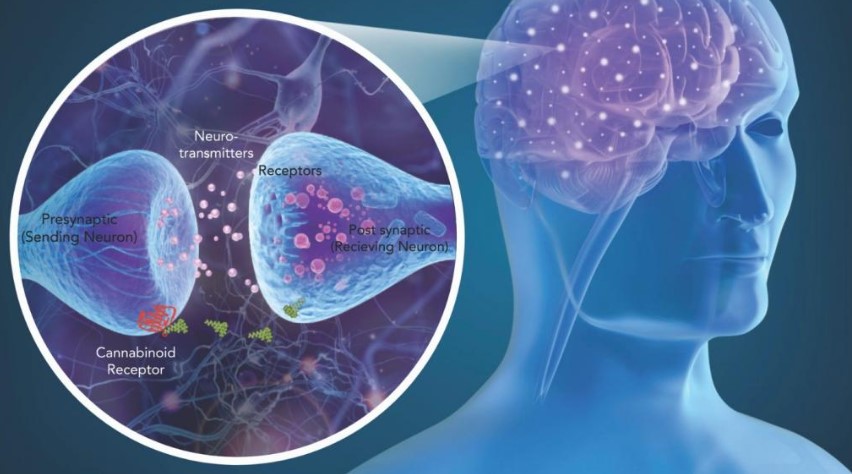
Rene Mist’s cannabinoids interact with the body’s endocannabinoid system (ECS) to modulate physiological functions. Below is a breakdown of its primary cannabinoids:
THC (Δ9-Tetrahydrocannabinol)
- Concentration: Typically 9-12%.
- Pharmacology: THC acts as a partial agonist at CB1 receptors, primarily in the central nervous system, influencing:
- Analgesia (pain relief) via reduced nociception.
- Mood elevation through interactions in the prefrontal cortex and amygdala.
- Appetite stimulation by activating pathways in the hypothalamus.
- Risks: At high doses, THC may cause anxiety, paranoia, or short-term memory impairment.
CBD (Cannabidiol)
- Concentration: Ranges from 2-5%.
- Pharmacology: CBD interacts with CB2 receptors and modulates CB1 receptor activity indirectly. Its effects include:
- Anti-inflammatory action: By inhibiting inflammatory cytokine production.
- Anxiolytic properties: CBD impacts serotonin receptors (5-HT1A) to reduce anxiety.
- Neuroprotection: Promotes neuronal health by reducing oxidative stress and supporting neurogenesis.
3. Terpene Composition
The aroma, flavor, and therapeutic effects of Rene Mist are enhanced by its terpene profile. Terpenes modulate the effects of cannabinoids through the entourage effect, enhancing efficacy and reducing side effects.
Key Terpenes
- Limonene
- Properties: Mood elevation, anti-anxiety, and antimicrobial effects.
- Mechanism: Enhances serotonin production and interacts with dopamine receptors.
- Concentration: Typically contributes to Rene Mist’s citrus undertones.
- Linalool
- Properties: Sedation, relaxation, and anti-inflammatory effects.
- Mechanism: Acts on GABA-A receptors, enhancing the brain’s inhibitory neurotransmission.
- Caryophyllene
- Properties: Anti-inflammatory, analgesic, and antioxidant.
- Mechanism: A unique terpene that binds directly to CB2 receptors, enhancing the immune system’s regulation.
- Myrcene
- Properties: Muscle relaxation, sedative effects.
- Mechanism: Enhances THC’s psychoactive properties by increasing blood-brain barrier permeability.
4. The Entourage Effect
The synergistic interaction between Rene Mist’s cannabinoids and terpenes exemplifies the entourage effect, a critical concept in cannabis science. This phenomenon explains how the combined action of multiple compounds in the plant produces a more effective therapeutic profile than isolated cannabinoids.
For Rene Mist:
- CBD mitigates THC’s psychoactive effects, reducing risks of anxiety or paranoia.
- Linalool and myrcene amplify relaxation, making the strain suitable for stress management.
- Caryophyllene enhances anti-inflammatory properties, making Rene Mist effective for pain relief.
5. Pharmacokinetics
The pharmacokinetics of Rene Mist describe how its cannabinoids and terpenes are absorbed, distributed, metabolized, and excreted:
Absorption
- Inhalation delivers cannabinoids rapidly into the bloodstream through alveoli in the lungs, with effects peaking within 15 minutes.
- Oral consumption (e.g., edibles) delays onset due to first-pass metabolism in the liver, producing a longer-lasting effect.
Metabolism
- THC is converted into 11-hydroxy-THC (a more potent psychoactive metabolite) in the liver via cytochrome P450 enzymes.
- CBD inhibits CYP enzymes, potentially altering the metabolism of THC and other medications.
Excretion
- Cannabinoid metabolites are excreted through urine and feces, with a half-life of 1-2 days for infrequent users and longer for chronic users.
6. Mechanisms of Action in Medical Applications
Rene Mist is prized for its potential to address a wide range of medical conditions through its cannabinoid-terpene synergy.

Chronic Pain
- THC activates CB1 receptors in the nervous system, modulating pain perception.
- CBD influences non-cannabinoid receptors, such as TRPV1 (vanilloid) channels, reducing pain and inflammation.
- Caryophyllene further enhances pain relief through CB2 receptor activation.
Anxiety and Depression
- CBD’s action on serotonin receptors contributes to its anxiolytic effects.
- Limonene supports dopamine and serotonin pathways, promoting mood elevation.
- The mild psychoactivity of Rene Mist reduces stress without impairing functionality.

Inflammatory Conditions
- By engaging CB2 receptors on immune cells, Rene Mist reduces the production of pro-inflammatory cytokines, such as TNF-alpha and IL-6.
- This makes it suitable for conditions like arthritis, Crohn’s disease, and multiple sclerosis.
Neurological Disorders
- Epilepsy: CBD’s ability to stabilize neuronal activity by modulating calcium ion channels makes Rene Mist effective for seizure management.
- Neurodegenerative diseases: Antioxidant properties of CBD protect neurons from oxidative stress, delaying progression in conditions like Alzheimer’s and Parkinson’s.
Cancer Symptom Management
- THC stimulates appetite and reduces nausea by activating CB1 receptors in the hypothalamus and brainstem.
- CBD’s anti-inflammatory properties may complement cancer therapies by reducing side effects such as pain and fatigue.
7. Recreational Effects
While Rene Mist is predominantly therapeutic, its recreational appeal lies in its balanced psychoactivity:
- Mental Clarity: The low THC content prevents overwhelming euphoria, allowing users to remain focused and functional.
- Euphoria: Mild upliftment promotes a relaxed, sociable mood, making it ideal for creative pursuits or social interactions.
Cultivation Science of Rene Mist
1. Genetic Traits
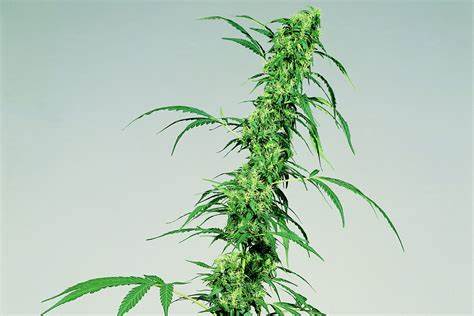
Rene Mist is a hybrid, with sativa-dominant growth patterns influenced by its parent strains:
- Sativa Dominance: Results in tall, thin plants with longer flowering periods.
- Hybrid Resilience: Exhibits moderate resistance to pests, mold, and temperature fluctuations, making it moderately easy to grow for experienced cultivators.
2. Environmental Requirements
Optimal cultivation of Rene Mist requires careful attention to its growing environment.
Indoor Cultivation
- Light: Requires 18-20 hours of light during the vegetative stage and 12 hours during flowering. High-intensity discharge (HID) lamps or LED grow lights with a spectrum favoring red wavelengths are preferred.
- Temperature: Thrives in temperatures of 20-28°C (68-82°F). Avoid extremes, as temperature fluctuations can stress the plant.
- Humidity: Maintain 40-50% RH during flowering to prevent mold while supporting trichome production.
- Air Circulation: Essential for reducing the risk of fungal infections and ensuring CO₂ availability for photosynthesis.
Outdoor Cultivation
- Climate: Best suited to warm, temperate climates with long growing seasons.
- Soil: Prefers well-drained, nutrient-rich soil with a slightly acidic pH of 6.0-6.5. Compost or organic amendments enhance growth.
- Sunlight: Requires direct sunlight for at least 8 hours daily to maximize photosynthetic activity.
- Harvest Period: Late September to early October in the northern hemisphere.
3. Nutrient Management
Rene Mist has specific nutritional needs across its growth phases:
- Vegetative Stage: High nitrogen (N) content promotes vigorous leaf and stem growth. A nutrient ratio of 4:2:3 (NPK) is ideal.
- Flowering Stage: Increased phosphorus (P) and potassium (K) levels encourage bud development and resin production. A nutrient ratio of 1:3:4 (NPK) supports this phase.
- Micronutrients: Magnesium, calcium, and sulfur are essential for chlorophyll production, cellular structure, and enzymatic processes.
4. Growth Characteristics
- Plant Morphology: Rene Mist tends to grow tall, making it necessary to manage canopy height in indoor settings using techniques like low-stress training (LST) or screen of green (ScrOG).
- Flowering Time: Around 8-9 weeks indoors, with outdoor harvests occurring in late fall.
- Yield: Moderate yields of 400-500 grams per square meter indoors and 500-600 grams per plant outdoors, depending on cultivation techniques.
5. Advanced Cultivation Techniques
- Hydroponics: Growing Rene Mist in hydroponic systems accelerates growth and optimizes nutrient uptake. The absence of soil allows for precise control of pH and nutrient delivery.
- CO₂ Enrichment: Supplementing CO₂ levels to 1000-1500 ppm during the vegetative and early flowering stages increases photosynthetic efficiency, enhancing yields.
- Trichome Maximization: Trichomes, the resinous glands containing cannabinoids and terpenes, are best developed under stress-induced conditions such as:
- Controlled UV-B light exposure during flowering.
- Strategic water deprivation (drought-stress techniques) in the final days before harvest.
Ingestion Methods of Rene Mist
The method of ingestion profoundly impacts the bioavailability, onset, duration, and effects of Rene Mist’s cannabinoids and terpenes. Below is a breakdown of common ingestion techniques and their scientific underpinnings.
1. Inhalation Methods
Inhalation is the most efficient route for rapid cannabinoid delivery due to the lungs’ large surface area and rich blood supply.
Smoking
- Mechanism: Combustion releases cannabinoids, terpenes, and other plant compounds into smoke, which is absorbed through alveoli in the lungs.
- Bioavailability: Estimated at 10-35%, depending on smoking technique and individual lung capacity.
- Onset: Effects are felt within 2-5 minutes, peaking at 15-30 minutes.
- Drawbacks: Combustion produces harmful byproducts, such as carbon monoxide and tar, which can irritate the respiratory system.
Vaporization
- Mechanism: Heats cannabis to a temperature that volatilizes cannabinoids and terpenes without combustion (typically 160-230°C).
- Bioavailability: Higher than smoking, ranging from 40-60%, as fewer active compounds are destroyed by heat.
- Onset: Similar to smoking but with a smoother experience and reduced respiratory irritation.
- Advantages: Preserves terpenes, providing a fuller flavor profile and entourage effects.
2. Oral Consumption
Oral ingestion of Rene Mist results in delayed but longer-lasting effects due to first-pass metabolism in the liver.
Edibles
- Mechanism: Cannabinoids are metabolized into active compounds like 11-hydroxy-THC, which is more psychoactive than Δ9-THC.
- Bioavailability: Lower than inhalation, around 4-20%, due to digestive breakdown and liver metabolism.
- Onset: Effects are delayed, occurring 30-90 minutes after ingestion, and can last 4-8 hours.
- Advantages: Discreet, long-lasting, and suitable for those avoiding smoking or vaporizing.
- Challenges: Dosage control can be difficult, increasing the risk of overconsumption.
Sublingual Administration
- Mechanism: Cannabis oils, tinctures, or sprays are absorbed directly into the bloodstream through mucous membranes under the tongue.
- Bioavailability: Higher than edibles, estimated at 15-35%.
- Onset: Effects begin within 15-45 minutes, with a duration of 2-6 hours.
- Advantages: Bypasses first-pass metabolism, allowing for more predictable dosing.
3. Topical and Transdermal Applications
Topical and transdermal methods are non-psychoactive routes for localized or systemic effects.
Topicals
- Mechanism: Cannabinoids penetrate the skin barrier but do not reach the bloodstream in significant quantities.
- Use: Ideal for localized relief of pain, inflammation, or skin conditions (e.g., eczema).
- Onset: Effects are felt within 15-30 minutes, lasting up to 4 hours.
Transdermal Patches
- Mechanism: Formulated to penetrate deeper skin layers, delivering cannabinoids into systemic circulation.
- Advantages: Provides steady, controlled cannabinoid release for 12-24 hours.
- Applications: Effective for chronic pain, inflammation, and conditions requiring consistent dosing.
4. Dabbing (Concentrates)
Dabbing involves vaporizing cannabis concentrates, such as shatter, wax, or rosin, at high temperatures.
- Mechanism: Concentrates are heated on a hot surface (e.g., a nail or banger) and inhaled.
- Bioavailability: High, as concentrates contain up to 80-90% cannabinoids.
- Onset: Rapid, with effects felt almost immediately.
- Drawbacks: The high potency of dabs can overwhelm inexperienced users.
Scientific Insights on Ingestion Efficiency
The choice of ingestion method for Rene Mist depends on the desired effects, medical condition, and user preferences:
- Rapid Relief: Inhalation methods (smoking or vaping) are ideal for acute pain or anxiety.
- Prolonged Effects: Edibles or transdermal patches are better for chronic conditions.
- Localized Treatment: Topicals provide targeted relief without systemic side effects.
Future Research and Optimization
Research into Rene Mist’s cultivation and ingestion can focus on:
- Maximizing Cannabinoid Yield: Genetic engineering and advanced agricultural techniques can optimize cannabinoid and terpene profiles.
- Nanoemulsion Technology: Developing water-soluble cannabis formulations for higher bioavailability in oral and sublingual products.
- Terpene Preservation: Innovations in extraction and storage can enhance the therapeutic synergy of Rene Mist.
9. Potential Risks and Side Effects
- Common Side Effects: Dry mouth and eyes, mild dizziness, or headaches.
- Overuse Risks: Higher doses may cause mild anxiety or sedation, especially in THC-sensitive individuals.
- Drug Interactions: CBD’s inhibition of cytochrome P450 enzymes can interfere with medications such as blood thinners or anticonvulsants.
10. Future Research Directions
Rene Mist’s balanced cannabinoid and terpene profile makes it a valuable subject for future studies:
- Chronic Pain Therapies: Research on synergistic interactions between THC, CBD, and terpenes could refine dosing strategies.
- Anxiety Management: Trials exploring low-THC, high-CBD strains like Rene Mist may yield insights into safe, non-addictive anxiolytics.
- Cancer Support: Investigating its anti-inflammatory and appetite-stimulating properties may improve quality of life for patients undergoing chemotherapy.
Conclusion
Rene Mist’s cultivation requires precision to unlock its potential, while its diverse ingestion methods cater to various therapeutic and recreational needs. Its versatility in application reflects the growing sophistication in cannabis science, paving the way for more targeted, effective, and user-friendly cannabis therapies.
For a complete directory of cultivars, visit our Cannabis Strain Reviews.
