How to Remove Leaves to Let Light on Medical Cannabis Plants: A Comprehensive Guide
Introduction
Strict attention to detail is necessary while growing medical cannabis in order to guarantee optimum production and ideal plant health. One of the key practices in cannabis cultivation, particularly for medical purposes, is defoliation, or the strategic removal of leaves to allow better light penetration to the lower parts of the plant. Proper defoliation can significantly improve the quality and potency of medical cannabis, which is crucial for patients who rely on these plants for relief from various conditions. This guide will explore the techniques, timing, and benefits of removing leaves from medical cannabis plants, ensuring that the focus remains strictly on the medical applications of the practice.
Understanding the Importance of Light in Medical Cannabis Cultivation
The Role of Light in Cannabis Growth
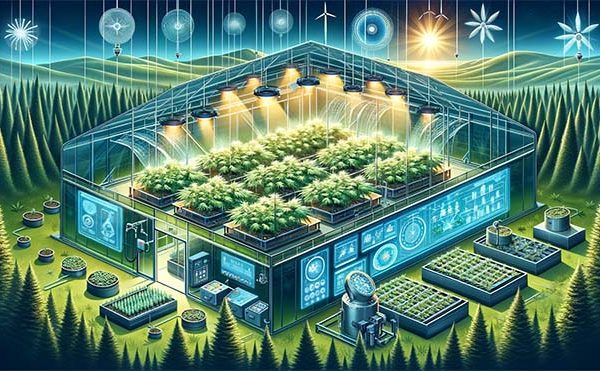
Light is a critical component of cannabis growth, driving the process of photosynthesis, which converts light energy into chemical energy, enabling the plant to produce the sugars needed for growth. In medical cannabis cultivation, ensuring that every part of the plant receives adequate light is essential for developing cannabinoid-rich buds, which contain the therapeutic compounds needed for medical treatments.
Challenges in Light Penetration
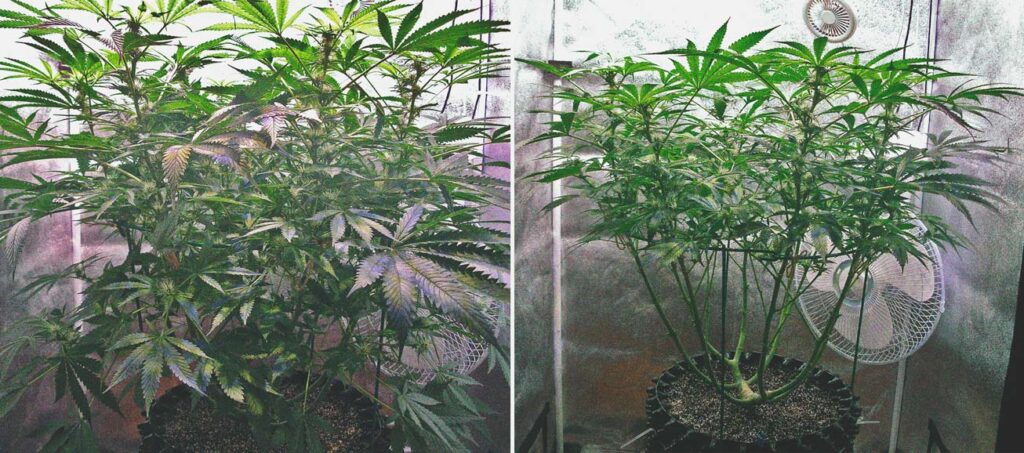
Cannabis plants, particularly indica-dominant strains, tend to grow dense foliage, which can obstruct light from reaching the lower branches and leaves. This lack of light can lead to the development of small, underdeveloped buds in the lower canopy, often referred to as “popcorn buds,” which are less potent and less effective for medical use. Therefore, strategic leaf removal is necessary to optimize light distribution across the entire plant.
The Science Behind Leaf Removal
Why Leaf Removal is Crucial
Leaves play a vital role in photosynthesis, but too many leaves, especially in dense canopies, can create shading and reduce light penetration. By carefully removing certain leaves, growers can enhance light exposure to the lower parts of the plant, promoting more uniform bud development. This process is particularly important in medical cannabis cultivation, where consistency in cannabinoid concentration across the plant is essential for producing reliable and effective medicine.
The Impact on Plant Physiology
Defoliation influences the plant’s hormonal balance, particularly affecting auxins and gibberellins, which regulate growth. When large fan leaves are removed, the plant redirects its energy from maintaining foliage to developing flowers, resulting in larger, more potent buds. This redirection of energy is crucial in medical cannabis production, where the focus is on maximizing the yield of medicinally valuable compounds.
Techniques for Effective Leaf Removal
Selective Defoliation
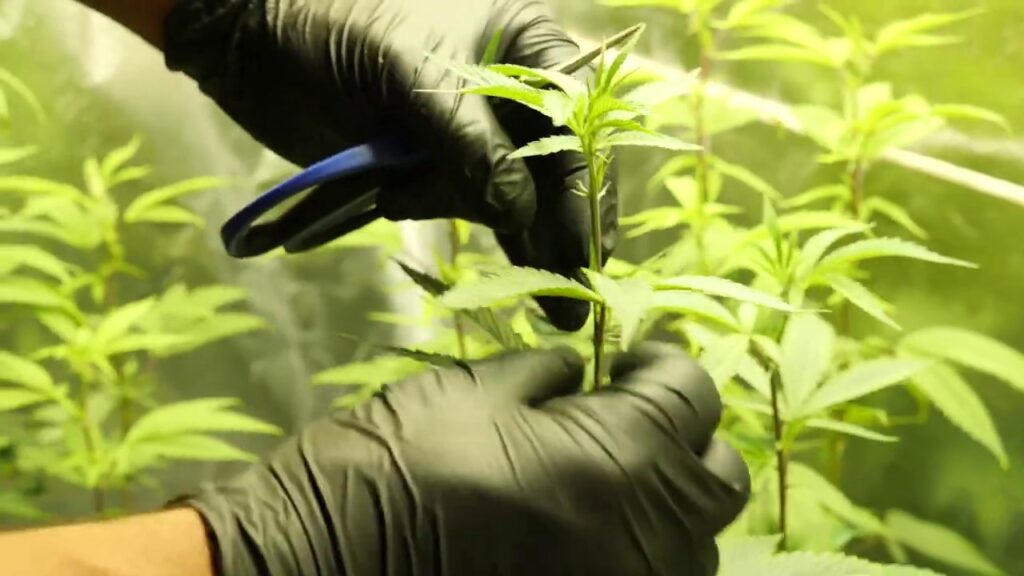
Selective defoliation involves the careful removal of specific leaves to improve light penetration without overly stressing the plant. This technique is particularly useful during the vegetative and early flowering stages.
- Vegetative Stage Defoliation
- During the vegetative stage, remove large fan leaves that are shading lower branches. This encourages lateral growth and helps develop a more even canopy.
- Focus on leaves that are inward-facing or those that block light from reaching potential bud sites.
- Early Flowering Stage Defoliation
- In the early flowering stage, remove leaves that are directly shading buds. This is a crucial time for light penetration, as the plant begins to allocate energy toward flower development.
- Avoid shocking the plant by removing too many leaves at once since this can stunt its growth.
Schwazzing
Schwazzing is an aggressive defoliation technique often employed by experienced growers. It involves removing nearly all fan leaves at specific points during the flowering stage.
- First Schwazzing
- Perform the first round of schwazzing at the onset of flowering (day 1 of the 12/12 light cycle). Remove all large fan leaves to expose bud sites to maximum light.
- This method can significantly increase bud size and density by ensuring all flowers receive adequate light.
- Second Schwazzing
- The second round of schwazzing is typically done three weeks into flowering. This helps to maintain light penetration as the plant continues to develop flowers.
- It’s important to monitor the plant’s health closely after each schwazzing session, as the removal of a large number of leaves can be stressful.
Lollipopping
Lollipopping is another popular technique where the lower third of the plant is stripped of leaves and small buds, focusing the plant’s energy on the upper, more productive branches.
- Step-by-Step Lollipopping
- Start by identifying the lower branches that receive minimal light. These branches typically produce smaller, less potent buds.
- Remove these lower branches and leaves, ensuring that the plant’s energy is directed toward the upper canopy, where light penetration is optimal.
- Timing
- Lollipopping is best done just before the flowering stage begins. This allows the plant to focus its resources on developing the main colas, resulting in larger, more potent buds.
Topping and FIMing
Topping and FIMing are techniques used to control the height and shape of the cannabis plant, encouraging bushier growth and better light distribution.
- Topping
- Topping involves cutting off the top of the main stem, which encourages the plant to grow more branches and creates a more even canopy.
- This technique is particularly useful in medical cannabis cultivation, where uniformity in bud development is desired for consistent medicinal properties.
- FIMing
- FIMing (which stands for “Fuck, I Missed”) is similar to topping but involves pinching or cutting 75% of the top shoot. This results in multiple new growth tips, increasing the number of potential bud sites.
- FIMing can be less stressful than topping and may be preferred for more sensitive medical strains.
Timing and Frequency of Leaf Removal
Understanding the Growth Cycle
The timing of leaf removal is critical to avoid unnecessary stress on the plant. It’s important to understand the different stages of the cannabis growth cycle to determine the best times for defoliation.
- Vegetative Stage
- During this stage, the plant is focused on growing foliage and establishing a strong root system. Light defoliation can be done to improve airflow and light penetration, but it’s important not to remove too many leaves, as they are crucial for photosynthesis.
- Pre-Flowering (Stretch) Stage
- The pre-flowering stage, often referred to as the “stretch,” is when the plant undergoes rapid growth. This is an ideal time for more aggressive defoliation techniques like schwazzing, as the plant will have time to recover and focus on flower development.
- Flowering Stage
- During the flowering stage, it’s important to focus on light penetration to the bud sites. Eliminate any leaves that obstruct the light from reaching the buds; however, exercise caution to avoid defoliating the plant excessively, as this may diminish its capacity for photosynthetic energy production.
- Late Flowering Stage
- In the late flowering stage, defoliation should be minimal. The plant is nearing the end of its life cycle, and too much stress at this point can negatively impact bud development and potency.
Frequency of Defoliation
The frequency of defoliation depends on the strain, growing environment, and overall plant health. Nonetheless, the following broad principles might be adhered to:
- Regular Maintenance
- Light defoliation can be done every few weeks during the vegetative stage to maintain airflow and light penetration. This helps to prevent mold and pests, which is particularly important in medical cannabis cultivation.
- Major Defoliation
- Major defoliation sessions should be limited to the transition into the flowering stage and possibly once more during the early flowering stage. This allows the plant to recover and focus on bud development without being overly stressed.
- Monitoring Plant Health
- Always monitor the plant’s response after defoliation. It could be essential to modify the frequency or method of defoliation if the plant exhibits symptoms of stress, such as drooping leaves or slower growth.
Best Practices for Defoliation
Tools and Equipment
Using the right tools is essential for successful defoliation. It is advised to use clean, sharp pruning shears or scissors to prevent harming the plant. Sterilizing tools before and after use is also important to prevent the spread of disease, which is crucial in medical cannabis cultivation.
Hygiene and Plant Care
Maintaining a clean growing environment is essential, especially when removing leaves, as open cuts on the plant can make it more susceptible to infections. Always work in a sterile environment and avoid touching the cuts with dirty hands or tools.
Environmental Considerations
- Humidity and Temperature
- After defoliation, the plant’s transpiration rate may change, affecting humidity levels. It’s important to monitor and adjust the growing environment to prevent issues like mold or nutrient burn.
- Airflow
- Improved airflow is one of the benefits of defoliation, but it’s important to ensure that the grow room has adequate ventilation to take full advantage of this. Good airflow reduces the risk of mold and pests, which is critical in maintaining the health of medical cannabis plants.
Strain-Specific Considerations
Different cannabis strains respond differently to defoliation. Indica-dominant strains, which tend to have denser foliage, may require more aggressive defoliation than sativa-dominant strains, which naturally have a more open structure. Comprehending the unique requirements of the strain under cultivation is crucial for optimizing defoliation techniques.
Benefits of Leaf Removal for Medical Cannabis
Maximizing Cannabinoid Production
Defoliation can significantly enhance cannabinoid production by ensuring that light reaches all parts of the plant. This is particularly important for medical cannabis, where high levels of cannabinoids like THC and CBD are required for effective treatment.
Improved Bud Quality
By focusing the plant’s energy on the development of fewer, larger buds, defoliation can improve the overall quality of the final product. This results in more potent and effective medicine for patients.
Enhanced Plant Health
Removing excess foliage improves airflow and reduces the risk of mold and pests, leading to healthier plants. Healthy plants are more likely to produce consistent and reliable medicine, which is essential in medical cannabis cultivation.
Consistency in Medicinal Properties
By ensuring that light is evenly distributed across the plant, defoliation helps to produce buds with consistent cannabinoid and terpene profiles. This consistency is crucial for medical cannabis patients, who rely on predictable effects and potency for their treatment.
Potential Risks and How to Mitigate Them
Over-Defoliation
One of the main risks associated with leaf removal is over-defoliation, which can stress the plant and reduce its ability to photosynthesize. Reduced yields, slowed growth, and decreased THC synthesis may result from this.
- Mitigation: To avoid over-defoliation, it’s important to remove leaves gradually and monitor the plant’s response. Start with light defoliation and increase the intensity only if the plant shows no signs of stress.
Increased Vulnerability to Pests and Diseases
Defoliation can create open wounds on the plant, making it more vulnerable to pests and diseases. This is particularly concerning in medical cannabis cultivation, where plant health directly impacts the quality of the medicine.
- Mitigation: Use sterile tools and work in a clean environment to reduce the risk of infection. Additionally, ensure that the growing environment is well-ventilated and maintained at optimal conditions to prevent the spread of pests and mold.
Environmental Stress
Changes in the plant’s transpiration rate after defoliation can lead to fluctuations in humidity and temperature, which can stress the plant.
- Mitigation: Carefully monitor and adjust the grow room conditions after defoliation. Using a hygrometer and thermometer can help to maintain stable environmental conditions.
Case Studies: Defoliation in Medical Cannabis Cultivation
Case Study 1: Defoliation in a Controlled Environment
A medical cannabis grower in a controlled indoor environment used selective defoliation techniques to improve light penetration and airflow. By removing fan leaves gradually during the vegetative and early flowering stages, the grower was able to increase the overall yield by 20%, with a significant improvement in the potency of the buds. The final product was tested for cannabinoid content, showing a consistent THC and CBD profile across all buds, which was crucial for patients requiring specific dosages for their conditions.
Case Study 2: Schwazzing in High-Density Planting
In a high-density planting setup, a grower implemented schwazzing to manage the dense canopy. By removing all fan leaves at the start of the flowering stage, the grower was able to enhance light penetration and airflow, resulting in uniform bud development. The schwazzing technique, though aggressive, proved effective in this setup, leading to a 25% increase in yield and higher cannabinoid concentration, providing patients with more potent medicine.
Case Study 3: Lollipopping for Quality Over Quantity
A grower focused on producing high-quality medical cannabis used lollipopping to remove lower branches and leaves. This technique allowed the plant to concentrate its energy on the top colas, resulting in fewer but larger and more potent buds. The final product was highly valued for its medicinal properties, particularly for patients with chronic pain, who required higher concentrations of cannabinoids for relief.
Restrictions on Growing and Using Cannabis in the Medical Field as a Last Resort
1. Regulatory Approvals:
Medical cannabis is often considered a last resort when conventional treatments have failed. In many regions, its use requires strict regulatory approval, including a prescription from a licensed medical practitioner who has determined that other treatment options are ineffective. Additional paperwork, such as evidence of previous treatments and their results, may be required by some countries.
2. Patient Eligibility:
Patients must typically meet specific criteria to qualify for medical cannabis as a last resort. This may include having a diagnosed condition that is recognized for cannabis treatment (e.g., chronic pain, epilepsy) and a history of unsuccessful conventional treatments. Eligibility criteria vary by region and are often strictly enforced to ensure that only patients in genuine need can access medical cannabis.
3. Controlled Cultivation:
The cultivation of medical cannabis is heavily regulated, often requiring growers to obtain special licenses and adhere to strict standards. These regulations ensure that the cannabis is grown in a controlled environment, free from contaminants, and with precise cannabinoid profiles. Only licensed producers are typically allowed to grow cannabis for medical use, and the process is monitored by regulatory bodies.
4. Restrictions on Use:
Even when prescribed, the use of medical cannabis is often subject to restrictions. Patients may be required to follow specific dosing guidelines, and the form of cannabis (e.g., oils, capsules) is often regulated. In some cases, smoking cannabis may be prohibited, and non-psychoactive forms like CBD may be preferred to minimize any potential psychoactive effects.
Monitoring THC Levels to Prevent Psychoactive Effects
1. Standardized Testing:
To prevent psychoactive effects, medical cannabis products undergo standardized testing to ensure accurate THC levels. This testing is conducted by certified laboratories that measure the concentration of THC, ensuring it remains within therapeutic and non-psychoactive limits.
2. Low-THC Formulations:
Many medical cannabis products are formulated with low THC levels and higher CBD content to minimize psychoactive effects. These formulations are especially important for patients who require symptom relief without the high associated with THC. Physicians often recommend these products for patients sensitive to THC or those who need to remain functional during treatment.
3. Dosing Guidelines:
Strict dosing guidelines are provided to patients to help control THC intake. Physicians may start with the lowest possible dose and gradually adjust it based on the patient’s response. This careful management helps prevent psychoactive effects while still providing therapeutic benefits.
4. Continuous Monitoring:
Patients using medical cannabis, especially as a last resort, are often monitored regularly by healthcare providers. As part of this monitoring, the efficacy of the medication as well as any possible adverse effects—including psychoactive ones—are evaluated. Adjustments to the treatment plan, such as reducing THC levels or switching to a different product, may be made based on these assessments.
Conclusion
The use of cannabis in the medical field, particularly as a last-resort treatment, is subject to stringent regulations and careful monitoring to ensure patient safety and therapeutic efficacy. These restrictions, from patient eligibility and controlled cultivation to the careful regulation of THC levels, underscore the seriousness with which medical cannabis is approached in healthcare.
Defoliation techniques in medical cannabis cultivation play a crucial role in optimizing plant health and cannabinoid production, which is essential for producing high-quality medicine. These practices, when executed correctly, enhance light penetration, improve bud quality, and increase the concentration of therapeutic compounds, making them indispensable tools for medical cannabis growers.
Furthermore, monitoring THC levels in medical cannabis products is critical to preventing psychoactive effects, ensuring that patients receive the benefits of cannabis treatment without the associated high. This balance is achieved through standardized testing, low-THC formulations, strict dosing guidelines, and continuous patient monitoring.
Overall, the cultivation and use of medical cannabis require a meticulous approach to ensure that the final product is safe, effective, and free from psychoactive effects. By adhering to these practices, medical cannabis can fulfill its potential as a valuable therapeutic option for patients who have exhausted other treatment avenues.
