Table of Contents
Red Widow is an indica-dominant hybrid cannabis strain, a cross between the legendary White Widow and an unknown Red Congolese phenotype. This hybridization results in a unique balance of effects, offering both cerebral stimulation and deep physical relaxation. Known for its vibrant red-tinged pistils and frosty white trichomes, Red Widow is popular among cannabis enthusiasts for its potent effects and unique cannabinoid-terpene profile.
Genetics and Lineage
- Parent Strains: White Widow x Red Congolese
- Indica/Sativa Ratio: 70% Indica / 30% Sativa
- THC Content: Typically ranges between 18% and 24%
- CBD Content: Low (<1%)
- CBG Content: 1%-2% (moderate levels)
The combination of these genetics results in a potent strain that provides both uplifting mental effects and deep, soothing body relaxation.
Appearance, Aroma, and Flavor
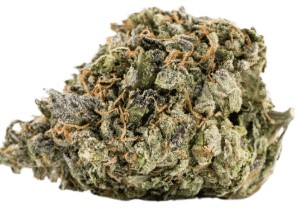
- Appearance: Red Widow has dense, medium-sized buds with a thick layer of trichomes, giving them a frosted, crystalline appearance. The buds are dark green with striking red-orange pistils, a characteristic feature of its lineage.
- Aroma: A mix of earthy, sweet, and citrusy notes with hints of spice and skunk in Red Widow. Users also report undertones of pine and herbal freshness.
- Flavor: The taste profile is smooth, sweet, and citrusy, with spicy undertones. On the exhale, it leaves a lingering note of woody earthiness and slight diesel accents.
Terpene Profile and Effects
The terpenes in Red Widow play a critical role in defining its effects and medical applications.
| Terpene | Aroma | Effects |
|---|---|---|
| Myrcene | Earthy, Herbal | Sedative, Relaxing, Pain Relief |
| Limonene | Citrus, Sweet | Uplifting, Anti-Stress, Mood Enhancement |
| Caryophyllene | Spicy, Peppery | Anti-inflammatory, Pain Relief |
| Pinene | Pine, Herbal | Memory Retention, Alertness |
| Humulene | Woody, Earthy | Appetite Suppressant, Anti-inflammatory |
Primary Effects
- Euphoria & Uplifting Sensation – The initial effect is a sense of mental clarity, motivation, and heightened creativity.
- Deep Relaxation – As the high progresses, body relaxation sets in, relieving tension and stress.
- Mild Sedation – Higher doses lead to couch-lock effects, making it great for evening or nighttime use.
- Enhanced Sensory Perception – Colors and sounds may feel more vivid, making it popular for music and artistic experiences.
- Mild Appetite Stimulation – Helps in mild cases of appetite loss without intense munchies.
Medical Applications of Red Widow
Red Widow is highly regarded for its therapeutic properties, making it suitable for both chronic and temporary medical conditions.

1. Pain Management
- Conditions Treated: Arthritis, migraines, chronic pain, fibromyalgia, neuropathic pain.
- Mechanism: The high THC content, along with caryophyllene and myrcene, helps in reducing inflammation and pain perception.
2. Anxiety, Stress, and Depression
- Conditions Treated: Generalized Anxiety Disorder (GAD), PTSD, Social Anxiety, Major Depression.
- Mechanism: Limonene and pinene help elevate mood and reduce stress, while myrcene contributes to relaxation without excessive sedation.
3. Insomnia & Sleep Disorders
- Conditions Treated: Insomnia, restless leg syndrome, sleep apnea.
- Mechanism: The sedative properties of myrcene and caryophyllene promote deep sleep and relaxation.
4. Appetite Stimulation & Gastrointestinal Disorders
- Conditions Treated: Nausea, loss of appetite, Crohn’s disease, IBS.
- Mechanism: The interaction of THC with CB1 receptors helps in stimulating appetite and reducing nausea.
5. Neurological and Cognitive Benefits
- Conditions Treated: ADHD, Alzheimer’s, epilepsy, multiple sclerosis.
- Mechanism: Pinene and limonene aid in cognitive function, memory retention, and neuroprotection.
Recreational Uses
- Social and Creative Boost:
- Red Widow enhances conversation, creativity, and focus, making it great for artists, musicians, and social gatherings.
- Music and Visual Stimulation:
- Due to its slight psychedelic properties, it enhances music, visual arts, and movie experiences.
- Evening Wind-Down:
- Best for relaxing after a long day, as it gradually induces deep relaxation.
- Moderate Energy Before Sleep:
- Unlike pure indica strains, Red Widow provides mild energy before leading into sedation, making it ideal for balanced relaxation.
Scientific Research & Cannabinoid Effects
THC Effects (18%-24%)
- Psychoactive Properties: Red Widow’s high THC levels bind to CB1 receptors, altering perception, mood, and cognition.
- Pain Relief & Anti-Inflammation: THC interacts with TRPV1 receptors, reducing pain sensitivity.
CBD Effects (<1%)
- Though Red Widow has low CBD, it still contributes to entourage effects, where minor cannabinoids and terpenes enhance therapeutic benefits.
CBG Effects (1%-2%)
- CBG has been shown to have neuroprotective properties, contributing to focus and memory retention.
Ideal Growing Environment
- Climate Preference: Red Widow thrives in a warm, Mediterranean-like climate with temperatures between 70-80°F (21-27°C)throughout the day and between 55 and 65°F (13 and 18°C) at night.
- Humidity Levels:\n – Vegetative Stage: 50-60%\n – Flowering Stage: 40-50%\n – Late Flowering: 30-40% (to prevent mold and bud rot)
Indoor vs. Outdoor Cultivation
| Factor | Indoor | Outdoor |
|---|---|---|
| Control | High | Low |
| Yield | ~500g/m² | ~600g/plant |
| Growth Rate | Faster | Slower |
| Pest Risk | Low | High |
Indoor Cultivation
- Lighting: Requires 600W-1000W HPS or LED full-spectrum lights.
- Vegetative stage: 18-6 (light-dark cycle)
- Flowering stage: 12-12 (light-dark cycle)
- Air Circulation: Fans and carbon filters should be used to maintain airflow and prevent mold.
- CO₂ Enrichment: CO₂ levels of 1200-1500 ppm can increase yield by 20-30%.
Outdoor Cultivation
- Planting Time: Best planted in late spring to harvest by mid to late October.
- Soil Requirements: Prefers loamy, well-draining soil with pH 6.0-6.5.
- Natural Sunlight: Requires 8+ hours of direct sunlight for optimal terpene production.
2. Propagation Techniques
Red Widow can be grown from seeds or clones.
Germination (Seed Propagation)
- Paper Towel Method: Seeds germinate in 24-72 hours at 70-75°F (21-24°C).
- Direct Soil Germination: Planted ½ inch deep in moist soil with a pH of 6.2-6.5.
Cloning
- Benefits: Faster maturity, genetic consistency.
- Process:
- 1. Take a 4-6 inch cutting from a healthy mother plant.
- 2. Dip in rooting hormone (Indole-3-butyric acid for faster rooting).
- 3. Place in rockwool cubes under a humidity dome at 75°F (24°C).
- Rooting Time: ~10-14 days before transplanting.
3. Nutrient & Watering Requirements
Macronutrient Breakdown
| Stage | Nitrogen (N) | Phosphorus (P) | Potassium (K) |
|---|---|---|---|
| Seedling | Low | Low | Low |
| Vegetative | High | Medium | Medium |
| Flowering | Low | High | High |
- Key Micronutrients: Calcium, Magnesium, Iron, Sulfur, Zinc.
- pH Balance: Maintain pH 5.8-6.3 for hydroponics and pH 6.0-6.5 for soil.
- Watering Schedule: Water every 2-3 days depending on soil moisture.
4. Training Techniques for Higher Yield
Low-Stress Training (LST)
- Bending branches gently to increase light penetration and maximize bud sites.
High-Stress Training (HST)
- Topping: Cutting the main stem to promote multiple colas.
- Supercropping: Slightly damaging stems to increase cannabinoid production.
Screen of Green (ScrOG)
- Uses a net to create an even canopy, maximizing indoor yields.
5. Flowering and Harvesting
- Flowering Time: 8-10 weeks
- Trichome Development: Harvest when 60-70% of trichomes are cloudy for maximum potency.
Drying & Curing Process
- Drying:Temperature: 60-70°F (15-21°C)
- Humidity: 45-55%
- Duration: 7-10 days in a dark, ventilated area.
- Curing: Store buds in glass jars at 58-62% humidity for 2-4 weeks.
- Burp jars daily for the first 2 weeks to enhance flavor and smoothness.
Side Effects and Tolerance Considerations
While Red Widow is well-tolerated by most users, some potential side effects include:
- Dry Mouth & Dry Eyes – Common with high-THC strains.
- Paranoia or Anxiety – High doses may cause increased anxiety in THC-sensitive individuals.
- Mild Dizziness – Especially in novice users or those with low tolerance.
- Increased Heart Rate – Temporary, but can be concerning for individuals with heart conditions.
Consumption Methods
The method of ingestion significantly affects the bioavailability, onset time, peak effects, and duration of Red Widow cannabis. Below is a comprehensive breakdown of the different ways this strain can be consumed, along with their respective scientific effects.
1. Ingestion Methods: Bioavailability & Absorption
Each consumption method affects how much THC enters the bloodstream and how quickly the effects begin.
| Method | Bioavailability (%) | Onset Time | Peak Effects | Duration | Best Use Case |
|---|---|---|---|---|---|
| Smoking | 25-30% | 5-10 min | 30-60 min | 2-4 hrs | Immediate relief, recreational use |
| Vaporization | 40-50% | 5-10 min | 30-45 min | 2-4 hrs | Efficient THC absorption, lung-friendly |
| Edibles | 4-20% | 30-90 min | 2-4 hrs | 6-10 hrs | Long-lasting medical relief, deep relaxation |
| Sublingual (Tinctures) | 10-35% | 15-45 min | 1-2 hrs | 3-6 hrs | Precise dosing, medical use |
| Topicals | <1% (localized) | N/A | N/A | N/A | Pain relief without psychoactive effects |
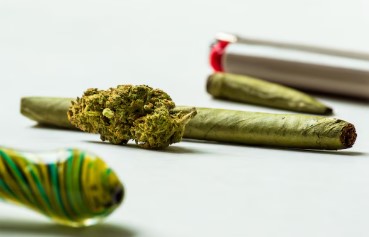
2. Smoking & Vaporization: Fastest Absorption
Mechanism of Absorption
- THC enters the bloodstream through alveoli in the lungs.
- Reaches peak plasma concentration within 3-10 minutes.
- Effects subside within 2-4 hours, depending on individual tolerance.
Pros & Cons
| Pros | Cons |
|---|---|
| Rapid onset | Potential lung irritation |
| Higher bioavailability than edibles | Shorter duration of effects |
| Easier dose titration | Less efficient than vaporization |
Vaporization: The Healthier Alternative
- Lower temperature (~356-392°F or 180-200°C) preserves cannabinoids and terpenes.
- Reduces toxic byproducts (e.g., carbon monoxide, tar).
- Higher bioavailability (40-50%) due to better THC conversion.
Best Temperature Settings for Red Widow
- Lower Temp (~330°F / 165°C): More terpenes, less psychoactive.
- Medium Temp (~375°F / 190°C): Balanced effects, full terpene expression.
- Higher Temp (~410°F / 210°C): Stronger sedative and body-high effects.
3. Edibles: Longest-Lasting Effects
Mechanism of Absorption
- In the liver, THC is changed into 11-hydroxy-THC.
- 11-OH-THC crosses the blood-brain barrier more easily, leading to stronger and longer-lasting psychoactive effects.
- Onset: 30-90 min (depends on metabolism and stomach contents).
- Peak: 2-4 hours post-ingestion.
- Duration: 6-10 hours (sometimes up to 12 hours in high doses).
Pros & Cons
| Pros | Cons |
|---|---|
| Long-lasting effects | Unpredictable onset time |
| No lung irritation | Difficult dose control |
| More potent body high | May cause accidental overconsumption |
Factors That Affect Edible Absorption
- Fasted state: Onset ~30 min, more intense high.
- Fed state: Onset ~90 min, milder effects but longer duration.
- Fatty foods: Enhance THC absorption since cannabinoids are fat-soluble.
Dose Breakdown for Edibles
| Dose (mg THC) | Effects |
|---|---|
| 2.5 mg | Very mild, suitable for beginners |
| 5-10 mg | Standard dose, mild euphoria, relaxation |
| 10-25 mg | Stronger psychoactive effects, suitable for medical use |
| 25-50 mg | Intense high, potential sedation |
| 50+ mg | Extremely potent, risk of anxiety and paranoia |
4. Sublingual Consumption (Tinctures & Sprays)
Mechanism of Absorption
- Directly absorbed by the mucous membranes beneath the mouth and into the bloodstream.
- Bypasses first-pass metabolism, making it faster than edibles.
- Onset: 15-45 min
- Peak: 1-2 hours
- Duration: 3-6 hours
Pros & Cons
| Pros | Cons |
|---|---|
| Faster than edibles | Some tinctures have an alcohol base (burning sensation) |
| Precise dosing | Less socially accepted compared to smoking |
| Discreet and easy to use | Shorter duration than edibles |
How to Use Tinctures Effectively
- Hold under tongue for 30-60 seconds before swallowing for maximum absorption.
- Mixing with food/drinks results in slower absorption (similar to edibles).
5. Topical Application (Localized Relief, No High)
Mechanism of Absorption
- THC does not reach the bloodstream when applied to the skin.
- Works by binding to CB2 receptors in the skin and peripheral nervous system.
- Onset: ~15-30 min
- Duration: ~2-6 hours
- Common Uses: Arthritis, muscle soreness, localized pain relief.
Pros & Cons
| Pros | Cons |
|---|---|
| Non-psychoactive | No systemic effects |
| Long-lasting localized relief | Won’t help with conditions requiring THC in the bloodstream |
| Good for inflammation | Slower onset than inhalation |
Transdermal Patches: The Exception
- THC/CBD patches deliver cannabinoids into the bloodstream, offering long-lasting effects (8-12 hrs) without inhalation or ingestion.
- Ideal for chronic pain and medical users.
Final Summary: Choosing the Best Ingestion Method
| Method | Best For |
|---|---|
| Smoking/Vaping | Quick effects, recreational use, immediate relief |
| Edibles | Long-lasting relief, sleep aid, potent effects |
| Sublinguals (Tinctures) | Medical dosing, fast but long-lasting |
| Topicals | Localized pain relief, no psychoactive effects |
| Transdermal Patches | Steady medical relief without inhalation |
Conclusion
Red Widow is a well-rounded cannabis strain offering both recreational enjoyment and substantial medical benefits. Its potent THC levels, balanced indica-sativa effects, and diverse terpene profile make it suitable for users seeking relaxation, pain relief, and mood enhancement. Whether for creative stimulation, deep relaxation, or medical therapy, Red Widow remains a versatile and powerful choice among hybrid strains.
Best Used For: Evening relaxation, mild pain relief, mood enhancement, and insomnia.
Not Recommended For: Daytime productivity, THC-sensitive individuals, and those prone to anxiety in high doses.
With its unique combination of uplifting cerebral effects and soothing physical relaxation, Red Widow continues to be a top-tier strain among both recreational and medical cannabis users.
For a complete directory of cultivars, visit our Cannabis Strain Reviews.
