Table of Contents
Red Headed Stranger is a rare and distinctive sativa-dominant hybrid cannabis strain recognized for its cerebral stimulation, focus-enhancing effects, and a rich aromatic profile reminiscent of herbs, spices, and citrus. Its name is inspired by Willie Nelson’s album “Red Headed Stranger,” and the strain delivers a sharp, mentally invigorating high that has made it popular among artists, professionals, and medical patients alike.
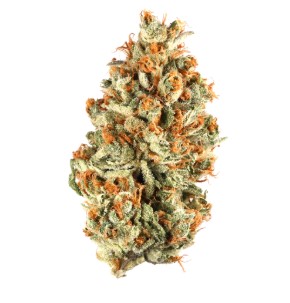
This report explores the phytochemical and pharmacological properties of Red Headed Stranger, evaluates its clinical potential, and analyzes its cultivation parameters. Emphasis is placed on the scientific mechanisms underlying its effects, supported by current cannabinoid and terpene research.
Genetic Lineage and Strain Origins
Red Headed Stranger is a cross between Tom Hill’s Haze and William’s Wonder, two iconic strains with vastly different characteristics:
- Tom Hill’s Haze: A long-flowering, landrace-based sativa known for its energetic, cerebral effects and high limonene content.
- William’s Wonder: A heavily sedating indica with potent body effects and dense buds.
Despite the indica influence from William’s Wonder, Red Headed Stranger retains a strongly sativa-dominant effect profile, typically expressed as 70% sativa / 30% indica in commercial cultivars.
Cannabinoid and Terpene Profile
Cannabinoid Composition
The typical cannabinoid spectrum for Red Headed Stranger includes:
| Cannabinoid | Average Concentration | Function |
|---|---|---|
| THC | 18–22% | Psychoactive, analgesic, anti-inflammatory |
| CBD | <1% | Anxiolytic, neuroprotective (modulating THC) |
| CBG | ~0.5–1.5% | Neuroprotective, anti-inflammatory, focus |
| CBC | ~0.2–0.5% | Mood regulation, anti-inflammatory |
| THCV | Trace (~0.1–0.3%) | Appetite suppressant, possible stimulant |
The THC-rich chemotype is responsible for Red Headed Stranger’s strong psychoactive and mood-elevating effects, while the presence of CBG and THCV contributes to its clarity, stimulation, and potential medical versatility.
Terpene Profile
Red Headed Stranger is highly terpene-expressive, with a citrus-spice aroma and herbal undertones.
| Terpene | Scent/Flavor | Medical Effects |
|---|---|---|
| Limonene | Citrus, lemon | Antidepressant, anxiolytic, anti-inflammatory |
| Pinene | Pine, herbs | Focus, bronchodilation, memory retention |
| Caryophyllene | Spicy, peppery | Anti-inflammatory, CB2 agonist, analgesic |
| Myrcene | Earthy, musky | Sedation (in higher doses), analgesic |
| Terpinolene | Floral, fruity | Antioxidant, mildly sedative, antibacterial |
Together, these terpenes contribute to mental stimulation, stress reduction, pain modulation, and immune regulation via interaction with CB1/CB2, TRP channels, and neurotransmitter systems.
Pharmacological Mechanisms of Action
Cannabinoid Receptor Binding
- THC is a partial agonist at CB1 receptors, primarily in the brain, modulating pain, memory, and mood via inhibition of GABA/glutamate release.
- CB2 activation (via caryophyllene and minor cannabinoids) regulates immune response and inflammation.
- CBD (minimal in Red Headed Stranger) acts as a negative allosteric modulator of CB1 and partial 5-HT1A agonist, reducing anxiety and psychotropic side effects of THC.
- CBG and CBC support anti-inflammatory and neuroprotective pathways through PPARγ activation, TRP modulation, and support of anandamide signaling.
Terpene-Cannabinoid Synergy (Entourage Effect)
- Limonene + THC: Enhances dopamine and serotonin release, improving mood and motivation.
- Pinene + THC: Reduces short-term memory impairment, supporting focus and alertness.
- Caryophyllene + THC: Amplifies analgesia without increasing psychoactivity.
Medical Applications
Red Headed Stranger is a sativa-dominant hybrid with a cannabinoid profile high in THC (~18–22%), modest levels of CBG (0.5–1.5%), and traces of CBD and THCV. It’s known for producing energizing, clear-headed effects, combined with mood elevation and focus enhancement.
Its therapeutic utility comes from a synergistic profile of cannabinoids and terpenes — particularly limonene, pinene, caryophyllene, and myrcene — which work together via the endocannabinoid system (ECS) and related neurochemical pathways.
Cannabinoid and Terpene Contributions to Medical Effects
1. Key Cannabinoids in Red Headed Stranger
- THC: Binds to CB1 receptors, modulating pain perception, mood, memory, and appetite. Also influences CB2 receptors (less affinity), playing a role in immune modulation.
- CBG: Partial agonist at CB1 and CB2, also modulates α2 adrenergic and TRP channels — contributing to neuroprotection, anti-inflammation, and cognitive enhancement.
- THCV: CB1 antagonist at low doses, agonist at higher doses — may reduce anxiety, suppress appetite, and promote alertness.
- CBC (minor amounts): Activates TRPV1 and TRPA1 channels, modulates pain and inflammation.
2. Dominant Terpenes
| Terpene | Medical Role |
|---|---|
| Limonene | Antidepressant, anxiolytic, GI protective |
| Pinene | Bronchodilator, cognitive enhancer, anti-inflammatory |
| Caryophyllene | CB2 agonist, analgesic, gut anti-inflammatory |
| Myrcene | Muscle relaxant, analgesic, anti-insomnia (dose-dependent) |
| Terpinolene | Antioxidant, mildly sedative, anti-anxiety |
These terpenes interact with cannabinoids to produce entourage effects, broadening Red Headed Stranger’s potential in treating multi-symptom disorders.
Specific Medical Applications

1. Chronic Pain
Red Headed Stranger is effective for neuropathic and inflammatory pain due to:
- CB1 activation by THC: Reduces excitatory neurotransmitter release (e.g., glutamate) in spinal cord pain pathways.
- CB2 activation by caryophyllene: Suppresses inflammatory cytokine release and immune cell activation.
- TRPV1 modulation by CBG and CBC: Reduces peripheral pain sensitivity and inflammation.
Best suited for:
- Fibromyalgia
- Neuropathy
- Migraines
- Arthritis
- Menstrual pain
Note: It’s stimulating rather than sedative, so more appropriate for daytime pain management.
2. Inflammation and Autoimmune Disorders
Red Headed Stranger is rich in anti-inflammatory components:
- THC and CBG suppress NF-κB and COX-2 expression, reducing inflammatory mediator production.
- Caryophyllene selectively activates CB2 receptors on immune cells, reducing systemic inflammation.
- Limonene and pinene reduce oxidative stress, enhancing cellular recovery.
Clinical relevance:
- Rheumatoid arthritis
- Lupus
- Psoriasis
- Crohn’s disease and IBS
Its non-sedative character makes it ideal for patients seeking inflammation control without fatigue.
3. Anxiety and Stress
Despite its sativa dominance, Red Headed Stranger has an anxiolytic profile when used at appropriate doses:
- Low-dose THC stimulates dopamine and serotonin release, calming stress centers in the amygdala.
- Limonene increases serotonin activity, shown in animal models to reduce depressive and anxiety-like behaviors.
- Pinene and caryophyllene help prevent THC-induced anxiety by enhancing GABA signaling and reducing neuroinflammation.
Indications:
- Social anxiety
- Generalized anxiety disorder (GAD)
- Performance anxiety
- PTSD-related hypervigilance
Dosing caution: Higher doses of THC can reverse anxiolytic effects, especially in THC-sensitive individuals. Start low.
4. Depression and Mood Disorders
Red Headed Stranger supports dopaminergic and serotonergic signaling, which is often deficient in mood disorders:
- THC increases dopamine release in mesolimbic pathways (ventral tegmental area → nucleus accumbens), improving motivation and pleasure.
- Limonene elevates serotonin levels and modulates neuroendocrine stress responses.
- CBG may enhance neurogenesis in the hippocampus, supporting long-term mood improvement.
Best suited for:
- Major depressive disorder (MDD)
- Seasonal affective disorder (SAD)
- Anhedonia (loss of pleasure)
- Bipolar depression (adjunctive, not during manic phase)
Because it doesn’t overly sedate, it’s often used by patients who want to function during the day while managing depressive symptoms.
5. Fatigue, ADHD, and Focus Impairments
Unlike indica strains, Red Headed Stranger supports mental clarity, attention, and cognitive energy due to:
- Pinene’s inhibition of acetylcholinesterase, enhancing acetylcholine (crucial for memory and focus).
- THCV and limonene stimulate alertness and reduce mental sluggishness.
- CBG boosts norepinephrine and dopamine tone, supporting wakefulness and executive function.
Applicable for:
- ADHD (off-label symptom support)
- Chronic fatigue syndrome
- Brain fog (post-viral, inflammatory, or medication-induced)
- Executive function deficits in depression or trauma recovery
Patients often report improved task initiation, flow state, and mental clarity, especially when vaporized at low doses.
6. Appetite and GI Conditions
Though not a strong appetite stimulator compared to high-myrcene indica strains, Red Headed Stranger may benefit patients with:
- THC-mediated CB1 activation in the hypothalamus, stimulating appetite centers.
- Limonene’s gastroprotective and anti-nausea effects, supporting digestion and reducing GI irritation.
- Caryophyllene and CBG, which modulate gut inflammation and motility via CB2 and TRP channels.
Used for:
- IBS and IBD (as adjunct)
- Stress-related indigestion
- Low appetite with concurrent anxiety
- Mild nausea (e.g., early chemotherapy stages)
7. Neurological and Cognitive Conditions
Red Headed Stranger contains neuroprotective phytochemicals that modulate inflammation, oxidative stress, and neurotransmitter balance:
- CBG and CBC reduce oxidative damage to neurons and promote synaptic plasticity.
- Pinene and terpinolene protect brain tissue from inflammation-induced injury.
- THC and CBD (if present) support muscle relaxation and tremor reduction in motor disorders.
Relevant conditions:
- Early-stage Alzheimer’s or vascular dementia (cognitive support)
- Parkinson’s (for mood, fatigue, tremor adjunctively)
- Multiple sclerosis (for energy and focus)
- Concussion recovery (cognitive stimulation and neuroprotection)
While not a primary neuroprotective agent, Red Headed Stranger may enhance cognitive resilience and support quality of life in neurological patients.
Mechanistic Synergy: Endocannabinoid and Neurotransmitter Systems
Red Headed Stranger acts via multiple neurobiological systems:
1. Endocannabinoid System (ECS)
- CB1 (central): Regulates pain, mood, memory
- CB2 (immune/peripheral): Modulates inflammation
- Anandamide modulation: Increased levels via CBG and CBC, sustaining ECS tone
2. TRP Ion Channels
- TRPV1: Modulated by THC, CBD, CBG — affects pain, heat sensitivity
- TRPA1 and TRPM8: Involved in inflammation and neuropathy
3. Monoaminergic Systems
- Dopamine: Elevated by THC and THCV → mood, motivation
- Serotonin (5-HT1A): Activated by limonene, CBD → anti-anxiety, antidepressant
- Acetylcholine: Sustained by pinene → memory, focus
4. Immune Modulation
- Inhibits pro-inflammatory cytokines (TNF-α, IL-6, IL-1β)
- Enhances T-regulatory activity (via CB2, PPARγ pathways)
- Reduces neuroinflammation in brain glia and peripheral tissues
Dosing Guidance for Medical Use
| Condition | Route | Starting Dose (THC) | Titration Notes |
|---|---|---|---|
| Anxiety/Depression | Inhalation or tincture | 1–3 mg | Low doses preferred to avoid overstimulation |
| Pain/Inflammation | Vapor, edible | 5–10 mg | Increase slowly every 48 hrs as needed |
| Fatigue/Focus | Microdosing | 0.5–2 mg | Use in morning or midday only |
| GI Support | Inhalation | 2.5–5 mg | Combine with limonene-rich terpene profile |
Tip: Inhalation provides fast onset (10–15 min), while oral/sublingual routes offer longer-lasting but slower effects (1–2 hrs onset).
Recreational Effects and Neurochemical Basis
Subjective Effects Profile
| Effect | Description |
|---|---|
| Cerebral uplift | Euphoric, clear-headed high |
| Focus | Improved concentration and task engagement |
| Creative drive | Enhanced lateral thinking |
| Mild body comfort | Gentle muscle relaxation without sedation |
| Sensory enhancement | Colors, sounds, and taste subtly amplified |
Mechanistic Explanation
- THC → CB1 → dopamine release in nucleus accumbens → pleasure, reward, euphoria
- Limonene and pinene modulate monoamine neurotransmitters → mood and alertness
- CBG/THCV balance dopamine and noradrenaline → clarity and reduced impulsivity
The result is a mentally stimulating yet emotionally calming experience — ideal for socializing, creativity, outdoor activities, or music appreciation.
Cultivation Characteristics
1. Botanical Profile and Growth Overview
Red Headed Stranger is a sativa-dominant hybrid with vigorous vertical growth, long flowering time, and high light/nutrient demands. Understanding its morphological traits is critical for managing space, nutrient load, and training strategies.
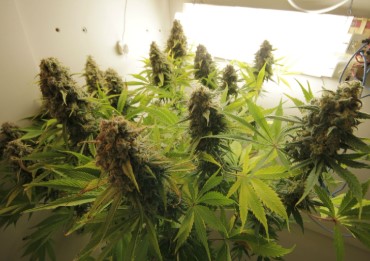
| Trait | Characteristics |
|---|---|
| Genotype | 70% Sativa / 30% Indica |
| Plant Structure | Tall, lanky, long internodes |
| Fan Leaves | Narrow, serrated (sativa-type) |
| Yield (Indoor) | 350–500g/m² |
| Yield (Outdoor) | 500–800g/plant |
| Flowering Period | 9–11 weeks |
| Preferred Growing | Indoor or greenhouse (better environmental control) |
| Resin Production | Moderate to high (dense trichomes in late flower) |
2. Environmental Optimization and Climate Management
Red Headed Stranger responds well to controlled environments. Precision in temperature, humidity, airflow, and VPD (Vapor Pressure Deficit) maximizes growth and terpene development.
2.1 Environmental Parameters
| Stage | Day Temp (°C) | Night Temp (°C) | RH (%) | VPD (kPa) |
|---|---|---|---|---|
| Vegetative | 24–28 | 20–22 | 60–70 | 0.8–1.1 |
| Flowering (weeks 1–6) | 22–26 | 18–20 | 40–50 | 1.0–1.4 |
| Late Flowering (weeks 7–11) | 20–24 | 16–18 | 35–45 | 1.3–1.6 |
Scientific rationale:
- Higher VPD during late flowering promotes trichome development and reduces mold.
- Controlled humidity prevents botrytis (bud rot), which is a risk due to the strain’s narrow but stacked colas.
3. Lighting Strategy
Red Headed Stranger’s sativa morphology and cannabinoid production respond best to high-intensity, full-spectrum lighting.
| Phase | Light Cycle | PPFD (µmol/m²/s) | Notes |
|---|---|---|---|
| Vegetative | 18/6 or 20/4 | 400–600 | Promotes compact internodes, strong branches |
| Flowering | 12/12 | 600–1000 | Boosts bud density, terpene biosynthesis |
| Ripening (Week 10+) | 12/12 | 800–1100 | UV-B exposure can increase trichomes |
Supplemental Lighting
- UV-B in late flower (280–315nm) may stimulate THC and terpene synthase genes via DNA repair pathways and stress-induced secondary metabolism.
- Far-red lighting (730 nm) in vegetative may increase leaf expansion and node spacing, but should be minimized during flowering to avoid stretch.
4. Substrate and Root Zone Management
4.1 Soil or Soilless Options
| Medium | Advantages | Considerations |
|---|---|---|
| Organic soil | Rich microbial activity, robust terpene profile | Slower growth, pH must be stable |
| Coco coir | Aeration, fast drainage, precise nutrient control | Needs frequent watering, prone to Ca/Mg issues |
| Hydroponics | Maximal yield, rapid vegetative growth | Higher complexity, sensitive to EC/pH shifts |
For terpene preservation and flavor intensity, living soil with organic amendments (e.g., compost tea, bat guano, worm castings) is often preferred. For yield optimization, hydroponics or coco are superior with proper management.
4.2 Root Zone Conditions
- pH Targets:
- Soil: 6.0–6.5
- Coco/hydro: 5.8–6.2
- Root Zone Temperature:
- Optimal: 20–22°C
- Below 18°C = slowed nutrient uptake
- Above 25°C = oxygen depletion risk
- Oxygenation:
- Add perlite to soil/coco (20–30%)
- Use air stones or oxygen infusion for hydroponics
5. Nutrient Strategy and Feeding Schedule
Red Headed Stranger is a moderate-to-heavy feeder, particularly in P and K during flowering. Overfeeding nitrogen in flower can reduce terpene production.
Macronutrient Requirements by Stage
| Phase | N (Nitrogen) | P (Phosphorus) | K (Potassium) | Notes |
|---|---|---|---|---|
| Early Veg | High | Medium | Medium | Supports stem, leaf, root mass |
| Late Veg | Medium-High | Medium | High | Preps for flowering transition |
| Flower Weeks 1–4 | Medium | High | High | Bud initiation, organ formation |
| Flower Weeks 5–10 | Low | Very High | Very High | Resin, terpene, trichome formation |
| Flush (Week 10+) | None | None | None | Prevents nutrient residues in final product |
Micronutrients and Additives
- Calcium and magnesium supplementation is critical in coco and hydro setups.
- Use silica (Si) for structural integrity and stress tolerance.
- Sulfur (S) plays a role in terpene biosynthesis, especially for caryophyllene and myrcene.
- Add molasses or carbohydrate feeds to support microbial life and promote terpene expression during flowering.
6. Training Techniques for Yield and Canopy Control
Red Headed Stranger’s tall, sativa-like frame needs structural manipulation to increase light efficiency and prevent top-heaviness late in bloom.
Recommended Methods
| Technique | Purpose |
|---|---|
| Topping | Encourages lateral growth, creates multi-cola structure |
| LST (Low-Stress Training) | Opens canopy, increases light penetration |
| ScrOG (Screen of Green) | Supports even canopy height, controls stretch |
| Defoliation | Removes low/blocked leaves, improves air circulation |
Train early (week 3–4 veg), and avoid high-stress techniques like super-cropping too late in the flowering phase due to risk of hermaphroditism.
7. Flowering Phase Management
Key Milestones in Flowering
| Week | Development | Grower Action |
|---|---|---|
| 1–2 | Stretch, bud sites form | Support branches, switch to flower nutrients |
| 3–6 | Bud formation, resin begins | Monitor RH, lower nitrogen, increase PK |
| 7–9 | Bud swelling, trichomes ripen | Begin terpene preservation measures, reduce watering |
| 10–11 | Final ripening | Flush medium, prepare for harvest |
Late flower is critical for terpene retention. Reduce humidity, avoid foliar sprays, and limit handling of buds.
8. Harvest and Post-Harvest Science
8.1 Trichome Maturity Indicators
Use microscope or jewelers loupe to assess glandular trichomes:
- Clear heads: Immature
- Cloudy/milky: Peak THC
- Amber: THC converting to CBN (more sedative)
Harvest when ~15–20% trichomes are amber for a balanced high.
8.2 Drying
| Parameter | Value |
|---|---|
| Temperature | 18–21°C (65–70°F) |
| Humidity | 50–60% RH |
| Duration | 10–14 days (slow preferred) |
| Environment | Dark, well-ventilated space |
Avoid fast drying — rapid terpene loss (especially limonene and pinene) occurs above 22°C or under fans.
8.3 Curing
- Cure in glass jars or stainless steel containers
- Maintain 58–62% RH
- “Burp” jars daily for first 2 weeks
- Total cure time: 4–8 weeks
Proper curing enhances aroma, smoothness, and converts remaining chlorophyll and residual sugars, resulting in a more refined product.
9. Cultivation Challenges and Solutions
| Issue | Prevention/Remedy |
|---|---|
| Powdery mildew | Maintain airflow, use neem or sulfur sprays in veg |
| Bud rot (Botrytis) | Control humidity, avoid wetting buds, increase spacing |
| Nutrient lockout | Regular flushes, monitor EC/pH |
| Hermaphroditism | Avoid stress in late flower, no excessive pruning |
| Light burn (sativa trait) | Maintain 18–24″ distance for high-intensity LEDs |
10. Optimization for Cannabinoid and Terpene Yield
To enhance THC and terpene levels:
Reduce night temperatures (~16°C) during final 2 weeks to stimulate anthocyanin and preserve volatile terpenes. Glass jars with humidity control packs are recommended for long-term storage.
Use UV-B lighting (during weeks 6–10)
Maintain moderate stress via controlled light and dry-back cycles
Feed organic teas (kelp, molasses, compost) in late bloom
Potential Side Effects
- Mild anxiety or overstimulation at high doses (from THC and limonene synergy)
- Dry mouth and eyes
- Dizziness or racing thoughts in THC-sensitive individuals
- Cognitive disruption with overuse (temporary)
Long-term use may lead to tolerance, and patients with a history of psychosis should avoid high-THC strains without medical supervision.
Conclusion
Red Headed Stranger is a pharmacologically rich, functionally balanced cannabis strain offering both medical efficacy and recreational sophistication. Its sativa-dominant profile provides clear-headed stimulation, while its complex cannabinoid-terpene matrix engages the endocannabinoid system to relieve pain, inflammation, anxiety, depression, and neurological symptoms.
For growers, it presents a moderately challenging but rewarding cultivation experience. For medical users, it serves as a versatile daytime strain, and for recreational consumers, it offers a uniquely engaging and focus-enhancing high.
With proper dosing and thoughtful use, Red Headed Stranger exemplifies the future of targeted cannabis therapy: intelligent, nuanced, and evidence-based.
For a complete directory of cultivars, visit our Cannabis Strain Reviews.
