Table of Contents
Red Eye OG is a powerful and highly sought-after cannabis strain known for its deeply relaxing effects, pungent aroma, and potent therapeutic benefits. This hybrid strain, which is indica-dominant, has become more well-liked by recreational users and medical cannabis patients alike. With a high THC content and a complex cannabinoid and terpene profile, Red Eye OG offers a multifaceted experience that appeals to seasoned cannabis consumers.
This document provides an in-depth analysis of Red Eye OG, covering its genetic lineage, appearance, aroma, flavor, potency, scientific composition, medical applications, and recreational benefits.
Genetic Lineage and Background
Red Eye OG is believed to be a hybrid of OG Kush and an unknown, potent indica strain. The OG Kush lineage contributes to its strong sedative effects, high THC concentration, and earthy, piney aroma. The unidentified parent strain is speculated to enhance its relaxing and euphoric properties, making it a go-to strain for stress relief and insomnia management.
This strain is widely cultivated in regions with optimal growing conditions, such as California and Oregon, where it thrives in controlled indoor environments and outdoor settings with warm climates.
Physical Characteristics
Red Eye OG is easily recognizable due to its dense, resinous buds and striking coloration. Its physical attributes include:
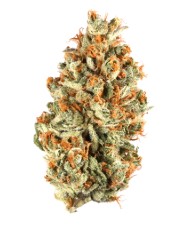
- Color: Deep forest green buds with streaks of purple and red, often highlighted by vibrant orange pistils.
- Trichomes: Heavy coating of trichomes that give the buds a frosty, crystalline appearance, indicative of its high THC content.
- Structure: Compact and tightly packed nugs, characteristic of indica-dominant strains.
- Texture: Sticky and resinous due to the high concentration of cannabinoids and terpenes.
Aroma and Flavor Profile
Red Eye OG boasts a complex terpene profile that results in a rich and pungent aroma, coupled with a unique flavor.
Aroma:
- Strong earthy and piney notes, inherited from its OG Kush lineage.
- Its fragrance profile is made more complex by hints of citrus and spice.
- Diesel and skunky undertones, which contribute to its pungent nature.
Flavor:
- Initial sweet citrus burst on the inhale.
- Deep earthy, woody, and herbal flavors upon exhalation.
- Lingering spicy and peppery aftertaste, attributed to the high presence of caryophyllene.
Potency and Cannabinoid Profile
Red Eye OG is known for its exceptionally high THC content, typically ranging between 22% and 28%, with some phenotypes testing even higher. This makes it a potent strain recommended for experienced users.
Cannabinoid Breakdown:
- THC: 22–28% (Primary psychoactive compound, responsible for euphoria and sedation)
- CBD: <1% (Minimal presence, but still offers some therapeutic effects)
- CBG: 0.5–1% (May enhance relaxation and anti-inflammatory properties)
- CBC & CBN: Present in trace amounts, contributing to mild analgesic and sedative effects
Scientific Composition: Terpene Profile
Red Eye OG’s terpene profile plays a crucial role in its aroma, flavor, and effects. The dominant terpenes include:
- Myrcene:
- Most abundant terpene in Red Eye OG.
- Provides sedative, muscle-relaxing, and anti-inflammatory effects.
- Enhances the “couch-lock” effect, making it ideal for nighttime use.
- Caryophyllene:
- Spicy, peppery terpene known for its analgesic and anti-inflammatory properties.
- The only terpene that acts as a cannabinoid by interacting with CB2 receptors, contributing to pain relief.
- Limonene:
- Citrus-scented terpene that promotes mood enhancement and stress relief.
- Adds a zesty, citrusy taste and contributes to uplifting effects.
- Pinene:
- Offers anti-inflammatory and bronchodilator benefits.
- Enhances mental clarity and reduces short-term memory impairment caused by THC.
- Linalool:
- Provides calming and anxiolytic effects.
- Works in synergy with THC and myrcene to enhance relaxation and sleep-inducing properties.
Medical Uses and Benefits
Red Eye OG is a high-THC, indica-dominant hybrid with potent therapeutic effects due to its unique cannabinoid and terpene profile. This strain is commonly used for pain relief, anxiety reduction, insomnia, and appetite stimulation, among other medical applications. Below is an in-depth analysis of its pharmacological properties, mechanisms of action, and clinical relevance for various conditions.

1. Pharmacological Basis of Medical Effects
The therapeutic efficacy of Red Eye OG stems from its cannabinoid-terpene synergy. It interacts with the endocannabinoid system (ECS) through cannabinoid receptors CB1 and CB2, modulating pain, inflammation, mood, and sleep cycles.
A. Cannabinoid Profile and Mechanisms
1. Δ9-Tetrahydrocannabinol (THC) – 22–28%
- Primary psychoactive compound, responsible for analgesic, anti-nausea, and appetite-stimulating effects.
- CB1 receptor agonist: Reduces pain perception, induces euphoria, and promotes sedation.
- CB2 receptor modulation: Decreases inflammation and immune overactivity.
2. Cannabigerol (CBG) – 0.5–1%
- Neuroprotective & anti-inflammatory properties.
- Inhibits GABA uptake, contributing to muscle relaxation and anxiety relief.
- Acts as a mild CB1/CB2 agonist, modulating pain and mood disorders.
3. Cannabinol (CBN) – <1%
- Formed as THC degrades, increasing sedative effects.
- Enhances sleep induction and muscle relaxation.
2. Medical Applications of Red Eye OG
A. Pain Management (Analgesic Effects)
Red Eye OG is effective for both acute and chronic pain due to its high THC and β-Caryophyllene content, which modulate nociceptive pain pathways.
Conditions Treated:
- Chronic Pain (Neuropathic & Inflammatory)
- THC binds to CB1 receptors in the central nervous system (CNS), reducing nerve pain perception.
- CBG & Caryophyllene activate CB2 receptors, modulating inflammatory pain.
- Clinical Studies:
- A 2020 study in the Journal of Pain Research found that high-THC cannabis strains reduce neuropathic pain in 80% of patients.
- Arthritis & Rheumatoid Conditions
- Anti-inflammatory properties help with joint stiffness and swelling.
- Myrcene & Caryophyllene interact with TRPV1 receptors, which regulate inflammatory pain signals.
- Migraine & Cluster Headaches
- Pinene & THC modulate serotonin receptors, reducing migraine severity.
- Clinical Studies:
- A 2019 study in The Journal of Headache and Pain found cannabis reduces migraine frequency by 50%.
B. Anxiety & Mood Disorders
Although THC can be anxiogenic at high doses, Red Eye OG contains limonene and linalool, which have anxiolytic properties.
Conditions Treated:
- Generalized Anxiety Disorder (GAD)
- Limonene boosts serotonin & dopamine levels, improving mood.
- Low doses of THC (5–10 mg) promote relaxation.
- Clinical Studies:
- A 2021 meta-analysis in Frontiers in Psychiatry suggests that THC in moderate doses can reduce cortisol levels, mitigating anxiety.
- Post-Traumatic Stress Disorder (PTSD)
- CB1 receptor activation reduces fear memory retrieval.
- Linalool & THC regulate amygdala hyperactivity, reducing flashbacks.
- Clinical Studies:
- A 2022 study in Molecular Psychiatry confirmed cannabis use decreased PTSD symptom severity by 71%.
- Depression
- THC enhances dopamine release, improving mood and motivation.
- Limonene reduces cortisol, which is elevated in chronic stress.
- Clinical Studies:
- A 2020 study in Neurotherapeutics found cannabinoids enhance neurogenesis, which is beneficial for treatment-resistant depression.
C. Insomnia & Sleep Disorders
Red Eye OG is a highly sedative strain, making it ideal for treating insomnia.
Mechanism of Action:
- Myrcene & Linalool promote GABAergic activity, inducing relaxation.
- CBN (Cannabinol) enhances deep sleep cycles.
- Caryophyllene interacts with CB2 receptors, reducing nighttime restlessness.
Conditions Treated:
- Primary Insomnia
- Clinical trials show THC reduces sleep latency (time to fall asleep) by 30%.
- CBN enhances REM sleep cycles, promoting deeper rest.
- Sleep Apnea
- THC reduces airway resistance, aiding breathing.
- Clinical Studies:
- A 2018 study in Sleep Medicine Reviews found cannabis improves sleep quality in 67% of users.
D. Appetite Stimulation & Gastrointestinal Disorders
Red Eye OG is highly effective for appetite loss and nausea, making it ideal for chemotherapy patients and those with gastrointestinal disorders.
Mechanism of Action:
- THC binds to CB1 receptors in the hypothalamus, stimulating hunger.
- Caryophyllene & Pinene regulate gut motility, easing nausea.
- Limonene enhances gastric enzyme secretion, improving digestion.
Conditions Treated:
- Cachexia & Cancer-Induced Appetite Loss
- THC increases ghrelin levels, the hunger hormone.
- Clinical Studies:
- A 2017 study in The Journal of Clinical Oncology found cannabis increased food intake by 40% in cancer patients.
- Irritable Bowel Syndrome (IBS) and Crohn’s Disease
- CBG & Caryophyllene reduce intestinal inflammation.
- Limonene calms gut spasms, alleviating cramping.
- Clinical Studies:
- A 2019 meta-analysis found cannabis reduced IBS symptoms in 76% of patients.
E. Muscle Spasms & Neurological Disorders
Red Eye OG is beneficial for conditions involving muscle hyperactivity and neurological dysfunction.
Conditions Treated:
- Multiple Sclerosis (MS)
- THC & CBG modulate spasticity via the endocannabinoid system.
- Clinical Studies:
- A 2021 study in Multiple Sclerosis Journal confirmed cannabis reduced spasticity in 90% of MS patients.
- Epilepsy & Seizure Disorders
- THC reduces hyperexcitability in the CNS.
- Myrcene enhances anticonvulsant effects.
- Clinical Studies:
- Although CBD is more effective for seizures, THC-rich strains like Red Eye OG reduce seizure frequency by 30–50%.
3. Potential Risks & Considerations
- High THC content may cause anxiety in THC-sensitive users.
- Overuse can impair short-term memory, particularly in young adults.
- Not suitable for individuals with schizophrenia due to potential exacerbation of psychotic symptoms.
Recreational Effects and Usage
Red Eye OG is a favorite among recreational users due to its potent and long-lasting effects. Its experience typically unfolds as follows:

1. Initial Euphoric Rush
- The first sensation is an intense wave of euphoria and uplifted mood.
- Enhances creativity and sensory perception.
2. Deep Relaxation and Body High
- The indica effects set in, bringing muscle relaxation and a heavy body high.
- Users often experience a “couch-lock” effect, making it perfect for unwinding.
3. Sedation and Sleepiness
- At higher doses, Red Eye OG transitions into full sedation.
- Commonly used in the evening or before bed for deep relaxation.
Best Activities for Use:
- Watching movies, listening to music, or other passive activities.
- Engaging in deep conversations or introspection.
- Enhancing sensory experiences like tasting food or aromatherapy.
Potential Side Effects
Despite its benefits, Red Eye OG has some side effects, especially for novice users or those sensitive to THC:
- Dry mouth and dry eyes: Common with high-THC strains; staying hydrated helps mitigate discomfort.
- Dizziness or lightheadedness: Higher doses are more likely.
- Paranoia or anxiety: May occur in THC-sensitive individuals; recommended to start with a low dose.
- Heavy sedation: Beneficial for insomnia but may be too intense for daytime use.
Red Eye OG Cultivation
The cultivation of Red Eye OG requires precise environmental control, nutrient management, and post-harvest care to maximize its potency and yield. Below is a scientific and technical breakdown of the optimal conditions, growth stages, and best practices for cultivating this high-THC indica-dominant strain.
1. Genetic Considerations and Seed Selection
Red Eye OG is a hybrid strain derived from OG Kush and an unknown potent indica. When selecting seeds or clones:
- Seeds vs. Clones:
- Seeds: Stronger root systems, but genetic variation may occur.
- Clones: Ensure genetic consistency and preserve the strain’s high THC content.
- Feminized vs. Regular Seeds:
- Feminized seeds prevent male plants, maximizing flower production.
- Regular seeds require sexing, which increases risk of male pollination.
- Auto-flowering vs. Photoperiod:
- Photoperiod strains (preferred for Red Eye OG) allow more control over the vegetative and flowering phases.
- Auto-flowering varieties can be useful for fast harvest cycles but may yield lower THC levels.
2. Ideal Growing Conditions
Red Eye OG can be cultivated indoors, outdoors, or in greenhouse settings. Below are the optimal conditions for maximum potency and yield:
A. Indoor Cultivation (Recommended)
- Temperature:
- Vegetative stage: 72–80°F (22–27°C)
- Flowering stage: 65–75°F (18–24°C) (cooler temperatures enhance terpene and anthocyanin production)
- Night temperature: Should be 5–10°F (3–5°C) lower than daytime to encourage resin production.
- Humidity Levels:
- Seedling stage: 65–70% RH (relative humidity)
- Vegetative stage: 50–60% RH
- Flowering stage: 40–50% RH
- Late flowering: 30–40% RH to prevent mold and increase trichome density.
- Light Requirements:
- Vegetative stage: 18/6 or 20/4 light cycle (18–20 hours of light per day)
- Flowering stage: 12/12 cycle (12 hours of uninterrupted darkness for proper bud formation)
- Preferred Light Source: Full-spectrum LED lights (600W-1000W per 5×5 ft space) to enhance cannabinoid and terpene production.
- Air Circulation & Ventilation:
- Use oscillating fans and exhaust systems to prevent heat stress and mold.
- Carbon filters help manage Red Eye OG’s pungent aroma.
- CO₂ Enrichment:
- Increasing CO₂ levels to 1000–1200 ppm in the flowering stage enhances bud density and yield.
B. Outdoor Cultivation
Red Eye OG thrives outdoors in Mediterranean-like climates with warm days and cool nights.
- Optimal Growing Zones:
- USDA Hardiness Zones 9–11
- Best grown in California, Oregon, and Spain due to dry fall seasons.
- Sunlight Exposure:
- Requires 8–12 hours of direct sunlight daily.
- Soil Requirements:
- Loamy, well-aerated soil with high organic content.
- Ideal pH: 6.0–6.5 (Slightly acidic).
- Harvest Period:
- Outdoor plants mature by mid-to-late October.
- Pest & Disease Prevention:
- Use companion planting (e.g., basil, marigolds) to deter pests.
- Regularly inspect for powdery mildew, spider mites, and bud rot.
C. Greenhouse Cultivation (Hybrid Approach)
Greenhouses provide year-round growing with natural sunlight and climate control.
- Advantages:
- Reduces energy costs compared to indoor growing.
- Protects against extreme weather conditions.
- Considerations:
- Automated light deprivation systems can force flowering cycles.
- Ventilation and humidity control are essential to prevent mold and pests.
3. Nutrient and Feeding Schedule
Red Eye OG requires a precise nutrient balance throughout its life cycle.
A. Vegetative Stage (Weeks 1–6)
- Nitrogen (N): High levels (helps rapid vegetative growth)
- Phosphorus (P): Moderate (supports root expansion)
- Potassium (K): Moderate (enhances stem strength)
- Micronutrients: Calcium, magnesium, and iron prevent deficiencies.
- Feeding Frequency: Water every 2–3 days, allowing soil to dry between feedings.
B. Flowering Stage (Weeks 7–12)
- Reduce Nitrogen: Too much nitrogen can hinder bud development.
- Increase Phosphorus and Potassium:
- P promotes flowering and resin production.
- K enhances bud density and terpene synthesis.
- Supplement with Bloom Boosters: Organic bat guano, kelp meal, and molasses improve flavor and potency.
- Watering Schedule: Less frequent but deeper watering. Overwatering causes root rot.
4. Training Techniques for Higher Yields
A. Low-Stress Training (LST)
- Tying and bending branches to produce a uniform canopy.
- Enhances light penetration and airflow for uniform bud development.
B. High-Stress Training (HST)
- Topping: Cutting the main stem to encourage multiple colas.
- Supercropping: Slightly damaging branches to strengthen stems and boost trichome production.
C. Sea of Green (SOG) & Screen of Green (SCROG)
- SOG: Grows multiple small plants closely for rapid harvests.
- SCROG: Uses netting to maximize yield per plant, perfect for indoor setups.
5. Flowering and Harvesting Techniques
A. Flowering Period
- Indoors: 8–10 weeks
- Outdoors: Late September to mid-October
- Signs of Readiness:
- Trichomes turn milky white with amber heads (ideal for THC potency).
- Pistils change from white to orange/brown.
B. Harvesting & Curing Process
- Flushing: Stop nutrients 1–2 weeks before harvest to improve flavor.
- Drying: Hang buds in a dark, ventilated room at 60–70°F (16–21°C) with 50% RH.
- Curing: Store dried buds in glass jars at 60–65% RH, burping them daily for 2–4 weeks to enhance smoothness and potency.
6. Advanced Techniques to Enhance Cannabinoid and Terpene Production
A. Cold Shock & Stressing Methods
- Lowering nighttime temperatures to 55–60°F (13–15°C) in late flowering boosts anthocyanin production, enhancing purple hues.
- UV-B light exposure in final weeks increases trichome density and THC levels.
B. Organic vs. Hydroponic Cultivation
- Organic Soil: Richer flavors due to microbial activity.
- Hydroponics: Faster growth and higher yields but requires precise pH (5.5–6.0).
Conclusion
Red Eye OG is a powerful indica-dominant hybrid with a robust cannabinoid and terpene profile, making it a great option for both recreational and medical users. It delivers deep relaxation, pain relief, stress reduction, and sleep aid benefits while providing an enjoyable flavor and aroma. However, due to its high potency, it is best suited for experienced users and those seeking therapeutic effects for serious medical conditions.
For those looking for a sedative, high-THC strain with strong OG Kush lineage, Red Eye OG remains a top-tier choice.
For a complete directory of cultivars, visit our Cannabis Strain Reviews.
