Table of Contents
Red Congolese is a rare and sought-after sativa-dominant cannabis strain known for its unique energizing effects, vibrant flavors, and profound medicinal benefits. This landrace strain, believed to have African, Mexican, and Afghani roots, has been cultivated over generations to produce a highly potent and aromatic experience. Its uplifting and clear-headed effects make it a popular choice among recreational users, while its medical properties provide relief for various conditions.
Genetics and Origins
Red Congolese is classified as a pure sativa or a sativa-dominant hybrid, depending on the specific phenotype. It is thought to have originated from the Democratic Republic of Congo, where landrace sativas have been cultivated for centuries. The strain’s genetics are believed to have been influenced by:
- Congo Landrace Sativa: A naturally occurring strain native to Central Africa, known for its cerebral and uplifting high.
- Mexican Sativa: Contributing to its earthy and spicy flavors.
- Afghani Indica: Providing some degree of body relaxation and stabilizing the high to prevent overstimulation.
The blend of these genetics has resulted in a strain that delivers a powerful mental high while still maintaining a level of physical relaxation.
Appearance, Aroma, and Flavor
Appearance
Red Congolese is characterized by its bright green buds, fiery orange pistils, and a generous coating of trichomes. The buds are typically dense yet fluffy, showcasing hues of deep red and amber, which contribute to its name.
Aroma
The aroma of Red Congolese is a complex blend of:
- Earthy tones
- Citrus and grapefruit
- Spicy and herbal undertones
- A slight cheesy funk
Flavor
When consumed, Red Congolese has a dynamic flavor profile:
- Sweet and fruity notes
- Tangy citrus (grapefruit and lemon)
- Herbal spice (clove and nutmeg)
- A mild cheese-like aftertaste
Cannabinoid and Terpene Profile
Cannabinoid Content
- THC: Typically ranges from 18% to 22%
- CBD: Low (<1%)
- CBG: 1%–2%
- CBC, CBN: Present in trace amounts
Terpene Profile
- Terpinolene: Contributes to its fruity and citrusy aroma, with mild sedative properties.
- Myrcene: Adds earthy and herbal notes while providing relaxation.
- Pinene: Enhances focus and alertness while offering anti-inflammatory benefits.
- Limonene: Supports mood elevation and stress relief.
- Caryophyllene: Contributes spicy undertones and provides pain relief via CB2 receptor activation.
Effects and Benefits
Recreational Effects
Red Congolese is highly valued in the recreational cannabis community for its:
- Euphoric and uplifting effects: Users report an immediate surge in happiness and mental clarity.
- Energy boost: Ideal for daytime use, it promotes motivation and focus.
- Creative stimulation: Many artists and writers favor Red Congolese for its ability to enhance creativity.
- Mild body relaxation: Unlike heavy indicas, this strain offers light muscle relaxation without sedation.
- Social enhancement: Red Congolese can heighten conversation and make social activities more enjoyable.
Medical Uses
Neurological and Mental Health Applications
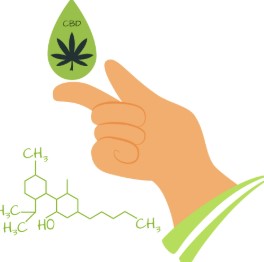
- Depression and Anxiety: Its uplifting effects help alleviate symptoms of mood disorders.
- ADHD/ADD: Enhances focus and cognitive function, making it a potential alternative to stimulants.
- PTSD: Reduces stress responses and promotes relaxation without inducing paranoia.
- Migraine Relief: Anti-inflammatory properties may help reduce headache intensity.
Pain and Inflammation
- Chronic Pain: Moderate pain-relieving properties make it useful for muscle aches and joint pain.
- Fibromyalgia: Some patients report relief from chronic widespread pain.
- Arthritis: Anti-inflammatory effects provide mild relief for joint inflammation.
Gastrointestinal Disorders
- Appetite Stimulation: Helpful for individuals with eating disorders or undergoing chemotherapy.
- Nausea Reduction: Effective in treating nausea related to medical treatments or conditions like Crohn’s disease.
Metabolic and Neuroprotective Effects
- Diabetes Management: Some research suggests cannabinoids may help regulate blood sugar levels.
- Neuroprotection: Potential for protecting neurons from oxidative stress and inflammation.
Environmental Conditions
Since Red Congolese originates from Africa’s tropical climate, it thrives best in warm, humid environments with abundant sunlight.
Ideal Climate Parameters
- Temperature: 70°F – 85°F (21°C – 29°C)
- Humidity Levels:
- Vegetative Stage: 55%–65% RH (Relative Humidity)
- Flowering Stage: 40%–50% RH
- Late Flowering (Pre-Harvest): 30%–40% RH
- Light Cycle:
- Indoors: 18/6 during veg, 12/12 during flowering
- Outdoors: Requires long sunlight exposure (minimum 12-14 hours)
- CO₂ Enrichment: Adding 1200-1500 ppm CO₂ in indoor grows can enhance photosynthesis and increase yields.
2. Growth Medium and Nutrients
The choice of growing medium affects plant development, terpene production, and overall yield.
Best Growing Mediums for Red Congolese
- Soil:
- Ideal pH: 6.0 – 6.5
- Packed with organic matter (worm castings, compost)
- Promotes terpene complexity
- Hydroponics (Deep Water Culture, Rockwool, Coco Coir):
- Ideal pH: 5.5 – 6.0
- Faster nutrient uptake → increased growth rate
- Requires strict monitoring of pH and EC (Electrical Conductivity)
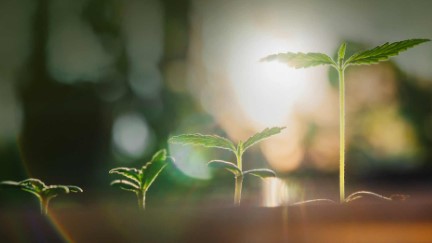
Essential Nutrients
Macronutrients (Primary Nutrients):
- Nitrogen (N) → High in vegetative stage for robust growth
- Phosphorus (P) → Essential for flowering, root health
- Potassium (K) → Enhances bud structure and resistance to pests
Micronutrients:
- Calcium (Ca) → Strengthens cell walls, prevents nutrient lockout
- Magnesium (Mg) → Aids in chlorophyll production, essential for photosynthesis
- Sulfur (S) → Boosts terpene synthesis
Feeding Schedule (PPM Levels)
| Growth Stage | N-P-K Ratio | PPM Range |
|---|---|---|
| Seedling | 2-1-2 | 300-400 PPM |
| Vegetative | 4-2-3 | 800-1000 PPM |
| Early Flowering | 5-10-7 | 1000-1200 PPM |
| Late Flowering | 3-15-10 | 1200-1400 PPM |
3. Cultivation Methods
Indoor vs. Outdoor Cultivation
- Indoor Cultivation:
- Requires HID (High-Intensity Discharge) or LED lighting for optimal yields
- Easier to control environmental factors
- Sea of Green (SOG) or Screen of Green (ScrOG) techniques are recommended
- Outdoor Cultivation:
- Best suited for warm, tropical climates with extended sunlight exposure
- Requires protection from pests and fungal infections
Pruning and Training Techniques
Since Red Congolese is a tall-growing sativa, it benefits from training methods:
- Topping → Encourages multiple colas instead of a single main cola
- Low-Stress Training (LST) → Improves light penetration, increases yield
- Defoliation → Removing excess fan leaves to prevent moisture buildup
4. Flowering Time and Yield
- Indoor Flowering Time: 10-12 weeks
- Outdoor Harvest Time: Late October – Early November
- Yield Potential:
- Indoors: 400–500g/m²
- Outdoors: 600–800g per plant (in optimal conditions)
5. Pest and Disease Management
Due to its humid-friendly nature, Red Congolese is susceptible to mold and pests.
Common Threats & Prevention
- Powdery Mildew: Use silica supplements and ensure proper air circulation.
- Spider Mites & Aphids: Introduce predatory insects like ladybugs or neem oil sprays.
- Bud Rot (Botrytis): Avoid overwatering, maintain low humidity in late flowering.
6. Harvesting and Curing for Maximum Potency
- Harvesting Indicators:
- Trichomes: 70% milky, 20% amber, 10% clear
- Pistils: 80% orange/reddish-brown
- Drying Process:
- Hang buds upside-down in a dark, ventilated area (50% RH, 60°F) for 7-10 days
- Curing Process:
- Store in glass jars with Boveda humidity packs (58-62% RH)
- Open jars daily for the first two weeks to remove excess moisture
Consumption Methods and Dosage
A. Inhalation (Smoking & Vaping)
Absorption Mechanism:
- THC enters the lungs and diffuses into pulmonary capillaries, reaching the bloodstream almost instantly.
- It bypasses first-pass metabolism in the liver, leading to rapid onset.
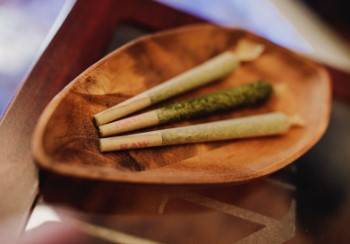
Onset & Duration:
- Onset: 1–5 minutes
- Peak Effects: 15–30 minutes
- Duration: 2–4 hours
Bioavailability:
- Smoking: ~30-40% THC absorption
- Vaping: ~50-60% THC absorption (due to reduced combustion loss)
Advantages:
- Fast-acting effects, suitable for immediate relief (e.g., anxiety, fatigue, creativity boost).
- Vaping preserves more terpenes, enhancing entourage effects (increased therapeutic synergy).
Disadvantages:
- Shorter duration compared to edibles.
- Potential respiratory irritation (more pronounced in smoking than vaping).
B. Oral Ingestion (Edibles, Tinctures, Capsules)

Absorption Mechanism:
- THC is metabolized by the liver into 11-hydroxy-THC, a more potent and longer-lasting psychoactive metabolite.
- This process increases psychedelic effects, making Red Congolese more intensely cerebral in edible form.
Onset & Duration:
- Onset: 30 to 90 minutes, depending on stomach contents and metabolism.
- Peak Effects: 2–3 hours
- Duration: 6–8 hours (can extend to 12 hours in some users)
Bioavailability:
- 4-20% (varies due to individual metabolic rates and digestion efficiency)
Advantages:
- Long-lasting effects, ideal for medical patients requiring extended relief.
- No lung irritation.
Disadvantages:
- Delayed onset can lead to overconsumption.
- More intense psychoactive effects than smoking/vaping.
C. Sublingual Administration (Tinctures, Oils)
Absorption Mechanism:
- Cannabinoids diffuse directly into bloodstream via sublingual capillaries, avoiding first-pass metabolism.
Onset & Duration:
- Onset: 15–45 minutes
- Peak Effects: 1–2 hours
- Duration: 4–6 hours
Bioavailability:
- 40-50% (higher than edibles but lower than vaping)
Advantages:
- Faster onset than edibles.
- Precise dosing with droppers.
- Ideal for medical use (chronic pain, anxiety, neuroprotection).
Disadvantages:
- Shorter duration than edibles.
- The taste of cannabis tinctures is disliked by some consumers.
D. Topical Use (Transdermal Patches, Balms, and Creams)
Absorption Mechanism:
- Cannabinoids bind to CB2 receptors in localized areas without entering the bloodstream (unless using transdermal patches).
Onset & Duration:
- Onset: 15–60 minutes
- Peak Effects: 1–2 hours
- Duration: 4–6 hours
Bioavailability:
- Transdermal patches: ~50%
- Lotions/Balms: Limited systemic absorption (~<5%)
Advantages:
- Non-psychoactive (unless transdermal).
- Ideal for localized pain, arthritis, inflammation.
Disadvantages:
- Not suitable for users seeking cerebral or full-body effects.
2. Comparison of Ingestion Methods: Onset, Peak, Duration
| Method | Onset Time | Peak Effects | Total Duration | Bioavailability |
|---|---|---|---|---|
| Smoking | 1–5 min | 15–30 min | 2–4 hours | 30-40% |
| Vaping | 1–5 min | 15–30 min | 2–4 hours | 50-60% |
| Edibles | 30–90 min | 2–3 hours | 6–8 hours | 4-20% |
| Tinctures (Sublingual) | 15–45 min | 1–2 hours | 4–6 hours | 40-50% |
| Topicals | 15–60 min | 1–2 hours | 4–6 hours | <5% (except patches) |
| Transdermal Patches | 30–60 min | 2–3 hours | 8–12 hours | 50% |
3. Factors Affecting Absorption & Duration
A. Individual Metabolism
- Faster metabolism → Shorter effects, faster THC breakdown.
- Slower metabolism → Prolonged high, stronger edibles response.
B. Presence of Food (For Edibles)
- Empty stomach → Faster absorption, but intense high.
- Full stomach (especially fats) → Slower absorption, but prolonged effects.
C. Tolerance Level
- Frequent users may require higher doses for similar effects.
- New users should start with low doses (2.5-5mg THC in edibles or 1-2 puffs for inhalation).
D. Strain-Specific Cannabinoid & Terpene Profile
- High-THC Sativa (Red Congolese) → Fast cerebral onset, increased dopamine release, mental stimulation.
- Terpenes like Limonene & Pinene further increase bioavailability, enhancing cognitive effects.
4. Conclusion
The optimal method of consuming Red Congolese depends on desired effects, onset time, and duration.
- For quick energy & creativity → Vaping or smoking is best.
- For extended medical relief → Edibles or tinctures are preferable.
- For non-psychoactive pain relief → Topicals and transdermal patches work best.
Potential Side Effects
Although Red Congolese is well-tolerated by most users, it can produce some side effects, including:
- Dry Mouth and Dry Eyes: Typical of the majority of cannabis strains.
- Paranoia and Anxiety: Higher doses may trigger anxiety in sensitive users.
- Dizziness: Due to its potent cerebral effects.
- Increased Heart Rate: Not suitable for those with cardiovascular issues.
Scientific Research and Future Potential
Scientific studies on cannabis suggest that Red Congolese’s cannabinoids and terpenes contribute to its medical benefits. There is current research in a number of areas:
- Endocannabinoid System Modulation: Understanding how Red Congolese interacts with CB1 and CB2 receptors.
- Anti-Inflammatory Mechanisms: Studies on terpenes like caryophyllene and their effects on inflammation.
- Neuroprotective Properties: Potential for treating neurodegenerative diseases like Parkinson’s and Alzheimer’s.
- Mood Disorders: Investigating cannabis strains for treatment-resistant depression and anxiety.
Legal Status and Availability
Red Congolese is available in various legal cannabis markets, including Canada and select U.S. states. It is typically found in dispensaries as:
- Flower (whole buds)
- Pre-rolls
- Concentrates (wax, shatter, and live resin)
- Edibles and Tinctures
Due to its popularity, availability may vary, and it is often considered a specialty strain.
Conclusion
Red Congolese is a powerful sativa strain with a rich history and dynamic effects. Its energizing and uplifting high makes it an excellent choice for recreational use, while its therapeutic benefits provide relief for various medical conditions. With a unique flavor profile, high THC content, and a complex terpene composition, Red Congolese remains one of the most cherished sativa strains available.
As cannabis research continues to evolve, the medical potential of Red Congolese may be further validated through clinical trials and scientific studies. Whether used for creative endeavors, social interactions, or medical relief, Red Congolese is a versatile and valuable strain for cannabis enthusiasts and patients alike.
For a complete directory of cultivars, visit our Cannabis Strain Reviews.
