Recycling and Reusing Soil in Medical Cannabis Cultivation for Medical Use
Introduction
Soil recycling and reuse in medical cannabis cultivation is a sustainable practice that addresses both environmental and economic concerns. The demand for medical cannabis is growing globally due to its therapeutic benefits for various medical conditions. Patients rely on medical cannabis to manage chronic pain, reduce inflammation, alleviate symptoms of neurological disorders, and more. This increased demand requires sustainable agricultural practices to ensure that the cultivation process does not negatively impact the environment or the quality of the plants produced.
Recycling and reusing soil in medical cannabis cultivation reduces the need for fresh soil and minimizes waste. It can also help to maintain or enhance the microbial life in the soil, which is vital for healthy cannabis plant growth. However, recycling soil requires careful management to avoid contamination and ensure that the plants grown in recycled soil meet medical-grade quality standards.
This detailed article explores the importance of recycling and reusing soil in the medical cannabis industry, the methods involved, the benefits of sustainable soil management, and how these practices align with the strict quality control requirements of medical cannabis cultivation.
The Importance of Soil Quality in Medical Cannabis Cultivation
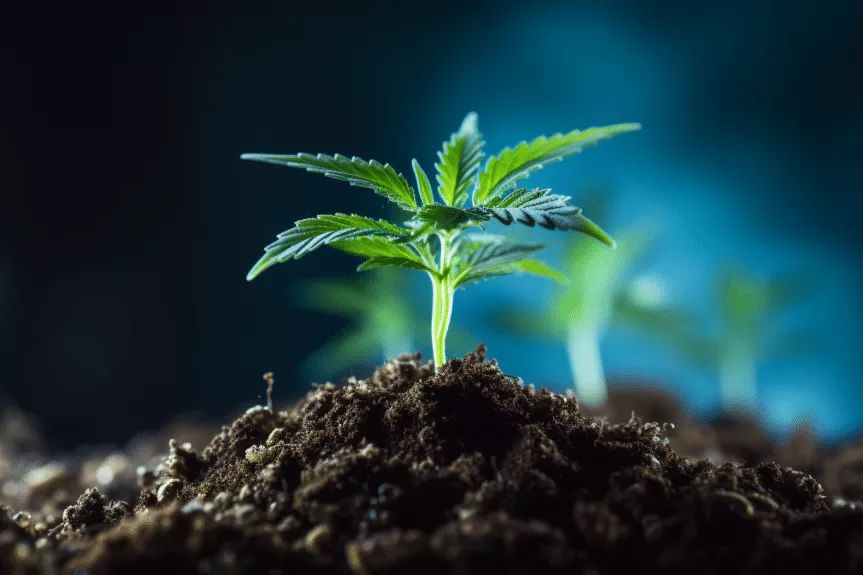
In medical cannabis cultivation, soil quality directly affects the chemical composition of the plants, including their cannabinoid and terpene profiles. Unlike recreational cannabis, which may prioritize potency or flavor, medical cannabis must meet specific standards to ensure it provides consistent therapeutic effects. For patients using cannabis to treat medical conditions such as epilepsy, multiple sclerosis, or chronic pain, the quality and consistency of the product are paramount.
Soil is an important part of cannabis growing since it is the medium through which plants absorb vital nutrients. It also plays a role in maintaining water retention, aeration, and microbial activity, all of which contribute to plant health. In the context of medical cannabis, soil quality can influence the levels of important cannabinoids such as tetrahydrocannabinol (THC) and cannabidiol (CBD), as well as the presence of heavy metals, pesticides, or pathogens, which must be minimized for safe medicinal use.
The Challenges of Using Fresh Soil
Fresh soil is often considered ideal for cannabis cultivation because it contains a balanced mix of nutrients and has not been exposed to pathogens or contaminants. However, relying solely on fresh soil poses several challenges, including:
- Environmental Impact: Mining, transporting, and processing fresh soil depletes natural resources and contributes to environmental degradation. The carbon footprint associated with soil production and transportation can be significant, especially in large-scale operations.
- Cost: Continuously purchasing fresh soil for each growth cycle can be expensive. For medical cannabis cultivators who must meet strict regulatory standards, costs can already be high due to testing, quality control, and compliance measures.
- Waste Generation: After each cultivation cycle, the soil is often discarded, leading to increased waste. Disposing of used soil in landfills is not only unsustainable but can also introduce pollutants into the environment if the soil contains residual pesticides or fertilizers.
The Benefits of Recycling and Reusing Soil
Recycling and reusing soil can address the challenges mentioned above while maintaining the quality standards required in medical cannabis cultivation. The following are some of the main advantages of implementing these practices:
- Environmental Sustainability: By recycling soil, growers reduce the need for fresh soil, helping to conserve natural resources and minimize the environmental impact associated with soil extraction and processing. Additionally, reusing soil reduces waste and the need for landfill space.
- Cost Savings: Reusing soil eliminates the need to purchase new soil for each growing cycle, resulting in significant cost savings. While some investment may be required to amend the soil and ensure its continued fertility, this is often much more affordable than buying new soil each time.
- Enhanced Soil Microbiology: When properly managed, recycled soil can become richer in beneficial microbes that support plant health. Soil that has been used in previous cultivation cycles contains a well-established microbial community, which can help break down organic matter, improve nutrient availability, and promote healthy root growth.
- Consistency in Plant Quality: Properly recycled and amended soil can provide a stable growing environment, leading to more consistent results in terms of cannabinoid and terpene production. This is crucial in the medical cannabis industry, where consistency in the chemical composition of the plants is essential for ensuring that patients receive the desired therapeutic effects.
Steps in Recycling and Reusing Soil in Medical Cannabis Cultivation
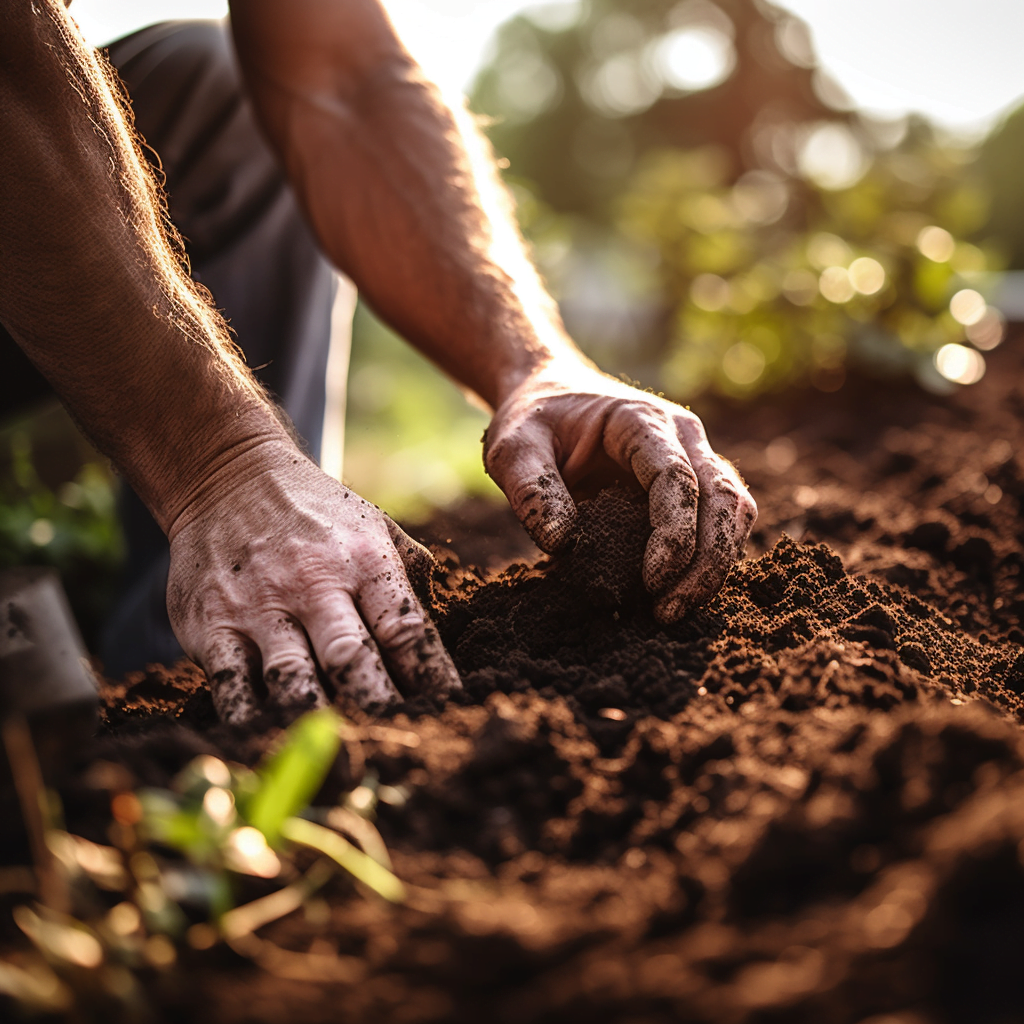
Recycling and reusing soil in medical cannabis cultivation is not a simple process of planting new crops in old soil. It takes a number of actions to keep the soil productive and free of toxins. The following are the key steps involved in recycling soil:
- Soil Testing: After each cultivation cycle, the soil must be tested for nutrient levels, pH balance, and the presence of contaminants such as heavy metals or pathogens. This is especially crucial in medicinal cannabis production, since the end product must meet stringent safety requirements. Testing can reveal whether the soil needs to be amended or sterilized before it can be reused.
- Sterilization: If the soil contains harmful pathogens, pests, or fungi, it must be sterilized before it can be reused. Sterilization can be achieved through various methods, including solarization (using sunlight to heat the soil), steam sterilization, or chemical treatments. However, chemical sterilization must be used cautiously in medical cannabis cultivation, as residual chemicals could affect the quality of the final product.
- Soil Amendment: After testing and sterilization, the soil may need to be amended to replenish lost nutrients. Common amendments include organic matter (such as compost or worm castings), mineral supplements (such as rock dust or gypsum), and pH adjusters (such as lime or sulfur). These amendments help to restore the soil’s fertility and create a balanced environment for cannabis plants to thrive.
- Resting the Soil: In some cases, it may be beneficial to let the soil rest for a period between cultivation cycles. This allows the microbial community to regenerate and organic matter to decompose fully. Resting periods can also help to prevent the buildup of harmful salts or toxins in the soil.
- Maintaining Microbial Life: The microbiome of the soil is critical for healthy plant growth, especially in organic or sustainable cultivation systems. Beneficial microorganisms, such as bacteria and fungi, aid in the breakdown of organic debris, releasing nutrients to plants. In medical cannabis cultivation, it is important to maintain a healthy microbial balance to ensure that plants receive the necessary nutrients without the need for synthetic fertilizers. In some cases, growers may introduce microbial inoculants to boost the population of beneficial organisms in the soil.
- Continuous Monitoring: Throughout the cultivation cycle, the soil should be regularly monitored to ensure that nutrient levels, pH, and microbial activity remain within optimal ranges. This is particularly important in medical cannabis cultivation, where any deviation from the ideal growing conditions could affect the therapeutic properties of the plants.
Considerations for Medical-Grade Soil Recycling
While recycling soil offers many benefits, it is important to note that medical cannabis cultivation requires strict adherence to regulatory standards to ensure patient safety. When recycling soil in a medicinal cannabis business, the following factors must be considered:
- Compliance with Regulations: Medical cannabis is rigorously tested for pollutants such heavy metals, pesticides, and microbiological infections. When recycling soil, it is essential to ensure that the soil meets all regulatory standards for contaminants. This may require more frequent testing and stricter quality control measures than in recreational cannabis cultivation.
- Avoiding Cross-Contamination: In a medical cannabis facility, there is no room for cross-contamination between different cultivation batches or strains. Recycled soil must be carefully managed to avoid introducing contaminants from one batch of plants to another. This may involve using separate soil for different strains or batches and ensuring that all equipment is thoroughly sanitized between uses.
- Organic vs. Conventional Cultivation: Many medical cannabis farmers prefer organic production methods to avoid using synthetic pesticides and fertilizers. Recycled soil is particularly well-suited to organic cultivation, as it encourages the growth of beneficial microbes and reduces the need for synthetic inputs. However, even in organic systems, it is essential to ensure that the soil is free of harmful pathogens and contaminants.
- Tracking Soil Inputs: To maintain consistency in the quality of medical cannabis, growers must carefully track all inputs into the soil, including amendments, microbial inoculants, and any treatments used during the sterilization process. This tracking helps to ensure that each batch of soil produces consistent results and allows for traceability in the event of any issues with the final product.
- Cannabinoid and Terpene Consistency: Medical cannabis must meet specific standards for cannabinoid and terpene content to ensure its therapeutic effectiveness. Soil quality plays a role in the production of these compounds, so it is important to monitor the chemical composition of plants grown in recycled soil to ensure that they meet the required standards.
Advanced Techniques in Soil Recycling for Medical Cannabis
As the medical cannabis industry grows, cultivators are increasingly turning to advanced techniques to optimize soil recycling and ensure the highest possible quality of their products. Some of these techniques include:
- Composting and Vermicomposting: Composting is a natural way to recycle organic matter into nutrient-rich soil amendments. Vermicomposting, which involves using worms to break down organic matter, is particularly effective for creating high-quality compost that is rich in beneficial microbes. Many medical cannabis cultivators use composting and vermicomposting to recycle plant waste and improve the quality of their soil.
- Biochar: A type of charcoal called biochar is created by heating organic materials without oxygen. It is highly porous and can improve soil structure, water retention, and microbial activity. Some medical cannabis cultivators incorporate biochar into their recycled soil to enhance its fertility and create a more stable growing environment.
- Cover Cropping: Cover crops, such as clover or alfalfa, can be planted between cannabis cultivation cycles to help improve soil health. These crops fix nitrogen, encourage microbial activity, and enrich the soil with organic matter. Furthermore, cover crops can lessen the demand for synthetic fertilizers and stop soil erosion.
- Mycorrhizal Fungi: In order to promote nutrient uptake and boost plant growth, mycorrhizal fungi develop symbiotic associations with plant roots. Some medical cannabis cultivators inoculate their recycled soil with mycorrhizal fungi to promote healthy root development and increase the availability of nutrients in the soil.
- No-Till Farming: No-till farming is a method of cultivation that avoids disturbing the soil between planting cycles. This technique helps to preserve soil structure, reduce erosion, and maintain a healthy microbial community. In medical cannabis cultivation, no-till farming can be combined with soil recycling to create a more sustainable and productive growing system.
Restrictions on Growing and Using Cannabis in the Medical Field: A Last Resort Approach
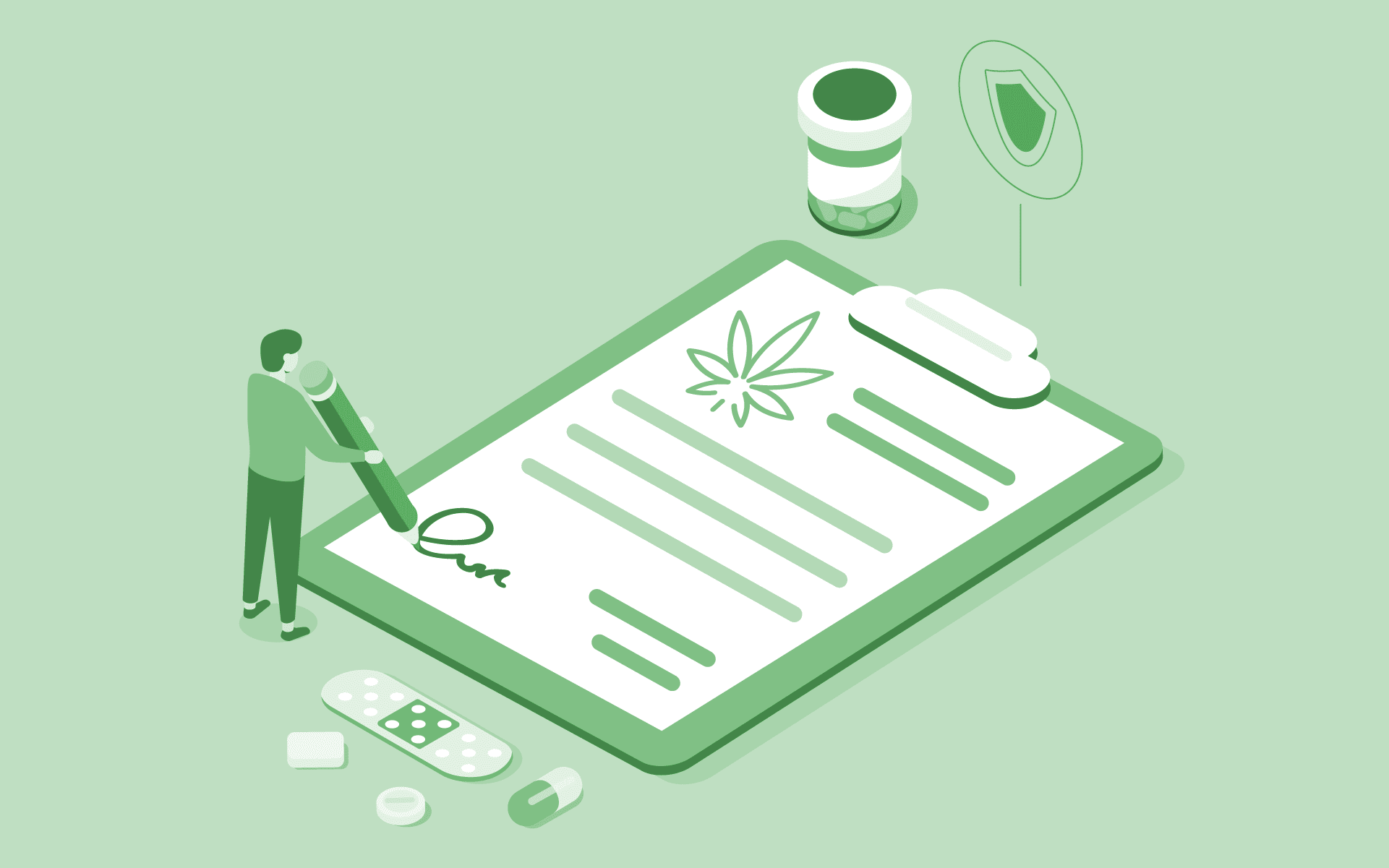
Cannabis use and cultivation in the medical industry are governed by strict laws designed to protect patients, maintain product quality, and stop abuse. Cannabis is increasingly recognized for its therapeutic potential in treating a variety of medical conditions, but its use is often restricted to situations where traditional treatments have failed, positioning it as a “last resort” option. Furthermore, medical cannabis, particularly its psychoactive component, tetrahydrocannabinol (THC), is closely monitored to prevent adverse psychoactive effects on patients.
Growing Restrictions: Cultivation Standards for Medical Cannabis
Cannabis growing for medical use is strictly regulated, with an emphasis on upholding high standards of quality control. These restrictions ensure that the plants are grown in conditions that prevent contamination and yield consistent levels of active compounds, particularly cannabinoids like THC and cannabidiol (CBD). In many countries, medical cannabis cultivation is limited to licensed producers who must comply with the following regulations:
- Licensing and Compliance: Only approved facilities can grow medical cannabis. Cultivators must adhere to stringent guidelines regarding security, quality control, and environmental practices. They must track every stage of production, from seed to sale, to ensure that the plants meet the required medical standards.
- Organic and Pesticide-Free Practices: Medical cannabis must be free from harmful chemicals, including pesticides and heavy metals. This requires the use of organic or carefully regulated growing practices to prevent any contaminants that could compromise the safety of the cannabis for medicinal use.
- Testing for Purity and Potency: To make sure it satisfies safety regulations, medical cannabis is put through a rigorous testing process. Laboratories test for cannabinoid content, particularly THC and CBD levels, as well as contaminants such as mold, bacteria, and residual solvents. This ensures that the final product is safe for medical use and contains predictable, consistent cannabinoid concentrations.
- Batch Tracking and Record-Keeping: All plants must be tracked through meticulous record-keeping to ensure that any issues related to contamination or potency can be traced back to a specific batch. This helps in maintaining product consistency and enables recalls if necessary.
Medical Cannabis as a Last Resort: Restricting Use to Critical Cases
In many jurisdictions, cannabis is reserved for medical cases where traditional treatments have failed or are insufficient. This “last resort” approach ensures that cannabis is used only when absolutely necessary, helping to prevent its overuse or misuse.
- Prior Treatment Failure: Medical cannabis is often prescribed only when patients have exhausted conventional treatment options. For instance, patients with chronic pain, epilepsy, multiple sclerosis, or chemotherapy-induced nausea may be eligible for medical cannabis only after trying other approved medications or therapies.
- Strict Criteria for Prescriptions: Physicians are typically required to follow strict criteria before prescribing cannabis. This entails assessing the patient’s past medical records, the severity of their ailment, and the efficacy of previous treatments. The goal is to ensure that cannabis is prescribed only when it is likely to offer significant medical benefits that outweigh the risks.
- Supervised Administration: In some cases, medical cannabis use must be supervised by a healthcare professional, particularly in hospitals or long-term care settings. This ensures that the dosage and method of administration are appropriate and that any potential side effects can be managed.
Monitoring THC Levels: Minimizing Psychoactive Effects
One of the primary concerns in the medical use of cannabis is the psychoactive effect of THC, the compound responsible for the “high” associated with cannabis use. Medical cannabis typically contains controlled amounts of THC, and in many cases, high-CBD, low-THC strains are preferred for their therapeutic benefits without the psychoactive effects.
- THC Limits: Regulations often place strict limits on the amount of THC allowed in medical cannabis products. By keeping THC levels low, the risk of psychoactive effects, such as euphoria, anxiety, or impaired cognition, is minimized. For instance, in some countries, medical cannabis must contain less than 0.2% or 0.3% THC to be legally classified as a medicinal product.
- CBD-Dominant Products: Many medical cannabis formulations focus on cannabidiol (CBD), which does not have psychoactive effects. CBD is effective in treating conditions such as epilepsy, anxiety, and inflammation without the risk of impairing a patient’s mental state. Products with a high CBD-to-THC ratio are particularly favored in medical settings to ensure patients can benefit from cannabis without experiencing a high.
- Patient Monitoring: Healthcare providers closely monitor patients using medical cannabis, particularly when THC is present, to ensure they do not experience unwanted psychoactive effects. This involves adjusting dosages, selecting appropriate delivery methods (such as oils, capsules, or patches), and regularly evaluating the patient’s response to treatment.
- Formulation Control: Medical cannabis products, such as oils, capsules, or tinctures, are typically formulated to deliver precise doses of THC and CBD. This allows for controlled administration, reducing the likelihood of accidental overconsumption or excessive THC exposure, which can lead to psychoactive side effects.
Conclusion
Recycling and reusing soil in medical cannabis cultivation is a sustainable and cost-effective practice that aligns with the industry’s growing emphasis on environmental responsibility. By carefully managing soil health through practices such as testing, sterilization, and amendment, growers can reduce the need for fresh soil while maintaining the quality and consistency of their crops. This is particularly important in the medical cannabis field, where the safety and efficacy of the product are paramount. Properly recycled soil can enhance microbial life and nutrient availability, leading to healthier plants and more consistent therapeutic results.
However, the process of recycling and reusing soil must comply with strict regulatory requirements to ensure that medical cannabis products remain free of contaminants and meet high-quality standards. Restrictions on cultivation, including licensing, organic practices, and mandatory testing, ensure that only safe and consistent products reach patients. These measures are vital in protecting patient safety, particularly when cannabis is used as a last resort treatment for serious medical conditions.
Moreover, the monitoring and control of THC levels in medical cannabis are crucial to preventing psychoactive effects in patients. By maintaining low THC concentrations and focusing on CBD-dominant strains, the industry can offer therapeutic benefits without impairing patients’ cognitive function.
In conclusion, recycling and reusing soil in medical cannabis cultivation, when done responsibly and in accordance with regulatory restrictions, can lead to both environmental and economic benefits, while ensuring that the therapeutic quality of medical cannabis remains consistent and safe for patient use.
