Table of Contents
Reclining Buddha is a well-balanced hybrid cannabis strain known for its potent effects, exceptional medicinal benefits, and unique terpene profile. Originally bred by Soma Seeds, this strain is a cross between Super Skunk, Big Skunk Korean, and a mysterious Afghani strain. Reclining Buddha is favored for its deeply relaxing properties, making it an excellent choice for both recreational users seeking tranquility and medical patients looking for relief from various ailments.
This document provides a detailed scientific breakdown of the strain, including its genetics, chemical composition, medical applications, recreational benefits, potential side effects, and cultivation information.
Genetics and Lineage
Reclining Buddha’s genetic lineage is a combination of three highly regarded strains:
- Super Skunk: A cross between Skunk #1 and an Afghani landrace strain, Super Skunk is known for its pungent aroma and deeply relaxing effects.
- Big Skunk Korean: A rare and powerful Skunk phenotype with an exotic terpene profile.
- Afghani (Unknown Variant): Brings heavy indica effects and a rich resinous quality.
These parent strains contribute to Reclining Buddha’s balanced hybrid nature, with a slight indica dominance (typically 60% indica / 40% sativa).
Appearance, Aroma, and Flavor Profile
Appearance:
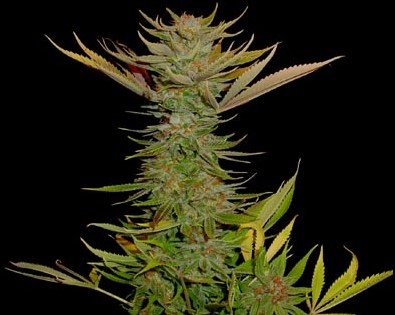
Reclining Buddha is visually striking, with large, dense buds covered in a thick layer of trichomes. The buds are deep green with hints of purple and orange pistils weaving throughout. The high resin content makes it an ideal strain for concentrates and extracts.
Aroma:
Reclining Buddha has a complex and potent aroma profile, blending:
- Earthy musk
- Spicy herbal undertones
- Sweet, citrus notes
- Hints of skunk and pine
Flavor Profile:
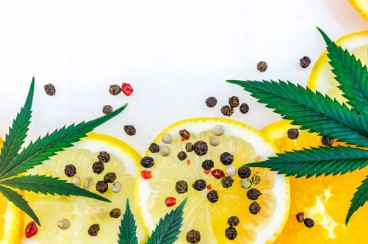
The taste of Reclining Buddha is equally distinctive, offering a rich combination of spicy, skunky, and citrusy notes on the inhale, followed by an earthy and woody aftertaste. Some users report subtle berry and floral undertones.
Chemical Composition
Cannabinoid Profile:
The chemical composition of Reclining Buddha varies slightly by phenotype and cultivation methods, but the general range is as follows:
- THC Content: 18–24%
- CBD Content: 0.5–1.2%
- CBG Content: 0.5–1%
- THCV: Trace amounts
Terpene Profile:
The dominant terpenes in Reclining Buddha include:
- Myrcene (Herbal, Sedative) – Helps with relaxation and pain relief
- Caryophyllene (Spicy, Anti-inflammatory) – Provides anti-inflammatory and anti-anxiety properties
- Limonene (Citrusy, Uplifting) – Enhances mood and relieves stress
- Pinene (Pine, Bronchodilator) – Aids in focus and acts as a bronchodilator
Medical Uses
Reclining Buddha is highly valued in the medical cannabis community due to its therapeutic effects. Its combination of cannabinoids and terpenes makes it effective for various conditions.
Primary Medical Benefits:
- Pain Management:
- Effective for chronic pain, migraines, and muscle spasms.
- Works well for arthritis, fibromyalgia, and multiple sclerosis.
- Anxiety and Stress Relief:
- The presence of limonene and myrcene promotes relaxation and reduces stress.
- Low doses can help with social anxiety and PTSD.
- Sleep Aid (Insomnia):
- Due to its indica-leaning properties, it is highly effective as a sleep aid.
- Works best when consumed in the evening.
- Depression:
- The uplifting effects of limonene and pinene help improve mood.
- Often recommended for mild to moderate depression.
- Appetite Stimulation:
- Ideal for patients undergoing chemotherapy or dealing with eating disorders.
- Gastrointestinal Disorders:
- Helpful for IBS, Crohn’s disease, and nausea.
Recreational Effects
Onset and Duration:
- Onset: 10–20 minutes after inhalation
- Peak Effects: 30–60 minutes
- Duration: 2–4 hours
Common Effects:
- Euphoria: Users report an initial wave of uplifting euphoria.
- Relaxation: Deep body relaxation without heavy sedation.
- Creativity: Some experience mild cerebral stimulation, making it suitable for creative activities.
- Couch-Lock: Higher doses can lead to deep relaxation and possible couch-lock.
Best Time to Use:
- Evening/Nighttime use is recommended due to its relaxing effects.
Ingestion Methods, Onset, and Duration
The method of cannabis ingestion significantly influences its onset time, duration of effects, bioavailability, and overall impact on the body. Reclining Buddha, a potent hybrid strain, can be consumed in multiple ways depending on user preference, therapeutic goals, and pharmacokinetic properties. Below is a comprehensive breakdown of various ingestion methods, their scientific basis, onset, and duration.
1. Inhalation Methods (Smoking & Vaping)
Mechanism of Absorption
- THC, CBD, and terpenes are absorbed through the alveoli in the lungs, reaching the bloodstream rapidly.
- Bioavailability: 30–50% (varies by technique and device efficiency).
- Peak THC plasma levels: Within minutes of inhalation.
Onset & Duration
| Method | Onset | Peak Effects | Duration |
|---|---|---|---|
| Smoking (Joints, Pipes, Bongs) | 1–5 minutes | 30–60 minutes | 2–4 hours |
| Vaporization (Dry Herb Vaporizers, Concentrates) | 1–3 minutes | 30–60 minutes | 2–4 hours |
Comparing Smoking vs. Vaping
- Smoking (Combustion):
- High temperatures (600–900°F) destroy up to 50% of cannabinoids.
- Produces harmful carcinogens and tar.
- Vaping:
- Uses lower temperatures (315–450°F), preserving terpenes and cannabinoids.
- Delivers more efficient and cleaner effects.
- Less lung irritation compared to smoking.
Best for:
- Rapid symptom relief (pain, nausea, anxiety).
- Short-lasting effects, ideal for those needing controlled dosage.
2. Oral Consumption (Edibles, Capsules, Sublingual)
Mechanism of Absorption
- THC is metabolized in the liver via first-pass metabolism.
- Converts Δ9-THC into 11-hydroxy-THC, a more potent and longer-lasting metabolite.
- Bioavailability: 4–20% (varies based on stomach content and metabolism).
Onset & Duration
| Method | Onset | Peak Effects | Duration |
|---|---|---|---|
| Edibles (Gummies, Baked Goods, Chocolates) | 30–90 minutes | 2–3 hours | 6–12 hours |
| Capsules/Pills | 45–120 minutes | 2–3 hours | 6–12 hours |
| Sublingual (Tinctures, Sprays, Lozenges) | 15–45 minutes | 1–2 hours | 4–8 hours |
Comparing Edibles vs. Sublingual
- Edibles:
- Slower onset but stronger effects due to 11-hydroxy-THC formation.
- Effects last longest compared to other methods.
- Sublingual:
- Bypasses first-pass metabolism, leading to faster absorption.
- More predictable than edibles.
Best for:
- Long-lasting relief (chronic pain, insomnia, appetite stimulation).
- Patients who would like not to breathe in cannabis.
3. Topical & Transdermal Applications
Mechanism of Absorption
- Topical:
- Localized absorption through skin, does not enter the bloodstream.
- No psychoactive effects unless in high doses.
- Transdermal Patches:
- Penetrates deeper layers of skin, enters the bloodstream for systemic effects.
- Bypasses first-pass metabolism.
Onset & Duration
| Method | Onset | Peak Effects | Duration |
|---|---|---|---|
| Topical Creams, Lotions, Balms | 15–30 minutes | 1–2 hours | 4–6 hours |
| Transdermal Patches | 30–60 minutes | 1–2 hours | 6–12 hours |
Best for:
- Localized pain relief (arthritis, muscle soreness).
- Discreet, non-intoxicating medical use.
4. Dabbing (Concentrates, Extracts)
Mechanism of Absorption
- Inhalation of highly concentrated THC extracts (70–90% THC).
- Absorbed immediately via the alveoli.
Onset & Duration
| Method | Onset | Peak Effects | Duration |
|---|---|---|---|
| Dabbing (Wax, Shatter, Live Resin, Rosin) | 1–3 minutes | 20–40 minutes | 2–4 hours |
Pros & Cons
- Pros:
- Fastest onset with intense effects.
- Higher bioavailability than smoking.
- Cons:
- High THC concentration increases the risk of tolerance buildup.
- Not ideal for beginners due to potency.
Best for:
- Users with high THC tolerance.
- Rapid relief for severe pain or PTSD episodes.
5. Suppositories (Rectal & Vaginal)
Mechanism of Absorption
- Direct absorption bypassing first-pass metabolism.
- Provides systemic effects with higher bioavailability.
Onset & Duration
| Method | Onset | Peak Effects | Duration |
|---|---|---|---|
| Rectal Suppositories | 15–30 minutes | 1–2 hours | 4–8 hours |
| Vaginal Suppositories | 15–45 minutes | 1–2 hours | 4–8 hours |
Pros & Cons
- Pros:
- Higher absorption efficiency than edibles.
- Less psychoactive effects than oral ingestion.
- Cons:
- Less common method, requiring specialized products.
Best for:
- Patients unable to ingest or inhale cannabis (cancer, chronic illness).
- Menstrual pain and endometriosis relief.
Comparative Overview of Ingestion Methods
| Method | Bioavailability | Onset | Duration | Best For |
|---|---|---|---|---|
| Smoking | 30–50% | 1–5 min | 2–4 hrs | Fast relief, recreational use |
| Vaping | 30–50% | 1–3 min | 2–4 hrs | Cleaner inhalation, terpene preservation |
| Edibles | 4–20% | 30–90 min | 6–12 hrs | Long-lasting pain relief |
| Sublingual | 20–35% | 15–45 min | 4–8 hrs | Faster than edibles, precise dosing |
| Topical | Local only | 15–30 min | 4–6 hrs | Skin conditions, joint pain |
| Transdermal | 30–50% | 30–60 min | 6–12 hrs | Systemic, controlled dosing |
| Dabbing | 50–80% | 1–3 min | 2–4 hrs | High tolerance users |
| Suppositories | 50–70% | 15–30 min | 4–8 hrs | Medical applications |
Final Thoughts
- Best for fast relief: Smoking, Vaping, Dabbing.
- Best for long-lasting effects: Edibles, Suppositories, Transdermal Patches.
- Best for localized pain: Topicals, Suppositories.
- Best for medical patients: Sublingual, Suppositories, Transdermal.
Potential Side Effects
While Reclining Buddha is well-tolerated by most users, it can cause some side effects, especially in high doses:
- Dry eyes and mouth are common side effects of THC-rich strains.
- Dizziness or lightheadedness (especially in new users)
- Mild paranoia or anxiety (rare, but possible in sensitive users)
- Sedation (best avoided during daytime if productivity is required)
Cultivation Information
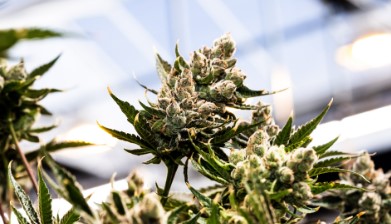
Reclining Buddha is a moderately easy strain to grow, making it a great choice for both novice and experienced growers.
Genetic Stability and Seed Selection
- Stable Genetics: Ensure the strain is sourced from a reputable breeder (e.g., Soma Seeds) to maintain its hybrid vigor.
- Feminized vs. Regular Seeds:
- Feminized: Ensures all plants will produce flowers, reducing wasted resources.
- Regular: Allows for phenotypic variation, which can be useful for selecting optimal traits.
2. Optimal Growth Conditions
Environmental Factors
- Temperature:
- Seedling Stage: 70–78°F (21–25°C)
- Vegetative Stage: 72–80°F (22–27°C)
- Flowering Stage: 65–75°F (18–24°C)
- Humidity:
- Seedling: 65–70% RH (Relative Humidity)
- Vegetative: 55–65% RH
- Flowering: 40–50% RH (lowering humidity prevents mold)
Light Requirements
- Vegetative: 18–24 hours of light (LED, HPS, or CMH lights with 4000K–6500K spectrum)
- Flowering: 12 hours light / 12 hours dark to induce bloom (2700K–3000K spectrum for optimal bud production)
- PPFD (Photosynthetic Photon Flux Density): Ideal range: 600–1000 µmol/m²/s for maximum photosynthesis efficiency.
CO₂ Supplementation
- For indoor setups, adding CO₂ (1000–1500 ppm) during the flowering stage increases yield by up to 30%, as CO₂ enhances photosynthesis and biomass production.
3. Soil vs. Hydroponics Cultivation
Soil-Based Cultivation
- Best for organic growers and terpene-rich profiles.
- Requires well-aerated soil with a pH of 6.0–6.8.
- Optimal Soil Mix:
- 40% Coco Coir or Peat Moss (improves water retention)
- 30% Perlite (enhances aeration)
- 20% Organic Compost (rich in beneficial microbes)
- 10% Vermiculite (for mineral retention)
Hydroponic Cultivation
- Offers faster growth and higher yields due to direct nutrient absorption.
- Best suited for Deep Water Culture (DWC), Ebb & Flow, or Nutrient Film Technique (NFT).
- Nutrient Solution pH: 5.5–6.2
- EC (Electrical Conductivity) Levels:
- Vegetative: 1.0–1.6 mS/cm
- Flowering: 1.6–2.2 mS/cm
4. Nutrient Requirements
Reclining Buddha responds well to a customized nutrient schedule based on growth phase.
Macronutrients
- Nitrogen (N) – High in the vegetative stage (promotes leafy growth).
- Phosphorus (P) – Increased during flowering (enhances bud development).
- Potassium (K) – Necessary for overall plant strength and terpene synthesis.
Micronutrients
- Calcium (Ca) – Prevents nutrient deficiencies like “calcium lockout” (common in hydroponics).
- Magnesium (Mg) – Essential for chlorophyll production.
- Silicon (Si) – Strengthens cell walls, making the plant more resistant to pests and environmental stress.
Organic Nutrient Amendments
For organic soil growers, adding these nutrients slowly releases essential minerals:
- Bone meal (P)
- Bat guano (N, P)
- Kelp meal (K)
- Humic and Fulvic Acids (improves nutrient uptake)
5. Advanced Training Techniques for Yield Optimization
To maximize yield and improve cannabinoid and terpene production, growers can use the following techniques:
Low-Stress Training (LST)
- Bending and tying stems without breaking to expose more bud sites to light.
- Encourages even canopy development.
Screen of Green (SCROG)
- Uses a trellis net to promote horizontal growth.
- Ensures even light distribution for higher THC and terpene production.
Defoliation
- Removing extra fan leaves to increase light penetration and airflow.
- Reduces risk of powdery mildew in humid environments.
6. Pest and Disease Prevention
Common Pests
- Spider Mites: Thrive in hot, dry environments. Use neem oil and predatory mites for control.
- Fungus Gnats: Control with yellow sticky traps and diatomaceous earth.
- Aphids: Introduce ladybugs or insecticidal soap.
Common Diseases
- Powdery Mildew: Reduce humidity, increase airflow, and apply sulfur-based sprays.
- Root Rot: Common in hydroponics; prevent with beneficial microbes (Trichoderma, Bacillus subtilis).
7. Flowering and Harvest Optimization
Flowering Duration:
- Indoors: 9–10 weeks
- Outdoors: Mid-to-late October (Northern Hemisphere)
Trichome Maturity for Harvest
To ensure peak potency:
- Milky trichomes: Best for a balanced head and body high.
- Amber trichomes: More sedative, good for pain relief and sleep.
- Clear trichomes: Not ready for harvest yet.
Flushing Process (Final 2 Weeks)
- Flush with pure water or a mild organic flushing agent to remove excess nutrients.
- Enhances smoothness and flavor in cured buds.
8. Post-Harvest: Drying, Curing, and Storage
Drying Process
- Hang buds upside-down in a dark, well-ventilated room.
- Temperature: 60–70°F (15–21°C)
- Humidity: 50–60%
- Duration: 7–10 days
Curing Process
- Place dried buds in glass jars, burping them daily for 2 weeks.
- Maintain humidity 55–62% with Boveda humidity packs.
- Full curing can last 4–8 weeks, enhancing terpene preservation.
Storage for Long-Term Freshness
- Store in airtight glass jars in cool, dark places.
- Avoid plastic bags, which degrade terpenes.
- No refrigeration/freezing, as it can damage trichomes.
Scientific Studies and Research
There is growing research supporting the medicinal benefits of Reclining Buddha’s key cannabinoids and terpenes. Some relevant studies include:
- Myrcene’s sedative effects: Studies indicate that myrcene contributes to the “couch-lock” effect and enhances THC’s potency.
- Caryophyllene’s anti-inflammatory benefits: Research supports its use in treating arthritis and chronic pain.
- Limonene’s antidepressant properties: Evidence suggests limonene may reduce stress and elevate mood.
Further research is needed to confirm Reclining Buddha’s full medical potential, but anecdotal and preliminary studies suggest it is a highly effective therapeutic strain.
Conclusion
Reclining Buddha is a versatile hybrid strain with a wide range of medical and recreational applications. Its pain-relieving, anti-anxiety, and sleep-inducing properties make it a favorite among medical users, while its euphoric and relaxing effects provide an enjoyable experience for recreational consumers.
Key Takeaways:
- 60% Indica / 40% Sativa hybrid with deeply relaxing effects.
- THC content: 18–24%, with CBD levels up to 1.2%.
- Ideal for pain, stress, insomnia, and depression.
- Ideal for usage at night or in the evening.
- Relatively easy to cultivate with high resin production.
Whether used medicinally or recreationally, Reclining Buddha lives up to its name, offering a tranquil and immersive cannabis experience.
For a complete directory of cultivars, visit our Cannabis Strain Reviews.
