
Recent Developments in Medical Cannabis Research and Therapies
Medical cannabis has gained increasing recognition for its potential to treat a variety of conditions, with a focus on scientific research and clinical applications. Cannabis research has advanced significantly in the twenty-first century due to widespread interest in its medicinal properties. In this page, we explore recent developments in medical cannabis research and therapies, focusing on the science behind its use, the latest findings, and how these advancements are influencing treatment protocols for various medical conditions.
1. The Cannabinoid System and Its Medical Potential
Medical cannabis works through the interaction of cannabinoids—most notably, tetrahydrocannabinol (THC) and cannabidiol (CBD)—with the endocannabinoid system (ECS), a complex cell-signaling network found throughout the body. The ECS regulates many physiological processes, including mood, appetite, pain, inflammation, and immune response.
The ECS consists of two major receptors, CB1 and CB2. While CB2 receptors are primarily present in immune cells and peripheral organs, CB1 receptors are primarily found in the brain and central nervous system. THC binds to CB1 receptors, producing psychoactive effects, whereas CBD has a more complex interaction with both CB1 and CB2, exerting therapeutic effects without the psychoactivity associated with THC. These interactions have made cannabis and its derivatives the subject of extensive medical research.
2. Cannabis in Pain Management: A New Approach
One of the most popular justifications for cannabis use for medical purposes is chronic pain. Cannabinoids may provide an alternative to conventional painkillers, such as opioids, which have a significant risk of addiction and overdose, according to recent studies. The opioid crisis has driven many patients and healthcare providers to seek safer alternatives, and cannabis has emerged as a potential solution.
A landmark 2023 study published in The Journal of Pain demonstrated that patients using medical cannabis experienced significant pain reduction, with fewer side effects compared to opioid-based therapies. The study also showed that patients were able to reduce their opioid use by up to 50% when cannabis was included in their pain management regimen.
A specific area of interest in recent research is the potential of cannabis to manage neuropathic pain, a type of pain that is notoriously difficult to treat with conventional medications. A 2022 study in Neurology explored the use of a cannabis-based medication, Sativex, in patients with multiple sclerosis-related neuropathic pain. The quality of life had improved and pain severity had significantly decreased, according to the findings.
3. Cannabis and Neurological Disorders: Promising Research
One of the most promising areas of medical cannabis research is its application in the treatment of neurological disorders. Recent research has focused on a number of illnesses, including multiple sclerosis, epilepsy, Parkinson’s disease, and Alzheimer’s disease.
Epilepsy Treatment CBD has become a key therapeutic agent for epilepsy, particularly for treatment-resistant forms such as Dravet syndrome and Lennox-Gastaut syndrome. Epidiolex, a CBD-based drug, was the first cannabis-derived medication approved by the U.S. Food and Drug Administration (FDA) in 2018. Since then, ongoing research has continued to explore its efficacy and safety in broader applications.
In 2023, a clinical trial published in The Lancet Neurology evaluated the long-term effects of CBD on patients with refractory epilepsy. The results showed sustained seizure reduction in 70% of patients after 12 months of treatment, with minimal side effects. This study highlighted the potential for CBD to offer long-term relief in patients who have not responded to other treatments.
Multiple Sclerosis (MS) For patients with MS, cannabis has shown potential in alleviating symptoms such as muscle spasms, pain, and sleep disturbances. Several nations have approved the use of Sativex, an oromucosal spray with THC and CBD, to treat MS-related spasticity. Recent research published in Mult Scler J Exp Transl Clin in 2022 demonstrated that Sativex significantly reduced spasticity in MS patients and improved overall quality of life without causing major psychoactive effects.
Parkinson’s Disease The potential neuroprotective effects of CBD have generated interest in its application for Parkinson’s disease. Research in 2023 published in Parkinson’s Disease journal indicated that CBD could help reduce anxiety and improve the quality of life for patients suffering from this degenerative disorder. While more research is needed to fully understand its effects on motor symptoms, CBD’s ability to modulate non-motor symptoms such as sleep disturbances and pain is well-supported.
Alzheimer’s Disease Although Alzheimer’s disease remains a challenging condition to treat, preliminary research has investigated the role of cannabis in reducing neuroinflammation and slowing the progression of cognitive decline. A 2022 study in Frontiers in Aging Neuroscience highlighted the potential for cannabinoids to modulate brain inflammation, a key contributor to Alzheimer’s pathology. Early-stage clinical trials are ongoing, and researchers are hopeful that cannabis may offer a novel approach to managing Alzheimer’s disease.
4. Cannabis in Oncology: Cancer Symptom Management and Emerging Therapies
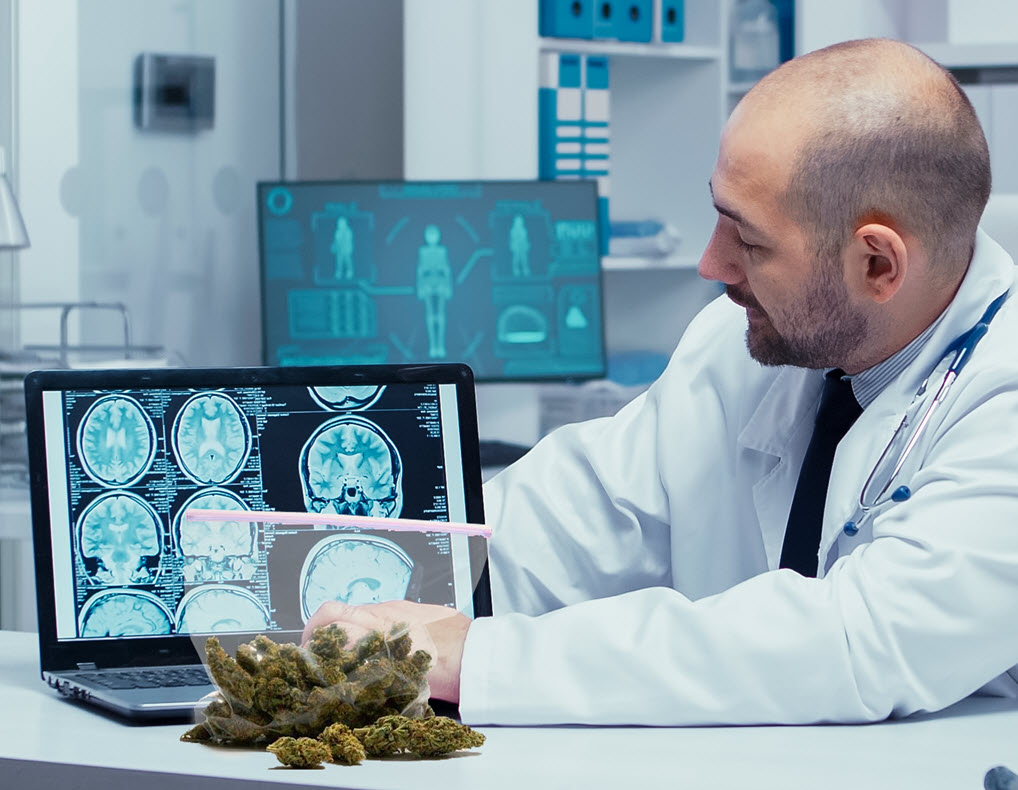
Cannabis has been widely used to manage symptoms related to cancer and its treatments, including chemotherapy-induced nausea, vomiting, pain, and appetite loss. Beyond symptom management, recent studies have also explored the potential anti-cancer properties of cannabinoids.
Symptom Management Nausea and vomiting are common side effects of chemotherapy, and cannabis has long been used as an antiemetic. A 2023 systematic review in Cancer Medicine concluded that cannabis-based medications like Nabilone and Dronabinol were highly effective in reducing chemotherapy-induced nausea and vomiting, often outperforming conventional antiemetics.
Appetite Stimulation Cancer patients frequently struggle with appetite loss, leading to significant weight loss and malnutrition. THC has been shown to stimulate appetite in these patients. A study published in Appetite in 2023 revealed that cannabis-based treatments were successful in improving caloric intake and quality of life in patients with advanced cancer.
Cannabinoids and Cancer Therapy The possibility that cannabinoids may directly impact cancer cell growth has gained attention. A 2022 study published in Nature investigated the effects of CBD and THC on glioblastoma, a highly aggressive brain cancer. The study found that cannabinoids induced apoptosis (programmed cell death) in cancer cells and inhibited tumor growth in animal models. Although this study is still in its early phases, it provides hope for the development of cannabis-based cancer treatments.
Other studies have explored the use of cannabinoids in combination with conventional cancer treatments like chemotherapy and radiation. Researchers hope that cannabinoids may enhance the efficacy of traditional treatments or reduce their side effects, although clinical trials are needed to confirm these effects in humans.
5. Cannabis and Autoimmune Diseases: A New Frontier in Treatment
Anomalous immune responses leading to tissue damage and inflammation are the hallmark of autoimmune disorders such as lupus, rheumatoid arthritis, and Crohn’s disease. The anti-inflammatory and immunomodulatory properties of cannabis make it a promising treatment option for these conditions.
Rheumatoid Arthritis A 2023 study in Rheumatology Advances in Practice showed that patients with rheumatoid arthritis who used cannabis experienced a reduction in joint pain and stiffness. The study also demonstrated that CBD could reduce markers of inflammation, such as cytokines, without the immune-suppressing effects of conventional treatments like corticosteroids.
Crohn’s Disease Chronic inflammation of the digestive tract is a hallmark of inflammatory bowel illnesses (IBD), such as Crohn’s disease. Cannabis has been researched for its potential to lessen inflammation and ease symptoms such as diarrhea and stomach pain. In a 2022 study published in Gut, cannabis was shown to improve symptom control in patients with moderate to severe Crohn’s disease. While the underlying mechanisms are still being investigated, researchers believe that cannabis may modulate the gut’s immune response.
Lupus Lupus is a complex autoimmune disease with no known cure. Recent research has explored the potential for cannabinoids to reduce inflammation and organ damage in lupus patients. A 2023 study in Lupus Science & Medicine found that patients who used cannabis reported fewer flares and improved symptom control. The anti-inflammatory effects of cannabinoids, particularly CBD, are thought to play a role in these outcomes.
6. Cannabis and Mental Health: Anxiety, PTSD, and Beyond
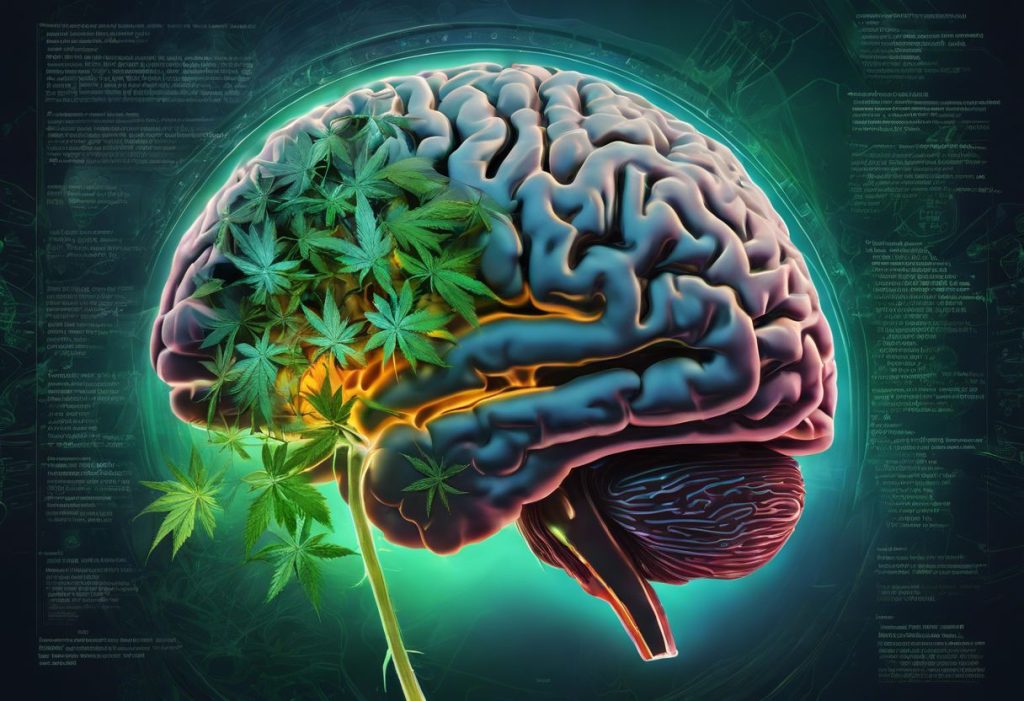
The potential of cannabis to treat mental health conditions, particularly anxiety and post-traumatic stress disorder (PTSD), has been a major focus of recent research. While traditional medications for these conditions, such as antidepressants and benzodiazepines, can cause significant side effects, cannabis offers a natural alternative that is being increasingly explored.
Anxiety CBD has shown promise as an anxiolytic, with multiple studies supporting its ability to reduce anxiety without the psychoactive effects of THC. A 2023 clinical trial published in Translational Psychiatry examined the use of CBD in patients with generalized anxiety disorder (GAD) and found significant reductions in anxiety levels after four weeks of treatment. The study concluded that CBD could serve as a safe and effective alternative to conventional anxiolytics, with fewer side effects.
PTSD For patients with PTSD, cannabis has shown potential in alleviating symptoms like nightmares, hypervigilance, and insomnia. A 2022 study published in The American Journal of Psychiatry investigated the effects of CBD on PTSD symptoms in veterans and found that CBD significantly reduced symptom severity. The study also noted that patients experienced fewer flashbacks and intrusive memories, suggesting that cannabis could play a role in PTSD therapy.
However, research into the use of THC for PTSD remains controversial due to its potential to exacerbate symptoms in some patients. Studies are ongoing to determine the optimal cannabinoid ratios and formulations for PTSD treatment.
7. Cannabis in Pediatric Care: Navigating Ethical and Clinical Challenges
The use of medical cannabis in pediatric care remains a highly debated topic. Conditions like epilepsy, autism spectrum disorder (ASD), and cancer have led researchers to explore cannabis-based therapies in children, but ethical and clinical challenges persist.
Pediatric Epilepsy As mentioned earlier, CBD has been a game-changer in pediatric epilepsy, particularly in treatment-resistant cases. Epidiolex has provided new hope for families whose children suffer from debilitating seizures. Ongoing research is investigating the long-term safety and efficacy of CBD in pediatric populations.
Autism Spectrum Disorder (ASD) There is growing interest in the potential for cannabis, particularly CBD, to alleviate symptoms of ASD. Anxiety, anger, and communication were all improved in a 2022 study on the effects of CBD on children with ASD that was published in the Journal of Autism and Developmental Disorders. The study did, however, also emphasize the necessity of more extensive, controlled trials to prove efficacy and safety.
Pediatric Cancer Children undergoing cancer treatment often experience severe side effects from chemotherapy and radiation. Cannabis has been explored as a means of reducing nausea, vomiting, and pain in pediatric cancer patients. A 2023 study in Pediatric Blood & Cancer found that cannabis-based treatments were well-tolerated in children, with significant reductions in nausea and improved appetite.
However, the use of cannabis in pediatric care raises ethical concerns, particularly regarding long-term effects on brain development. Ongoing research aims to address these concerns by identifying safe and effective formulations for pediatric use.
8. Regulatory Developments and Challenges in Medical Cannabis

As research into medical cannabis expands, regulatory frameworks are evolving to accommodate its use. In many countries, cannabis remains classified as a controlled substance, posing challenges for researchers and healthcare providers. However, recent developments have led to increased access to medical cannabis in several regions.
In the United States, the FDA has approved a limited number of cannabis-based medications, but the federal classification of cannabis as a Schedule I substance continues to create barriers to research. Many states have implemented medical cannabis programs, allowing patients with qualifying conditions to access cannabis under the supervision of a healthcare provider.
In Europe, countries like Germany and the Netherlands have established medical cannabis programs, while others, such as the United Kingdom, have taken a more cautious approach. The European Medicines Agency (EMA) is actively reviewing cannabis-based medications, and recent clinical trials may lead to broader approval in the coming years.
Restrictions on Using Cannabis in the Medical Field as a Last Resort
In many regions, the use of cannabis in the medical field is regulated as a last resort treatment, meaning it is only prescribed when conventional therapies fail. This restriction is in place to ensure that cannabis is not the first-line treatment for medical conditions, given the ongoing concerns about its potential side effects, particularly those related to THC.
- Legal and Regulatory Restrictions: Many countries have strict legal frameworks around medical cannabis use. In the U.S., for example, the FDA has approved limited cannabis-based drugs like Epidiolex (CBD) for specific conditions, but broader use often requires patients to exhaust other treatments. Similar restrictions are in place in Europe and parts of Asia, where cannabis is only prescribed after established treatments prove ineffective.
- Doctor Supervision: Physicians are required to closely monitor patients receiving medical cannabis to ensure its use is appropriate. This includes documenting the failure of previous treatments and ensuring cannabis is used within approved medical guidelines.
Monitoring THC Levels in Medications to Prevent Psychoactive Effects
To prevent the psychoactive effects associated with THC, medical cannabis formulations, particularly those prescribed for vulnerable populations like children or elderly patients, are carefully monitored for THC content. Key measures include:
- CBD-Dominant Formulations: Many medical cannabis products are high in CBD and low in THC. CBD does not cause psychoactive effects and can even mitigate THC’s psychoactivity. Medications such as Epidiolex are CBD-based and contain negligible THC, reducing the risk of intoxication.
- Strict THC Limits: Regulatory bodies often set maximum THC concentrations for medical cannabis products to ensure they provide therapeutic benefits without causing psychoactive side effects. For example, some jurisdictions limit THC to below 0.3% in CBD products used for medical purposes.
- Lab Testing and Labeling: Medical cannabis products undergo rigorous testing to verify THC and CBD levels. Accurate labeling is essential so patients and healthcare providers can select appropriate formulations for medical use, ensuring that THC levels remain below thresholds that could cause unwanted psychoactive effects.
Conclusion
The rapid advancements in medical cannabis research and therapies have unveiled promising potential in treating a range of medical conditions. From chronic pain management to the treatment of neurological disorders like epilepsy, multiple sclerosis, and Alzheimer’s disease, cannabis is showing itself to be a versatile tool in modern medicine. The interaction of cannabinoids with the body’s endocannabinoid system has paved the way for more targeted treatments, reducing reliance on opioids and other pharmaceuticals that may carry significant side effects. Research on cannabinoids’ anti-inflammatory, neuroprotective, and analgesic properties continues to expand, offering hope to patients with previously untreatable conditions.
In oncology, cannabis plays a dual role, both in symptom management for cancer patients and in emerging therapies that investigate its potential anti-cancer properties. Similarly, the benefits of cannabis for autoimmune diseases such as rheumatoid arthritis, Crohn’s disease, and lupus are gaining traction, with recent studies demonstrating reduced inflammation and improved symptom control.
Cannabis is also being explored in mental health, particularly in managing anxiety, PTSD, and even symptoms associated with autism spectrum disorder. Though promising, this area requires cautious application, as THC, one of the main cannabinoids, may have adverse psychoactive effects, particularly in vulnerable populations.
As a result, the medical field has imposed restrictions on the use of cannabis as a last-resort treatment, ensuring it is prescribed only when other therapies have failed. Monitoring THC levels in medications is crucial to preventing psychoactive effects, especially in pediatric and elderly patients. Strict regulatory frameworks, lab testing, and labeling standards ensure that cannabis-based medications can be safely integrated into medical treatments, maintaining a focus on efficacy while minimizing risks.
As the body of evidence grows, cannabis is likely to become an increasingly accepted part of medical care, offering therapeutic options for a wide range of patients.
