Table of Contents
Raspberry Cough Kush is a sativa-dominant hybrid cannabis strain renowned for its uplifting effects, berry-like flavor, and potential medical benefits. It is a cross between Cambodian Landrace, Ice, and Haze genetics, giving it a robust profile of cannabinoids and terpenes. This strain is popular among both recreational and medical users due to its stimulating yet soothing effects.
Genetics and Composition
Lineage
Raspberry Cough Kush is a hybrid strain with predominantly sativa genetics. It is bred from:
- Cambodian Landrace Sativa – Known for its uplifting and energizing effects.
- Ice (Indica Hybrid) – Adds balance by providing mild relaxation and body effects.
- Haze (Sativa Hybrid) – Enhances mental stimulation and creativity.
Cannabinoid Profile
- THC Content: Typically in Raspberry Cough Kush ranges between 16-24%.
- CBD Content: Less than 1%, making it non-ideal for severe CBD-related therapeutic needs.
- CBG, CBN, and Minor Cannabinoids: Often found in trace amounts, contributing to entourage effects.
Terpene Profile
The primary terpenes in Raspberry Cough Kush are:
- Myrcene (earthy, herbal) – Mild sedative and anti-inflammatory.
- Pinene (pine, fresh) – Enhances focus and counteracts some THC-induced cognitive impairment.
- Limonene (citrus) – Mood-enhancing, anti-stress, and anti-anxiety.
- Caryophyllene (spicy, peppery) – Provides pain relief and has anti-inflammatory properties.
- Linalool (floral, lavender) – Supports relaxation and helps with anxiety.
Effects and Recreational Use
Onset and Duration
- Fast Onset: Users typically feel effects within 5-10 minutes of inhalation.
- Peak Effects: 30-60 minutes after consumption.
- Duration: Lasts 2-4 hours depending on dosage and consumption method.
Psychoactive Effects
- Energizing and Uplifting – A head-focused high of Raspberry Cough Kush that improves mood and motivation.
- Creative and Focused – Enhances problem-solving and artistic activities.
- Euphoric – Elevates mood and social confidence.
- Mild Relaxation – While primarily stimulating, it has slight calming effects.
- Cerebral High – Users report increased alertness and mental clarity.
Ideal for Recreational Activities
- Daytime Use: Due to its energizing effects, it’s best suited for daytime activities.
- Social Gatherings: Helps users feel more talkative and engaged.
- Outdoor Adventures: Great for hiking, sports, or nature walks.
- Creative Work: Boosts artistic thinking and productivity.
- Gaming & Entertainment: Enhances enjoyment of music, movies, and video games.
Medical Benefits
Mental Health Applications
Raspberry Cough Kush is particularly beneficial for mental health conditions:
- Depression – Its uplifting effects help counteract feelings of sadness and lethargy.
- Anxiety & Social Anxiety – Users report a reduction in stress without excessive sedation.
- ADHD/ADD – Improves focus and concentration for some individuals.
- PTSD – Helps reduce intrusive thoughts and stress-related symptoms.

Pain and Physical Health Applications
While Raspberry Cough Kush is not the most potent strain for pain relief, Raspberry Cough Kush provides mild relief for:
- Chronic Pain – Particularly headaches and mild muscle soreness.
- Fatigue – Its energizing nature combats tiredness and low energy levels.
- Fibromyalgia – Provides slight relaxation and pain relief without heavy sedation.
Other Therapeutic Benefits
- Appetite Stimulation – For people who have lost their appetite, appetite stimulation can help them feel more hungry.
- Nausea Relief – May help with mild nausea and gastrointestinal discomfort.
- Asthma & Respiratory Conditions – Named “Cough” due to a slight throat irritation, but some users find it beneficial for respiratory issues.
Methods of Ingestion
A. Inhalation (Smoking & Vaping)
Smoking (Joints, Pipes, Bongs)
- Bioavailability: ~30% (depends on temperature and inhalation technique).
- Onset: 1-5 minutes (rapid absorption via alveolar capillaries in the lungs).
- Peak Effects: 10-30 minutes.
- Duration: 2-4 hours.
- Pros: Immediate effects, easy dose control.
- Cons: Combustion of Raspberry Cough Kush creates tar and toxins, irritating the respiratory tract.

Vaporization (Dry Herb Vaporizers, Oil Pens)
- Bioavailability: 50-80% (higher efficiency than smoking).
- Onset: 1-3 minutes.
- Peak Effects: 15-30 minutes.
- Duration: 2-5 hours.
- Pros: Fewer harmful byproducts, better terpene preservation.
- Cons: Requires a vaporizer, temperature control is critical for full spectrum effect.
B. Oral Consumption (Edibles, Capsules, Sublingual)
Edibles (Gummies, Baked Goods, Beverages)
- Bioavailability: 4-20% (due to liver metabolism reducing THC availability).
- Onset: 30-120 minutes (metabolized through the liver, converted into 11-hydroxy-THC, a more potent psychoactive compound).
- Peak Effects: 2-4 hours after ingestion.
- Duration: 6-12 hours (effects linger due to slow digestion and absorption).
- Pros: Long-lasting effects, ideal for medical users needing extended relief.
- Cons: Harder to control Raspberry Cough Kush dosage, risk of overconsumption due to delayed onset.
Capsules & Tinctures
- Capsules: Work similarly to edibles with delayed onset (30-90 minutes) but predictable dosing.
- Tinctures (Sublingual Use): Absorbed directly into the bloodstream via mucous membranes.
- Onset: 15-45 minutes.
- Peak Effects: 1-2 hours.
- Duration: 4-6 hours.
- Pros: More controlled dosing than edibles, sublingual use bypasses first-pass metabolism.
- Cons: Requires precise dosing and consistency.
C. Topical & Transdermal Application
- Topicals (Creams, Balms, Patches)
- Bioavailability: Limited systemic absorption (except transdermal patches).
- Onset: 15-30 minutes.
- Peak Effects: 1-2 hours.
- Duration: 4-6 hours.
- Usage: Localized pain relief, anti-inflammatory effects, non-psychoactive.
- Transdermal Patches: Allow THC to enter bloodstream, offering steady, long-lasting effects (up to 12+ hours).
2. Onset, Peak, and Duration Comparison by Method
| Ingestion Method | Onset Time | Peak Effects | Duration | Bioavailability |
|---|---|---|---|---|
| Smoking (Joints/Pipes) | 1-5 min | 10-30 min | 2-4 hours | ~30% |
| Vaporization (Dry Herb) | 1-3 min | 15-30 min | 2-5 hours | ~50-80% |
| Edibles (Gummies, Baked Goods) | 30-120 min | 2-4 hours | 6-12 hours | ~4-20% |
| Tinctures (Sublingual) | 15-45 min | 1-2 hours | 4-6 hours | ~20-40% |
| Capsules | 30-90 min | 2-4 hours | 6-12 hours | ~10-20% |
| Topicals (Creams/Balms) | 15-30 min | 1-2 hours | 4-6 hours | Limited systemic absorption |
| Transdermal Patches | 30-60 min | 1-3 hours | 12+ hours | Moderate systemic absorption |
3. Factors Affecting Onset and Duration
Several factors influence how long Raspberry Cough Kush takes to kick in and how long the effects last:
- Metabolism – Faster metabolism leads to quicker onset and shorter duration.
- THC Tolerance – Frequent users may experience shorter peak effects and require higher doses.
- Method of Consumption – Inhalation = Fast onset, short duration vs. Oral = Slow onset, long-lasting.
- Food Intake – Consuming edibles on an empty stomach speeds up absorption, while fatty foods enhance THC absorption.
- Strain Potency – Raspberry Cough Kush has THC levels of 16-24%, which influences the intensity and duration of effects.
4. Choosing the Best Ingestion Method
- For Immediate Effects: Vaporization or smoking.
- For Long-Lasting Relief: Edibles or capsules.
- For Precise Dosing & Balanced Effects: Tinctures (sublingual).
- For Non-Psychoactive Relief: Topicals or transdermal patches.
Scientific Insights
Cannabinoid Mechanism of Action
- THC (Δ9-tetrahydrocannabinol) – Binds to CB1 receptors in the brain, stimulating euphoria, mood enhancement, and creativity.
- CBD (Cannabidiol, though minimal in this strain) – Modulates THC effects, reducing anxiety and paranoia.
- CBG (Cannabigerol) – Anti-inflammatory, neuroprotective, and potentially useful for ADHD symptoms.
Terpene and Synergistic Effects
- Myrcene and Caryophyllene enhance anti-inflammatory and analgesic effects.
- Limonene contributes to mood elevation.
- Pinene prevents excessive cognitive fog, allowing clarity.
Potential Side Effects
- Dry Mouth & Dry Eyes – Common in most cannabis strains.
- Mild Paranoia & Anxiety – Can occur in THC-sensitive individuals.
- Coughing & Throat Irritation – Due to its slightly harsh smoke.
- Mild Dizziness – In high doses or for novice users.
Cultivation and Growing Information
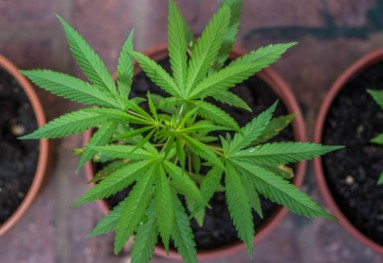
1. Seed Selection and Germination
- Germination Rate: ~85-95% when using high-quality seeds.
- Germination Method:
- Paper Towel Method: Place Raspberry Cough Kush seeds between moist paper towels in a dark, warm place (75-80°F / 24-27°C).
- Direct Soil Germination: Plant seeds ½ inch deep in pre-moistened soil with a pH of 6.2-6.5.
2. Growth Phases and Optimal Conditions
A. Vegetative Stage (4-6 weeks)
- Light Cycle: 18-24 hours of light per day (LED, MH, or CFL).
- Temperature: 70-85°F (21-29°C).
- Humidity: 50-70%.
- Soil/Medium: Well-draining soil for Raspberry Cough Kush with a Coco Coir-Perlite mix or Hydroponic Rockwool cubes for hydro growth.
- Nutrients: High in nitrogen (N) and moderate in phosphorus (P) and potassium (K).
B. Flowering Stage (9-11 weeks)
- Light Cycle: 12 hours of light, 12 hours of darkness.
- Temperature: 65-80°F (18-27°C).
- Humidity: 40-50% (to prevent mold and mildew).
- Nutrients: Shift to higher phosphorus and potassium levels for bud development.
3. Advanced Growing Techniques
- Low-Stress Training (LST): Bending and tying branches to improve light penetration and yield.
- Sea of Green (SOG): Growing many small plants close together to maximize space.
- Screen of Green (ScrOG): Using a net to promote horizontal growth for better light exposure.
- Defoliation & Pruning: Removing excess leaves to improve air circulation and energy focus on buds.
4. Soil and Hydroponic Growing Considerations
- Soil: Best for organic cultivation with natural microbes and improved flavor. Use super soil or nutrient-rich organic blends.
- Hydroponics: Faster growth, controlled nutrient absorption. Common systems include Deep Water Culture (DWC), Drip System, and Aeroponics.

5. Pest and Disease Management
- Common Pests: Spider mites, aphids, whiteflies.
- Solution: Neem oil, insecticidal soap, beneficial insects (ladybugs, predatory mites).
- Diseases: Powdery mildew, root rot.
- Solution: Maintain airflow, use silica supplements, avoid overwatering.
6. Harvesting and Curing Process
- Trichome Check: Harvest when trichomes turn milky white with some amber.
- Drying: Hang branches upside down in a dark, ventilated area (60-70°F, 50-60% humidity) for 7-14 days.
- Curing: Store buds in airtight jars at 60-65% humidity, burping daily for 2-4 weeks for flavor enhancement.
Comparison to Similar Strains
| Strain Name | Dominant Type | THC % | Effects | Best Used For |
|---|---|---|---|---|
| Raspberry Cough Kush | Sativa Hybrid | 16-24% | Uplifting, Focused | Mood, Creativity, Fatigue |
| Strawberry Cough | Sativa | 18-22% | Euphoric, Social | Stress, Anxiety, Energy |
| Blue Dream | Hybrid | 18-24% | Balanced, Relaxing | Depression, Pain, Creativity |
| Sour Diesel | Sativa | 19-25% | Energizing, Focused | Fatigue, Depression, Focus |
| Jack Herer | Sativa | 18-24% | Cerebral, Clear | Productivity, Creativity |
Conclusion
Raspberry Cough Kush is an excellent strain for those seeking a clear-headed, uplifting high with a sweet, berry-like flavor. Its sativa-dominant effects make it ideal for daytime use, promoting energy, focus, and mood enhancement. Medically, it is particularly effective for depression, fatigue, and mild pain relief, though it is not the best choice for severe chronic pain. Its moderate THC levels make it accessible to both beginners and experienced users, provided that THC sensitivity is considered.
Whether you’re seeking creative inspiration, social engagement, or mild therapeutic relief, Raspberry Cough Kush is a versatile strain that delivers a stimulating yet soothing cannabis experience.
Final Recommendation
- Best for: Daytime use, creative activities, mild medical relief.
- Not ideal for: Severe pain, insomnia, THC-sensitive individuals.
- Consumption methods: Smoking, vaping, edibles (adjust dosage accordingly).
Raspberry Cough Kush stands out as a well-balanced strain that provides an exceptional mix of flavor, effects, and therapeutic benefits.
For a complete directory of cultivars, visit our Cannabis Strain Reviews.
