Table of Contents
Rare Dankness #1 is a powerful indica-dominant hybrid bred by Rare Dankness Seeds. The strain is the result of crossing Ghost OG—a renowned OG Kush phenotype—with the Rare Dankness #2 male. The Ghost OG parent brings a strong Kush heritage, known for potency and calming effects, while Rare Dankness #2 contributes vigor, resin production, and nuanced cannabinoid and terpene balance.
This strain is part of the broader Rare Dankness line, a collection of cultivars selectively bred for elite potency, terpene richness, and medicinal applications. Rare Dankness #1 carries a heavy indica influence (~75% indica, 25% sativa), though individual phenotypes can vary slightly in structure and effect.
Morphological Characteristics
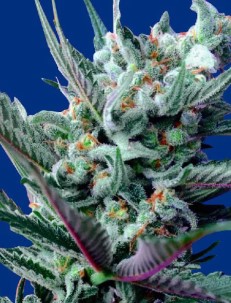
- Structure: Bushy, with broad, dark green fan leaves, and dense internodal spacing.
- Buds: Extremely dense, sticky, and resin-rich, showcasing hues of deep green and hints of purple under cold conditions.
- Trichome coverage: High—ideal for extraction.
- Aroma: Earthy, piney, and citrus-forward with pungent fuel undertones—a clear expression of OG lineage.
- Flavor: Rich and deep—sweet pine, sharp lemon zest, and earthy funk dominate.
Cannabinoid Profile
Rare Dankness #1 is bred for high potency. The typical THC range lies between 22–28%, making it suitable for experienced users and medical patients with a higher tolerance.
Standard Cannabinoid Composition:
- THC: 22–28%
- CBD: 0.1–0.3%
- CBG: 0.5–1.0%
- THCV: 0.2–0.5% (variable, with sativa phenotype expression)
- CBC: Trace
The low CBD levels indicate that the strain’s therapeutic value comes primarily from THC and minor cannabinoids synergizing with terpenes.
Terpene Profile
The terpene content in Rare Dankness #1 contributes significantly to its therapeutic and recreational effects.
Dominant Terpenes:
- Myrcene: Sedative, analgesic, muscle relaxant
- Limonene: Antidepressant, anxiolytic, immune modulator
- Caryophyllene: Anti-inflammatory, pain-relieving, interacts with CB2 receptors
- Linalool: Calming, anti-convulsant, and useful for anxiety
- Humulene: Appetite suppressant and anti-inflammatory
This combination fosters a strong entourage effect, enhancing the overall therapeutic experience.
Medical Applications
Core Cannabinoid and Terpene Synergy

Primary Cannabinoids:
- THC (Δ9-tetrahydrocannabinol): 22–28%
- CBG (Cannabigerol): ~0.5–1.0%
- CBD: ≤0.3%
- THCV: Trace to ~0.5%
- CBC: Minor levels
Terpenes:
- Myrcene (sedative, analgesic)
- Caryophyllene (anti-inflammatory, CB2 agonist)
- Limonene (mood-enhancing, anxiolytic)
- Linalool (calming, anti-convulsant)
- Humulene (anti-inflammatory, anti-bacterial)
Key Concept: These compounds work synergistically via the entourage effect, enhancing Rare Dankness #1 medicinal efficacy beyond isolated THC or CBD use.
Chronic Pain Management
Mechanism:
- THC binds to CB1 receptors in the brain, spinal cord, and peripheral nerves, reducing nociceptive transmission and modulating pain perception.
- Caryophyllene acts on CB2 receptors, offering peripheral anti-inflammatory effects without psychoactivity.
- Myrcene enhances GABAergic activity, adding to pain suppression and sedation.
Clinical Use Cases:
- Neuropathic pain (e.g., diabetic neuropathy, MS)
- Inflammatory pain (e.g., arthritis, lupus)
- Cancer-related pain
- Migraines and tension headaches
Scientific Insight:
Chronic pain patients benefit from the dual central (CB1) and peripheral (CB2) modulation offered by THC and caryophyllene in Rare Dankness #1. Myrcene further enhances the analgesic ceiling while reducing sleep-disruptive pain flare-ups.
Insomnia and Sleep Disorders
Mechanism:
- Myrcene reduces sleep latency by acting as a sedative-hypnotic, likely through GABA-A receptor modulation.
- THC reduces REM sleep, which is beneficial for PTSD-related nightmares.
- Linalool contributes to muscle relaxation and anti-anxiety effects pre-sleep.
Clinical Use Cases:
- Primary insomnia
- PTSD-related sleep disruptions
- Restless leg syndrome
- Chronic pain-induced sleep disturbance
Research Note:
Rare Dankness #1’s heavy indica sedation profile makes it particularly useful for sleep maintenance—helping patients stay asleep, not just fall asleep.
Appetite Stimulation and Cachexia
Mechanism:
- THC increases ghrelin levels (the “hunger hormone”) and stimulates the hypothalamic lateral nucleus, driving appetite.
- This activity also reduces nausea through central modulation of the chemoreceptor trigger zone (CTZ).
Clinical Use Cases:
- Chemotherapy-induced anorexia and nausea
- HIV/AIDS wasting syndrome
- Cachexia from chronic illness or advanced cancer
Scientific Insight:
THC’s pro-appetite and anti-emetic effects are well-documented. Rare Dankness #1 is ideal in this context due to its fast onset (when smoked or vaporized) and powerful euphoric drive, which improves food-seeking behavior.
Anxiety and Depression
Mechanism:
- Limonene is a monoamine oxidase inhibitor (MAOI) that can enhance serotonin and dopamine signaling.
- THC, at low to moderate doses, activates CB1-mediated anxiolytic circuits, especially in the amygdala and prefrontal cortex.
- Linalool increases GABA availability, inducing calmness.
Clinical Use Cases:
- Generalized anxiety disorder (GAD)
- Major depressive disorder (MDD)
- Situational anxiety (e.g., social phobia)
- Comorbid depression in chronic pain patients
Warnings:
- Dose-dependent effects: Low/moderate THC → anxiolysis; high THC → potential anxiogenesis.
- Best used in microdoses for anxiety and in higher doses when sedation is desired.
Muscle Spasticity and Neurological Disorders
Mechanism:
- CB1 activation inhibits excitatory neurotransmission in the CNS.
- Myrcene has antispasmodic effects.
- Caryophyllene reduces peripheral inflammation associated with muscular tension.
Clinical Use Cases:
- Multiple sclerosis (MS)
- Amyotrophic lateral sclerosis (ALS)
- Spinal cord injuries
- Parkinsonian rigidity
Clinical Evidence:
Cannabis-based medicine (e.g., nabiximols) is approved in many countries for MS-related spasticity. Rare Dankness #1 offers comparable relief due to its potency and calming cannabinoid-terpene ratio.
PTSD and Trauma-Related Disorders
Mechanism:
- THC reduces the retrieval of traumatic memories via CB1 suppression in the hippocampus.
- Linalool and myrcene promote emotional regulation and sleep quality.
- Limonene and CBG show neuroprotective and mood-enhancing properties.
Clinical Use Cases:
- Nightmares and hypervigilance in PTSD
- Sleep disturbances
- Emotional volatility and re-experiencing
- Anxiety comorbid with trauma
Unique Consideration:
Rare Dankness #1 excels in nighttime symptom suppression and emotional numbing relief, ideal for PTSD patients with heightened arousal and insomnia.
Inflammatory and Autoimmune Conditions
Mechanism:
- Caryophyllene in Rare Dankness #1 is the only major terpene known to directly bind CB2 receptors—making it a potent non-psychoactive anti-inflammatory.
- THC downregulates TNF-α, IL-6, and other pro-inflammatory cytokines.
- Limonene and humulene also reduce COX-2 and iNOS expression.
Clinical Use Cases:
- Rheumatoid arthritis
- Ulcerative colitis/Crohn’s disease
- Lupus
- Psoriasis
- Chronic inflammatory demyelinating polyneuropathy (CIDP)
Research Insight:
This anti-inflammatory synergy is unique to high-terpene cultivars. Rare Dankness #1’s profile is optimal for patients seeking THC-driven symptom relief with additional CB2 modulation from caryophyllene.
Glaucoma (Intraocular Pressure Reduction)
Mechanism:
- THC reduces intraocular pressure (IOP) via CB1 receptor activation in ocular tissues.
- Temporary but rapid relief (onset ~30 minutes; duration ~3–4 hours).
Use Case:
- Adjunctive treatment for open-angle glaucoma
- Episodic pressure spikes
Limitation:
Daily use may lead to tolerance to IOP-lowering effects; thus, it’s better suited for short-term or emergency management, not sole therapy.
Seizure Disorders (Limited Use)
Mechanism:
- While Rare Dankness #1 is not CBD-rich, its CB1 agonism and linalool content may provide anti-convulsant activity.
- CBG has been shown in animal models to modulate seizure thresholds.
Caution:
- THC-dominant strains can be pro-convulsant in some epileptic syndromes.
- Better suited for non-epileptic seizure mimics or stress-induced seizure events in trauma patients.
Mood Disorders and Bipolar Depression
Mechanism:
- Limonene and CBG boost dopaminergic tone, enhancing motivation.
- THC modulates default mode network (DMN) overactivity, a contributor to rumination in depression.
Caveat:
- In bipolar patients, THC may induce hypomania—thus Rare Dankness #1 should be used cautiously and under clinical guidance.
Summary: Medical Indications of Rare Dankness #1 (Scientifically Ranked)
| Condition | Mechanism(s) Involved | Ideal Use Timing | Clinical Relevance |
|---|---|---|---|
| Chronic Pain | CB1, CB2, GABA modulation | Anytime | High |
| Insomnia | Myrcene, linalool, THC → sedation | Night | High |
| Appetite Loss / Nausea | THC → hypothalamus + CTZ | Pre-meal, post-treatment | High |
| PTSD | Hippocampal CB1 modulation, REM suppression | Night | High |
| Anxiety (low dose) | Limonene, linalool → serotonin, GABA | Daytime (microdose) | Moderate–High |
| MS / Spasticity | THC + caryophyllene → muscle relaxation | Any | Moderate–High |
| Inflammation (RA, colitis) | CB2, limonene, humulene | Chronic use | Moderate–High |
| Depression | Limonene, CBG, THC mood modulation | Daytime | Moderate |
| Glaucoma | THC → intraocular pressure reduction | Episodic | Moderate (short-term) |
| Bipolar/Seizures | Caution due to THC variability | Only under guidance | Low to Moderate |
Recreational Use and Psychoactive Effects
Rare Dankness #1 offers a potent, immersive experience suited for evening consumption due to its heavy indica effects.
Onset & Duration:
- Onset: 5–10 minutes (inhalation); 30–60 minutes (oral)
- Duration: 2–4 hours (inhalation); 6–8 hours (oral)
Subjective Experience:
- Initial: Euphoric uplift, giggliness, and mental clarity
- Middle: Heaviness behind the eyes, body melt, couch-lock
- Late: Deep sedation, dreamlike thoughts, and restorative sleep
Suitable Activities:
- Movies, music, social relaxation, sleep aid, post-work decompression
Adverse Effects:
- Dry mouth, dry eyes, dizziness at high doses
- Paranoia possible in THC-sensitive individuals—slow titration advised
Cultivation Characteristics
1. Genetic Profile and Phenotypic Considerations
Rare Dankness #1 inherits heavy indica traits from Ghost OG, including:
- Short internodes
- Broad leaves
- High resin gland density
This makes it ideal for compact, high-yield indoor cultivation with emphasis on controlled nutrient delivery and environmental optimization.
2. Germination and Vegetative Phase
Germination:
- Ideal Medium: Sterile peat plugs or rockwool cubes
- pH Range: 5.8–6.2
- Humidity Dome: Maintain 90–100% RH for 3–5 days
- Germination Time: 24–72 hours (if fresh seeds)
Vegetative Phase Optimization:
- Photoperiod: 18/6 light/dark
- Temperature: 72–78°F (22–26°C)
- Relative Humidity (RH): 60–70%
- VPD (Vapor Pressure Deficit): 0.8–1.2 kPa
- Lighting Intensity: 400–600 PPFD (photosynthetic photon flux density)
- Preferred Light Spectrum: Blue-rich (~450nm) for tight internodal spacing
Key Practices:
- Low-Stress Training (LST) and topping at the 4th or 5th node
- Defoliation: Only light defoliation in Rare Dankness #1 during late veg to promote airflow
- Foliar Feeding (optional): Apply silica or calcium/magnesium during early veg to strengthen cell walls
3. Nutrient Strategy
Macronutrients:
- Veg Phase: High Nitrogen (N), moderate Phosphorus (P), high Potassium (K)
- Target NPK: 3-1-2
- Flower Phase (Early): Reduce N, increase P & K
- NPK: 1-3-2
- Late Flowering: P and K-heavy to push resin and terpene synthesis
- NPK: 0-3-3
Micronutrients:
- Calcium, Magnesium, Iron, Zinc are essential, especially in coco or hydro setups
- Monitor EC (electrical conductivity): 1.2–1.6 mS/cm (veg), 1.8–2.2 mS/cm (flower)
pH Control:
- Soil: 6.2–6.8
- Coco/Hydro: 5.8–6.2
Note: Terpene content (especially limonene and myrcene) is strongly influenced by micronutrient balance and sulfur availability during mid-flower.
4. Flowering Stage
Photoperiod & Flowering Time:
- 12/12 light/dark triggers flowering
- Flowering Duration: 8–10 weeks (some phenos closer to 63 days)
Environmental Targets:
- Temperature: 68–77°F (20–25°C)
- RH: 40–50% (lower to 35–40% in final 2 weeks)
- VPD: 1.3–1.6 kPa
- Lighting: Increase to 800–1000 PPFD for optimal THC production
Defoliation Timing:
- Week 2–3 of flower: Strip lower fan leaves to improve airflow and light penetration
- Late flower: Avoid aggressive defoliation—risk of stressing plant and reducing trichome density
5. CO₂ Supplementation
If growing in a sealed environment:
- Target CO₂: 1000–1200 ppm (during lights on)
- Can increase photosynthetic efficiency and THC yield by 15–25%
- Stop CO₂ enrichment ~2 weeks before harvest to focus energy on ripening and terpene development
6. Terpene and Cannabinoid Optimization Techniques
Stress Training:
- High-Stress Training (HST): Super cropping during early flower enhances resin response
- UV-B Exposure: Limited exposure (280–315 nm) in final 2–3 weeks can trigger increased trichome production
- Drought Stressing: Slightly reduce water in late flowering to increase secondary metabolite production (monitor carefully to avoid actual dehydration)
Soil Amendments:
- Molasses or sugar-based carbs (last 3 weeks): Boosts microbial life and terpene precursors
- Sulfur-rich feeds (e.g., epsom salt): Important for limonene, caryophyllene synthesis
7. Harvesting Guidelines
Maturity Indicators:
- Trichome color: 5–10% amber, mostly cloudy = peak potency and balanced psychoactive profile
- Pistil color: ~80% darkened or curled
- Aroma: Peak terpene volatility = strong lemon-pine-gas punch
Harvest Window:
- Early Harvest (Day 56–60): Higher limonene, more energetic high
- Late Harvest (Day 65–70): More myrcene and CBN—heavier sedation
Use fluorescent or green light on Rare Dankness #1 when inspecting during dark cycle to avoid triggering stress responses.
8. Drying and Curing
Drying:
- Environment: 60°F (15.5°C), 60% RH
- Duration: 10–14 days
- Airflow: Gentle oscillating fans, indirect air movement
Curing:
- Jar method: Mason jars or CVault containers
- Initial RH: 62%
- Burping frequency: 2x/day for the first week, then once daily for next 2 weeks
- Curing Period: 3–6 weeks for optimal terpene maturation
Result: Preserved flavor, smooth smoke, maximized psychoactive and therapeutic effect
9. Common Problems and Mitigation
A. Bud Rot (Botrytis cinerea)
- High bud density = risk
- Solution: Aggressive air circulation and dehumidification during late flower
B. Powdery Mildew
- Avoid RH above 55% in flowering
- Use potassium bicarbonate foliar (early veg only) or microbial sprays
C. Nutrient Lockout
- OG genetics sensitive to pH swings
- Monitor runoff pH and EC weekly
10. Hydroponics vs Soil vs Living Soil
Hydroponics (e.g., DWC, coco):
- Fast growth, high yields
- Precision feeding = ideal for maximizing THC
- Requires constant monitoring of pH/EC
Organic Soil:
- More flavorful buds due to complex microbial interactions
- Lower yields than hydro but higher terpene profile
- Use of compost teas, worm castings, kelp, guano = optimal terpene synergy
Living Soil / No-Till:
- Mimics natural ecosystem, great for long-term cultivation
- Increases humulene and caryophyllene expression
- Best when paired with Rare Dankness #1 clones for consistency
Scientific Insights and Mechanisms
A. Pharmacodynamics
- THC: Partial agonist of CB1 receptors in CNS—modulates neurotransmitter release, particularly GABA and glutamate
- CBG: May enhance neurogenesis and support mood stability
- Caryophyllene: Uniquely binds to CB2, promoting anti-inflammatory effects without psychoactivity
B. Entourage Effect
The combination of THC with myrcene, caryophyllene, and limonene enhances sedation, mood elevation, and analgesia. Linalool complements this by adding anxiolytic and anti-inflammatory properties through GABA-A modulation.
C. Therapeutic Synergy
- THC + Myrcene: Boosts sedation and muscle relaxation
- THC + Limonene: Enhances mood, reduces depression symptoms
- THC + Caryophyllene: Combines CB1 euphoria with CB2 anti-inflammation
D. Pharmacokinetics
- Inhalation: Rapid onset, short duration, higher peak levels
- Oral: Slower onset, longer duration, conversion of THC → 11-hydroxy-THC (stronger)
Consumer Considerations
Ideal Users:
- Chronic pain patients
- Insomniacs
- Experienced recreational users seeking a relaxing high
- Individuals with high THC tolerance
Usage Warnings:
- Beginners should start with small doses
- Avoid driving or operating machinery
- Not recommended for individuals with THC-triggered anxiety
Extraction and Product Applications
Rare Dankness #1’s trichome density makes it a prime candidate for concentrates.
Common Extract Types:
- Live Resin: Preserves full terpene profile
- Shatter/Wax: High THC levels
- Rosin: Solventless, terpene-rich product
Medical Products:
- Tinctures and RSO for long-lasting systemic effects
- Capsules and edibles for chronic conditions
- Topicals for localized inflammation or pain
Breeding and Crossbreeding Potential
Due to its stability and resin content, Rare Dankness #1 is a valuable genetic base for breeding new cultivars. Breeders use it to enhance:
- Resin production
- THC potency
- OG-dominant terpene expression
Notable offspring strains include:
- Rare Darkness: Rare Dankness #1 × Grape Ape
- Dark Ghost Train: Ghost Train Haze × Rare Dankness #1
Conclusion
Rare Dankness #1 is a powerhouse strain ideal for both medical users and seasoned recreational consumers. With a rich, Kush-forward profile, high THC levels, and a reliable flowering structure, it delivers a deeply sedating and pain-relieving experience. Scientifically, it exemplifies the therapeutic synergy between cannabinoids and terpenes, particularly for chronic pain, insomnia, and anxiety.
It thrives in controlled environments, offers high resin yields, and is suitable for flower or extract production. Whether for breeding, symptom relief, or relaxation, Rare Dankness #1 remains a top-tier example of modern cannabis hybridization done right.
For a complete directory of cultivars, visit our Cannabis Strain Reviews.
