Table of Contents
Rare and Exotic Cannabis Seeds You’ve Never Tried
In the rapidly evolving world of cannabis cultivation and consumption, certain strains achieve legendary status, while others remain obscure gems known only to the most discerning growers and aficionados. Rare and exotic cannabis seeds are the genetic treasures of this botanical universe, offering unique cannabinoid profiles, terpene expressions, and aesthetic characteristics that set them apart from mainstream varieties.
1. Understanding Rare and Exotic Cannabis
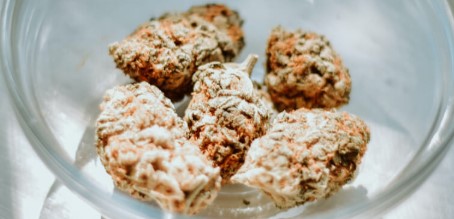
Rare and exotic cannabis strains are distinguished by their unusual lineage, geographical origin, distinctive phenotypic traits, or uncommon chemical compositions. These plants are often landraces, heirloom genetics, or novel hybrids resulting from advanced breeding techniques. Some have been preserved in isolated regions for decades, while others are the result of intentional crossing between disparate or obscure varieties.
The rarity can stem from limited seed production, high cultivation difficulty, specific growing climates, or instability in commercial markets. Many exotic strains are not widely distributed due to their low yields, long flowering times, or niche appeal, yet they are prized for their uniqueness and potential.
2. Examples of Rare and Exotic Cannabis Seeds
a. Malawi Gold (African Landrace)
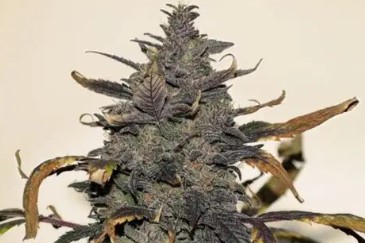
Originating in the highlands of Malawi, this sativa landrace is one of Africa’s most celebrated and elusive strains. It features a long flowering time (up to 14-16 weeks), intense cerebral stimulation, and a distinct terpene bouquet rich in citrus, spice, and pine. The tall, narrow-leaved structure of Malawi Gold reflects its adaptation to tropical conditions and high elevation.
b. Lebanese Red
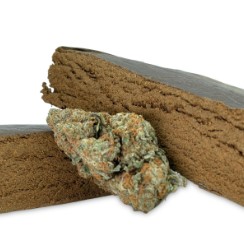
This strain is native to the Bekaa Valley of Lebanon, traditionally grown for hashish production. It exhibits unique reddish pistils and a spicy, herbal aroma. Unlike typical indica plants, Lebanese Red matures early, even in mountainous environments. It produces mellow, balanced effects ideal for stress and mild pain relief.
c. Pakistani Chitral Kush
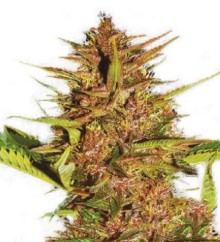
Hailing from the Hindu Kush range, Chitral Kush is known for its stunning purple and red phenotypes and earthy-fruity aroma. It’s an indica-dominant strain that produces dense, colorful buds with exceptional resin production ideal for making concentrates. The calming and physically grounding effects make it a top choice for medical use.
d. Duckfoot
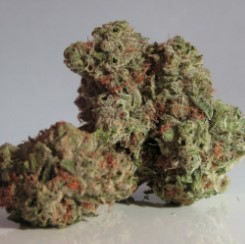
Duckfoot is an unusual phenotype with webbed leaves resembling duck feet, a stark contrast to the serrated blades of conventional cannabis. It’s stealthy and difficult to identify as cannabis when growing outdoors. Duckfoot offers a tropical-fruity terpene profile and a mellow, euphoric high.
e. Panama Red
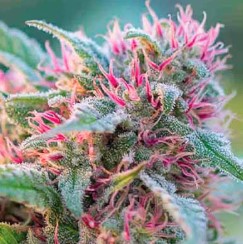
Once ubiquitous in the 1960s and 70s, Panama Red has become a vintage rarity. This pure sativa from Central America is known for its racy, psychedelic high and vibrant reddish pistils. Though low yielding and slow flowering, its nostalgic effects and unique flavor keep it alive among dedicated seed collectors.
3. Genetic Novelty and Hybridization
Many exotic strains come from intentional crossings designed to produce unique cannabinoid or terpene profiles. Breeders often mix rare landraces with modern hybrids to create complex new expressions:
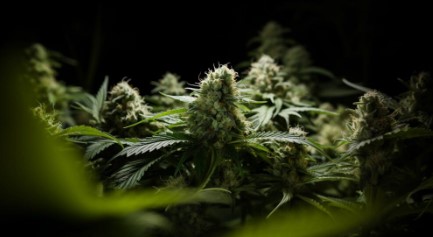
- Dr. Grinspoon: Named after cannabis advocate Dr. Lester Grinspoon, this pure heirloom sativa has a bizarre structure with bead-like buds spaced along thin branches. It is exceptionally cerebral, with energetic, philosophical effects.
- Lamb’s Bread (Lamb’s Breath): A Jamaican heirloom sativa associated with Bob Marley. It’s hard to find in its original form, offering uplifting, introspective effects and a sharp cheesy-sweet aroma.
- Pinkman Goo: A newer strain known for exuding a visible, gooey resin even before harvest. This strain challenges typical trichome biology and is thought to contain exceptionally high terpene concentrations, often described as floral and fruity.
4. Unique Traits of Exotic Seeds
What makes exotic cannabis seeds stand out is more than just rarity. They bring with them novel characteristics not found in commercial strains:
- Morphological differences: Some strains exhibit unusual traits like webbed leaves (Duckfoot), foxtailing buds (Thai genetics), or massive, almost feral growth structures (e.g., Highland Thai).
- Terpene profiles: Rare strains often emit unfamiliar scents floral, acrid, metallic, or fermented beyond the common citrus, pine, or diesel. Some landraces from Nepal or India can smell like sandalwood, musk, or even black pepper.
- High THCV/CBDV content: Certain African and Asian landraces produce higher quantities of rare cannabinoids like tetrahydrocannabivarin (THCV), which has appetite-suppressant and energizing effects, or cannabidivarin (CBDV), with potential anticonvulsant properties.
- Environmental resistance: Exotic strains from equatorial or mountainous regions may be resistant to mold, drought, or pests. For example, South American strains like Punto Rojo are highly mold-resistant due to constant rain in native environments.
5. Medicinal and Recreational Potential
Many rare strains have distinct cannabinoid-terpene combinations that offer specific therapeutic benefits. For example:
- Malawi Gold and other African sativas can elevate mood and may aid in treating depression or fatigue.
- Pakistani Chitral Kush is often used for anxiety, muscle spasms, and insomnia due to its deeply sedative properties.
- Lebanese Red shows promise for mild pain relief and anti-inflammatory properties, especially when processed into hashish.
Exotic seeds may also offer unique recreational experiences that deviate from the common “high-THC” paradigm. These include:
- Energetic, borderline psychedelic effects from high-THCV strains
- Meditative or introspective sensations from old-world indica landraces
- Extended, slow-building highs that don’t follow the typical bell curve of modern hybrids
6. Cultivation Challenges and Rewards
Growing rare or exotic strains can be a double-edged sword. Their non-standard growth patterns, lengthy flowering times, and specific climate requirements mean they aren’t ideal for beginners or high-volume commercial operations.
Challenges:
- Long flowering periods: Many equatorial sativas take 14–16 weeks or more to flower.
- Size and training: Sativas like Panama Red or Dr. Grinspoon can become unmanageable indoors without training.
- Environmental needs: Some landraces demand high humidity, intense light, or unique soil conditions.
- Phenotypic instability: Due to open pollination or limited backcrossing, rare strains may show inconsistent traits from seed.
Rewards:
- Unique experience: Growing and consuming a strain unavailable in most dispensaries is deeply rewarding.
- Preservation: Cultivating rare genetics supports biodiversity and preserves valuable medicinal potential.
- Collector value: Rare seeds and clone-only phenotypes are coveted by collectors and may increase in value over time.
7. Finding and Preserving Rare Seeds
Locating authentic rare and exotic seeds requires discernment. Reputable seed banks, landrace preservation projects, and private breeders are the best sources. Ethical sourcing matters supporting breeders who engage in sustainable and fair collection practices ensures that native communities and ecosystems aren’t harmed.
Seed preservation involves:
- Proper storage: Seeds should be kept in cool, dark, and dry environments, ideally vacuum-sealed with desiccants.
- Germination testing: Periodic testing helps ensure viability.
- Cloning: Once a desirable phenotype is identified, cloning helps maintain consistency for future generations.
8. The Future of Rare Cannabis Genetics
As global cannabis laws evolve, the exploration and legal preservation of exotic genetics are accelerating. New phenohunting expeditions, genomic mapping, and breeding technologies will likely unlock even more obscure cannabinoids, rare terpene expressions, and stable versions of landrace varieties. Enthusiasts and medical researchers alike stand to benefit from the pharmacological potential locked within these unique gene pools.
In a world saturated with GSC, OG, and Gelato crosses, rare and exotic cannabis strains provide a path less traveled one that leads not only to novelty and nostalgia but to scientific insight and deeper connection with this ancient plant. For those willing to invest the time and care, the rewards are unlike anything found in a typical dispensary jar.
