Table of Contents
Raisinberry is an indica-dominant hybrid cannabis strain known for its potent effects, rich terpene profile, and medical benefits. It is highly sought after for its fruity, berry-like aroma, deep relaxation properties, and unique combination of recreational and therapeutic effects. This strain is particularly valued for its ability to ease chronic pain, reduce anxiety, and promote restful sleep while also providing a subtle euphoric uplift.
In this comprehensive review, we will explore the origins of Raisinberry, its genetic lineage, cultivation characteristics, cannabinoid and terpene composition, medical and recreational applications, and the broader scientific context of its effects.
Genetic Lineage and Origins
The exact genetic lineage of Raisinberry remains somewhat debated, but it is widely believed to be a cross between Northern Lights, Mazar, and a ruderalis variety to introduce autoflowering traits.
- Northern Lights – A legendary indica strain known for its tranquilizing effects, Northern Lights contributes its potent relaxation, muscle-soothing properties, and a sense of deep calm to Raisinberry. It is also responsible for the sweet and earthy undertones in the strain’s aroma.
- Mazar – A high-resin indica-dominant strain, Mazar enhances Raisinberry’s sedative and analgesic effects, making it effective for pain relief and stress reduction. It also boosts the plant’s structural resilience, allowing for dense, resin-coated buds.
- Ruderalis Genetics – The inclusion of ruderalis makes Raisinberry an autoflowering strain, meaning it does not rely on light cycles to flower. This makes it an ideal option for growers looking for a faster harvest without having to manage light schedules.
This combination results in a strain that is fast-growing, high-yielding, and packed with potent therapeutic effects.
Cultivation Characteristics
Raisinberry is a relatively easy strain to cultivate, making it popular among both beginners and experienced growers. The key features of its growth cycle include:
Genetic Stability and Seed Selection
- Genetic Background: Raisinberry is an autoflowering hybrid derived from Northern Lights, Mazar, and Ruderalis.
- Autoflowering Trait: The Ruderalis genetics allow it to flower based on age rather than photoperiod, making it ideal for controlled environments.
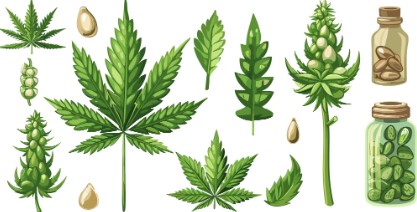
- Seed Viability Testing: Prior to germination, seeds are tested for:
- Hardness (indicating viability)
- Moisture content (optimal at 8-12%)
- Germination rate (above 85% is ideal)
Best Practice: Use feminized autoflowering seeds to ensure maximum efficiency and high THC production.
2. Germination Techniques
- Paper Towel Method: Seeds are placed in moist paper towels at 20-25°C (68-77°F) to encourage rapid germination.
- Water Soaking: Seeds are soaked for 12-24 hours in distilled water to break dormancy.
- Direct Soil Germination: Maintains root integrity and prevents transplant shock.
Ideal Germination Conditions:
- Temperature: 22-26°C (72-78°F)
- Humidity: 70-80%
- pH Level: 6.0-6.5 (slightly acidic)
- Lighting: Minimal light exposure until sprouting
3. Growth Medium and Soil Biology
Hydroponic vs. Soil Cultivation
Raisinberry can be cultivated using soil, hydroponic, or aeroponic systems. However, soil-based cultivation enhances terpene profiles, while hydroponics accelerates growth and increases yield.
Best Soil Composition for Raisinberry
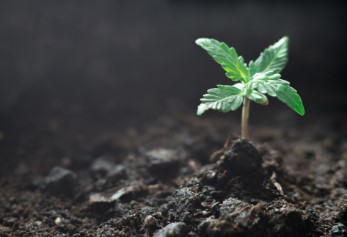
- Organic Super Soil:
- 40% Peat Moss – Retains moisture
- 30% Perlite/Vermiculite – Improves aeration
- 20% Compost – Provides microbial life
- 10% Worm Castings/Biochar – Enhances nutrient retention
- pH Range: 6.0-6.5 (slightly acidic)
- Soil Microbiology: Mycorrhizal fungi and beneficial bacteria improve root nutrient uptake.
Hydroponic Setup
For hydroponic cultivation, the most effective systems are:
- Deep Water Culture (DWC) – Maximizes oxygenation and nutrient uptake.
- Ebb and Flow System – Efficient for nutrient delivery and root aeration.
Nutrient Solution:
- pH: 5.5-6.2
- EC (Electrical Conductivity): 1.2-1.8 mS/cm (varies by growth stage)
- PPM (Parts Per Million): 600-1000 ppm
4. Climate and Environmental Control
Temperature and Humidity Management
- Vegetative Stage:
- Temperature: 22-28°C (72-82°F)
- Humidity: 50-60%
- CO₂ Enrichment: 1200-1500 ppm (boosts photosynthesis)
- Flowering Stage:
- Temperature: 20-26°C (68-78°F)
- Humidity: 40-50% (prevents mold)
- CO₂ Levels: Reduce to 800-1000 ppm for optimal bud development
Lighting Requirements
As an autoflowering strain, Raisinberry does not depend on light cycles but thrives under 18-24 hours of light per day.
- Indoor Cultivation:
- Best Light Source: LED grow lights (Full Spectrum 3000K-5000K)
- Photosynthetic Photon Flux Density (PPFD): 600–900 µmol/m²/s
- Light Distance: Keep 40-60 cm above canopy to prevent light stress.
- Outdoor Cultivation:
- Best grown in Mediterranean or temperate climates.
- Needs more than eight hours of sunlight each day.
- Wind protection is necessary due to dense bud structures prone to mold.
5. Nutrient Management and Fertilization
Raisinberry responds best to balanced feeding schedules that provide macronutrients and micronutrients in appropriate ratios.
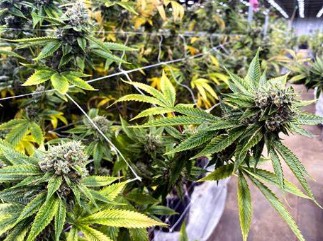
Vegetative Stage (Weeks 1-4)
- Nitrogen (N): High (4:2:3 NPK)
- Phosphorus (P): Moderate (for root development)
- Potassium (K): Moderate (for early plant vigor)
Pre-Flowering and Bloom Stage (Weeks 5-10)
- Nitrogen: Reduced
- Phosphorus: Increased (1:3:4 NPK)
- Potassium: Increased (enhances terpene and resin production)
- Calcium & Magnesium (Cal-Mag Supplement): Prevents deficiencies common in autoflowers
Organic Feeding Alternatives:
- Bat Guano (Phosphorus-rich)
- Fish Hydrolysate (Slow-release Nitrogen)
- Kelp Meal (Micronutrient boost)
pH Monitoring: Soil pH should be maintained at 6.2-6.5, while hydroponic pH should stay around 5.5-6.2.
6. Pruning and Training Techniques
Low-Stress Training (LST)
- Involves gently bending stems to increase light exposure and maximize bud sites.
- Improves airflow, preventing mold and mildew.
Defoliation
- Removing excess fan leaves increases light penetration and prevents humidity buildup.
- Should be done sparingly in autoflowers to avoid stunting growth.
Topping and FIMing
- While topping is typically avoided in autoflowers, some growers “FIM” (pinch new growth) to encourage bushier plants.
7. Pest and Disease Control
Common Pests
- Spider Mites – Use neem oil or predatory mites (Phytoseiulus persimilis).
- Fungus Gnats – Diatomaceous earth helps eliminate larvae.
- Aphids – Introduce ladybugs or use insecticidal soap.
Common Diseases
- Powdery Mildew: Controlled by maintaining humidity below 50% and applying silica supplements.
- Bud Rot (Botrytis): Improved airflow and pruning reduces risks.
Natural Pest Control:
- Companion plants like basil, marigold, and peppermint deter pests.
8. Harvesting, Drying, and Curing
Harvest Time Indicators
- Trichomes: When they turn milky white with some amber (checked with a jewelers loupe at 60x magnification).
- Pistils: 70-80% of pistils should darken before harvesting.
Drying Process
- Hang-dry buds at 60-70°F (15-21°C) with 50-60% humidity.
- Drying takes 7-10 days.
- Ensure air circulation but avoid direct fans.
Curing Process
- Store in glass jars with 62% humidity packs.
- Burp jars daily for 2 weeks, then weekly for up to 8 weeks.
- This process enhances flavor, smoothness, and potency.
Cannabinoid and Terpene Profile
The potency and effects of Raisinberry stem from its diverse cannabinoid content and terpene profile.
1. Cannabinoid Content
- THC: Ranges between 18-22%, making it a moderately strong strain suitable for both medicinal and recreational users.
- CBD: Low to moderate levels (1-3%), offering mild anti-inflammatory and anxiolytic benefits.
- CBN & CBG: Present in trace amounts, contributing to its sedative and neuroprotective effects.
2. Terpene Profile
- Myrcene (Herbal, Musky) – Dominant terpene responsible for relaxing and sedative effects.
- Limonene (Citrusy, Fruity) – Provides a mood-boosting, stress-relieving quality.
- Caryophyllene (Spicy, Peppery) – Contributes to anti-inflammatory and pain-relieving properties.
- Pinene (Piney, Fresh) – Helps with focus and respiratory health.
- Linalool (Floral, Lavender-like) – Enhances calmness, anti-anxiety, and sleep-inducing effects.
This terpene synergy makes Raisinberry an excellent strain for deep relaxation while maintaining a light cerebral uplift.
Medical Benefits of Raisinberry
Raisinberry is widely recognized for its medicinal properties, making it beneficial for individuals with various health conditions.
1. Chronic Pain and Inflammation
- Conditions Treated: Arthritis, fibromyalgia, migraines, muscle spasms.
- Mechanism: The high THC and caryophyllene content interact with CB1 and CB2 receptors to reduce pain perception and combat inflammation.
2. Anxiety and Depression
- Conditions Treated: Generalized anxiety disorder (GAD), PTSD, stress-related disorders.
- Mechanism: The presence of limonene and linalool promotes serotonin and dopamine regulation, reducing anxiety while uplifting mood.
3. Sleep Disorders and Insomnia
- Conditions Treated: Insomnia, restless leg syndrome (RLS), sleep apnea.
- Mechanism: Myrcene and CBN work together to induce sedation, making Raisinberry ideal for nighttime use.
4. Appetite Stimulation
- Conditions Treated: Decrease of appetite due to chemotherapy or eating disorders.
- Mechanism: The THC content interacts with the endocannabinoid system to enhance hunger and food enjoyment.
5. Neurological Conditions
- Conditions Treated: Epilepsy, multiple sclerosis (MS), neurodegenerative disorders.
- Mechanism: CBD, CBG, and myrcene contribute to neuroprotection and muscle relaxation.
Recreational Effects and Uses
Beyond medical applications, Raisinberry is a popular choice for recreational users looking for a balanced cannabis experience.
1. Euphoria and Relaxation
- Raisinberry provides a pleasant mental uplift followed by full-body relaxation.
- Ideal for social settings, creative pursuits, and stress relief.
2. Sensory Enhancement
- Enhances flavors, sounds, and physical sensations.
- Pairs well with music, art, and movies.
3. Perfect for Evening Use
- A great choice for winding down at the end of the day.
- Encourages peaceful introspection and restful sleep.
4. Flavor Profile
- Primary flavors: Sweet berries, dried fruit, subtle earthiness.
- Aftertaste: A hint of spice with a lingering fruity finish.
Methods of Ingestion
The primary methods of cannabis ingestion include:
- Inhalation (Smoking and Vaping)
- Oral Consumption (Edibles, Capsules, Tinctures)
- Sublingual and Buccal Absorption (Tinctures, Sprays)
- Topical and Transdermal Application (Lotions, Patches)
Each of these methods has different effects on bioavailability, onset time, and duration.
1. Inhalation (Smoking and Vaping)
Mechanism of Absorption
- Cannabinoids are absorbed through the alveoli in the lungs and enter the bloodstream directly, bypassing first-pass metabolism.
- Effects occur rapidly due to immediate interaction with CB1 receptors in the brain.
Onset and Duration
- Onset: 1-5 minutes (fastest)
- Peak Effects: 15-30 minutes
- Total Duration: 2-4 hours
Bioavailability
- Smoking: 15-30 percent
- Vaporization: 40-60 percent (higher due to reduced cannabinoid degradation)
Advantages
- Rapid onset, making it effective for acute pain, anxiety, or nausea relief
- Easier dose control compared to edibles
- Higher bioavailability compared to oral consumption
Disadvantages
- Potential respiratory irritation from combustion
- Shorter duration compared to edibles
- Vaporization requires specialized equipment
Scientific Considerations
- Combustion at temperatures above 500°F (260°C) alters cannabinoid composition, potentially degrading THC into CBN, which has sedative properties.
- Vaporization at lower temperatures (325-430°F or 163-221°C) preserves terpenes such as myrcene, limonene, and caryophyllene, enhancing the entourage effect.
2. Oral Consumption (Edibles, Capsules, Tinctures)
Mechanism of Absorption
- THC is metabolized in the liver, converting into 11-hydroxy-THC, which is significantly more potent than delta-9-THC.
- The liver processing increases psychoactive effects and prolongs their duration.
Onset and Duration
- Onset: 30-90 minutes (slowest)
- Peak Effects: 2-4 hours
- Total Duration: 6-12 hours
Bioavailability
- Ranges from 4-20 percent due to first-pass metabolism
- Variability depends on digestion rate, liver enzymes, and individual metabolism
Advantages
- Long-lasting effects, making it suitable for chronic pain and sleep disorders
- No respiratory irritation
- Discreet and convenient consumption
Disadvantages
- Slow onset, which can lead to accidental overconsumption
- Effects vary based on individual metabolism and diet
- Difficult to titrate the correct dose
Scientific Considerations
- Consumption with fatty foods enhances bioavailability because cannabinoids are lipophilic.
- Nanoemulsified THC formulations improve absorption by bypassing first-pass metabolism.
3. Sublingual and Buccal Absorption (Tinctures, Sprays)
Mechanism of Absorption
- Cannabinoids are absorbed directly into the bloodstream through mucous membranes under the tongue or inside the cheek.
- This bypasses first-pass metabolism, resulting in faster effects compared to edibles.
Onset and Duration
- Onset: 15-45 minutes
- Peak Effects: 1-2 hours
- Total Duration: 4-6 hours
Bioavailability
- Typically 12-35 percent, depending on the carrier oil and formulation
Advantages
- Faster onset compared to edibles
- Easier to dose than smoking or vaping
- No respiratory risk
Disadvantages
- Shorter duration than edibles
- Some formulations have an unpleasant taste
- Lower bioavailability compared to vaporization
Scientific Considerations
- Alcohol-based tinctures absorb faster than oil-based tinctures.
- Liposomal and nanoemulsified tinctures improve cannabinoid absorption.
4. Topical and Transdermal Application (Lotions, Patches)
Mechanism of Absorption
- Topical products interact with CB2 receptors in the skin but do not enter the bloodstream, making them non-psychoactive.
- Transdermal patches allow cannabinoids to penetrate deeper layers of the skin and enter the bloodstream, providing systemic effects.
Onset and Duration
- Topical Onset: 20-60 minutes
- Topical Duration: 2-6 hours
- Transdermal Onset: 1-2 hours
- Transdermal Duration: 8-12 hours
Bioavailability
- Topicals: Less than 10 percent (localized effects only)
- Transdermal: 30-50 percent (systemic effects)
Advantages
- Non-psychoactive relief for localized pain and inflammation (topicals)
- Long-lasting effects (transdermal patches)
- Bypasses first-pass metabolism
Disadvantages
- Topicals do not provide psychoactive effects or systemic relief
- Transdermal patches are expensive and may have inconsistent absorption rates
Scientific Considerations
- Formulations with ethanol, oleic acid, or terpenes enhance cannabinoid absorption through the skin.
- Lipid-based creams increase CBD and THC penetration into deeper tissues.
5. Comparative Summary of Onset, Duration, and Bioavailability
| Ingestion Method | Onset Time | Peak Effects | Total Duration | Bioavailability | Key Characteristics |
|---|---|---|---|---|---|
| Smoking/Vaping | 1-5 min | 15-30 min | 2-4 hours | 15-60% | Fast-acting, shorter duration, high bioavailability |
| Edibles | 30-90 min | 2-4 hours | 6-12 hours | 4-20% | Stronger effects, longest duration, first-pass metabolism |
| Sublingual/Buccal | 15-45 min | 1-2 hours | 4-6 hours | 12-35% | Moderate onset and duration, bypasses first-pass metabolism |
| Topicals | 20-60 min | N/A (localized) | 2-6 hours | <10% | Localized relief, no psychoactive effects |
| Transdermal | 1-2 hours | 3-4 hours | 8-12 hours | 30-50% | Long duration, systemic effects |
Scientific Basis for Effects
The psychoactive and medicinal effects of Raisinberry can be attributed to its interaction with the endocannabinoid system (ECS).
1. THC and the CB1 Receptor
- THC binds to CB1 receptors in the brain, leading to euphoria, relaxation, and altered perception.
- High THC strains like Raisinberry modulate dopamine levels, influencing mood, motivation, and pain perception.
2. CBD and the CB2 Receptor
- CBD’s interaction with CB2 receptors helps regulate inflammation and immune responses.
- Works synergistically with THC to balance psychoactivity.
3. Terpene Synergy (Entourage Effect)
- Myrcene enhances THC absorption, amplifying sedative effects.
- Limonene and pinene prevent excessive drowsiness by adding a mild cognitive boost.
4. Neuroprotective and Antioxidant Properties
- High resin content suggests potential anti-oxidative benefits.
- Could be valuable in treating neurodegenerative conditions like Alzheimer’s and Parkinson’s.
Conclusion
Raisinberry is a remarkable cannabis strain that brings together the best of its parent genetics to deliver a potent yet balanced experience. Whether used for medical purposes or recreational enjoyment, it offers a rich terpene profile, strong therapeutic potential, and an appealing flavor.
For patients, Raisinberry is a great choice for pain management, anxiety relief, and sleep aid. For recreational users, it provides a relaxing yet mentally engaging high that enhances both social and solitary experiences.
With its fast-growing autoflowering genetics, high resin production, and delicious berry-like aroma, Raisinberry continues to decrease of appetite due to chemotherapy or eating disorders.
For a complete directory of cultivars, visit our Cannabis Strain Reviews.
