Table of Contents
Rainbow Jones is an Indica-dominant hybrid cannabis strain known for its potent effects, unique terpene profile, and vibrant genetics. A cross between Granddaddy Purple (GDP) and Casey Jones, Rainbow Jones boasts a colorful appearance, rich aroma, and a balance of relaxation and mental stimulation. This strain is favored by both medical and recreational users due to its diverse benefits.
This guide explores the genetics, terpene profile, cannabinoids, medical benefits, recreational uses, potential side effects, and scientific analysis of Rainbow Jones in detail.
Genetic Lineage and Strain Characteristics
Rainbow Jones is a 60 percent Indica and 40 percent Sativa hybrid strain, combining the best features of its legendary parent strains:
- Granddaddy Purple (GDP): A famous Indica strain known for its deep purple hues, grape aroma, and sedative effects. It contributes to Rainbow Jones’ body relaxation and pain relief properties.
- Casey Jones: A Sativa-dominant hybrid that offers cerebral stimulation, motivation, and creativity. This parent gives Rainbow Jones its uplifting head high and energetic undertones.
Physical Appearance
- Dense buds covered in a thick layer of trichomes.
- Purple, green, and blue hues, inherited from GDP.
- Bright orange pistils, adding contrast.
- Sticky resin, indicating high potency.
Aroma and Flavor Profile
- Fruity and berry-like (influenced by GDP).
- Diesel and citrus notes (from Casey Jones).
- Earthy and herbal undertones.
The combination of sweet and fuel-like flavors makes Rainbow Jones a pleasing strain for both novice and experienced cannabis users.
Cannabinoid and Terpene Profile
Primary Cannabinoids
- THC: 18-22 percent (moderate to high potency)
- CBD: ~1 percent (not high in CBD, but has mild therapeutic benefits)
- CBG: 1-2 percent (provides anti-inflammatory and neuroprotective benefits)
Terpene Profile
Terpenes play a significant role in Rainbow Jones’ aroma, flavor, and therapeutic effects:
- Myrcene (Herbal, Earthy, Sedative)
- Primary terpene, contributing to its relaxing effects.
- Enhances the pain-relieving and anti-inflammatory properties.
- Works synergistically with THC for sedative effects.
- Limonene (Citrus, Uplifting, Mood-Boosting)
- Provides stress relief and mood enhancement.
- Adds a citrusy taste and scent.
- Caryophyllene (Peppery, Anti-Inflammatory, Pain-Relieving)
- Interacts with CB2 receptors, making it unique among terpenes.
- Acts as a natural analgesic.
- Linalool (Floral, Calming, Anxiolytic)
- Contributes to anti-anxiety and anti-stress effects.
- Adds a lavender-like aroma.
- Pinene (Piney, Alertness, Memory Retention)
- Provides a slight mental clarity effect, counteracting sedation.
- Aids in respiratory health.
Medical Benefits of Rainbow Jones
Rainbow Jones is highly valued for therapeutic applications due to its diverse cannabinoid and terpene content.

Pain Relief
- Effective for chronic pain, muscle spasms, arthritis, and migraines.
- High THC and Caryophyllene content work as natural analgesics.
Stress, Anxiety, and Depression
- The Limonene and Linalool help in reducing anxiety and improving mood.
- Provides euphoric effects without excessive sedation.
Insomnia and Sleep Disorders
- Myrcene and Linalool induce relaxation and sleepiness.
- Beneficial for those struggling with insomnia.
Appetite Stimulation (Cachexia and Eating Disorders)
- THC content increases appetite and food cravings.
- Can assist chemotherapy patients or individuals with eating disorders.
Anti-Inflammatory and Neuroprotective Effects
- CBG and Caryophyllene help in reducing inflammation.
- Potential benefits for neurodegenerative diseases (Parkinson’s, Alzheimer’s).
PTSD and Emotional Well-Being
- Balances Sativa uplift with Indica relaxation, making it useful for PTSD patients.
- Reduces hyperarousal and flashbacks.
Recreational Uses of Rainbow Jones
Relaxation and Stress Relief
- The Indica-dominance makes Rainbow Jones ideal for evening relaxation.
- Aids consumers in relaxing after a demanding day.
Social Enjoyment
- Moderate Sativa influence provides euphoria and talkativeness.
- Good for group settings and mild social anxiety relief.
Creativity Enhancement
- Casey Jones genetics contribute to a mild cerebral high, aiding creativity.
- Artists, writers, and musicians may find inspiration.
Body and Mind Balance
- Unlike couch-lock Indicas, Rainbow Jones offers relaxation without total sedation.
- Suitable for light activities like reading, gaming, or watching movies.
Mild Psychedelic Effects
- In higher doses, Rainbow Jones can induce enhanced sensory perception.
- Can be enjoyable for music, art appreciation, or meditation.
Potential Side Effects
While generally well-tolerated, Rainbow Jones has some potential adverse effects:
Common Side Effects
- Dry Mouth and Dry Eyes: Common due to high THC.
- Dizziness: Especially in low-tolerance users.
- Mild Anxiety or Paranoia: In sensitive individuals or with high doses.
Less Common but Possible Effects
- Increased Heart Rate: Due to its Sativa component.
- Sedation: If consumed in high amounts, leading to couch-lock.
- Short-Term Memory Impairment: A potential side effect of high THC strains.
Scientific Analysis and Studies on Rainbow Jones
While there are no direct clinical studies on Rainbow Jones, research on its parent strains (GDP and Casey Jones) suggests key scientific insights:
Pain Management (Granddaddy Purple Studies)
- Study: Indica-dominant strains with Myrcene and Caryophyllene have shown effective pain relief in neuropathic conditions (Russo, 2011).
Anti-Anxiety and Mood Enhancement (Casey Jones Studies)
- Study: Cannabis strains high in Limonene and Linalool provide stress relief and mood stabilization (Cuttler et al., 2018).
Sleep Improvement and Insomnia Treatment
- Study: Myrcene-rich strains improve sleep quality and duration (Nicholson et al., 2004).
Neuroprotective and Anti-Inflammatory Potential
- Study: CBG and Caryophyllene act as neuroprotectants, reducing inflammation in neurodegenerative disorders (Nagarkatti et al., 2009).
Ideal Growing Conditions
Rainbow Jones thrives both indoors and outdoors, but due to its dense buds and resin production, indoor growing is preferred to control humidity and temperature fluctuations.
A. Temperature and Humidity Requirements
- Vegetative Stage: 70–80°F (21–27°C), Humidity: 50-60%
- Flowering Stage: 65–75°F (18–24°C), Humidity: 40-50%
- Late Flowering (Ripening): 60–70°F (16–21°C), Humidity: 30-40% (prevents mold and bud rot)
Why?
- Lower humidity in flowering reduces the risk of Botrytis (bud rot), a common issue with GDP-dominant strains.
- Stable temperature prevents terpene degradation, preserving its fruity, diesel-like aroma.
Lighting Requirements and Photoperiod
Indoor Cultivation
- Vegetative Stage: 18/6 or 20/4 (Light/Dark) cycle using full-spectrum LED or HPS lights.
- Flowering Stage: 12/12 (Light/Dark) cycle to trigger bud production.
Recommended Lighting Setup:
- LED Grow Lights (600W-1000W): Energy-efficient, enhances terpene production.
- HPS (High-Pressure Sodium): High yields but produces more heat, requiring ventilation.
Outdoor Cultivation
- Prefers a Mediterranean climate with plenty of sunshine.
- Requires 8+ hours of direct sunlight for optimal THC and terpene production.
- Best planting time: Spring (April-May) for a harvest in October.
Soil and Growing Medium
Best Soil Type
- Soil that is rich in organic content, loamy, and drains effectively.
- Ideal pH: 6.0 – 6.5 (Slightly acidic for optimal nutrient uptake).
Hydroponic Cultivation
- Rockwool, coco coir, or DWC (Deep Water Culture) systems enhance growth speed and cannabinoid concentration.
- Nutrient solution should maintain a pH of 5.8–6.2.
- Requires oxygenation: Adding an air pump and stone improves root development.
Nutrient Requirements for High Potency
Macronutrients (N-P-K Ratio)
- Vegetative Stage: High Nitrogen (N) for strong foliage growth. Recommended ratio: 3-1-2.
- Flowering Stage: Increase Phosphorus (P) and Potassium (K) for bud formation. Recommended ratio: 1-3-3.
Micronutrients (Calcium, Magnesium, Sulfur)
- Calcium (Ca): Strengthens cell walls, prevents bud rot.
- Magnesium (Mg): Enhances chlorophyll production and THC biosynthesis.
- Sulfur (S): Boosts terpene and flavonoid content, improving aroma and taste.
Organic vs. Synthetic Fertilizers
- Organic (Compost, Worm Castings, Bat Guano): Improves terpene complexity.
- Synthetic (Hydroponic Solutions, Liquid Nutrients): Boosts THC percentage and yield.
Training Techniques for Higher Yields
Low-Stress Training (LST)
- Tying down branches improves light exposure.
- Prevents mold and increases lateral growth.
High-Stress Training (HST)
- Topping and Fimming force the plant to develop multiple colas, leading to higher yields.
- Supercropping (bending branches) increases resin production.
Sea of Green (SOG) & Screen of Green (ScrOG)
- SOG: Ideal for shorter plants; multiple small plants in close spacing.
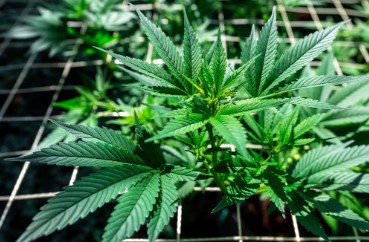
- ScrOG: Uses a trellis net to train branches horizontally, maximizing bud sites.
Watering Techniques
- Water only when the top 1-2 inches of soil are dry to prevent overwatering.
- pH of water: 6.0-6.5 (Soil), 5.8-6.2 (Hydroponics).
- Use filtered or dechlorinated water to prevent nutrient lockout.
Avoid:
- Overwatering → Leads to root rot.
- Underwatering → Causes nutrient deficiencies.
Harvesting and Curing for Maximum Potency
Harvest Timing
- Best time to harvest: When trichomes turn cloudy/milky with some amber ones.
- THC is highest before amber trichomes dominate.
Drying Process
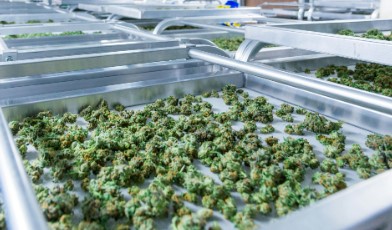
- Hang buds upside down in a dark room.
- Temperature: 60-70°F, Humidity: 45-55%.
- Takes 7-14 days for proper drying.
Curing for Enhanced Flavor
- Store dried buds in airtight glass jars at 65% humidity.
- Burp jars daily for 2-4 weeks to release excess moisture.
- Improves smoothness, flavor, and potency.
Common Growing Issues and Solutions
A. Nutrient Deficiencies
- Yellowing Leaves (Nitrogen Deficiency) → Increase N levels in veg stage.
- Purple Stems (Phosphorus Deficiency) → Adjust P levels in flower stage.
B. Pests and Disease Control
- Spider mites, aphids, powdery mildew are common threats.
- Use neem oil, ladybugs, or organic insecticidal soaps for prevention.
- Good airflow and pruning lower leaves prevent mold growth.
9Genetic Stability and Cloning
- Rainbow Jones clones well, preserving genetic consistency.
- Cloning reduces variability in potency and terpenes.
- Tissue culture propagation is a cutting-edge method for pathogen-free, identical clones.
Methods of Ingestion
A. Inhalation (Smoking & Vaping)
1. Smoking (Joints, Pipes, Bongs)
- Mechanism: Combustion (Burning) releases cannabinoids and terpenes, which enter the lungs and rapidly absorb into the bloodstream.
- Onset: 1-5 minutes (almost immediate effect due to lung absorption).
- Peak Effects: 20-30 minutes.
- Duration: 2-4 hours.
- Bioavailability: ~30% (depends on inhalation depth and frequency).
- Pros: Rapid effects, easy dose control.
- Cons: Loss of cannabinoids due to combustion (~50% destroyed), exposure to tar and carcinogens.
2. Vaping (Dry Herb Vaporizers, Concentrate Pens)
- Mechanism: Heats cannabis at lower temperatures (180-220°C) to release cannabinoids without combustion.
- Onset: 1-5 minutes.
- Peak Effects: 15-30 minutes.
- Duration: 2-4 hours.
- Bioavailability: 40-50% (higher than smoking).
- Pros: Less lung irritation, preserves terpenes for better flavor.
- Cons: Requires a vaporizer, device maintenance.
B. Oral Consumption (Edibles, Tinctures, Capsules)
1. Edibles (Gummies, Brownies, Infused Food)
- Mechanism: THC is metabolized in the liver into 11-hydroxy-THC, a more potent and longer-lasting psychoactive metabolite.
- Onset: 30-120 minutes (delayed due to digestion and liver metabolism).
- Peak Effects: 2-4 hours after ingestion.
- Duration: 4-8 hours, sometimes up to 12 hours.
- Bioavailability: 4-12% (low due to digestive breakdown).
- Pros: Long-lasting effects, ideal for pain relief and sleep disorders.
- Cons: Delayed onset, risk of overconsumption, difficult dose titration.
2. Sublingual (Tinctures, Sprays, Lozenges)
- Mechanism: Absorbed through the mucous membranes under the tongue, bypassing the digestive system.
- Onset: 15-45 minutes.
- Peak Effects: 45-90 minutes.
- Duration: 4-6 hours.
- Bioavailability: 20-35% (better absorption than edibles).
- Pros: Faster onset than edibles, avoids liver metabolism.
- Cons: Some may dislike the taste, limited commercial availability.
3. Capsules and Pills
- Mechanism: Similar to edibles, undergoes digestive metabolism and liver processing.
- Onset: 30-90 minutes.
- Peak Effects: 1.5-3 hours.
- Duration: 6-8 hours.
- Bioavailability: 4-12%.
- Pros: Precise dosing, long-lasting effects.
- Cons: Slower onset, variability in absorption.
C. Topical Applications (Creams, Lotions, Transdermal Patches)
- Mechanism: Absorbed through the skin, interacting with CB2 receptors in localized areas.
- Onset: 15-60 minutes.
- Peak Effects: 1-2 hours.
- Duration: Up to 6 hours.
- Bioavailability: Very low (<5%), except for transdermal patches.
- Pros: Great for localized pain and inflammation, non-psychoactive.
- Cons: Does not produce cerebral effects unless using transdermal patches.
2. Onset and Duration of Effects
Factors Influencing Onset and Duration
- Method of Ingestion:
- Fastest Onset: Smoking/Vaping (1-5 min).
- Slowest Onset: Edibles (30-120 min).
- Longest Duration: Edibles and Capsules (6-12 hrs).
- Shortest Duration: Smoking/Vaping (2-4 hrs).
- Metabolism and Individual Physiology:
- Faster metabolism = shorter duration.
- Body fat levels influence THC retention (THC is fat-soluble).
- Tolerance level affects perceived duration.
- Strain Potency and Cannabinoid Profile:
- Rainbow Jones has 18-22% THC, which results in moderate to high intensity.
- Higher Myrcene content enhances the sedative effects.
- Food Intake:
- Empty stomach = faster onset, stronger effects.
- Fat-rich foods improve THC absorption.
3. Bioavailability and Absorption Science
- Inhalation: 30-50% absorbed.
- Edibles: 4-12% (lower due to first-pass metabolism in the liver).
- Sublingual: 20-35% (avoids digestive degradation).
- Topicals: <5% (except transdermal patches, which can have up to 50% systemic absorption).
4. Best Methods Based on Desired Effects
| Desired Effect | Best Ingestion Method |
|---|---|
| Immediate relief (anxiety, pain, nausea) | Vaping or smoking (fastest onset) |
| Long-lasting effects (chronic pain, insomnia) | Edibles or capsules |
| Fast relief without smoking | Tinctures (sublingual absorption) |
| Localized pain relief | Topical creams or patches |
| Microdosing & Precise Dosing | Capsules or sublingual tinctures |
Conclusion: Who Should Use Rainbow Jones?
Best For
- Patients seeking pain relief, anxiety reduction, and improved sleep.
- Users looking for a balanced high with both relaxation and mental stimulation.
- Artists and creatives needing a mild boost in inspiration.
- Recreational users who enjoy a flavorful, colorful strain with moderate potency.
Not Ideal For
- Individuals sensitive to THC-induced anxiety.
- Users who need high-energy productivity strains.
- First-time users who prefer mild cannabis experiences.
Rainbow Jones is a well-rounded strain offering a unique blend of euphoria, relaxation, and therapeutic benefits. Its genetic lineage, terpene profile, and scientific backing make it a favorite among medical and recreational users alike.
For a complete directory of cultivars, visit our Cannabis Strain Reviews.
