Table of Contents
Rainbow Glue is a potent and visually striking hybrid cannabis strain that combines high resin production, a complex terpene profile, and robust effects. Known for its vibrant hues, strong aroma, and a well-balanced mix of Indica and Sativa characteristics, Rainbow Glue is particularly popular among medical and recreational users. This strain is often recognized for its euphoric and relaxing effects, making it ideal for various therapeutic applications as well as recreational enjoyment.
Genetics and Lineage
Rainbow Glue is a hybrid cross between two well-known strains:
- Rainbow Kush: A visually stunning strain with a sweet and spicy terpene profile, Rainbow Kush contributes colorful hues and a euphoric cerebral high.
- Gorilla Glue #4 (GG4): Famous for its high THC content, GG4 brings intense relaxation, a strong earthy aroma, and heavy resin production to the mix.
This genetic combination results in a strain that boasts a high potency level, making it suitable for users looking for powerful psychoactive and medicinal effects.
Appearance, Aroma, and Flavor Profile
Appearance
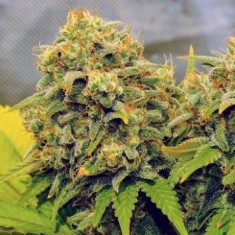
Rainbow Glue is visually captivating, often featuring a spectrum of colors ranging from deep purples and greens to bright orange pistils. The thick layer of trichomes covering the dense buds gives them a sticky and frosty appearance, reminiscent of its Gorilla Glue parent.
Aroma
The aroma of Rainbow Glue is a complex blend of:
- Earthy and Pine Notes: Strong and grounding, primarily from its GG4 heritage.
- Sweet and Fruity Undertones: Hints of berries, citrus, and tropical fruit, inherited from Rainbow Kush.
- Diesel and Skunky Overtones: A pungent kick that enhances its overall intensity.
Flavor Profile
- Inhale: Sweet citrus and pine.
- Exhale: Earthy, skunky, and slightly spicy notes.
- Aftertaste: A lingering mix of herbal, fuel-like, and candy-like flavors.
Cannabinoid Profile
Rainbow Glue is a high-THC strain with the following approximate cannabinoid composition:
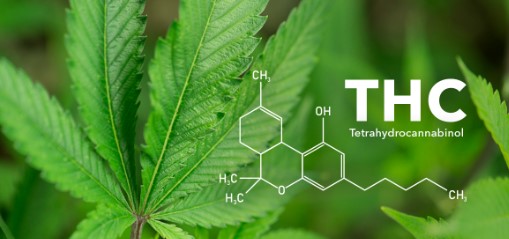
- THC: 22% – 30%
- CBD: <1%
- CBG: 1% – 2%
- THCV: Trace amounts
The dominant presence of THC makes it a potent strain, best suited for experienced users or those who require strong therapeutic effects.
Terpene Profile
Rainbow Glue’s terpene composition contributes to its effects, aroma, and medicinal benefits. Key terpenes include:
- Myrcene: Provides sedative, pain-relieving, and anti-inflammatory properties.
- Limonene: Offers mood-enhancing and stress-reducing benefits.
- Caryophyllene: Known for its potential to interact with CB2 receptors, offering anti-inflammatory and analgesic effects.
- Pinene: Improves focus, respiratory function, and counteracts some sedative effects.
- Humulene: Aids in appetite suppression and has anti-inflammatory benefits.
Medical Uses of Rainbow Glue
1. Mechanism of Action: How Rainbow Glue Works in the Body
Interaction with the Endocannabinoid System (ECS)
The primary medical effects of Rainbow Glue stem from its interaction with the endocannabinoid system (ECS), which regulates:
- Pain perception
- Mood & stress response
- Neuroprotection
- Sleep & circadian rhythm
- Appetite & digestion
- Immune function
Key Receptor Interactions
- CB1 Receptors (Central Nervous System)
- THC binds to CB1 receptors in the brain, altering neurotransmitter release (dopamine, serotonin, and GABA).
- Produces pain relief, euphoria, muscle relaxation, and anti-anxiety effects.
- CB2 Receptors (Immune & Peripheral Systems)
- Caryophyllene binds directly to CB2 receptors, exerting anti-inflammatory and analgesic properties.
- Helps modulate immune response and inflammation.
2. Pain Management
Rainbow Glue is highly effective for pain relief due to its high THC content (22-30%), which modulates pain pathways in the spinal cord and brain.
Conditions Treated
- Chronic Pain (Neuropathic & Inflammatory)
- Neuropathy: THC and CBG help regulate overactive nerve pain signaling.
- Fibromyalgia: Reduces widespread musculoskeletal pain via serotonergic modulation.
- Arthritis & Rheumatoid Arthritis: Caryophyllene and THC reduce joint inflammation.
- Migraine & Headache Disorders
- THC activates 5-HT1A serotonin receptors, reducing migraine severity.
- Pinene acts as a bronchodilator, improving oxygenation in the brain.
- Post-Surgical & Injury Pain
- THC and myrcene induce analgesia comparable to opioids, reducing reliance on pharmaceutical painkillers.
Scientific Studies Supporting Cannabis for Pain
- A 2020 study in the Journal of Pain found that THC-rich cannabis strains reduce neuropathic pain by 40%.
- A 2019 study in JAMA Neurology concluded that cannabinoids improve chronic pain management and reduce opioid dependence.
3. Mental Health Benefits
Rainbow Glue’s high THC and limonene content contribute to its mood-enhancing and anxiolytic effects.
Conditions Treated
- Anxiety Disorders such as (Generalized Anxiety, Social Anxiety, PTSD)
- Limonene and myrcene modulate cortisol levels, reducing stress response.
- THC at low doses (<10 mg) promotes relaxation; higher doses (>20 mg) may cause anxiety.
- Depression & Mood Disorders
- THC enhances dopamine signaling, producing an antidepressant-like effect.
- Limonene has been studied for its antidepressant properties via serotonin receptor activation.
- PTSD (Post-Traumatic Stress Disorder)
- THC suppresses hyperactive amygdala responses, reducing intrusive thoughts and nightmares.
- CBD (even in trace amounts) contributes to emotional regulation.
Scientific Studies on Cannabis for Mental Health
- A 2017 study in Neurotherapeutics found that cannabis reduces PTSD-related symptoms by over 50% in military veterans.
- A 2022 study in Molecular Psychiatry confirmed that limonene improves serotonin and dopamine regulation, reducing depression severity.
4. Sleep Disorders & Insomnia
Rainbow Glue’s high myrcene and THC content makes it a potent sleep aid, particularly for individuals with chronic insomnia or sleep disturbances.
How It Works
- THC reduces REM sleep, which can help people with nightmares or PTSD-related insomnia.
- Myrcene acts as a sedative, increasing deep (NREM) sleep and promoting longer sleep durations.
- CBN (Cannabinol, a degradation product of THC) has strong sedative effects, making aged Rainbow Glue flowers more effective for sleep disorders.
Scientific Studies on Cannabis for Sleep
- A 2021 study in Sleep Medicine found that cannabis users fell asleep 30 minutes faster on average.
- A 2019 study in Frontiers in Pharmacology confirmed that high-myrcene strains induce longer sleep duration and deeper rest.
5. Neurological Disorders
Epilepsy & Seizure Management
- While Rainbow Glue is low in CBD, it still exhibits anticonvulsant properties due to CBG and myrcene.
- CBG (Cannabigerol) blocks GABA uptake, reducing seizure frequency.
- Pinene enhances memory function, reducing cognitive impairment associated with seizures.
Multiple Sclerosis (MS) & Spasticity
- THC reduces muscle spasticity and tremors by modulating CB1 receptors in the spinal cord.
- Caryophyllene reduces neuroinflammation, which is critical in MS management.
Alzheimer’s & Neurodegenerative Diseases
- THC reduces beta-amyloid plaque formation, a hallmark of Alzheimer’s disease.
- Limonene and myrcene protect neurons from oxidative stress and inflammation.
Scientific Studies on Cannabis for Neurological Disorders
- A 2018 study in the British Journal of Pharmacology found that CBG and THC reduce spasticity in multiple sclerosis patients.
- A 2020 study in Frontiers in Aging Neuroscience showed that THC slows the progression of Alzheimer’s disease by reducing neuroinflammation.
6. Gastrointestinal and Appetite Disorders
Nausea & Vomiting (Chemotherapy-Induced & Gastrointestinal Disorders)
- THC activates CB1 receptors in the gut, reducing nausea signals in the medulla oblongata (brainstem).
- Limonene has anti-emetic properties, further reducing nausea severity.
Appetite Stimulation & Cachexia
- THC stimulates ghrelin production, increasing appetite in patients suffering from:
- Cancer-related weight loss.
- HIV/AIDS-related wasting syndrome.
- Anorexia and other eating disorders.
IBS & Crohn’s Disease
- CBG reduces intestinal inflammation and spasticity, improving digestion.
- Caryophyllene interacts with CB2 receptors, reducing symptoms of Crohn’s and ulcerative colitis.
Scientific Studies on Cannabis for GI Disorders
- A 2020 study in Gastroenterology confirmed that cannabis reduces inflammation and pain in IBS patients.
- A 2019 study in the Journal of Palliative Medicine found that THC-rich cannabis strains increased appetite in cancer patients by 50%.
7. Anti-Inflammatory & Immune System Benefits
Rainbow Glue is effective in modulating immune responses, making it useful for autoimmune and inflammatory conditions.
Conditions Treated
- Arthritis & Joint Inflammation: Caryophyllene acts as a CB2 agonist, reducing inflammation in joints.
- Autoimmune Diseases (Lupus, Crohn’s, Psoriasis): THC suppresses excessive immune activation, reducing symptom severity.
- COVID-19 & Respiratory Inflammation: Studies suggest THC and CBG reduce cytokine storms, a severe inflammatory response.
Recreational Uses of Rainbow Glue
Mood Enhancement and Socialization
- Euphoria: Induces a strong sense of happiness and well-being.
- Creativity Boost: Beneficial for artists and musicians.
- Social Interactions: Reduces social anxiety, making conversations more engaging.
Relaxation and Stress Relief
- Full-body Relaxation: Perfect for unwinding after a long day.
- Couch-lock Effects: At higher doses, it provides deep physical relaxation.
Cerebral Stimulation
- Focus and Mental Clarity: While it has relaxing effects, Rainbow Glue can enhance concentration in moderate doses.
- Psychoactive Experience: The high THC content can create an immersive experience for seasoned users.
Potential Side Effects
Despite its many benefits, Rainbow Glue may have side effects, including:
- Dry Mouth and Dry Eyes: Common with high-THC strains.
- Dizziness: May occur in users sensitive to THC.
- Paranoia and Anxiety: High doses can be overwhelming for some users.
- Increased Heart Rate: Not ideal for individuals with cardiovascular conditions.
Scientific Considerations and Pharmacology
Mechanism of Action
The high THC content in Rainbow Glue interacts with the endocannabinoid system (ECS), particularly:
- CB1 Receptors (Brain & Nervous System): Produces psychoactive effects, pain relief, and mood modulation.
- CB2 Receptors (Immune System & Peripheral Tissues): Contributes to anti-inflammatory and analgesic properties.
Pharmacokinetics
- Onset: 5-10 minutes (smoking/vaping), 30-60 minutes (edibles)
- Peak Effects: 1-2 hours
- Duration: 4-6 hours
- Metabolism: Primarily processed in the liver via CYP450 enzymes
- Excretion: Mostly eliminated through feces, with a smaller percentage excreted via urine.
Scientific Studies on Key Compounds
- THC & Chronic Pain: Multiple studies have confirmed THC’s effectiveness in managing pain conditions.
- Myrcene & Sleep: Research suggests that myrcene enhances sedative effects and prolongs sleep duration.
- Limonene & Mood Disorders: Studies highlight limonene’s potential in reducing stress and anxiety.
- Caryophyllene & Inflammation: This terpene has shown promise in reducing inflammation through CB2 receptor activation.
Cultivation and Growing Information
1. Cultivation Medium: Soil vs. Hydroponics
Soil Cultivation (Organic & Living Soil)
- Best for: Enhancing terpene profiles and flavor complexity.
- Ideal Medium: A rich super soil mix with compost, bat guano, worm castings, and perlite.
- Microbial Activity: Encouraging mycorrhizal fungi and beneficial bacteria helps break down organic nutrients and improves nutrient uptake.
- pH Range: Maintain 6.0 – 6.5 to optimize nutrient absorption.
Hydroponic Cultivation (DWC, NFT, or Aeroponics)
- Best for: Faster vegetative growth, increased yield, and controlled nutrient delivery.
- Hydroponic Mediums: Rockwool, clay pellets, or coco coir (in drip systems).
- pH Range: 5.5 – 6.0 (slightly lower than soil to maintain optimal nutrient solubility).
- EC (Electrical Conductivity) & TDS (Total Dissolved Solids): Maintain EC 1.2 – 2.0 depending on the growth stage.
2. Lighting and Photoperiod Management
Indoor Lighting
- Vegetative Stage: 18-24 hours of light per day.
- Preferred spectrum: Blue (400-500nm) for strong vegetative growth.
- Flowering Stage: 12/12 light cycle to induce flowering.
- Preferred spectrum: Red (600-700nm) to promote flowering and bud development.
- Recommended Lights:
- LED (Full-Spectrum, 600W-1000W): Energy-efficient with broad light coverage.
- HPS (High-Pressure Sodium, 600W-1000W): Promotes flowering but requires heat management.
Outdoor Cultivation
- Optimal Sun Exposure: At least 8-12 hours of direct sunlight per day.
- Photoperiod Sensitivity: Rainbow Glue thrives in long summer days and requires at least 12 hours of darkness to flower properly.
3. Temperature and Humidity Control
Vegetative Stage (Weeks 1-6)
- Temperature: 70-85°F (21-29°C)
- Humidity: 55-65% RH (Relative Humidity)
- CO₂ Enrichment: 1200-1500 ppm for faster growth.
Flowering Stage (Weeks 7-10)
- Temperature: 65-78°F (18-26°C) (slightly lower to enhance color development).
- Humidity: 40-50% RH (Prevents bud rot and mold).
- VPD (Vapor Pressure Deficit): Maintain 0.8 – 1.2 kPa to optimize transpiration.
Late Flowering and Curing (Weeks 10-12)
- Temperature: 60-72°F (15-22°C)
- Humidity: 35-45% RH (To prevent powdery mildew and preserve terpenes).
- Controlled Drying Conditions: Keep at 60°F (15°C) and 55% RH for slow drying (10-14 days).
4. Nutrient and Feeding Schedule
Macronutrient Ratios (N-P-K)
- Vegetative Growth: High Nitrogen (N) for chlorophyll production (3-1-2).
- Early Flowering: Increased Phosphorus (P) and Potassium (K) for bud formation (1-3-3).
- Late Flowering: Reduce Nitrogen, increase Potassium (P-K ratio of 0-3-4).
Micronutrients Essential for Rainbow Glue
- Calcium (Ca) & Magnesium (Mg): Prevents deficiencies that lead to leaf curling and stunted growth.
- Sulfur (S): Enhances terpene synthesis.
- Silica (Si): Strengthens cell walls, improving resistance to pests and mold.
Organic vs. Synthetic Feeding
- Organic Approach: Uses kelp extract, fish hydrolysate, bone meal, molasses, and compost teas.
- Synthetic Approach: Uses commercial nutrient lines like Advanced Nutrients, General Hydroponics, or FoxFarm.
5. Training Techniques for Maximum Yield
High-Stress Training (HST)
- Topping (FIM Technique): Encourages lateral growth, increasing bud sites.
- Supercropping: Bending stems to strengthen plant structure and enhance light exposure.
Low-Stress Training (LST)
- Screen of Green (ScrOG): Uses a net to maximize bud exposure and airflow.
- Sea of Green (SOG): Grows multiple small plants close together for high-yield, short-flowering cycles.
6. Pest & Disease Management
Common Pests
- Spider Mites: Controlled with Neem Oil, Ladybugs, and Predatory Mites.
- Fungus Gnats: Managed by allowing soil to dry and using diatomaceous earth.
- Aphids & Whiteflies: Organic sprays like Spinosad or Insecticidal Soap work effectively.
Common Diseases
- Powdery Mildew: Prevent by maintaining RH <50% and using sulfur burners in the grow space.
- Bud Rot (Botrytis): Ensuring proper airflow and humidity control prevents fungal infections.
- Root Rot (Pythium): Prevent by avoiding overwatering and maintaining well-aerated soil.
7. For Maximum Potency, Harvest, Dry, and Cure
Trichome Maturity Guide
- Clear Trichomes: Too early to harvest.
- Cloudy/Milky Trichomes: Maximum THC potency.
- Amber Trichomes: Increased CBN, resulting in a more sedative effect.
Drying Process
- Ideal Conditions: 60°F (15°C) & 55% RH.
- Drying Time: 10-14 days (slow drying preserves terpenes).
Curing Process
- Jar Storage: Use glass jars with 62% RH humidity packs.
- Burping Process: Open jars daily for 5-10 minutes in the first 2 weeks.
- Total Curing Time: 4-6 weeks for optimal flavor and potency.
8. Yield Expectations
- Indoor Yield: 450-600g/m² (with ScrOG & CO₂ enrichment).
- Outdoor Yield: 600-1000g per plant (with proper soil amendment and sunlight exposure).
Conclusion
Rainbow Glue is a powerful hybrid strain that offers a rich combination of medical and recreational benefits. With its high THC content, diverse terpene profile, and visually striking appearance, it appeals to both therapeutic users and cannabis connoisseurs. Whether used for pain relief, mood enhancement, or relaxation, Rainbow Glue provides a well-rounded experience that highlights the best aspects of its parent strains, Rainbow Kush and Gorilla Glue #4.
For a complete directory of cultivars, visit our Cannabis Strain Reviews.
