Table of Contents
Quin-N-Tonic is a well-balanced hybrid cannabis strain renowned for its high CBD content and moderate THC levels. It is particularly popular among medical cannabis users seeking relief without excessive psychoactive effects. This strain is a result of careful breeding to combine therapeutic potential with mild, enjoyable euphoria.
Genetics and Lineage
Quin-N-Tonic is a cross between Harlequin and Cannatonic, two well-known high-CBD strains.
- Harlequin: A Sativa-dominant hybrid famous for its balanced THC-to-CBD ratio, often used for pain relief and anxiety reduction.
- Cannatonic: A hybrid with one of the highest CBD contents in the cannabis world, widely used for medical applications due to its minimal psychoactive effects.
The combination of these two parent strains results in a balanced hybrid that delivers relaxation, mild euphoria, and potent therapeutic benefits.
Cannabinoid Profile
Quin-N-Tonic is characterized by its high CBD and moderate THC levels, making it an excellent choice for medical users and those sensitive to THC. Its typical cannabinoid content includes:
- CBD: 10-15%
- THC: 6-10%
- CBG: 1-2%
- CBN: Trace amounts
This composition ensures a therapeutic effect without strong intoxication, making it suitable for daytime and evening use.
Terpene Profile
The rich terpene profile of Quin-N-Tonic contributes to its therapeutic properties and aromatic appeal. The primary terpenes include:
- Myrcene – Known for its sedative and anti-inflammatory effects.
- Pinene – Enhances alertness and has bronchodilatory properties.
- Caryophyllene – Offers anti-inflammatory benefits and interacts with CB2 receptors.
- Limonene – Provides stress relief and mood-enhancing properties.
- Linalool – Has calming effects and is often used to treat anxiety and insomnia.
These terpenes contribute to Quin-N-Tonic’s sweet, fruity, and slightly spicy aroma with hints of citrus and earthiness.
Effects and Recreational Uses
Quin-N-Tonic is known for delivering a calm, clear-headed, and functional high. The consequences are frequently explained as:
- Mild Euphoria: Users report a subtle uplifting sensation without the intense cerebral buzz of high-THC strains.
- Relaxation Without Sedation: Ideal for those who want to unwind without feeling overly drowsy.
- Focused and Clear-Minded: Great for creative activities, social interactions, and daily tasks.
- Mood Enhancement: Helps alleviate stress and anxiety without impairing cognitive function.
Best Recreational Uses
- Social Settings: The mild, balanced high allows users to enjoy conversations without feeling overly intoxicated.
- Outdoor Activities: Enhances sensory perception, making nature walks and beach outings more enjoyable.
- Creative Endeavors: Helps artists, musicians, and writers tap into their creative flow.
- Casual Gaming and Movies: Offers relaxation without sedation, making it great for entertainment.
Medical Benefits
Quin-N-Tonic’s high CBD content makes it an exceptional medical strain for a variety of conditions. Some of the primary medical applications include:

Pain Management
- Alleviates chronic pain conditions such as arthritis, fibromyalgia, and migraines.
- Helps with neuropathic pain caused by nerve damage.
- Reduces inflammatory pain related to autoimmune disorders.
Anxiety and Stress Relief
- The presence of CBD counteracts anxiety-inducing effects of THC, making it ideal for those with social anxiety disorder (SAD) as well as generalized anxiety disorder (GAD).
- Limonene and linalool contribute to a sense of calm and well-being.
Epilepsy and Seizure Control
- Due to its high CBD content, Quin-N-Tonic may help reduce seizure frequency in epilepsy patients, similar to strains used in medical cannabis treatments such as Charlotte’s Web.
Depression Management
- Provides mood stabilization without excessive sedation or intoxication.
- Enhances serotonin production, helping with depressive disorders.
Sleep Disorders and Insomnia
- While not as sedative as pure Indicas, the myrcene and linalool content help with mild to moderate sleep issues.
Neuroprotective Benefits
- CBD-rich strains like Quin-N-Tonic have been studied for their neuroprotective properties and potential applications in Alzheimer’s disease, multiple sclerosis, and Parkinson’s disease.
Gastrointestinal Issues
- Helps with nausea, vomiting, and appetite loss, making it useful for cancer patients undergoing chemotherapy.
- Reduces symptoms of Crohn’s disease and irritable bowel syndrome (IBS).
Methods of Ingestion
A. Inhalation (Smoking & Vaporization)
Mechanism of Action:
- When inhaled, cannabinoids enter the lungs and pass directly into the bloodstream via the alveoli, bypassing the digestive system.
- This allows for rapid onset and high bioavailability, making it the fastest way to experience effects.
Bioavailability:
- Smoking: 25–30%
- Vaporization: 50–60% (higher due to less combustion loss and efficient absorption)
Onset Time:
- Effects begin within 1–5 minutes, peaking at 15–30 minutes.
Duration:
- 2–4 hours, depending on dosage and metabolism.
Best For:
- Immediate relief from anxiety, pain, and nausea.
- Recreational users looking for a quick onset without prolonged effects.
Scientific Considerations:
- Combustion of cannabis produces carcinogens, though Quin-N-Tonic’s high CBD content may counteract some inflammatory responses.
- Vaporization is preferred scientifically due to better temperature control and reduced toxin exposure.
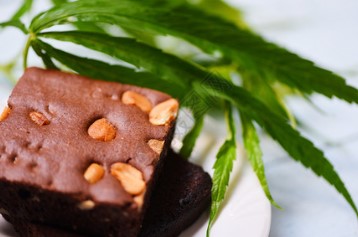
B. Oral Ingestion (Edibles, Capsules, and Beverages)
Mechanism of Action:
- Ingested cannabinoids pass through the digestive system and undergo first-pass metabolism in the liver, converting THC into the stronger and more persistent 11-hydroxy-THC.
- CBD remains mostly unchanged but takes longer to take effect.
Bioavailability:
- 10–20%, due to extensive metabolism and delayed absorption.
Onset Time:
- 30 minutes to 2 hours, depending on metabolism, stomach contents, and formulation.
Duration:
- 4–8 hours, with peak effects around 2–4 hours after ingestion.
Best For:
- Chronic pain management (long-lasting relief).
- Sleep disorders (prolonged sedative effects).
- Anti-inflammatory effects for autoimmune conditions.
Scientific C-onsiderations:
- Due to fat solubility, cannabinoids absorb better when consumed with fats (e.g., coconut oil, butter, or fatty meals).
- Effects are more intense compared to inhalation due to the formation of 11-hydroxy-THC.
C. Sublingual Administration (Tinctures, Oils, and Sprays)
Mechanism of Action:
- Bypassing first-pass metabolism, cannabinoids of Quin-N-Tonic enter the bloodstream straight through the mucous membranes beneath the mouth.
Bioavailability:
- 35–40%, higher than edibles due to direct absorption.
Onset Time:
- 15–45 minutes; slower than inhalation but faster than edibles.
Duration:
- 4–6 hours, depending on dose and formulation.
Best For:
- Fast relief without smoking (e.g., for anxiety and pain).
- Users who want precise dosing via droppers or sprays.
Scientific Considerations:
- Alcohol-based tinctures enhance absorption but may cause a burning sensation.
- Oil-based tinctures (MCT, olive oil) offer slower, sustained release.
D. Topical Application (Creams, Lotions, and Transdermal Patches)
Mechanism of Action:
- Localized absorption through the skin, interacting with CB2 receptors in the dermal layers without entering the bloodstream (except in transdermal patches).
Bioavailability:
- Topicals: Very low systemic bioavailability (~5%) but effective locally.
- Transdermal Patches: High systemic bioavailability (~50%) since cannabinoids pass through the skin into the bloodstream.
Onset Time:
- Topicals: 30–60 minutes.
- Transdermal patches: 15–45 minutes.
Duration:
- Topicals: 2–6 hours.
- Transdermal patches: 6–12 hours (extended release).
Best For:
- Localized alleviation of pain (inflammation, muscular discomfort, arthritis).
- Non-psychoactive medical use, since most topicals do not enter the bloodstream.
Scientific Considerations:
- Lipid-soluble cannabinoids penetrate skin layers better when combined with carrier oils.
- Transdermal patches allow slow, sustained delivery without gastrointestinal degradation.
2. Comparative Table of Methods
| Method | Onset Time | Duration | Bioavailability | Best For |
|---|---|---|---|---|
| Smoking | 1–5 min | 2–4 hrs | 25–30% | Fast relief, recreational |
| Vaporization | 1–5 min | 2–4 hrs | 50–60% | Higher potency, lung protection |
| Edibles | 30 min – 2 hrs | 4–8 hrs | 10–20% | Chronic conditions, sleep |
| Sublingual | 15–45 min | 4–6 hrs | 35–40% | Precision dosing, medical |
| Topicals | 30–60 min | 2–6 hrs | ~5% (local) | Skin conditions, localized pain |
| Transdermal | 15–45 min | 6–12 hrs | 50% (systemic) | Sustained systemic relief |
3. Scientific Factors Influencing Onset & Duration
A. Individual Metabolism
- Faster metabolism = shorter duration (smokers, athletes).
- Slower metabolism = longer effects (elderly, liver disease patients).
B. Body Fat & Storage
- THC & CBD are lipophilic, meaning they store in fat cells and release slowly.
- Higher body fat = longer duration, slower onset (cannabinoids stored and released gradually).
C. Tolerance & Receptor Sensitivity
- Regular cannabis use downregulates CB1 receptors, leading to diminished effects over time.
- CBD does not develop tolerance like THC, making it suitable for chronic use.
Growing Information
Optimizing Environmental Conditions
A. Indoor vs. Outdoor Cultivation
- Indoor Growing: Provides precise control over temperature, humidity, and light cycles.
- Outdoor Growing: Enhances natural terpene production but depends on climate conditions.

B. Ideal Climate Requirements
- Temperature Range: 70–80°F (21–27°C) during the vegetative phase, slightly cooler during flowering (65–75°F).
- Humidity:
- Vegetative Stage: 55–65% RH (relative humidity).
- Flowering Stage: RH of 40–50% to avoid mold.
- CO₂ Supplementation:
- Ideal CO₂ concentration: 1000–1500 ppm in indoor environments to enhance photosynthesis and increase biomass.
2. Advanced Lighting Techniques
Spectrum and Photoperiod Optimization
- Vegetative Phase: 18–24 hours of light with full-spectrum LED or MH (Metal Halide) lights.
- Flowering Phase: 12 hours of light, 12 hours of darkness with HPS (High-Pressure Sodium) or red-spectrum LED lights.
- UVB Light Exposure:
- Introduced during flowering to increase cannabinoid and terpene production.
3. Soil vs. Hydroponic Cultivation
A. Organic Soil Cultivation (Preferred for Terpene Development)
- Soil Composition: Loamy soil with pH 6.0–6.5.
- Nutrient-Rich Medium: High levels of humic acid, compost, and microbial inoculants in Quin-N-Tonic to enhance root nutrient absorption.
- Microbial Boosters: Mycorrhizal fungi and Trichoderma species to improve root health.
B. Hydroponics (For Faster Growth & Controlled Nutrients)
- Deep Water Culture (DWC): Maximizes oxygen availability at roots of Quin-N-Tonic.
- Aeroponics: Reduces water use while increasing nutrient uptake efficiency.
- pH Levels: Maintained at 5.5–6.0 for optimal nutrient solubility.
- Nutrient Solution:
- Nitrogen (N): High in vegetative stage.
- Phosphorus (P) & Potassium (K): Increased in flowering stage for resin production.
4. Nutrient Management & Fertilization
A. Essential Nutrients
- Macronutrients:
- Nitrogen (N): Supports leafy growth (higher in veg phase).
- Phosphorus (P): Promotes the growth of roots and flowers.
- Potassium (K): Enhances stress resistance and terpene synthesis.
- Micronutrients:
- Magnesium (Mg): Critical for chlorophyll production.
- Calcium (Ca): Strengthens cell walls, preventing bud rot.
B. Organic vs. Synthetic Fertilization
- Organic Methods: Compost teas, worm castings, seaweed extracts, bat guano.
- Synthetic Methods: NPK fertilizers with precise ratios to control plant metabolism.
5. Stress Training for Yield Enhancement
A. Low-Stress Training (LST)
- Tying down branches to increase light exposure and maximize canopy surface area.
B. High-Stress Training (HST)
- Techniques like topping and supercropping to force lateral growth and bigger colas.
6. Pest and Disease Management (IPM Strategies)
A. Natural Pest Control
- Beneficial Insects: Ladybugs, predatory mites, and nematodes to combat spider mites and aphids.
- Neem Oil & Essential Oils: Prevent powdery mildew and fungal infections.
B. Disease Prevention
- Root Health Management: Use of hydrogen peroxide or beneficial bacteria to prevent root rot.
- Airflow Optimization: Use of oscillating fans to prevent mold and bud rot in dense flowers.
7. Harvesting and Post-Harvest Processing
A. Harvest Timing Based on Trichome Analysis
- Peak CBD Content: Harvest when trichomes turn milky white with a slight amber hue.
- Flavonoid & Terpene Preservation: Avoid harvesting when trichomes are fully amber, as THC degradation begins.
B. Curing Process for Maximum Potency
- Initial Drying: 60°F (15°C) with 55% RH for 7–10 days.
- Curing: Store buds in glass jars, burping them daily for 2–4 weeks to enhance terpene complexity.
8. Scientific Research and Future Innovations in Cultivation
A. Genetic Mapping for Precision Cultivation
- Genetic sequencing of Quin-N-Tonic helps identify optimal CBD-to-THC ratios for therapeutic applications.
B. Biostimulants and Plant Growth Regulators
- Seaweed Extracts & Humic Acids: Boost natural defense mechanisms.
- Gibberellins & Auxins: Used to control plant height and flower density.
C. AI & Data Analytics for Precision Farming
- AI-based nutrient monitoring and environmental control systems ensure optimal growth conditions.
- Machine Learning Models help predict optimal harvest windows based on trichome development.
Scientific Insights and Research
CBD and THC Synergy
- CBD modulates THC’s effects, reducing anxiety and paranoia while maintaining the therapeutic benefits.
- Studies suggest that CBD has anti-inflammatory, neuroprotective, and anticonvulsant properties, making Quin-N-Tonic a valuable strain for scientific research and medical applications.
Endocannabinoid System Interaction
- Quin-N-Tonic’s cannabinoids interact with CB1 and CB2 receptors in the endocannabinoid system (ECS), helping regulate pain, mood, immune function, and neurological processes.
- Its caryophyllene content uniquely interacts with CB2 receptors, providing additional anti-inflammatory effects without psychoactivity.
Potential for PTSD and Trauma Recovery
- Research indicates that CBD-rich strains like Quin-N-Tonic can assist individuals with PTSD and trauma-related anxiety by reducing amygdala hyperactivity and promoting memory reconsolidation.
Cancer and Anti-Tumor Properties
- Emerging studies suggest that CBD and other cannabinoids may inhibit tumor growth and promote cancer cell apoptosis. Quin-N-Tonic’s balanced profile makes it a potential adjunct therapy for cancer patients.
Potential Side Effects
While Quin-N-Tonic is well-tolerated, some potential side effects include:
- Dry Mouth and Eyes: Typical of the majority of cannabis strains.
- Mild Dizziness: Rare, but possible in THC-sensitive individuals.
- Low Blood Pressure: Some users may experience slight drops in blood pressure.
Conclusion
Quin-N-Tonic stands out as a versatile, high-CBD hybrid suitable for both medical and recreational use. Its balanced cannabinoid profile, rich terpene content, and mild psychoactive effects make it an excellent choice for those seeking relief from pain, anxiety, and neurological disorders. Whether used for relaxation, creativity, or medical therapy, Quin-N-Tonic is a well-rounded and effective strain that continues to gain popularity in the cannabis community.
For a complete directory of cultivars, visit our Cannabis Strain Reviews.
