Table of Contents
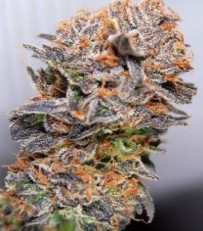
Querkle is a well-known indica-dominant hybrid cannabis strain bred by TGA Subcool Seeds. It is a cross between Purple Urkle and Space Queen, creating a strain famous for its deep purple hues, grape-like aroma, and potent effects. Querkle is highly regarded for its relaxing, sedative properties, making it a popular choice for both recreational and medical users. This guide delves deep into the genetic background, terpene profile, cannabinoid composition, medical benefits, recreational uses, and scientific insights into Querkle.
Genetic Lineage & Strain Profile
Querkle is a result of careful breeding by TGA Genetics, blending two well-respected strains:
- Purple Urkle – A legendary indica strain known for its grape and berry flavors, deep purple coloration, and sedative effects.
- Space Queen – A hybrid strain combining Romulan and Cinderella 99, contributing a cerebral uplift and fruity notes.
This combination results in a strain that retains the deep relaxation of Purple Urkle while incorporating the mental stimulation of Space Queen.
- Type: Indica-Dominant Hybrid (80% Indica, 20% Sativa)
- Genetics: Purple Urkle x Space Queen
- THC Content: 18% – 22% (Varies by phenotype and cultivation)
- CBD Content: <1%
- Flowering Time: 8 – 9 weeks
- Yield: Medium to High
- Appearance: Deep purple buds, dense structure, orange pistils
- Aroma & Flavor: Grape, Berry, Earthy, Citrus, Woody
- Effects: Relaxing, Euphoric, Sedative, Mildly Uplifting
- Best Used For: Evening/Nighttime Use
Terpene Profile
Terpenes play a crucial role in Querkle’s unique aroma and therapeutic effects. The dominant terpenes in Querkle include:
- Myrcene: (High concentration) Provides a sedative, couch-lock effect and enhances the absorption of cannabinoids.
- Limonene: Contributes a citrus aroma, offering mood-enhancing and anti-anxiety benefits.
- Pinene: Adds a woody, pine-like scent, helping with mental clarity and respiratory function.
- Caryophyllene: A spicy, peppery terpene that interacts with CB2 receptors, offering anti-inflammatory and pain-relief properties.
- Linalool: A floral terpene that induces calming, anti-anxiety, and anti-epileptic effects.
Effects & Recreational Uses
Querkle is known for its deeply relaxing and euphoric effects, making it a go-to strain for those seeking stress relief and a full-body high.

Recreational Effects:
- Euphoria & Happiness – Users experience an initial wave of happiness and bliss, attributed to its hybrid nature.
- Deep Relaxation – As the high progresses, full-body relaxation sets in, making it ideal for winding down.
- Mild Cerebral Stimulation – Space Queen’s influence provides a slight uplifting effect, but Querkle remains dominantly sedative.
- Couch-Lock & Sleepiness – In higher doses, Querkle can induce couch-lock, making it a perfect strain for evening use.
Best Activities for Querkle Use:
- Watching movies or TV
- Listening to music
- Meditation or yoga
- Creative brainstorming (early phase of the high)
- Unwinding after work
- Sleep aid for people who suffer from insomnia
Not Ideal For:
- Productivity-focused activities
- Social events requiring high energy
- Morning use (unless relaxation is the goal)
Medical Benefits of Querkle
Querkle is an indica-dominant hybrid strain known for its potent therapeutic effects, primarily due to its high THC content (18-22%), diverse terpene profile, and minor cannabinoid interactions. Its sedative, analgesic, and mood-enhancing properties make it a promising candidate for treating a range of neurological, psychological, and physiological conditions. Below is a scientific breakdown of how Querkle interacts with the body and its medical applications.
1. Mechanisms of Action in the Human Body
Querkle exerts its therapeutic effects by interacting with the endocannabinoid system (ECS), which regulates pain, mood, sleep, and immune function.
A. Endocannabinoid System (ECS) Modulation
- CB1 Receptors (Central Nervous System)
- When THC attaches to the brain’s CB1 receptors, it causes:
- CB2 Receptors (Peripheral Nervous System)
- Caryophyllene (terpene) binds to CB2 receptors, reducing:
- Inflammation
- Immune response hyperactivity
- Neuropathic pain signals
- Caryophyllene (terpene) binds to CB2 receptors, reducing:
B. Neurotransmitter Regulation
Querkle influences multiple neurotransmitter pathways, contributing to its therapeutic potential:
- Dopamine Release → Enhances mood, counteracts depression
- GABA Enhancement → Promotes relaxation, reduces anxiety & muscle spasms
- Serotonin Modulation → Helps with mood stabilization, reduces PTSD symptoms
- Adenosine Receptor Modulation → Induces sleep, aids insomnia treatment
2. Medical Applications
Due to its unique combination of cannabinoids and terpenes, Querkle is effective in neurological, psychiatric, and pain-related conditions.
A. Pain Management
Chronic pain relief is one of Querkle’s most significant medical applications, attributed to its THC, caryophyllene, and myrcene content.
1. Neuropathic Pain
- Mechanism:
- THC desensitizes TRPV1 receptors, reducing pain perception.
- Caryophyllene binds to CB2 receptors, reducing neuroinflammation.
- Conditions Treated:
- Fibromyalgia
- Multiple sclerosis (MS)-related pain
- Sciatica and peripheral neuropathy
2. Inflammatory Pain
- Mechanism:
- Myrcene and caryophyllene have COX-2 inhibition effects, reducing inflammation.
- Conditions Treated:
- Arthritis
- Crohn’s disease
- Post-surgical inflammation
3. Migraine Treatment
- Mechanism:
- THC reduces glutamate excitotoxicity, preventing migraine onset.
- Linalool promotes muscle relaxation, reducing migraine intensity.
B. Sleep Disorders & Insomnia
Querkle’s sedative effects make it an excellent choice for treating chronic insomnia and sleep disturbances.
- Mechanism of Action:
- CB1 activation enhances adenosine signaling, inducing drowsiness.
- Myrcene potentiates the sedative effect of THC, reducing sleep latency.
- CBN (Cannabinol) levels (1-2%) contribute to sedation, improving sleep quality.
- Conditions Treated:
- Chronic insomnia
- Sleep apnea
- PTSD-related nightmares
- Restless leg syndrome (RLS)
C. Anxiety, PTSD, & Depression
Querkle’s balanced THC-to-terpene ratio allows it to be effective in treating mood disorders, particularly those related to anxiety and stress.
1. Generalized Anxiety Disorder (GAD) & Social Anxiety
- Mechanism:
- Limonene increases serotonin activity, enhancing mood.
- Pinene counteracts THC-induced paranoia, making it safer than high-THC strains.
- Effects:
- Reduces racing thoughts and anxiety episodes.
- Promotes calmness without excessive sedation.
2. Post-Traumatic Stress Disorder (PTSD)
- Mechanism:
- THC disrupts traumatic memory retrieval in the amygdala.
- Linalool promotes GABAergic calming effects, reducing hypervigilance.
- Benefits:
- Reduces flashbacks and night terrors.
- Increases emotional stability.
3. Depression
- Mechanism:
- Dopamine release counteracts anhedonia (loss of pleasure).
- Limonene enhances serotonin activity, elevating mood.
- Effects:
- Boosts motivation & creativity (early-phase effects).
- Eases depressive thoughts (later-phase relaxation).
D. Appetite Stimulation & Gastrointestinal Disorders
Querkle is a potent appetite stimulant, making it useful for patients with gastrointestinal issues and cachexia.
- Mechanism of Action:
- THC binds to CB1 receptors in the hypothalamus, increasing hunger signals.
- Limonene modulates gut motility, reducing nausea.
- Conditions Treated:
- Chemotherapy-induced appetite loss
- Anorexia nervosa
- Irritable Bowel Syndrome (IBS)
- Crohn’s disease
- Gastroesophageal reflux disease (GERD)
E. Seizure & Neurological Disorders
Preliminary research suggests that Querkle may have anticonvulsant properties due to its cannabinoid-terpene synergy.
- Mechanism of Action:
- Linalool modulates GABA receptors, reducing seizure activity.
- CB1 activation dampens excessive neuronal firing, preventing seizures.
- Potential Applications:
- Epilepsy (including refractory epilepsy)
- Parkinson’s disease (reducing tremors)
- Multiple sclerosis (spasticity relief)
F. Cancer Symptom Management
Querkle does not cure cancer, but it provides symptomatic relief for chemotherapy patients.
- Key Benefits:
- Pain relief: Reduces chemotherapy-induced neuropathy.
- Nausea control: Limonene helps reduce vomiting.
- Appetite stimulation: THC promotes food intake.
- Mood enhancement: Helps counteract chemotherapy-related depression.
3. Potential Risks & Contraindications
Despite its therapeutic benefits, Querkle may not be suitable for all patients.
A. Potential Side Effects
- Drowsiness & Sedation: Avoid using before operating machinery.
- Dry Mouth & Dry Eyes: Common but manageable with hydration.
- Paranoia & Anxiety (High Doses):
- Less common due to pinene’s counteractive effects.
- Recommended low doses for anxiety-prone users.
B. Drug Interactions
- CNS Depressants (e.g., benzodiazepines, opioids): May cause excessive sedation.
- Blood Pressure Medications: May lead to hypotension (low BP).
- Antidepressants (SSRIs, MAOIs): Potential for serotonin interaction.
C. Contraindications
- Schizophrenia or Bipolar Disorder: May trigger psychosis in predisposed individuals.
- Pregnancy & Breastfeeding: THC may cross the placenta and affect fetal development.
- Heart Conditions: May cause mild tachycardia in sensitive users.
Scientific Insights: Cannabinoid & Pharmacological Considerations
Querkle’s efficacy comes from its cannabinoid-terpene synergy.
Cannabinoid Breakdown:
- THC (18-22%) – Primary psychoactive compound, responsible for pain relief, euphoria, and relaxation.
- CBD (<1%) – While low, it may still contribute to an “entourage effect” with terpenes.
- CBN (1-2%) – Known for its sedative properties, enhancing Querkle’s effectiveness as a sleep aid.
Pharmacological Effects:
- CB1 Receptor Activation:
- THC binds to CB1 receptors in the central nervous system, producing euphoria, pain relief, and sedation.
- CB2 Receptor Interaction:
- Caryophyllene interacts with CB2 receptors, leading to anti-inflammatory effects.
- Neurotransmitter Modulation:
- Limonene affects serotonin and dopamine levels, contributing to anti-anxiety and mood-enhancing properties.
- Synergistic Effects of Terpenes:
- Myrcene enhances THC penetration into the brain, increasing sedation and analgesia.
- Linalool and pinene counteract potential paranoia or anxiety.
Growing Information
Cultivating Querkle successfully requires a scientific approach that involves optimal environmental conditions, advanced growing techniques, nutrient management, and pest/disease control. Below is a detailed breakdown of best practices and the scientific principles behind them.
1. Optimal Growing Conditions
Querkle thrives in a controlled environment where factors such as temperature, humidity, light intensity, and nutrient availability are carefully regulated.
A. Temperature & Humidity Control
- Seedling Stage:
- Temperature: 70-78°F (21-26°C)
- Humidity: 65-70%
- Why? High humidity helps seedlings develop a strong root system by reducing transpiration stress.
- Vegetative Stage:
- Temperature: 72-82°F (22-28°C)
- Humidity: 55-65%
- Why? Slightly lower humidity encourages stronger stem and leaf development while preventing fungal issues.
- Flowering Stage:
- Temperature: 65-80°F (18-26°C)
- Humidity: 40-50%
- Why? Lower humidity prevents mold and bud rot while cooler nighttime temperatures enhance anthocyanin production, intensifying the purple coloration.
- Late Flowering (Ripening Phase):
- Temperature: 60-75°F (16-24°C)
- Humidity: 30-40%
- Why? Helps maximize resin production and terpene retention.
2. Light Requirements & Optimization
Querkle responds well to high-intensity light sources that mimic natural sunlight, which influences photosynthesis, terpene synthesis, and THC production.
A. Indoor Lighting Choices
- High-Pressure Sodium (HPS) Lights:
- Best for flowering (2700K spectrum) as it enhances bud density and resin production.
- LED Grow Lights:
- Full-spectrum LEDs (3500K-5000K) are ideal for both vegetative and flowering stages.
- Efficient in enhancing terpenes and cannabinoids due to optimized light spectra.
- Metal Halide (MH) Lights:
- Best for vegetative growth (6000K-6500K), promoting vigorous leaf and root development.
B. Light Cycles
- Vegetative Phase: 18-24 hours of light per day
- Flowering Phase: 12 hours light / 12 hours dark
- Why? The photoperiod shift to 12/12 mimics natural seasonal changes, triggering flowering hormone production (phytochromes and cryptochromes).
3. Advanced Cultivation Techniques
A. Screen of Green (ScrOG)
- Purpose: Maximizes canopy exposure to light, increasing bud sites.
- Scientific Basis: Trains branches horizontally, allowing even light distribution and improved photosynthetic efficiency.
B. Low-Stress Training (LST)
- Purpose: Bends and secures branches to enhance light penetration.
- Scientific Basis: Encourages auxin (growth hormone) redistribution, leading to more lateral growth and higher yields.
C. Defoliation & Pruning
- Purpose: Removes excess foliage for better air circulation.
- Scientific Basis: Reduces risk of mold and mildew, and redirects plant energy to bud production.
4. Nutrient Management
Querkle, like most cannabis strains, requires a balanced diet of macronutrients and micronutrients for optimal growth.
A. Macronutrient Requirements
- Nitrogen (N) – Essential for Vegetative Growth
- Involved in chlorophyll production, amino acids, and protein synthesis.
- High N levels are required during the vegetative stage (100-200 ppm).
- Sources: Organic compost, fish emulsion, bat guano.
- Phosphorus (P) – Root & Bud Development
- Stimulates root growth, flower formation, and energy transfer (ATP synthesis).
- Required in higher amounts during flowering stage (50-80 ppm).
- Sources: Bone meal, rock phosphate.
- Potassium (K) – Disease Resistance & Resin Production
- Regulates stomatal function, water uptake, and terpene synthesis.
- Required throughout the growth cycle but peaks in late flowering (150-200 ppm).
- Sources: Kelp meal, potassium sulfate.
B. Micronutrient Requirements
- Calcium (Ca): Strengthens cell walls, preventing bud rot.
- Magnesium (Mg): Essential for chlorophyll function.
- Iron (Fe): Crucial for enzyme function and energy metabolism.
C. pH Optimization
- Ideal pH Range: 5.8 – 6.5 (Hydroponics: 5.5 – 6.2)
- Why? Ensures optimal nutrient uptake.
- Adjustment Methods:
- pH Down: Phosphoric Acid
- pH Up: Potassium Silicate
5. Hydroponic vs. Soil Cultivation
A. Hydroponic Growing
- Pros:
- Quicker development as a result of direct nutritional absorption.
- Reduced risk of soil-borne pathogens.
- Cons:
- Requires strict pH and EC monitoring.
- Higher initial setup cost.
B. Soil-Based Growing
- Pros:
- More forgiving for beginners.
- Organic growing improves terpene complexity.
- Cons:
- Slower nutrient uptake.
- Increased risk of pests and soil-borne diseases.
6. Disease & Pest Management
Querkle is resistant to most pests, but preventive care is necessary.
A. Common Pests
- Spider Mites – Managed with neem oil, ladybugs, or pyrethrin-based sprays.
- Fungus Gnats – Controlled using sticky traps, diatomaceous earth, or Bacillus thuringiensis (BTI).
- Aphids – Eliminated using natural predators (lacewings, ladybugs).
B. Common Diseases
- Powdery Mildew – Prevented by controlling humidity & airflow.
- Root Rot (Pythium spp.) – Avoid overwatering and poor drainage.
- Bud Rot (Botrytis cinerea) – Prevented by maintaining low humidity and proper pruning.
7. Harvesting & Curing
Harvesting Querkle at the right time maximizes potency and terpene preservation.
A. Trichome Examination
- Clear Trichomes: Immature, lower THC.
- Milky Trichomes: Peak THC levels.
- Amber Trichomes: More CBN (sedative effects).
B. Drying & Curing Process
- Drying (7-10 days)
- Humidity: 45-55%
- Temperature: 65-70°F
- Airflow: Moderate (to prevent mold)
- Curing (2-4 weeks)
- Stored in glass jars (burped daily)
- Preserves terpenes & enhances smoothness
Conclusion
Querkle is a powerful indica-dominant hybrid that combines flavor, potency, and medicinal benefits. Its grape-like aroma, sedative effects, and ability to relieve pain and stress make it a sought-after strain for recreational and medical users alike. Due to its strong relaxing effects, it is best suited for evening use, particularly for managing pain, reducing tension, and promoting restful sleep. Whether for therapeutic use or simply unwinding after a long day, Querkle remains a standout strain in the cannabis community.
For a complete directory of cultivars, visit our Cannabis Strain Reviews.
