Table of Contents
Purple Wreck is an indica-dominant hybrid cannabis strain, widely appreciated for its sedative effects, vibrant appearance, and robust aroma. It originates from a cross between Purple Urkle and Trainwreck, combining the tranquilizing physical properties of the former with the cerebral stimulation of the latter. This synthesis produces a well-balanced strain with distinct recreational and therapeutic potential, particularly suited for individuals seeking physical relaxation without losing mental clarity.
Genetic Lineage
- Parent Strains:
- Purple Urkle: A renowned Californian indica, known for its dense purple buds and powerful sedative properties.
- Trainwreck: A hybrid leaning toward sativa dominance, celebrated for its euphoric, creative head high.
Strain Type
- Type: Indica-dominant hybrid
- Ratio: Approximately 70% indica / 30% sativa
Morphological and Sensory Characteristics
Appearance
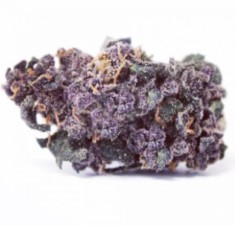
Purple Wreck boasts visually striking deep purple buds, often highlighted with green and orange pistils. Its flowers are typically compact and densely packed with a crystalline layer of trichomes, indicating high resin production.
Aroma and Flavor Profile
- Aroma: A blend of earthy sweetness, grape-like fruitiness, and pungent skunk with slight hints of pine and spice.
- Flavor: Sweet berries and grapes dominate the inhale, with undertones of herbal musk and subtle spice on the exhale.
Cannabinoid and Terpene Profile
Purple Wreck’s effects are heavily influenced by its unique blend of cannabinoids and terpenes. This combination plays a critical role in both its psychoactive properties and medicinal efficacy.
Cannabinoid Content
- THC: Ranges between 18–25%, typically around 21%
- CBD: Very low (<0.5%)
- CBG: Minor presence (~0.5–1%)
The high THC content makes it potent and fast-acting, suitable for both recreational euphoria and medical pain relief.
Dominant Terpenes
- Myrcene – Sedative and analgesic; enhances THC’s psychoactive effects
- Caryophyllene – Anti-inflammatory; interacts with CB2 receptors
- Limonene – Uplifting and anxiolytic; contributes to the fruity aroma
- Linalool – Calming; contributes to anti-anxiety and anti-insomnia effects
- Pinene – Enhances alertness; mitigates short-term memory loss from THC
Entourage Effect
The synergy between these terpenes and cannabinoids significantly boosts the therapeutic value of Purple Wreck. For instance, the myrcene and caryophyllene combination provides anti-inflammatory effects, while limonene and linalool work together to manage mood disorders.
Recreational Uses of Purple Wreck
1. Relaxation and Stress Relief
Purple Wreck is highly favored by recreational users for its intense relaxing body high. It tends to cause a “melt-into-the-couch” sensation, making it ideal for evenings or low-activity settings. The sedative nature often makes it a favorite for those looking to unwind after a long day.
2. Euphoric and Creative Boost
While primarily an indica, its Trainwreck heritage gives it a heady sativa twist. Users report enhanced creativity, light euphoria, and occasional fits of giggles. These effects are typically short-lived and give way to deep body sedation.
3. Sleep Aid
The heavy indica effects promote sleepiness, which many users exploit to enhance sleep onset and quality. Recreational consumers with disrupted sleep patterns often report marked improvements with nighttime use.
4. Social Use
Although not ideal for high-energy activities, Purple Wreck can be enjoyable in calm social settings where relaxing conversation or low-key entertainment is the focus. It promotes a sense of ease and peace, ideal for stress-free interactions.
Medical Uses of Purple Wreck
Purple Wreck’s medicinal efficacy is rooted in its high THC content, moderate CBG levels, trace CBD, and a terpene profile dominated by myrcene, caryophyllene, limonene, and linalool. Together, these compounds act on the endocannabinoid system (ECS) and various neurotransmitter systems to offer relief for multiple conditions.
Pain Management
Conditions Treated
- Neuropathic pain
- Arthritis
- Migraines
- Muscle spasms
- Fibromyalgia
Mechanisms of Action
- THC acts primarily as a partial agonist at CB1 receptors in the CNS, inhibiting nociceptive signaling by reducing glutamate and substance P release.
- Caryophyllene, a CB2 agonist, reduces inflammatory cytokines such as TNF-α and IL-6, particularly useful in rheumatic conditions.
- Myrcene enhances the permeability of the blood-brain barrier (BBB), allowing faster cannabinoid access, and exhibits intrinsic analgesic effects (possibly via TRPV1 and opioid pathways).
Scientific Support
- Preclinical models show synergistic analgesia when THC and β-caryophyllene are co-administered.
- Myrcene-rich strains have been shown to reduce pain perception in rodent models (Rao et al., 2019).
Anxiety, PTSD, and OCD
Conditions Treated
- Generalized Anxiety Disorder (GAD)
- Panic attacks
- PTSD-related flashbacks and hypervigilance
- Obsessive-compulsive behaviors
Mechanisms of Action
- Linalool enhances GABAergic transmission, promoting anxiolysis through positive allosteric modulation of GABA-A receptors, similar to benzodiazepines.
- Limonene interacts with serotonergic receptors (5-HT1A), showing antidepressant and anti-anxiety properties in animal models.
- THC dampens overactivity in the amygdala, a brain region hyperactive in anxiety and PTSD, though excessive dosing can have opposite effects.
Scientific Support
- Low-dose THC (≤7.5 mg) has been shown in human imaging studies to reduce amygdala reactivity.
- Studies on linalool show reduced anxiety-like behavior in mice (Linck et al., 2010).
- CB1 agonists like THC reduce fear memory reconsolidation, potentially beneficial for PTSD therapy.
Insomnia and Sleep Disorders
Conditions Treated
- Sleep-onset insomnia
- Sleep maintenance disorders
- Stress-related sleep disturbance
Mechanisms of Action
- THC shortens sleep latency and increases slow-wave sleep (SWS), promoting deeper, more restorative rest.
- Myrcene and linalool exhibit sedative-hypnotic activity, especially in synergy with THC.
- Purple Wreck’s high indica influence slows central nervous system activity via CB1 receptor binding.
Scientific Support
- Controlled studies have shown cannabis use decreases sleep onset time.
- Myrcene is shown to potentiate barbiturate-induced sleep (suggesting GABAergic modulation).
- Linalool has demonstrated sedative effects in multiple animal models and traditional medicine.
Appetite Stimulation (Cachexia, Anorexia, Cancer Patients)
Conditions Treated
- Chemotherapy-induced appetite loss
- AIDS-related cachexia
- Anorexia nervosa
Mechanisms of Action
- THC binds to CB1 receptors in the hypothalamus, stimulating orexigenic neuropeptides like NPY and AgRP, increasing appetite.
- THC also modulates dopamine signaling in the reward pathway, making food more pleasurable.
Scientific Support
- THC (as dronabinol) is FDA-approved for appetite stimulation in AIDS and cancer.
- Cannabis use correlates with increased caloric intake in multiple studies.
Depression and Mood Disorders
Conditions Treated
- Major depressive disorder (MDD)
- Bipolar depression (adjunctive)
- Situational depression
Mechanisms of Action
- THC increases synaptic dopamine, leading to improved mood and euphoria.
- Limonene inhibits monoamine oxidase, which increases serotonin and dopamine availability.
- CB1 receptor activation promotes neurogenesis in the hippocampus—a key site in depression pathology.
Scientific Support
- Animal studies show THC and limonene increase mobility in forced swim tests, an analog for antidepressant action.
- CB1 receptor stimulation is neuroprotective and enhances BDNF expression.
Note: While Purple Wreck can aid depression short term, high-THC strains may exacerbate symptoms in some individuals with bipolar disorder or psychotic features. Careful titration is essential.
Muscle Spasticity and Multiple Sclerosis
Conditions Treated
- MS-related spasticity
- ALS
- Cerebral palsy
Mechanisms of Action
- CB1 activation in motor neurons reduces excitatory input, relieving spasticity and pain.
- Caryophyllene and myrcene reduce inflammation in the central and peripheral nervous system.
- THC decreases muscle tone and hyperreflexia through central modulation.
Scientific Support
- Nabiximols (THC/CBD oral spray) is approved in the EU for MS-related spasticity.
- THC’s muscle relaxant properties are widely documented in clinical MS trials (Zajicek et al., 2012).
Migraine and Cluster Headaches
Conditions Treated
- Migraine with or without aura
- Cluster headaches
- Chronic tension headaches
Mechanisms of Action
- THC reduces CGRP release, a major trigger of migraines.
- Linalool and myrcene relax vascular smooth muscle and reduce inflammation.
- The endocannabinoid system modulates serotonin release, critical in migraine pathogenesis.
Scientific Support
- Surveys indicate cannabis reduces migraine frequency and intensity in many patients.
- Animal models show that CB1 agonism interrupts trigeminovascular activation.
Anti-inflammatory and Autoimmune Disorders
Conditions Treated
- Rheumatoid arthritis
- Crohn’s disease
- Ulcerative colitis
- Lupus (symptom control)
Mechanisms of Action
- CB2 receptor stimulation (caryophyllene) inhibits macrophage activation, reducing pro-inflammatory cytokines.
- THC suppresses T-cell proliferation and cytokine release, including IL-2 and IFN-γ.
- Limonene and myrcene show broad-spectrum anti-inflammatory effects through NF-κB and COX inhibition.
Scientific Support
- Studies have shown cannabis use correlates with symptom relief in IBD patients.
- CB2 agonists are in trials for reducing autoimmune inflammation without causing intoxication.
Antiemetic and Chemotherapy Support
Conditions Treated
- Nausea and vomiting from chemo or radiation
- Motion sickness
- Postoperative nausea
Mechanisms of Action
- THC acts on CB1 receptors in the medulla, blocking the vomiting reflex at the brainstem level.
- Linalool has antinociceptive and anti-nausea properties in rodent models.
Scientific Support
- Dronabinol and nabilone are approved synthetic THC analogs for CINV (chemotherapy-induced nausea and vomiting).
- Meta-analyses show cannabinoids are effective in reducing emetic episodes compared to conventional antiemetics.
Neuroprotective and Antioxidant Potential
Conditions Treated (Emerging):
- Alzheimer’s disease
- Parkinson’s disease
- Huntington’s disease
Mechanisms of Action
- THC and CBG reduce glutamate excitotoxicity, one of the primary causes of neurodegeneration.
- Antioxidant effects: Terpenes and cannabinoids scavenge ROS (Reactive Oxygen Species), limiting oxidative stress on neurons.
- CB2 activation in glial cells reduces neuroinflammation.
Scientific Support
- Lab studies show that THC reduces amyloid plaque accumulation and improves mitochondrial function in Alzheimer’s models.
- CBG is being investigated for motor control preservation in Huntington’s models.
Conclusion: Purple Wreck’s Role in Modern Cannabinoid Medicine
Purple Wreck delivers an impressive pharmacological profile driven by:
- High THC content for symptom relief
- Myrcene, linalool, and caryophyllene for synergistic anti-anxiety, anti-inflammatory, and sedative effects
- Trainwreck lineage for mental uplift and mood support
- Purple Urkle lineage for muscle relaxation and sleep induction
This strain is particularly suitable for patients with chronic pain, anxiety, insomnia, appetite loss, PTSD, and inflammatory conditions, and its broad utility is backed by both biochemical logic and anecdotal evidence.
Scientific Insights and Pharmacological Mechanisms
1. Cannabinoid Mechanisms
- THC binds to CB1 receptors in the brain, altering neurotransmitter release (particularly dopamine and GABA). This results in mood elevation, relaxation, and sedation.
- CBD, though minimal in Purple Wreck, modulates THC effects through negative allosteric modulation at CB1, reducing anxiety and psychosis risk.
- CBG shows neuroprotective potential and mild anti-anxiety effects, supplementing the strain’s therapeutic profile.
2. Terpene-Driven Pharmacology
- Myrcene increases cell membrane permeability, allowing more THC to cross the blood-brain barrier quickly.
- Caryophyllene acts as a selective CB2 receptor agonist, reducing inflammation without intoxicating effects.
- Linalool modulates serotonin receptors (e.g., 5-HT1A), contributing to its anti-anxiety and antidepressant action.
- Limonene inhibits monoamine oxidase, which can raise dopamine and serotonin levels in the brain.
- Pinene counteracts THC-induced memory deficits by inhibiting acetylcholinesterase.
3. Neurophysiological Effects
Animal studies and human imaging have shown that THC-rich strains like Purple Wreck:
- Boost the release of dopamine in the accumbens nucleus
- Reduce amygdala activity (leading to anxiolysis)
- Promote theta and delta brain waves during rest (contributing to sleep)
Cultivation and Grow Tips
Purple Wreck’s unique genetic makeup demands careful attention to environmental variables, plant training, and biochemical development. Below is a scientifically informed guide structured into key phases and components of growth:
Genetics and Phenotype Expression
- Genotype: Hybrid (Purple Urkle × Trainwreck)
- Phenotype: Indica-dominant with dense internodal spacing, purple coloration under cooler conditions, and high trichome density.
- Heterozygosity: Moderate — slight variation among phenotypes; selection for desirable traits is advised in cloning.
Scientific Implication: Select phenotypes with higher trichome density and purple coloration for optimal THC and anthocyanin yield.
Germination and Propagation
A. Seed Germination
- Temperature: 22–25°C (optimal enzymatic activity)
- RH: 80–90% during initial 72 hours
- Light: Darkness until radicle emergence
- Medium: Rockwool cubes or jiffy pellets for consistent moisture
B. Cloning (Vegetative Propagation)
- Mother Plant Selection: Choose high-yielding, terpene-rich females (confirmed via gas chromatography or organoleptic testing)
- Hormonal Rooting Agents: Indole-3-butyric acid (IBA) at 0.2–0.4% is optimal for root induction
- Humidity Dome: 95% RH for first 3–5 days, gradually reduced to 70%
Vegetative Growth Phase (Weeks 1–4)
Environmental Conditions
- Photoperiod: 18/6 (light/dark)
- PAR: 400–600 µmol/m²/s for optimal chlorophyll synthesis
- Temperature: 22–26°C (day), 18–20°C (night)
- Humidity: 60–70%
Nutrient Profile
- NPK Ratio: 3-1-2 during early veg, shifting to 4-2-3 by week 4
- Micronutrients: Zn, Fe, Mn, Cu critical for enzyme systems (SOD, catalase)
- pH Range:
- Soil: 6.2–6.5
- Hydro: 5.8–6.2
CO₂ Supplementation
- Optional, but increasing ambient CO₂ to 900–1200 ppm can increase biomass accumulation and growth rate by ~20–30%.
Training Techniques for Canopy Management
A. Low Stress Training (LST)
- Bending main and lateral branches to encourage lateral growth
- Improves light distribution and photosynthetic efficiency
B. Topping/FIMing
- Increases apical dominance dispersion
- Results in bushier plants with more cola sites
C. SCROG (Screen of Green)
- Best for Purple Wreck’s compact structure
- Ensures even light exposure and reduces mold risk
V. Flowering Phase (Weeks 5–9)
Photoperiod Shift
- Switch to 12/12 light/dark
- Initiates flowering via phytochrome regulation (specifically the Pr to Pfr ratio change)
Environmental Parameters
- Temp: 20–24°C (day), 17–19°C (night)
- RH: Gradually reduce from 60% to 45% by week 7
- VPD: Aim for 1.0–1.2 kPa to optimize transpiration
Nutrient Shift
- NPK Ratio: 1-3-2 to 0-3-3
- Magnesium and Sulfur: Crucial for terpene synthesis via the shikimic acid pathway
- Flush Phase (Week 8–9): Use reverse osmosis water or light molasses flush
Enhancing Cannabinoid and Terpene Expression
A. Light Spectrum
- Blue Light (400–500 nm): Encourages denser buds early in flower
- Red Light (620–700 nm): Promotes flowering hormones (phytochrome-mediated)
- UV-B (280–315 nm): Stimulates trichome and THC production via stress response (apply 2–3 hours/day during late flower)
B. Temperature Drop
- Reduce nighttime temps to 15–17°C in final 2 weeks to induce anthocyanin accumulation (purple coloration)
C. Stress Induction (optional)
- Slight water stress (lowering water availability slightly below field capacity) can increase resin production
- Use sparingly — stress must not impair photosynthesis
Harvesting Parameters
- Trichome Color:
- 10–20% amber for a sedative high
- 80–90% cloudy for peak THC content
- Peak Terpene Preservation: Harvest just before full oxidation — avoid excess ambering
Analytical Monitoring
- Gas Chromatography (GC) or HPLC: Ideal for testing THC/CBD/terpene levels prior to harvest
Curing and Storage
Curing Protocol
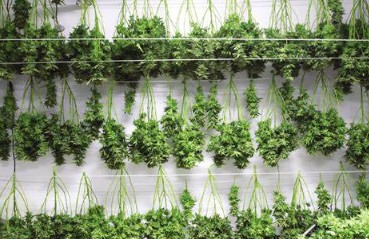
- Initial Drying: 10–14 days at 18–20°C, 55–60% RH
- Curing Jars: Open twice daily for first week, then once every 2–3 days
- Total Duration: Minimum 3 weeks for flavor and potency optimization
Storage Conditions
- Ideal: 16–20°C, 58–62% RH in glass jars
- Protection from:
- Light: UV degrades cannabinoids
- Oxygen: Oxidation reduces potency
Troubleshooting Common Cultivation Issues
| Issue | Cause | Solution |
|---|---|---|
| Bud rot | High RH late in flower | Improve airflow, lower RH to <45% |
| Nutrient burn | Overfeeding | Flush medium and recalibrate EC |
| Purple underdevelopment | Warm temps at night | Drop night temp to <18°C |
| Low terpene output | Inadequate stress, high RH | Introduce UV-B and reduce RH slightly |
Scientific Innovations for Purple Wreck Cultivation
1. Tissue Culture (Micropropagation)
- Used for virus-free, uniform clones
- Explant culture in Murashige and Skoog medium with cytokinin/auxin regulation
2. Genotyping and Chemotyping
- Genotypic selection via SNP analysis can identify high-THC or high-terpene individuals before flowering
- Chemotyping via HPLC or GC-MS confirms compound expression
3. Precision Irrigation
- Tensiometers and EC meters for soil moisture and salinity optimization
- Automated fertigation systems improve consistency
4. AI-Guided Grow Systems
- Cameras and sensors analyze canopy health, temperature, nutrient delivery, and light optimization
- Machine learning predicts harvest windows and yield based on data
Potential Side Effects and Precautions
While generally well-tolerated, Purple Wreck can cause some side effects, especially with higher doses.
Common Side Effects
- Dry mouth (xerostomia)
- Dry eyes
- Mild dizziness
Less Common but Notable Effects
- Paranoia or anxiety (in THC-sensitive users)
- Lethargy and impaired coordination
Precautions
- New users should start with low doses due to high THC content.
- Patients on antidepressants or antipsychotics should consult their physician due to potential serotoninergic or dopaminergic interactions.
- Avoid during pregnancy or breastfeeding due to the unknown long-term developmental effects of THC exposure.
Comparative Analysis with Related Strains
1. Purple Urkle vs. Purple Wreck
- Purple Urkle is more sedative and suited solely for night use.
- Purple Wreck offers more mental clarity and daytime functionality.
2. Trainwreck vs. Purple Wreck
- Trainwreck is more stimulating, prone to causing anxiety in some.
- Purple Wreck is smoother, with more balanced indica relaxation.
3. GDP (Granddaddy Purple) vs. Purple Wreck
- GDP provides deeper physical sedation and sleep.
- Purple Wreck offers a lighter, more euphoric high.
Conclusion
Purple Wreck is a high-potency, indica-dominant hybrid that serves both recreational and medical purposes with significant versatility. Its genetic makeup allows it to deliver potent relaxation, moderate euphoria, and deep analgesia while maintaining a pleasant sensory experience. For medical users, it offers symptom relief across pain, insomnia, anxiety, and appetite loss. For recreational users, it delivers a visually appealing, flavorful smoke with relaxing yet creative effects.
With proper dosage and use context, Purple Wreck can be a powerful ally for anyone seeking tranquility, healing, and peace of mind.
For a complete directory of cultivars, visit our Cannabis Strain Reviews.
