Table of Contents
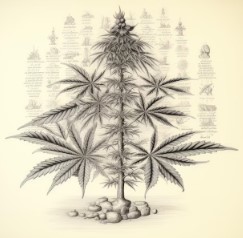
Purple Star is an indica-dominant hybrid cannabis strain known for its deep purple hues, potent effects, and unique terpene profile. It is highly regarded for its balance between relaxation and mild cerebral stimulation. The strain is popular among both medical and recreational users due to its strong effects, high resin production, and distinctive fruity and earthy aroma.
Genetics and Lineage
Purple Star is believed to be a cross between Purple Kush and Starfighter, two strains renowned for having a high THC content and strong indica effects. Some variations of the strain might also include genetic influences from Granddaddy Purple, a well-known indica with similar purple pigmentation and sedative effects.
Parent Strains:
- Purple Kush: An indica-dominant strain known for its deep body relaxation and sedative properties. It has a high myrcene content, contributing to its couch-lock effects.
- Starfighter: A balanced hybrid with euphoric and uplifting properties, adding a slight cerebral stimulation to Purple Star’s effects.
- Granddaddy Purple (possible influence): Famous for its purple color, sweet berry aroma, and full-body relaxation.
Appearance, Aroma, and Flavor
Appearance:
- Deep purple buds with hints of green and orange pistils
- Dense, resinous nugs covered in a thick layer of frosty trichomes
- Compact bud structure, characteristic of indica strains
Aroma Profile:
- Strong notes of berries and grapes
- Hints of earthy pine and spicy undertones
- Subtle floral and sweet scent
Flavor Profile:
- Sweet grape and berry taste on inhale
- Earthy and woody undertones on exhale
- A slight spicy kick due to its terpene composition
Cannabinoid and Terpene Profile
Purple Star is known for its moderate to high THC content, typically ranging between 18% and 24%, making it a potent strain for both medical and recreational use. It also contains trace amounts of CBD (0.5%-1%), which contributes to some of its therapeutic benefits.
Primary Cannabinoids:
- THC: 18-24%
- CBD: 0.5-1%
- CBG: 0.3-1.5% (anti-inflammatory and neuroprotective properties)
- CBN: <0.5% (may contribute to sedation)
Primary Terpenes:
- Myrcene: Sedative, pain relief, and anti-inflammatory properties
- Limonene: Uplifting, mood-enhancing, and anti-stress effects
- Caryophyllene: Anti-inflammatory, analgesic, and interacts with CB2 receptors
- Linalool: Relaxing, anti-anxiety, and potential anticonvulsant
- Pinene: Enhances focus, anti-inflammatory, and bronchodilator
Effects and Benefits
Recreational Effects:
Purple Star offers a well-balanced combination of indica relaxation with a mild euphoric head high, making it a versatile strain for different recreational users.
- Initial Effects: A gentle cerebral lift of Purple Star, inducing a sense of happiness and mild euphoria
- Mid-Phase: Relaxing body high, muscle tension relief, and an overall calming sensation
- Late Effects: Deep relaxation, possible couch-lock at higher doses, and sleepiness
- Best Time to Use: Evenings or nighttime due to its sedative properties
Medical Benefits:
Purple Star is widely used in the medical cannabis community due to its ability to relieve various physical and psychological ailments.
Pain Management:
- Effective for chronic pain, arthritis, fibromyalgia, and muscle spasms due to its strong analgesic effects.
- The presence of caryophyllene interacts with CB2 receptors, reducing inflammation and pain.
Anxiety and Stress Relief:
- The linalool and limonene combination helps in reducing anxiety, stress, and PTSD symptoms.
- Its mild euphoric effects can uplift mood and combat mild to moderate depression.
Insomnia Treatment:
- The high myrcene and CBN content contribute to sedation and improve sleep onset and quality.
- Suitable for people suffering from chronic insomnia.
Appetite Stimulation:
- Can help with appetite loss in patients undergoing chemotherapy or suffering from eating disorders.
- Increases hunger due to THC’s activation of CB1 receptors.
Nausea and Digestive Issues:
- Purple Star useful for gastrointestinal disorders, nausea, and vomiting, particularly in cancer patients and individuals with Crohn’s disease.
Neuroprotective Properties:
- Potential benefits of Purple Star for neurodegenerative diseases such as Alzheimer’s and Parkinson’s, due to CBG and THC’s neuroprotective effects.
- May help prevent seizures in epilepsy patients due to linalool and CBD content.
Ingestion Methods and Their Scientific Implications
The way Purple Star cannabis is consumed affects its absorption, metabolism, and effects on the body. The major methods include:
| Ingestion Method | Onset Time | Peak Effects | Duration | Bioavailability (%) |
|---|---|---|---|---|
| Smoking (Combustion) | 1-5 minutes | 30-60 minutes | 2-4 hours | 20-37% |
| Vaporization | 1-3 minutes | 30-60 minutes | 2-4 hours | 30-60% |
| Edibles (Oral Ingestion) | 30-90 minutes | 2-3 hours | 6-8 hours | 4-20% |
| Sublingual (Tinctures, Sprays) | 15-30 minutes | 45-90 minutes | 4-6 hours | 12-35% |
| Topicals (Lotions, Patches) | 30-60 minutes | Varies | 4-12 hours | <5% (except for transdermal patches) |
| Intranasal (Nasal Sprays) | 1-3 minutes | 10-30 minutes | 2-4 hours | 34-46% |
| Suppositories (Rectal/Vaginal) | 10-30 minutes | 30-60 minutes | 4-8 hours | 50-70% |
2. Smoking (Combustion)
Scientific Process:
- Smoking burns cannabis at 600-900°F (315-482°C), converting THCA into active THC via decarboxylation.
- The inhaled THC and other cannabinoids reach the lungs and enter the bloodstream within seconds.
- THC crosses the blood-brain barrier (BBB) rapidly, binding to CB1 receptors in the brain.
Onset, Peak, and Duration:
- Onset: 1-5 minutes
- Peak Effects: 30-60 minutes
- Duration: 2-4 hours
- Bioavailability: 20-37% (high variation based on technique and lung capacity).
Advantages:
- Fast-acting effects.
- High bioavailability compared to edibles.
- Easy to control dosage by stopping intake when desired effects are reached.
Disadvantages:
- Combustion of Purple Star produces carcinogens (benzene, toluene).
- May cause lung irritation and chronic respiratory issues.
3. Vaporization (Vaping)
Scientific Process:
- Vaporization of Purple Star heats cannabis to 300-450°F (149-232°C), which releases cannabinoids without combustion.
- It prevents the formation of harmful toxins, increasing efficiency and reducing respiratory risks.
- Vaporized cannabinoids reach peak blood plasma concentration faster than smoking.
Onset, Peak, and Duration:
- Onset: 1-3 minutes
- Peak Effects: 30-60 minutes
- Duration: 2-4 hours
- Bioavailability: 30-60% (higher than smoking).
Advantages:
- Higher efficiency of Purple Star and fewer harmful toxins than smoking.
- More flavor preservation due to lower temperatures.
- Reduced respiratory irritation.
Disadvantages:
- Vape cartridges may of Purple Star contain additives (propylene glycol, vitamin E acetate) that are harmful when inhaled.
- Requires a vaporizer device, increasing cost.
4. Edibles (Oral Ingestion)
Scientific Process:
- THC is first metabolized in the liver, converting into 11-hydroxy-THC, which is 5-10 times more psychoactive than delta-9-THC.
- This conversion prolongs and intensifies effects but delays onset.
Onset, Peak, and Duration:
- Onset: 30-90 minutes (depends on metabolism, stomach contents, and dose).
- Peak Effects: 2-3 hours.
- Duration: 6-8 hours (can extend up to 12 hours with high doses).
- Bioavailability: 4-20% (varies due to first-pass metabolism).
Advantages:
- Long-lasting effects.
- No respiratory risks.
- More potent due to liver metabolism (11-hydroxy-THC).
Disadvantages:
- Delayed onset increases risk of overconsumption.
- First-pass metabolism reduces bioavailability.
5. Sublingual (Tinctures, Sprays)
Scientific Process:
- THC absorbs through sublingual capillaries, bypassing first-pass metabolism.
- Leads to faster onset and higher bioavailability than edibles.
Onset, Peak, and Duration:
- Onset: 15-30 minutes.
- Peak Effects: 45-90 minutes.
- Duration: 4-6 hours.
- Bioavailability: 12-35%.
Advantages:
- Faster effects than edibles.
- Discreet and precise dosing.
- No lung irritation.
Disadvantages:
- Slight burning sensation in the mouth.
- Purple Star requires holding under the tongue for 30-60 seconds for best absorption.
6. Topicals (Lotions, Patches)
Scientific Process:
- THC and cannabinoids penetrate the skin barrier but do not reach the bloodstream (except transdermal patches).
- Bind to CB2 receptors in the skin to reduce localized pain and inflammation.
Onset, Peak, and Duration:
- Onset: 30-60 minutes.
- Peak Effects: Varies.
- Duration: 4-12 hours.
- Bioavailability: <5% (unless transdermal, which can be up to 40%).
7. Intranasal (Nasal Sprays)
Scientific Process:
- THC is absorbed through nasal mucosa, bypassing first-pass metabolism.
- Leads to fastest onset apart from smoking/vaping.
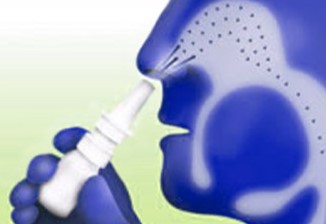
Onset, Peak, and Duration:
- Onset: 1-3 minutes.
- Peak Effects: 10-30 minutes.
- Duration: 2-4 hours.
- Bioavailability: 34-46%.
8. Suppositories (Rectal/Vaginal)
Scientific Process:
- THC bypasses first-pass metabolism, entering the bloodstream directly through rectal or vaginal absorption.
Onset, Peak, and Duration:
- Onset: 10-30 minutes.
- Peak Effects: 30-60 minutes.
- Duration: 4-8 hours.
- Bioavailability: 50-70% (highest among ingestion methods).
Potential Side Effects
Like all cannabis strains, Purple Star comes with some potential side effects, particularly at higher doses.
- Dry Mouth (Cottonmouth): Common due to THC’s effect on saliva production.
- Dry Eyes: Can cause irritation and redness; using eye drops can help.
- Dizziness: High doses may induce mild dizziness, especially in beginners.
- Paranoia/Anxiety: Rare, but possible in users sensitive to THC.
- Couch-Lock: Higher doses can lead to excessive sedation and lack of motivation.
Growing Information
Purple Star is a relatively easy strain to grow, making it suitable for both novice and experienced cultivators. It thrives in indoor and outdoor environments, with optimal conditions being warm and humid climates.
Optimizing Growth Medium
The choice of growing medium plays a critical role in nutrient absorption, root development, and overall plant health.
a) Soil Cultivation
- Use organic, well-aerated soil with a mix of perlite, coco coir, and compost to maintain oxygen levels.
- pH: 6.0-6.5 (slightly acidic) for optimal nutrient uptake.
- Enrich with microbial life (mycorrhizal fungi & beneficial bacteria) to enhance root absorption.
- Recommended organic amendments: Bat guano, kelp meal, worm castings, bone meal.
b) Hydroponic Cultivation
- Purple Star thrives in Deep Water Culture (DWC) and Nutrient Film Technique (NFT) due to its high nutrient demand.
- pH: 5.5-6.0 for hydroponic setups.
- Essential nutrients: N-P-K (Nitrogen-Phosphorus-Potassium) at 3:1:2 ratio in veg stage, 1:3:2 in flowering.
- EC levels: Maintain 1.2–1.8 mS/cm (electrical conductivity) for precise nutrient management.
c) Aeroponics
- Delivers nutrients directly to roots in a mist form, improving oxygenation and accelerating growth.
- Requires precise humidity and pH control (5.5-6.0).
- Increases trichome production by reducing soil-borne pathogens and improving terpene expression.
2. Climate and Environmental Control
Purple Star is indica-dominant, meaning it prefers cooler climates with controlled humidity levels.
a) Temperature Requirements
- Vegetative stage: 70-80°F (21-27°C) during the day, 60-70°F (15-21°C) at night.
- Flowering stage: Reduce nighttime temperatures to 55-65°F (13-18°C) to enhance anthocyanin production, which boosts purple pigmentation.
b) Humidity Control
- Vegetative stage: 50-60% RH (Relative Humidity).
- Flowering stage: Gradually reduce to 40-45% RH to prevent mold and bud rot.
- Late flowering: Reduce humidity further to 30-40% RH to enhance resin and terpene production.
c) Air Circulation & CO₂ Supplementation
- Use oscillating fans and inline exhaust systems for air movement to prevent fungal issues.
- Increase CO₂ levels to 1000-1200 ppm during vegetative and early flowering to boost photosynthesis and yield.
3. Light Requirements
Purple Star responds well to intense lighting with a well-structured light spectrum.
a) Indoor Grow (LED vs. HPS)
- LED Grow Lights: Full-spectrum LEDs (3000K-4000K) improve trichome and terpene production while reducing heat stress.
- HPS (High-Pressure Sodium) Lights: Ideal for maximizing yield but generates more heat. Requires cooling solutions.
- Recommended PPFD (Photosynthetic Photon Flux Density): 600-800 μmol/m²/s in veg, 900-1200 μmol/m²/s in flowering.
b) Outdoor Cultivation
- Requires 8-12 hours of direct sunlight for maximum cannabinoid expression.
- Best suited for Mediterranean and temperate climates.
- Cold night temperatures enhance purple hues and resin production.
4. Nutrient and Feeding Schedule
a) Macronutrient Needs
- Nitrogen (N): Vital during the vegetative stage for foliage growth.
- Phosphorus (P): Essential for root and flower development.
- Potassium (K): Enhances resin production and resistance to disease.
b) Micronutrients
- Calcium (Ca): Prevents bud rot and strengthens cell walls.
- Magnesium (Mg): Boosts chlorophyll production, improving photosynthesis.
- Sulfur (S): Enhances terpene synthesis.
5. Pruning, Training, and Yield Optimization
Training techniques help maximize yield, bud density, and light penetration.
a) Low-Stress Training (LST)
- Bending branches outward to increase light exposure and bud sites.
- Reduces risk of light burn and mold.
b) High-Stress Training (HST)
- Topping (cutting the main stem) forces lateral growth, creating multiple colas.
- Supercropping (gentle stem bending) strengthens plant structure and increases yield.
c) Defoliation
- Removing excess fan leaves during mid-flowering improves airflow and prevents mold.
6. Harvesting and Curing
a) Harvest Timing
- Ideal THC levels: Harvest when trichomes shift from clear to cloudy/milky.
- For higher CBD content, harvest when trichomes turn amber.
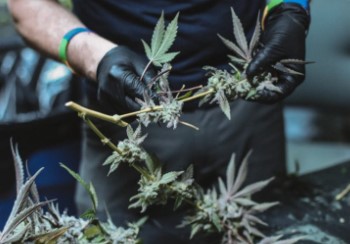
b) Drying Process
- Temperature: 60-70°F (15-21°C).
- Humidity: 50-60%.
- Hang buds upside down for 7-14 days in a dark, well-ventilated area.
c) Curing Process
- Store in glass jars at 60-65% RH for 2-4 weeks.
- For the first week, burp jars every day to get rid of extra moisture.
Comparisons with Similar Strains
| Feature | Purple Star | Granddaddy Purple | Purple Kush | Starfighter |
|---|---|---|---|---|
| Genetics | Purple Kush × Starfighter | Purple Urkle × Big Bud | Hindu Kush × Purple Afghani | Alien Tahoe OG × Lemon Alien Dawg |
| THC % | 18-24% | 17-23% | 18-22% | 20-25% |
| Effects | Relaxing, Euphoric, Sedative | Deep Relaxation, Euphoric, Sleepy | Full-Body Relaxation, Sedative | Happy, Uplifting, Relaxing |
| Best For | Pain, Anxiety, Insomnia | Stress, Pain, Insomnia | Chronic Pain, Insomnia | Creativity, Mild Relaxation |
| Flavor | Berry, Earthy, Sweet | Grape, Sweet, Earthy | Earthy, Pungent, Grape | Lemon, Diesel, Sweet |
Conclusion
Purple Star is a well-balanced indica-dominant hybrid that offers both recreational and medical benefits. Its deep relaxation, pain-relieving properties, and mild cerebral effects make it a go-to strain for many users. With its high resin production, unique terpene profile, and relatively easy cultivation process, Purple Star remains a highly sought-after strain in the cannabis market.
For a complete directory of cultivars, visit our Cannabis Strain Reviews.
