Table of Contents
Purple Sage is a lesser-known but highly revered cannabis strain that combines the genetics of two powerful strains to create a well-balanced hybrid. With a rich terpene profile, potent effects, and distinctive coloration, Purple Sage has gained popularity among both recreational and medical users. This guide provides an in-depth look at its origins, genetic lineage, chemical composition, medical and recreational applications, and cultivation information.
Genetic Lineage and Background
Purple Sage is a hybrid strain derived from the crossbreeding of Sage (Sativa Afghani Genetic Equilibrium) and Purple Kush. This lineage contributes to its balanced effects, offering both cerebral stimulation and deep body relaxation. The strain typically exhibits 60% Sativa and 40% Indica characteristics, making it versatile for various uses.
- Parent Strains:
- Sage: Known for its potent cerebral effects, Sage is a Sativa-dominant hybrid with a spicy, herbal aroma.
- Purple Kush: A pure Indica strain famous for its deep relaxation and sedative properties, contributing to Purple Sage’s physical effects and purple hues.
Appearance, Aroma, and Flavor
Appearance
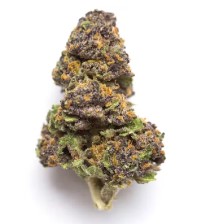
Purple Sage produces dense, medium-sized buds with a striking purple hue, thanks to the anthocyanin pigments activated by colder temperatures during cultivation. The nugs are covered in a frosty layer of trichomes, indicating high resin production.
Aroma Profile
- Earthy and woody, reminiscent of its Kush heritage.
- Herbal and spicy undertones from its Sage parentage.
- Subtle hints of grape and berry, adding a sweet note to its scent profile.
Flavor Profile
- Initial sweet and fruity taste on the inhale.
- Spicy sage and earthy undertones on the exhale.
- A lingering herbal and piney aftertaste.
Cannabinoid and Terpene Profile
Purple Sage is known for its moderate to high potency, with THC levels ranging between 18-22% and CBD levels below 1%. This makes it a primarily psychoactive strain with minimal CBD presence.
Cannabinoid Content
- THC: 18-22%
- CBD: 0.1-1%
- CBG: ~1%
- THCV: <1%
Terpene Profile
- Myrcene – Promotes sedation, muscle relaxation, and anti-inflammatory effects.
- Limonene – Enhances mood and reduces stress and anxiety.
- Pinene – Supports memory retention and counteracts THC’s cognitive impairment.
- Caryophyllene – Offers pain relief and acts as an anti-inflammatory agent.
- Linalool – Provides calming and anti-anxiety benefits.
Medical Applications
Purple Sage has been widely recognized for its medicinal benefits, catering to patients seeking relief from both physical and psychological ailments.
Physical Benefits
- Pain Management
- Effective against chronic pain, arthritis, migraines, and muscle spasms due to its high THC and myrcene content.
- Works as a natural analgesic, reducing discomfort without the need for opioids.
- Anti-Inflammatory Effects
- Beneficial for conditions like fibromyalgia, multiple sclerosis, and inflammatory bowel disease (IBD).
- Caryophyllene and myrcene work synergistically to reduce swelling and discomfort.
- Appetite Stimulation
- THC-rich strains like Purple Sage can help stimulate appetite in individuals with eating disorders or undergoing chemotherapy.
- Nausea and Gastrointestinal Relief
- Useful for nausea, motion sickness, and Crohn’s disease due to its anti-emetic properties.
Mental Health Benefits

- Stress and Anxiety Reduction
- Limonene and linalool provide calming effects that alleviate symptoms of generalized anxiety disorder (GAD) and social anxiety.
- Induces euphoric yet balanced relaxation, preventing overwhelming sedation.
- Depression Management
- Acts as a mood stabilizer, enhancing dopamine production and reducing symptoms of depression.
- Helps combat fatigue and mental sluggishness, making it ideal for daytime use.
- ADHD and Focus Enhancement
- Promotes mental clarity and concentration without causing excessive sedation.
- The pinene content supports cognitive function and memory retention.
- Sleep Aid (Insomnia Relief)
- Higher doses may induce deep relaxation and sleep, helping patients with chronic insomnia.
Recreational Uses
Purple Sage is an excellent choice for balanced recreational enjoyment, providing an uplifting and creative experience while also delivering physical relaxation.
Best Activities for Purple Sage
- Creative Pursuits: Enhances artistic inspiration, writing, and brainstorming.
- Social Settings: Eases social anxiety, making conversations more engaging.
- Outdoor Activities: Ideal for hiking, yoga, or meditative walks due to its calming yet energetic effects.
- Gaming & Entertainment: Amplifies enjoyment in movies, video games, and music.
- Relaxation & Meditation: Helps achieve deep relaxation without full couch-lock.
Potential Side Effects
While Purple Sage is well-tolerated, some users may experience mild adverse effects, including:
- Dry mouth and dry eyes (common with THC-rich strains).
- Dizziness or mild headaches (if consumed in high doses).
- Paranoia or anxiety (in users sensitive to THC or prone to anxiety disorders).
- Increased appetite (munchies), which may be a concern for those monitoring calorie intake.
Cultivation Information
Purple Sage is moderately easy to cultivate and thrives both indoors and outdoors with the right conditions.
Cultivating Purple Sage cannabis strain successfully requires a combination of optimized environmental controls, nutrient management, and advanced cultivation techniques. Below is a breakdown of scientifically backed methods to enhance yield, potency, and terpene production.
1. Growing Medium Selection
A. Soil Cultivation
Soil-based growing is a preferred method for cultivators who prioritize natural terpene expression. Using organic, living soil enhances the strain’s flavor and overall chemical profile.
- Best Soil Type: Loamy soil with a balanced mix of sand, silt, and clay for optimal aeration and moisture retention.
- Soil pH: Maintain between 6.0-6.8 for maximum nutrient absorption.
- Microbial Enrichment: Adding mycorrhizal fungi, beneficial bacteria, and compost teas improves nutrient uptake.
B. Hydroponic Systems
Hydroponic cultivation allows for faster growth rates and precise nutrient control. Purple Sage thrives in hydroponics when oxygenation and nutrient delivery are optimized.
- Best Hydroponic Setup: Deep Water Culture (DWC) or Nutrient Film Technique (NFT).
- Water pH: Keep at 5.5-6.0.
- Essential Nutrients: Calcium, Magnesium, Nitrogen, Phosphorus, and Potassium (NPK 4:3:6).
- EC (Electrical Conductivity): Maintain at 1.5-2.2 mS/cm.
2. Light Spectrum and Photoperiod Control
A. Optimal Light for Indoor Cultivation
- Vegetative Stage: 18-24 hours of light (400-700 PPFD) using full-spectrum LED or Metal Halide (MH) lights.
- Flowering Stage: 12/12 light cycle (700-1000 PPFD) with HPS (High-Pressure Sodium) or LED with far-red spectrum.
- UV-B Exposure: Brief UV-B light exposure during flowering boosts trichome production and THC concentration.
B. Outdoor Cultivation Considerations
- Best Climate: Mediterranean (Temperatures between 70-80°F / 21-27°C).
- Sunlight Exposure: Requires direct sunlight for at least 10 hours/day.
- Temperature Management: Prevent heat stress above 85°F (29°C) and cold stress below 55°F (13°C).
- Cold Shock for Purple Pigmentation: Lowering nighttime temperatures below 60°F (16°C) in late flowering enhances anthocyanin production, intensifying purple hues.
3. Advanced Cultivation Techniques
A. Low-Stress Training (LST)
- Goal: Encourages lateral growth, increasing light penetration and yield.
- Method: Use soft plant ties to bend branches outward, promoting even canopy development.
B. Screen of Green (ScrOG)
- Goal: Maximizes yield per square meter by optimizing canopy spread.
- Method: Place a horizontal net (trellis) above the plants and weave branches through the net.
C. Defoliation and Pruning
- Defoliation: Removes excess fan leaves to improve air circulation and light penetration.
- Topping & FIMming: Encourages multiple colas, leading to higher bud production.
4. Watering and Nutrient Management
A. Irrigation Schedule
- Soil: Water every 2-3 days or when topsoil feels dry.
- Hydroponics: Use pH-balanced nutrient solution with constant oxygenation.
B. Nutrient Requirements per Growth Stage
| Growth Stage | Nitrogen (N) | Phosphorus (P) | Potassium (K) | Additional Nutrients |
|---|---|---|---|---|
| Seedling | Low | Medium | Medium | Mycorrhizae, Silica |
| Vegetative | High | Medium | High | Calcium, Magnesium |
| Pre-Flower | Medium | High | Very High | Humic Acid, Zinc |
| Flowering | Low | Very High | Extremely High | Sulfur, Boron |
- Avoid Overfeeding: Nutrient burn in Purple Sage can be identified by yellow leaf tips.
- Flush Before Harvest: Use pure water for the last 10-14 days before harvesting to remove excess salts.
5. Pest and Disease Management
A. Common Pests and Natural Solutions
| Pest | Symptoms | Control Method |
|---|---|---|
| Spider Mites | White spots, webbing on leaves | Neem oil, predatory mites |
| Aphids | Yellowing, stunted growth | Ladybugs, insecticidal soap |
| Fungus Gnats | Root rot, drooping plants | Drying topsoil, sticky traps |
B. Disease Prevention
- Botrytis (Bud Rot): Prevent high humidity in Purple Sage flowering phase (below 50% RH).
- Powdery Mildew: Use silica-based foliar sprays and maintain airflow with oscillating fans.
6. Harvesting and Post-Harvest Techniques
A. Identifying Harvest Readiness
- Trichomes: Check under Purple Sage a jeweler’s loupe (60x magnification) for cloudy/milky trichomes with some turning amber.
- Pistils: When 70-80% of pistils turn orange-brown, it’s time to harvest.
B. Drying & Curing for Maximum Potency
- Drying Room Conditions:
- Temperature: 60-70°F (15-21°C)
- Humidity: 50-60% RH
- Airflow: Gentle ventilation to prevent mold growth.
- Curing Process:
- Store buds in glass jars with 58-62% humidity packs.
- Open jars daily for the first 2 weeks to release moisture.
- Curing for 4-6 weeks enhances flavor and potency.
7. Yield Optimization Techniques
A. CO₂ Supplementation
- Best Levels: 1000-1500 PPM CO₂ boosts photosynthesis and yields by up to 30%.
- Method: Use CO₂ tanks, mushroom bags, or controlled CO₂ generators in sealed grow spaces.
B. Light Distance and PPFD Optimization
- Vegetative Stage: Keep LEDs or HPS lights 24-30 inches above plants.
- Flowering Stage: Reduce to 18-24 inches to increase bud density.
Scientific Studies and Future Research
Preliminary studies indicate that strains with high terpene and cannabinoid diversity, like Purple Sage, offer therapeutic potential for pain relief, neuroprotection, and mood disorders. Future research should focus on entourage effects, dose-dependent benefits, and terpene synergy to optimize medical applications.
Ongoing Research Areas
- THC and Myrcene Interactions of Purple Sage for enhanced pain relief.
- Limonene and Anxiety Reduction mechanisms.
- CBG and Neuroprotection in neurodegenerative disorders like Alzheimer’s and Parkinson’s.
Methods of Ingestion
Purple Sage cannabis can be consumed using several methods, each affecting absorption rate, onset, and duration. The primary methods include:
A. Inhalation (Smoking/Vaporization)
One of the most common ways to consume cannabis, inhalation provides rapid onset and is often preferred for immediate relief.
1. Smoking (Joints, Pipes, Bongs)
- Mechanism: Combustion releases THC, terpenes, and cannabinoids, which are inhaled into the lungs and absorbed into the bloodstream via alveolar exchange.
- Onset Time: 1-5 minutes
- Peak Effects: 15-30 minutes
- Duration: 2-4 hours
- Bioavailability: ~25-30% THC absorption due to combustion losses.
2. Vaporization (Dry Herb Vaping, Oil Vapes)
- Mechanism: Heats cannabis below combustion temperature (180-220°C or 356-428°F), preserving terpenes and cannabinoids while reducing toxins.
- Onset Time: 1-3 minutes
- Peak Effects: 10-20 minutes
- Duration: 3-5 hours
- Bioavailability: ~40-60% THC absorption due to efficient vaporization.
Scientific Insight:
- Studies show vaporization reduces respiratory toxins compared to smoking.
- Terpene preservation enhances entourage effects and modulates THC intensity.
B. Oral Consumption (Edibles, Capsules, Tinctures)
Oral ingestion delays onset due to hepatic metabolism but provides longer-lasting effects.

1. Edibles (Gummies, Brownies, Infused Food)
- Mechanism: THC undergoes first-pass metabolism in the liver, converting to 11-hydroxy-THC, which is 5-10 times more potent than regular THC.
- Onset Time: 30-90 minutes (depending on metabolism and stomach content).
- Peak Effects: 2-3 hours
- Duration: 6-12 hours
- Bioavailability: 4-20% (lower due to metabolic breakdown).
2. Capsules & Pills
- Mechanism: Similar to edibles but with a controlled release.
- Onset Time: 45-120 minutes
- Peak Effects: 2-4 hours
- Duration: 6-12 hours
- Bioavailability: 6-15%
3. Sublingual (Tinctures, Sprays)
- Mechanism: Direct absorption into the bloodstream through mucous membranes in the mouth, bypassing liver metabolism.
- Onset Time: 15-45 minutes
- Peak Effects: 1-2 hours
- Duration: 4-6 hours
- Bioavailability: ~35%
Scientific Insight:
- Sublingual absorption is significantly faster than edibles due to direct bloodstream absorption.
- 11-hydroxy-THC from edibles has stronger psychoactive effects due to enhanced BBB (blood-brain barrier) penetration.
C. Topical Application (Creams, Lotions, Patches)
Topicals are ideal for localized pain relief without psychoactive effects unless formulated for transdermal absorption.
1. Standard Topicals (Balms, Creams)
- Mechanism: Without going into the bloodstream, cannabinoids interact with the skin’s CB2 receptors.
- Onset Time: 5-20 minutes
- Duration: 2-6 hours
- Bioavailability: Minimal systemic absorption (localized effects only).
2. Transdermal Patches
- Mechanism: Penetrates skin barrier into the bloodstream for systemic effects.
- Onset Time: 20-60 minutes
- Duration: 8-12 hours
- Bioavailability: ~50% (steady release over time).
Scientific Insight:
- Topicals do not induce psychoactive effects unless formulated for transdermal absorption.
- CBD topicals have demonstrated anti-inflammatory and analgesic benefits in clinical studies.
2. Comparative Analysis: Onset, Duration, and Bioavailability
| Consumption Method | Onset Time | Peak Effects | Duration | Bioavailability (%) |
|---|---|---|---|---|
| Smoking (Joints, Bongs) | 1-5 min | 15-30 min | 2-4 hrs | 25-30% |
| Vaporization (Dry Herb, Oil) | 1-3 min | 10-20 min | 3-5 hrs | 40-60% |
| Edibles (Gummies, Brownies) | 30-90 min | 2-3 hrs | 6-12 hrs | 4-20% |
| Capsules/Pills | 45-120 min | 2-4 hrs | 6-12 hrs | 6-15% |
| Sublingual (Tinctures, Sprays) | 15-45 min | 1-2 hrs | 4-6 hrs | ~35% |
| Topicals (Creams, Lotions) | 5-20 min | 30 min – 1 hr | 2-6 hrs | Minimal (localized) |
| Transdermal Patches | 20-60 min | 1-2 hrs | 8-12 hrs | ~50% |
3. Factors Affecting Onset and Duration
Several factors influence how long Purple Sage’s effects last and how quickly they take effect:
A. Metabolism and Body Composition
- Faster metabolism = quicker onset, shorter duration.
- Higher body fat = longer duration (THC stored in fat cells).
B. Food Intake
- Empty stomach = faster onset (edibles absorb quicker).
- High-fat meals = increased THC absorption and prolonged effects.
C. Tolerance Level
- Frequent users develop higher tolerance, leading to shorter durations and reduced intensity.
- Occasional users experience longer-lasting, stronger effects.
D. Terpene Interactions & Entourage Effect
- Myrcene: Enhances THC absorption, making onset faster.
- Limonene: Modulates psychoactive effects, increasing mood enhancement.
- Pinene: Reduces cognitive impairment, balancing THC’s effects.
Conclusion
Purple Sage is a unique hybrid strain that offers a perfect balance between cerebral stimulation and physical relaxation. Whether for medical relief or recreational enjoyment, this strain provides an enjoyable and therapeutic cannabis experience. With its rich terpene profile, potent effects, and striking appearance, Purple Sage remains an excellent choice for cannabis enthusiasts and medical patients alike.
Key Takeaways
- THC: 18-22%, CBD: <1%.
- Balanced effects: Uplifting yet relaxing.
- Medical uses: Pain relief, stress reduction, appetite stimulation, and sleep aid.
- Best for: Creative activities, relaxation, social settings.
- Cultivation: Moderate difficulty, high yields, and strong resistance to pests.
Whether you seek therapeutic benefits or a smooth, enjoyable high, Purple Sage is a versatile strain that delivers on multiple fronts.
For a complete directory of cultivars, visit our Cannabis Strain Reviews.
