Table of Contents
Purple OG Kush is a powerful indica-dominant hybrid known for its deep relaxation effects, distinct purple hues, and earthy, sweet flavor profile. It merges two iconic strains—Purple Kush and OG Kush—to produce a cultivar rich in cannabinoids and terpenes, ideal for both medical and recreational users. Purple OG Kush exemplifies the therapeutic potential of modern cannabis hybrids, with strong sedative properties, analgesic effects, and a uniquely calming high that appeals to a wide user base.
Genetic Lineage and Breeding
Purple OG Kush is bred from:
- Purple Kush: A pure indica originating from the Hindu Kush region and Afghani landraces, known for its sedative effects, purple coloration, and hashy flavor.
- OG Kush: A hybrid (possibly Chemdawg × Hindu Kush × Lemon Thai) revered for its high THC content and euphoric cerebral buzz.
Purple OG Kush fusion results in a plant with:
- Indica dominance: Typically 75–80% indica / 20–25% sativa
- THC range: 18% to 24%
- CBD content: Low (<1%), though some phenotypes may show trace levels
- CBN/CBC: Occasionally present in measurable quantities, contributing to its sedative effects
Cannabinoid Profile
Primary Cannabinoids
- THC (Δ9-tetrahydrocannabinol): 18–24%
- In Purple OG Kush mainly attaches itself to central nervous system CB1 receptors.
- Induces euphoria, analgesia, sedation, and appetite stimulation
- CBD (Cannabidiol): <1%
- Modulates THC’s psychoactivity
- Reduces inflammation and anxiety
- CBN (Cannabinol): <0.5%
- Mildly psychoactive and sedative; enhances sleep quality
- CBC (Cannabichromene): Trace
- Anti-inflammatory and mood-elevating
Entourage Effect
Purple OG Kush benefits from entourage synergy, whereby its cannabinoids and terpenes enhance each other’s effects. For instance, myrcene and THC co-act to deepen sedation and analgesia.
Terpene Profile
Primary Terpenes
- Myrcene
- Sedative, muscle-relaxant
- Facilitates THC transport across the blood-brain barrier
- Flavors: earthy, musky, grape
- Limonene
- Purple OG Kush in antidepressant, anxiolytic
- Boosts mood and cognitive function
- Flavors: citrus, sweet
- Caryophyllene
- Analgesic, anti-inflammatory
- Binds to CB2 receptors
- Flavors: peppery, spicy
- Linalool
- Calming, antianxiety
- Synergizes with THC for tranquil effects
- Flavors: floral, lavender
- Humulene
- Anti-inflammatory, appetite suppressant
- Flavors: earthy, woody
This terpene blend not only shapes the sensory experience but also tailors Purple OG Kush’s medical utility, especially in pain, stress, and insomnia management.
Aroma, Flavor, and Appearance
- Aroma: Earthy, piney, with notes of sweet grape, fuel, and citrus
- Flavor: A mix of berry sweetness, herbal hash, and subtle skunky undertones
- Appearance: Deep purple buds (due to anthocyanin pigments), thick resin coating, orange pistils, and dense structure
These sensory properties contribute to Purple OG Kush’s appeal among recreational users who value a rich, flavorful smoke or vapor.
Medical Applications
Purple OG Kush is a THC-dominant, indica-leaning hybrid with a rich terpene profile (notably myrcene, linalool, limonene, and caryophyllene), making it highly effective for a broad range of physical and neuropsychiatric conditions. Though it contains low CBD, its effects are significantly shaped by entourage interactions between THC and non-cannabinoid phytochemicals.
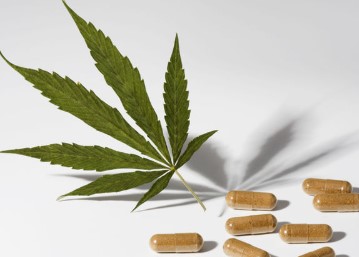
Chronic Pain Management
Mechanism of Action
- THC binds to CB1 receptors in the central nervous system (CNS), modulating nociceptive transmission in the spinal cord and brain (especially in the periaqueductal gray and thalamus).
- Caryophyllene, a terpene that binds to CB2 receptors on immune cells and peripheral nerves, reduces inflammation and pain signaling.
- Myrcene in Purple OG Kush is believed to contribute to analgesia by enhancing THC transport across the blood-brain barrier and acting on opioid receptors.
Relevant Conditions
- Neuropathic pain (sciatica, diabetic neuropathy)
- Inflammatory pain (arthritis, IBD-related discomfort)
- Musculoskeletal and injury-related pain
Clinical Support
- Multiple human and animal studies have shown THC-rich cannabis reduces pain intensity by 30–50% in treatment-resistant patients.
- The National Academies of Sciences (2017) identified substantial evidence for cannabis’s efficacy in chronic pain.
Insomnia and Sleep Disorders
Mechanism of Action
- THC in Purple OG Kush reduces sleep latency (time to fall asleep) and increases slow-wave (deep) sleep via CB1-mediated suppression of arousal networks.
- Myrcene and linalool in Purple OG Kush have sedative and muscle-relaxant properties, likely mediated by GABAergic potentiation and interaction with adenosine receptors.
- CBN (cannabinol), present in trace amounts, enhances sleep quality through mild sedation.
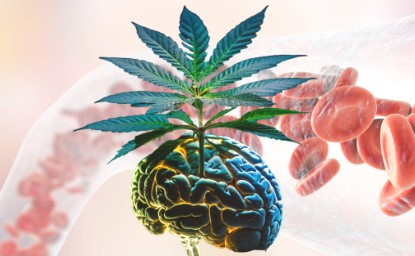
Relevant Conditions
- Primary insomnia
- Secondary sleep disorders (e.g., anxiety-related or pain-induced)
- REM sleep behavior disorder, nightmares (esp. in PTSD)
Scientific Basis
- THC has been shown to reduce REM sleep duration, which may be beneficial in PTSD by reducing nightmares.
- Animal studies support myrcene’s sedative action, and linalool has demonstrated hypnotic effects in both rodents and humans.
Anxiety and Stress Disorders
Mechanism of Action
- Limonene modulates serotonin (5-HT1A) and dopaminergic pathways, producing an antidepressant-like and anxiolytic effect.
- Linalool affects GABA-A receptors, decreasing neuronal excitability, similar to the action of benzodiazepines.
- THC at low to moderate doses suppresses overactive amygdalar activity, reducing fear and stress responses.
Relevant Conditions
- Generalized Anxiety Disorder (GAD)
- Social Anxiety Disorder (SAD)
- Adjustment disorder with anxious features
- Subclinical chronic stress and burnout
Caution
- High-THC strains can worsen anxiety in sensitive individuals or at high doses due to dopaminergic overactivation in the prefrontal cortex.
Depression and Mood Dysregulation
Mechanism of Action
- THC increases dopamine release in the nucleus accumbens, producing mild euphoria and mood elevation.
- Limonene shows monoamine oxidase (MAO) inhibitory activity, increasing serotonin and dopamine levels.
- Caryophyllene has been shown in animal studies to exert antidepressant-like effects via CB2 receptors.
Relevant Conditions
- Mild to moderate depressive episodes
- Bipolar depression (adjunct use, not during mania)
- Seasonal Affective Disorder (SAD)
Clinical Insight
- While not a primary antidepressant, THC-dominant strains with mood-elevating terpenes may acutely improve affect, especially in treatment-resistant cases or where energy is low.
Appetite Stimulation and GI Disorders
Mechanism of Action
- THC activates CB1 receptors in the hypothalamus, stimulating ghrelin (hunger hormone) and enhancing olfactory sensitivity.
- Also slows gastric emptying, potentially aiding in nutrient absorption and reducing nausea.
Relevant Conditions
- Cachexia due to HIV/AIDS or cancer
- Anorexia nervosa (supportive use)
- Inflammatory Bowel Disease (IBD) with appetite suppression
Evidence
- FDA-approved Dronabinol (synthetic THC) is used clinically to treat wasting syndrome and nausea, indicating Purple OG Kush’s therapeutic potential in similar domains.
PTSD and Trauma-Related Conditions
Mechanism of Action
- THC dampens hyperactive limbic circuits, especially in the amygdala and hippocampus.
- Linalool and myrcene promote tranquility and reduce sympathetic overactivation.
- THC modulates memory reconsolidation, possibly decreasing the emotional charge of traumatic memories.
Benefits
- Reduced frequency/intensity of flashbacks
- Improved sleep, less hypervigilance
- Increased emotional regulation
Clinical Data
- Early-stage studies show cannabis can significantly reduce CAPS (Clinician-Administered PTSD Scale) scores and improve quality of life in combat veterans and trauma patients.
Muscle Spasms, Tremors, and Neurological Conditions
Mechanism of Action
- THC modulates motor pathways in the basal ganglia and cerebellum.
- GABAergic potentiation from linalool and myrcene decreases muscle excitability.
- CB2 activation by caryophyllene reduces neuroinflammation.
Relevant Conditions
- Multiple Sclerosis (MS) spasticity
- ALS-related tremors
- Parkinsonian rigidity (adjunctive)
- Certain seizure phenotypes (in low THC doses only)
Evidence
- Sativex (THC:CBD oral spray) is approved in several countries for MS-related spasticity, validating similar effects in strains like Purple OG Kush.
Headaches and Migraines
Mechanism of Action
- CB1 activation reduces serotonergic trigeminovascular signaling, implicated in migraine genesis.
- Linalool’s vasodilatory and muscle-relaxing effects reduce cranial tension and vascular inflammation.
Therapeutic Targets
- Migraine with aura
- Tension-type headaches
- Cluster headaches (some off-label reports)
Use Guidelines
- Early-stage dosing is most effective (during prodrome or aura)
- Inhalation is preferred for fast onset
Inflammation and Immune Modulation
Mechanism
- CB2 receptor activation in Purple OG Kush (via caryophyllene) modulates immune cell cytokine production (e.g., reduces IL-1β, TNF-α)
- THC suppresses microglial overactivation, reducing neuroinflammation
- Terpenes such as humulene also exhibit anti-inflammatory properties
Conditions Impacted
- Autoimmune conditions (RA, lupus)
- Chronic inflammatory states (e.g., IBS, endometriosis)
- Neurodegenerative diseases with inflammatory components (Alzheimer’s, MS)
Cancer Symptom Support
While Purple OG Kush is not an anticancer agent, it can relieve multiple symptoms in cancer patients:
| Symptom | Compound Involved | Effect |
|---|---|---|
| Chemotherapy nausea | THC | CB1-mediated antiemetic effect |
| Pain | THC + caryophyllene | Central and peripheral analgesia |
| Appetite loss | THC | Increases ghrelin, improves food intake |
| Anxiety | Limonene + linalool | Cortisol-lowering, mood stabilizing |
| Sleep disturbance | THC + myrcene | Increases sleep duration and depth |
Some lab studies show that high-THC extracts may induce apoptosis in certain tumor cell lines, but these effects are strain- and context-dependent such as in Purple OG Kush and not established in human clinical trials.
Dosing Considerations for Medical Use
| Symptom Target | THC Dose (Inhaled) | Form | Notes |
|---|---|---|---|
| Pain | 5–10 mg | Vaporized flower/oil | Titrate based on severity |
| Sleep | 5–15 mg | Oral or smoked | Take 30–60 minutes before bed |
| Anxiety (mild) | 2.5–5 mg | Microdose (vape/edible) | Avoid high doses |
| Appetite stimulation | 5–7.5 mg | Smoked/vaporized | Use before meals |
| PTSD night relief | 5–10 mg | Edible + vape combo | Edible for duration, vape for onset |
Always consider patient tolerance, comorbid conditions, and potential interactions (e.g., with SSRIs, sedatives).
Limitations and Contraindications
- Psychosis-prone individuals (e.g., schizophrenia): high THC strains like Purple OG Kush may worsen symptoms.
- Cardiovascular disease: THC may increase heart rate and transiently affect blood pressure.
- Pregnancy and lactation: contraindicated due to unknown long-term neurodevelopmental effects.
- Heavy machinery or driving: impaired coordination and reaction time
Summary of Core Medical Uses
| Therapeutic Area | Mechanisms | Key Components |
|---|---|---|
| Pain | CB1 & CB2 modulation, TRPV1 signaling | THC, caryophyllene, myrcene |
| Sleep | GABAergic modulation, REM suppression | THC, myrcene, CBN |
| Anxiety & Stress | GABA, serotonin, dopamine modulation | Linalool, limonene, low-dose THC |
| Appetite Loss | Ghrelin stimulation, CB1 hypothalamic action | THC |
| PTSD | Amygdala modulation, memory reconsolidation | THC, linalool, limonene |
| Spasticity and Neuromotor | Muscle relaxation, anti-inflammatory | THC, myrcene, caryophyllene |
| Headache & Migraine | Serotonin & vasodilation control | THC, linalool |
| Cancer symptom support | Multi-symptom control (pain, nausea, appetite, mood) | THC, caryophyllene, limonene |
Recreational Effects and Experience
Purple OG Kush is favored recreationally for its deep body relaxation, balanced with a mild euphoric uplift.
Onset and Duration
- Onset: 5–15 minutes (inhalation), 30–60 minutes (oral)
- Peak: 30–90 minutes
- Duration: 2–4 hours, longer for edibles
Typical Experience
- Phase 1: Light euphoria, stress melts away, sense of calm settles in
- Phase 2: Body heaviness, couch-lock potential, enhanced tactile and auditory perception
- Phase 3: Sleepiness or calm introspection
Activities It Pairs Well With
- Relaxing at home
- Watching films or listening to music
- Gentle yoga or massage
- Meditation or pre-bedtime use
Cautions for Recreational Use
- May induce lethargy or “couch-lock” if overconsumed
- Dry mouth, red eyes, and mild paranoia possible at high doses
- Avoid driving or high-functioning tasks post-consumption
Scientific Mechanisms of Action
Purple OG Kush’s psychoactive and therapeutic properties result from endocannabinoid system modulation, terpenoid synergy, and neurochemical alterations:
1. CB1 Receptor Activation
- THC binds to CB1 receptors in the brain’s hippocampus, basal ganglia, and cerebellum
- Results: analgesia, appetite stimulation, sedation, mild euphoria
2. CB2 Receptor Modulation
- Caryophyllene binds to peripheral CB2 receptors
- Anti-inflammatory and immune-modulating effects
3. Neurotransmitter Regulation
- Linalool increases GABA availability: reduces excitatory neurotransmission → anti-anxiety
- Limonene influences serotonin and dopamine, uplifting mood
4. TRP Channel Modulation
- Myrcene and THC interact with TRPV1 receptors, altering pain perception and body temperature regulation
Cultivation Information
1. Genetic Stability and Phenotype Selection
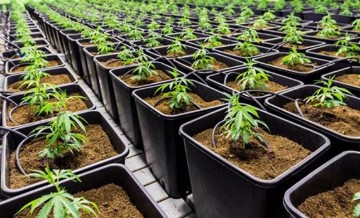
Genetics
Purple OG Kush is a hybrid of Purple Kush (indica) and OG Kush (hybrid). This results in variations in:
- Flower coloration (anthocyanin expression)
- Terpene profiles (earthy vs citrus-dominant)
- Growth structure (compact vs slightly stretchy)
Stabilization Approach
- Start from clones or feminized seeds of Purple OG Kush from reputable breeders to reduce phenotype drift.
- Phenohunt early: grow 5–10 seedlings and select based on vigor, internodal spacing, trichome density, and terpene expression.
2. Growing Environment
Indoor Cultivation
Advantages:
- Precise control over photoperiod, temperature, humidity, and CO₂
- Consistent cannabinoid/terpene profile
- Reduced exposure to pests
Key Environmental Parameters:
| Stage | Temp (Day/Night) | RH (%) | CO₂ (ppm) | Light Cycle |
|---|---|---|---|---|
| Vegetative | 24–28°C / 20–22°C | 50–70% | 400–600 | 18/6 |
| Flowering | 22–26°C / 18–20°C | 40–50% | 800–1200 | 12/12 |
| Late Flower (Ripening) | 20–24°C / 16–18°C | 35–40% | Optional | 12/12 (reduce PPFD slightly) |
Light Source:
- LED full-spectrum lights (350–800 μmol/m²/s during flowering)
- Maintain PPFD levels for optimal photosynthesis while preventing light burn
Outdoor Cultivation
Best Conditions:
- Latitude: 35°–45° N or S (Mediterranean-like climates)
- Dry, sunny fall with low humidity during flowering
- Temperature swing (10–15°C night drops) enhances anthocyanin production for purple buds
Risks:
- Mold and mildew due to dense colas and humidity
- Pests (aphids, spider mites, caterpillars)
- Bud rot (Botrytis) if not monitored late in flower
Greenhouse Cultivation
Benefits:
- Natural sunlight with environmental control
- Lower energy costs than indoor
- Season extension via supplemental lighting and heating
Strategy:
- Use automated light deprivation systems to induce flowering earlier and avoid fall rains
- Photoperiod control with blackout tarps or LED/light timers
3. Growth Cycle and Plant Morphology
Vegetative Phase (4–6 weeks)
- Structure: Short, bushy, with tight internodes
- Training: Use LST (Low Stress Training), topping, or mainlining to promote even canopy development
- Humidity: Slightly higher to promote rapid leaf growth and prevent desiccation
Flowering Phase (8–10 weeks)
- Cola Development: Dense, resinous buds with tight calyx formation
- Coloration: Lower nighttime temps (≤18°C) trigger purple anthocyanin gene expression
- Trichome Maturity: Harvest when trichomes are ~5–10% amber for sedative, full-spectrum effects
4. Nutrient Regimen and Soil Science
Substrate Options
- Soil (organic): Promotes terpene richness due to microbial synergy
- Coco coir + perlite: Faster growth, better aeration
- Hydroponics (DWC or ebb & flow): Rapid growth, high yields but less terpene complexity
Macronutrient Requirements
| Stage | N (%) | P (%) | K (%) | Ca & Mg | Notes |
|---|---|---|---|---|---|
| Vegetative | High | Medium | Medium | Moderate | Supports leaf and stem development |
| Flowering | Low | High | High | Elevated | Promotes bud formation, resin production |
Micronutrients
- Sulfur: Key for terpene synthesis
- Iron, Manganese, Zinc: Vital for chlorophyll and secondary metabolite production
pH Range
- Soil: 6.0–6.5
- Hydro/Coco: 5.8–6.2
Use chelated nutrients and enzyme-based microbials to improve uptake.
5. Watering and Root Health
- Watering Schedule: Keep media damp but not soggy; overwatering leads to root rot
- Use oxygenated water (via air stones or dissolved O₂) in hydro systems to prevent anaerobic pathogens
- Flush Purple OG Kush plants with plain water or enzymatic flush solution in the last 7–10 days to remove nutrient buildup and enhance flavor
6. Stress Management and Purple Expression
Anthocyanin Activation
- Genetic trait from Purple Kush; expression enhanced by:
- Nighttime temps below 18°C
- Phosphorus deficiency (slight, controlled)
- UV light exposure (near-UVB)
Stress Induction for Resin Production
- Controlled light stress (slight spectrum shift)
- Temperature fluctuation
- Drought stress (brief dry-back near end of flower) These methods increase trichome density, but must be carefully timed to avoid stunting growth.
7. Integrated Pest Management (IPM)
Common Threats
- Spider mites, thrips, aphids
- Fungal infections: Botrytis (bud rot), powdery mildew
- Root diseases: Pythium, Fusarium in overwatered systems
Preventive Measures
- Neem oil, insecticidal soap during veg
- Beneficial insects: ladybugs, predatory mites
- Biological fungicides: Bacillus subtilis, Trichoderma harzianum
Environmental Controls
- Maintain RH below 50% during flower
- High airflow (oscillating fans + exhaust)
- Clean grow room with 70% alcohol between runs
8. Harvesting and Post-Processing
Harvest Window
- Trichomes: 10–20% amber for deeply relaxing effects
- Pistils: 70–90% darkened
- Harvest at peak terpene levels (often before full trichome ambering)
Drying
- 7–14 days at:
- Temp: 18–21°C
- RH: 50–60%
- Darkness is critical to prevent terpene oxidation
Curing
- Burped glass jars every day for two to three weeks
- Allows chlorophyll degradation, increases cannabinoid potency, and flavor refinement
9. Yield Optimization
| Method | Effect on Yield | Notes |
|---|---|---|
| LST / Topping | Increases canopy surface area | Enhances light penetration, controls vertical growth |
| SCROG | Uniform bud development | Requires early training and net installation |
| CO₂ enrichment | Boosts photosynthesis (20–30%) | Maintain ppm ~1000–1200 during flowering |
| Defoliation | Increases bud exposure | Best done moderately; excessive removal stunts plant |
| Supplementary UV-B | Stimulates trichome production | Use in final 2–3 weeks; short exposure periods |
10. Chemotype Targeting for Cultivators
To optimize therapeutic chemotype expression:
- Favor organic soil with living microbial communities to enhance terpene output
- Use silica supplementation to increase plant resilience and trichome density
- Apply cold water flushes near harvest to enhance coloration and trigger stress-based resin increase
- Analyze final flower via HPLC and GC-MS to track cannabinoid and terpene targets
Phenotypic Variations
Due to hybrid genetics, Purple OG Kush may exhibit variations in:
- Coloration: Some Purple OG Kush plants are greener; others display more intense purples
- Terpene dominance: Some phenotypes are more citrus-forward (limonene-dominant), others more earthy or floral
- THC levels: Dependent on environmental stressors and genetic expression
Selective breeding can stabilize traits for medical growers seeking specific cannabinoid or terpene profiles.
Comparative Analysis with Related Strains
| Strain | Genetics | Effects | Medical Uses |
|---|---|---|---|
| Purple Kush | Hindu Kush × Afghani | Pure sedation, couch-lock | Pain, insomnia, anxiety |
| OG Kush | Chemdawg lineage | Balanced cerebral/body high | Stress, PTSD, appetite loss |
| Granddaddy Purple | Purple Urkle × Big Bud | Sedative, euphoric, dreamy | Pain, insomnia, muscle spasms |
| Purple OG Kush | Purple Kush × OG Kush | Relaxing, euphoric, deep body calm | Pain, insomnia, appetite stimulation |
Purple OG Kush merges the sedative potency of Purple Kush with OG Kush’s cerebral edge, offering a multifaceted experience suitable for diverse therapeutic applications.
Formulations and Consumption Methods
1. Inhalation
- Flower, vaporizer cartridges
- Rapid onset, ideal for acute symptom relief
2. Oral
- Tinctures, edibles
- Long-lasting relief, especially for chronic pain or insomnia
3. Topicals
- Rare but useful for localized pain (formulated with extracted terpenes)
4. Concentrates
- Shatter, live resin, and rosin offer higher potency
- Medical users with severe symptoms may prefer this route
Potential Side Effects
Though generally well-tolerated, Purple OG Kush can produce adverse effects:
- Dry mouth (xerostomia) and dry eyes
- Dizziness or headache (usually dose-dependent)
- Paranoia or anxiety in sensitive users or at high doses
- Lethargy: less suitable for daytime use
Start low, go slow—especially for medical users new to THC.
Clinical and Preclinical Research Relevance
While strain-specific clinical trials are limited, research on the constituent cannabinoids and terpenes validates many therapeutic claims:
- THC: Effective in chronic pain, neuropathy, and sleep disorders (National Academies of Sciences, 2017)
- Myrcene: Known sedative and analgesic in rodent studies (Russo, 2011)
- Limonene and Linalool: Shown to reduce anxiety and elevate mood in multiple preclinical models
- Caryophyllene: Binds CB2 receptors; anti-inflammatory effects verified in vitro and in vivo studies
These findings support Purple OG Kush’s efficacy as a phytotherapeutic agent.
Conclusion
Purple OG Kush is a potent indica-leaning hybrid that successfully marries the sedative qualities of Purple Kush with the balanced euphoria of OG Kush. Rich in THC, myrcene, and limonene, Purple OG Kush offers profound therapeutic benefits in pain relief, sleep induction, appetite stimulation, and anxiety reduction. It appeals equally to recreational users seeking deep relaxation and to medical patients needing a reliable, effective remedy for chronic conditions.
Its rich sensory profile, resilient growth habits, and diverse phenotypes make it a favorite among growers, connoisseurs, and clinicians alike. As scientific understanding of cannabis deepens, strains like Purple OG Kush stand as prime examples of genetic precision meeting therapeutic purpose.
For a complete directory of cultivars, visit our Cannabis Strain Reviews.
