Table of Contents
Purple Nepal is a cannabis strain revered for its unique combination of effects, captivating appearance, and complex aroma profile. This hybrid strain carries strong roots in Himalayan genetics, drawing its name and lineage from the legendary landrace strains of Nepal. Known for its therapeutic benefits and balanced high, Purple Nepal is a favorite among cultivators, medical patients, and recreational users alike. This detailed guide will dive into its origins, cultivation techniques, effects, and more.
Origins and Genetics
Purple Nepal is a well-balanced hybrid strain, often leaning slightly toward indica dominance (usually about 60% indica to 40% sativa). Its lineage stems from two distinct sources:
- Nepalese Landrace Strains: These strains originate from the high-altitude regions of Nepal, known for their resilience to harsh climates and natural production of resinous trichomes. They contribute to Purple Nepal’s cerebral and uplifting sativa effects.
- Purple Phenotypes: Purple strains often derive from strains like Purple Kush or Granddaddy Purple, which contribute to the beautiful violet hues, a fruity aroma, and the relaxing indica effects in Purple Nepal.
Appearance and Aroma
Appearance:
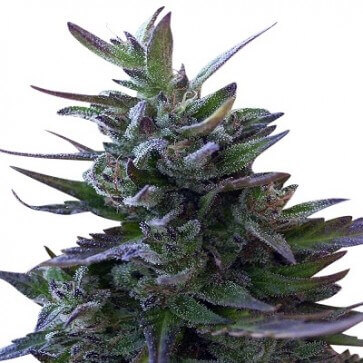
Purple Nepal’s buds are dense and compact, a trait typical of indica-dominant strains. Its flowers boast striking purple hues that emerge more prominently in cooler growing conditions, contrasting against bright orange pistils and a frosty layer of trichomes. The deep coloration often signals the presence of anthocyanins, antioxidants found in certain cannabis strains.
Aroma and Flavor:
Purple Nepal has a sweet, earthy scent complemented by hints of berry, grape, and spice. The terpene profile is rich in myrcene (herbal), caryophyllene (spicy), and limonene (citrus), creating a complex aroma that entices both seasoned and novice users. On inhalation, the flavor is smooth, offering a blend of fruity sweetness and subtle earthy undertones.
Cultivation of Purple Nepal
Growing Difficulty:
Purple Nepal is considered moderately easy to grow, making it suitable for both novice and experienced cultivators. Its Himalayan roots lend it a natural resilience to temperature fluctuations and pests, but paying close attention to details is necessary to realize its full potential.
Indoor Cultivation
- Setup:
Purple Nepal thrives in controlled environments where growers can manipulate temperature, humidity, and light exposure. A hydroponic setup can maximize yield, though soil-based mediums enhance its natural flavor profile. - Lighting:
During the vegetative stage, 18 hours of light and 6 hours of darkness promote healthy growth. To promote bud development during flowering, switch to a 12/12 light cycle. - Temperature and Humidity:
- Vegetative stage: 70–85°F (21–29°C) with 50–70% humidity.
- Flowering stage: 65–80°F (18–26°C) with 40–50% humidity to prevent mold.
- Yield:
Indoors, Purple Nepal can produce 14–18 ounces per square meter with optimal care.
Outdoor Cultivation
- Climate:
Purple Nepal prefers a Mediterranean-like climate with ample sunlight and moderate humidity. Its genetics also make it suitable for cooler regions, where lower temperatures bring out its signature purple hues. - Soil:
Nutrient-rich, well-draining soil is ideal. Compost or organic matter can improve soil fertility, leading to robust plants. - Harvest Time:
Harvesting for outdoor growers should take place in late September or early October. Each plant can yield 18–22 ounces under favorable conditions. - Pest and Disease Resistance:
Thanks to its Himalayan heritage, Purple Nepal has good resistance to mold, mildew, and common pests, making it a low-maintenance choice for outdoor cultivation.
Nutrient Requirements
- Vegetative Stage: Focus on nitrogen-rich fertilizers to support leaf and stem development.
- Flowering Stage: Switch to phosphorus and potassium-heavy nutrients to enhance bud growth and trichome production.
- Supplements: Adding calcium, magnesium, and trace minerals ensures balanced growth.
Medical Benefits
Purple Nepal is highly regarded in the medical cannabis community for its versatility in addressing a wide range of conditions. Its balanced cannabinoid profile, with THC levels ranging from 15–20% and CBD content around 0.5–1%, makes it effective for both physical and mental health concerns.
Pain Management
The combination of myrcene and caryophyllene provides anti-inflammatory and analgesic properties, making Purple Nepal a go-to strain for chronic pain, arthritis, and migraines. Its indica effects help relax muscles and alleviate tension, offering relief to those with conditions like fibromyalgia or multiple sclerosis.
Stress and Anxiety
The uplifting sativa effects paired with a calming indica body high create a balanced experience that soothes anxiety without inducing paranoia. Purple Nepal is ideal for managing generalized anxiety disorder, social anxiety, and even mild panic attacks.
Insomnia
Purple Nepal’s sedative effects can help those struggling with insomnia or irregular sleep patterns. Consumed in higher doses, the strain encourages deep relaxation and restful sleep.
Appetite Stimulation
For individuals undergoing chemotherapy or dealing with eating disorders, Purple Nepal can help combat nausea and stimulate appetite. Its sweet flavor also appeals to patients who struggle with bitter-tasting medications.
Mood Disorders
The euphoric and mood-enhancing qualities of Purple Nepal make it beneficial for those with depression or PTSD. It promotes feelings of happiness and mental clarity while easing emotional distress.
Recreational Uses
For recreational users, Purple Nepal delivers a well-rounded high that combines cerebral stimulation with physical relaxation. Its effects are layered, starting with an uplifting mental buzz that gradually transitions into a soothing body high.
Creative Inspiration
The initial sativa effects of Purple Nepal spark creativity, making it an excellent choice for artistic endeavors, brainstorming sessions, or tackling projects that require innovative thinking.
Social Settings
Purple Nepal’s balanced high encourages conversation and laughter, making it a popular choice for social gatherings. Its calming nature ensures that users remain relaxed and engaged without feeling overstimulated.
Outdoor Activities
Thanks to its Nepalese roots, Purple Nepal pairs well with outdoor adventures like hiking, camping, or yoga. The cerebral effects heighten sensory perception, while the physical relaxation keeps users grounded.
Relaxation and Leisure
As the high progresses, the strain’s indica effects take center stage, making it perfect for unwinding after a long day. Pair Purple Nepal with a good book, a movie, or a warm bath for maximum enjoyment.
Growing Tips and Tricks
- Temperature Drops for Purple Hues:
To enhance the strain’s signature purple color, expose the plants to cooler nighttime temperatures (around 55–65°F or 13–18°C) during the flowering stage. Be cautious not to stress the plant too much, as this can impact yield. - Trichome Monitoring:
To keep an eye on trichome development, use a microscope or magnifying glass. Harvest when there are a few amber trichomes among the mostly milky white ones. - Proper Curing:
After harvest, dry the buds in a dark, cool space for 7–10 days. Cure them in airtight jars, opening them daily to release moisture, for at least two weeks. Proper curing enhances flavor, potency, and smoothness. - Companion Planting:
Use companion plants like marigold or basil to repel pests and promote healthy growth.
Common Challenges in Growing Purple Nepal
- Overwatering:
Purple Nepal prefers moderate watering. Overwatering can lead to root rot or mold, especially in high-humidity environments. - Nutrient Burn:
Avoid over-fertilizing, especially during the flowering stage, as excess nutrients can cause nutrient burn, resulting in yellowing leaves and reduced bud quality. - Light Stress:
Ensure the light source is not too close to the plants, as excessive light can bleach the buds and hinder growth. - Pest Control:
Although resistant to most pests, growers should still watch for spider mites and aphids, particularly in indoor setups. Infestations can be controlled with the use of insecticidal soap or neem oil.
User Experiences and Testimonials
Purple Nepal is celebrated by both novice and veteran cannabis enthusiasts for its unique blend of effects. Users often describe the strain as a “jack-of-all-trades,” capable of addressing a variety of needs. What some users have to say is as follows:
- Medical User:
“I’ve been using Purple Nepal for my chronic back pain, and it’s been a game-changer. The body high takes away my discomfort without making me feel too drowsy.” - Recreational User:
“This strain is perfect for a laid-back Saturday. I smoked some before going on a hike, and everything felt more vibrant and alive. “I use it for all of my outdoor activities.” - Insomniac:
“An hour or so of Purple Nepal helps me fall asleep, even though I have trouble falling asleep. Plus, the flavor is amazing!”
Methods of Ingestion for Purple Nepal
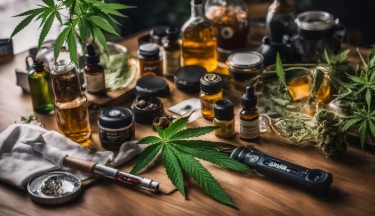
The method of consuming cannabis significantly influences its effects, onset time, duration, and overall experience. Purple Nepal, with its unique cannabinoid and terpene profile, is versatile in terms of ingestion. Below is a detailed exploration of the primary methods for consuming Purple Nepal, including the science behind each and their specific benefits.

1. Smoking
Overview:
One of the oldest and most common ways to consume cannabis is by smoking it. Purple Nepal’s dense buds and resinous trichomes make it particularly suited for this method, releasing its robust flavor profile when combusted.
Mechanism:
When Purple Nepal is smoked, cannabinoids like THC and CBD are rapidly vaporized and inhaled into the lungs. These compounds are absorbed through the alveoli into the bloodstream, reaching the brain within minutes.
Onset and Duration:
- Onset: 1–5 minutes
- Duration: 1–3 hours
Advantages:
- Fast-acting relief, suitable for users seeking immediate effects.
- Allows the full terpene profile to shine, enhancing the sensory experience.
Potential Risks:
- Tar and carcinogens are among the hazardous byproducts of combustion that can aggravate the respiratory system.
- Not ideal for those with asthma or other lung conditions.
Best Practices:
- Use high-quality rolling papers or clean glass pipes to minimize exposure to toxins.
- Control dosage by taking small puffs to avoid overconsumption.
2. Vaping
Overview:
Vaping involves heating Purple Nepal to a temperature where cannabinoids and terpenes vaporize but do not combust. This method preserves the strain’s terpene profile and reduces exposure to harmful byproducts of combustion.
Mechanism:
Vaporizers heat cannabis to temperatures between 320°F (160°C) and 428°F (220°C), releasing THC, CBD, and terpenes as vapor. This vapor is inhaled, delivering cannabinoids into the bloodstream via the lungs.
Onset and Duration:
- Onset: 1–3 minutes
- Duration: 1–3 hours
Advantages:
- Safer for the lungs compared to smoking.
- Enhances terpene retention, preserving the fruity, earthy flavors of Purple Nepal.
- Precise temperature control allows for targeted terpene and cannabinoid release.
Potential Risks:
- Low-quality vape devices can release harmful chemicals if overheated.
- Initial investment in a good vaporizer may be costly.
Best Practices:
- Use a high-quality vaporizer designed for flower or concentrates.
- Experiment with temperatures to optimize flavor and effects:
- Lower temps (~320°F) for a mild, flavorful experience.
- Higher temps (~428°F) for maximum cannabinoid extraction.
3. Edibles
Overview:
Edibles involve consuming Purple Nepal in a food or beverage form. The cannabinoids must first be extracted from the plant, typically using fats (butter, oil) or alcohol.
Mechanism:
When consumed, THC is metabolized in the liver into 11-hydroxy-THC, a more potent and long-lasting metabolite. This leads to a delayed but intensified experience compared to inhalation methods.
Onset and Duration:
- Onset: 30–90 minutes (depending on metabolism and stomach contents)
- Duration: 4–8 hours
Advantages:
- Long-lasting effects make it ideal for managing chronic conditions like pain or insomnia.
- No respiratory risks, making it a preferred method for non-smokers.
- Can be discreet and convenient, especially with pre-dosed edibles.
Potential Risks:
- Delayed onset increases the risk of overconsumption.
- Difficult to determine dosage without lab-tested products.
Best Practices:
- Start with a low dose (e.g., 2.5–5 mg THC) and wait at least 2 hours before consuming more.
- Infuse Purple Nepal into butter or oil at a controlled temperature to preserve cannabinoids and terpenes.
4. Tinctures and Sublingual Administration
Overview:
Tinctures are liquid cannabis extracts made by soaking Purple Nepal in alcohol or oil. They are applied under the tongue (sublingual) for rapid absorption or added to food and beverages.
Mechanism:
When applied sublingually, cannabinoids are absorbed through the mucous membranes under the tongue, bypassing the digestive system and liver. This results in faster effects compared to edibles.
Onset and Duration:
- Onset (sublingual): 15–30 minutes
- Duration: 2–4 hours
- Onset (oral ingestion): 30–90 minutes
- Duration: 4–8 hours
Advantages:
- Provides a smokeless option with a relatively quick onset.
- Easy to dose accurately with dropper bottles.
- Versatile: can be used sublingually for fast relief or ingested for prolonged effects.
Potential Risks:
- Tinctures made with alcohol may taste strongly of alcohol.
- Effects vary depending on whether the tincture is used sublingually or ingested.
Best Practices:
- Use a carrier oil like MCT or olive oil to improve bioavailability.
- Start with a low dose, especially if new to tinctures.
5. Topicals
Overview:
Cannabis-infused oils, balms, or creams that are applied topically are known as topicals. Purple Nepal’s cannabinoids and terpenes can be extracted and formulated into topicals for localized relief.
Mechanism:
When applied to the skin, cannabinoids interact with CB2 receptors in the endocannabinoid system but do not enter the bloodstream. This method provides localized effects without psychoactive experiences.
Onset and Duration:
- Onset: 10–20 minutes
- Duration: 1–3 hours
Advantages:
- Beneficial for skin disorders, inflammation, and localized pain.
- Non-psychoactive, making it suitable for users who want therapeutic benefits without a “high.”
Potential Risks:
- Only the application area is affected.
- Requires consistent reapplication for chronic issues.
Best Practices:
- Use products with additional therapeutic ingredients like menthol or arnica for enhanced pain relief.
- Before applying, make sure the skin is dry and clean for optimal absorption.
6. Concentrates
Overview:
Concentrates are highly potent cannabis extracts, including wax, shatter, or oils. Purple Nepal’s high trichome production makes it a prime candidate for creating concentrates.
Mechanism:
Concentrates can be vaporized, dabbed, or added to flower for enhanced potency. They deliver a concentrated dose of cannabinoids and terpenes, offering powerful effects in small quantities.
Onset and Duration:
- Onset: 1–5 minutes
- Duration: 2–4 hours
Advantages:
- Extremely potent, requiring less material for the desired effect.
- Preserves the full terpene and cannabinoid profile of Purple Nepal.
- Can be used with various devices, including dab rigs and vape pens.
Potential Risks:
- High potency increases the risk of overconsumption, particularly for novice users.
- Requires specialized equipment for use (e.g., dab rigs or e-nails).
Best Practices:
- Start with a small “dab” to gauge tolerance.
- Use clean and properly maintained equipment for the best experience.
7. Capsules and Pills
Overview:
Capsules are pre-dosed cannabis products designed for oral ingestion. They provide a precise and discreet way to consume Purple Nepal, making them popular among medical users.
Mechanism:
Similar to edibles, capsules are metabolized in the liver, converting THC to 11-hydroxy-THC for long-lasting effects.
Onset and Duration:
- Onset: 30–90 minutes
- Duration: 4–8 hours
Advantages:
- Precise dosing eliminates guesswork.
- Long-lasting effects are ideal for chronic conditions.
Potential Risks:
- Delayed onset may lead to overconsumption.
- Effects can differ based on a person’s metabolism.
Best Practices:
- Begin with the lowest available dose and gradually increase as needed.
- Take with food to improve absorption.
8. Cannabis Beverages
Overview:
Cannabis-infused drinks offer a novel and enjoyable way to consume Purple Nepal. Beverages range from teas and coffees to sodas and smoothies.
Mechanism:
The cannabinoids are absorbed through the digestive system, similar to edibles, or through mucous membranes in the mouth if sipped slowly.
Onset and Duration:
- Onset: 30–60 minutes
- Duration: 2–6 hours
Advantages:
- A flavorful and social method of ingestion.
- Allows for creative combinations, such as blending Purple Nepal into teas or cocktails.
Potential Risks:
- Like edibles, effects can take time to manifest.
- Overconsumption may result from excessive consumption.
Best Practices:
- Mix Purple Nepal extracts or tinctures into beverages at controlled dosages.
- Start with a low amount of THC or CBD per serving.
Conclusion
Purple Nepal is a versatile and well-rounded cannabis strain that appeals to a wide audience. Its balanced effects, ease of cultivation, and therapeutic benefits make it a staple in both personal gardens and dispensary shelves. Whether you’re seeking relief from chronic pain, a boost of creativity, or simply a relaxing evening, Purple Nepal delivers an experience that’s as rich and rewarding as its Himalayan heritage.
The method of ingestion plays a crucial role in the overall cannabis experience. Whether you prefer the rapid onset of smoking and vaping, the long-lasting effects of edibles and capsules, or the localized relief of topicals, Purple Nepal offers versatility to suit diverse preferences and medical needs. Understanding the science behind these methods allows users to make informed decisions and tailor their cannabis consumption for optimal benefits.
For a complete directory of cultivars, visit our Cannabis Strain Reviews.
