Table of Contents
Purple Nepal Candy is an exotic and rare hybrid cannabis strain known for its vibrant purple hues, unique candy-like sweetness, and potent effects. This strain combines genetics from the legendary Nepalese landrace strains with other carefully selected hybrids to create a balanced experience suitable for both recreational and medical users. With a rich terpene profile, high cannabinoid content, and powerful therapeutic benefits, Purple Nepal Candy stands out as a premium choice for cannabis enthusiasts.
Genetic Lineage and Origins
Purple Nepal Candy is a hybrid strain derived from a cross between Nepalese Landrace and Purple Afghani. These parent strains contribute to its robust characteristics, making it a well-balanced hybrid with Indica-leaning tendencies.
Parent Strains:
- Nepalese Landrace: A pure Sativa strain native to the mountainous regions of Nepal, known for its high resistance to harsh climates, uplifting cerebral effects, and earthy, spicy flavors.
- Purple Afghani: A potent Indica strain with deep purple hues, high resin production, and relaxing, sedative properties. It contributes to the physical relaxation and candy-like sweetness in Purple Nepal Candy.
This genetic combination results in a strain that carries the best of both Sativa and Indica traits, making it an excellent choice for various uses.
Appearance, Aroma, and Flavor
Appearance:
- Dense, medium-sized buds with a vibrant purple coloration due to anthocyanin pigments.
- Bright orange pistils contrasting against dark green and purple foliage.
- Thick trichome coverage, indicating high resin production.
Aroma:
- Sweet, fruity, and candy-like scent with hints of grape, berries, and vanilla.
- Subtle earthy and spicy undertones from its Nepalese heritage.
- Mild citrus zest due to limonene presence.
Flavor Profile:
- Initial sweet, berry-like taste, reminiscent of purple candies.
- Undertones of earthy spice and floral hints.
- Smooth, creamy exhale with a lingering grape and vanilla essence.
Cannabinoid and Terpene Profile
Cannabinoid Content:
- THC: 18-24% (potent but not overwhelming)
- CBD: 0.5-2% (mild medicinal benefits)
- CBG: 1-2% (anti-inflammatory properties)
- Other Cannabinoids: Minor traces of CBN, CBC, and THCV
Terpene Profile:
- Myrcene: (herbal, relaxing, sedative properties)
- Limonene: (citrusy, mood-enhancing, anti-anxiety)
- Caryophyllene: (spicy, anti-inflammatory, interacts with CB2 receptors)
- Linalool: (floral, calming, pain-relieving)
- Pinene: (piney, focus-enhancing, bronchodilator)
This combination of cannabinoids and terpenes makes Purple Nepal Candy a well-rounded strain, offering both therapeutic and recreational benefits.
Recreational Uses and Effects
Purple Nepal Candy is a versatile strain that offers a balanced high, making it ideal for both daytime and evening use. The effects can be broken down into the following phases:
Initial Onset (10-15 Minutes):
- Euphoria and mental uplift: Users of Purple Nepal Candy experience an initial wave of happiness and clarity.
- Creative boost: Enhanced focus and motivation, making it great for artistic or social activities.
Peak Effects (30-60 Minutes):
- Full-body relaxation: A calming sensation spreads throughout the body, relieving muscle tension.
- Mood enhancement: Ideal for reducing stress and promoting a positive mindset.
- Sociability: Users feel more talkative and engaged in conversations.
Late Effects (2-4 Hours):
- Mild sedation: Depending on dosage, Purple Nepal Candy it can lead to slight drowsiness.
- Hunger induction: Stimulates appetite, making it beneficial for those with appetite loss.
- Sleepiness: Higher doses can lead to a comfortable, restful sleep.
Best Use Cases for Recreation:
- Social gatherings: Enhances mood and sociability.
- Creative projects: Inspires artists, writers, and musicians.
- Mild physical activity: Yoga, walking, or stretching.
- Evening relaxation: Helps unwind after a stressful day.
Medical Benefits and Therapeutic Applications
Purple Nepal Candy provides a variety of medical benefits, making it a popular choice among medicinal cannabis users. The combination of high THC, moderate CBD, and therapeutic terpenes makes it effective for multiple conditions.

Pain Management:
- Alleviates chronic pain, arthritis, muscle spasms, and migraines.
- Caryophyllene and myrcene provide strong anti-inflammatory effects.
Mental Health Support:
- Purple Nepal Candy reduces stress, anxiety, and depression due to limonene and linalool.
- Purple Nepal Candy helps with PTSD symptoms, promoting a sense of calm and well-being.
- Purple Nepal Candy may assist with mood disorders by balancing neurotransmitter activity.
Sleep Aid:
- Purple Nepal Candy at higher doses, it induces sleep, making it useful for insomnia.
- Linalool and myrcene in Purple Nepal Candy contribute to its sedative effects.
Appetite Stimulation:
- Effective for loss of appetite in patients undergoing chemotherapy or with eating disorders.
- Enhances enjoyment of food due to heightened sensory perception.
Neurological Benefits:
- CBG and pinene in Purple Nepal Candy contribute to neuroprotective properties, potentially helping with Alzheimer’s, Parkinson’s, and epilepsy.
- May improve focus and cognitive function in ADHD patients.
Cultivation Information
Purple Nepal Candy is moderately easy to grow, making it suitable for both beginners and experienced cultivators.
Environmental Factors & Ideal Conditions
Scientific studies show that environmental control plays a crucial role in the growth, cannabinoid synthesis, and terpene production of cannabis.
Optimal Conditions:
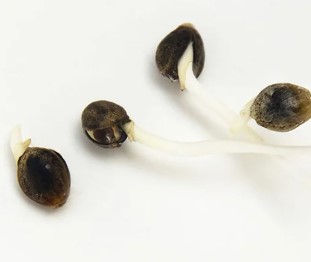
- Temperature: 70-80°F (21-27°C) during the day, with a 10-15°F drop at night to enhance anthocyanin (purple pigment) production.
- Humidity: 40-50% RH during vegetative stage; 30-40% RH during flowering to prevent mold and enhance trichome density.
- Light Cycle: 18/6 for vegetative phase and 12/12 for flowering phase to trigger bloom.
- Air Circulation: Proper ventilation prevents mold, strengthens stem structure, and increases CO₂ intake.
Growing Mediums and Nutrients
Soil vs. Hydroponics:
- Soil: Organic, nutrient-rich soil with a slightly acidic pH (6.0-6.5) promotes terpene development.
- Hydroponics: Soilless mediums (coco coir, Rockwool, perlite) increase growth speed and yield by ensuring optimal nutrient uptake.
Macronutrient Requirements:
- Nitrogen (N): High levels in vegetative growth for leaf development.
- Phosphorus (P): Essential for root expansion and flowering.
- Potassium (K): Strengthens stem and enhances trichome production.
Micronutrients:
- Calcium (Ca): Strengthens cell walls and prevents bud rot.
- Magnesium (Mg): Crucial for chlorophyll synthesis.
- Sulfur (S): Enhances terpene production.
Advanced Techniques for Enhancing Yield & Quality
Topping & Low-Stress Training (LST)
- Why? Encourages multiple colas, resulting in higher yields.
- How? Cut the top of the plant after the 4th or 5th node to redistribute energy.
Screen of Green (ScrOG)
- Why? Maximizes light exposure, leading to even bud development.
- How? Place a mesh net above plants and weave branches through it for uniform canopy growth.
Defoliation & Pruning
- Why? Improves airflow, prevents mold, and directs energy to bud sites.
- How? Remove lower fan leaves and small branches that don’t receive direct light.
Anthocyanin Activation for Purple Hue
The purple coloration in Purple Nepal Candy is due to anthocyanins, which require specific conditions to be fully expressed.
- Cooler Nighttime Temperatures: A drop to 55-65°F (13-18°C) at night triggers anthocyanin production.
- Balanced pH: Slightly lower pH (~5.8-6.2) in the flowering phase can enhance pigmentation.
- Stress Techniques: Controlled light stress (UV-B exposure) can boost anthocyanin levels.
Enhancing Cannabinoid & Terpene Production
Light Spectrum
- Vegetative Growth: Blue (400-500nm) spectrum LED lights encourage compact growth.
- Flowering: Red (600-700nm) spectrum stimulates bud formation.
- UV-B Exposure: Boosts THC and trichome production.
CO₂ Supplementation
- CO₂ levels between in Purple Nepal Candy 1,000-1,500 ppm enhance photosynthesis and yield.
- Used effectively in sealed grow rooms or grow tents with proper ventilation.
Flushing Before Harvest
- Flushing with pure water for 7-10 days before harvest removes excess nutrients, improving flavor and smoothness.
Pest & Disease Control
Common Threats:
- Powdery Mildew: Managed by maintaining low humidity and airflow.
- Spider Mites: Controlled using neem oil, predatory insects (ladybugs), or biological sprays.
- Root Rot: Prevented with well-draining soil and proper watering techniques.
Harvesting & Curing for Maximum Potency
- Trichome Check: Harvest when trichomes are milky white with some amber hues for peak potency.
- Drying Process: Hang buds in a 60°F (15°C), 50% humidity environment for 7-10 days.
- Curing Process: Store in glass jars with 62% humidity packs, burping daily for the first two weeks to enhance terpene retention.
Methods of Ingestion and Bioavailability
A. Inhalation (Smoking and Vaping)
Overview:
- Bioavailability: 25 to 56 percent (high absorption rate)
- Onset: 1 to 5 minutes (fastest method)
- Peak Effects: 15 to 30 minutes
- Duration: 2 to 4 hours
Mechanism:
- Cannabinoids enter the alveoli of the lungs, where they rapidly diffuse into the bloodstream and reach the central nervous system almost immediately.
- This method bypasses first-pass metabolism, leading to a faster onset and more intense effects compared to oral ingestion.
Scientific Insights:
- A study published in the Journal of Clinical Pharmacology (2001) found that peak plasma THC levels occur within 3 to 10 minutes after inhalation.
- Vaping is more efficient than smoking, with higher bioavailability (up to 56 percent) due to reduced combustion loss.
Advantages:
- Fast-acting effects, making it ideal for acute pain or anxiety relief.
- Immediate dose control, reducing the risk of overconsumption.
- Higher bioavailability compared to edibles.
Disadvantages:
- Shorter duration of effects of Purple Nepal Candy compared to oral ingestion.
- Potential for lung irritation with frequent use.
B. Edibles and Oral Ingestion
Overview:
- Bioavailability: 4 to 20 percent (lower than inhalation)
- Onset: 30 to 90 minutes (delayed effects)
- Peak Effects: 2 to 4 hours
- Duration: 6 to 12 hours (longest-lasting method)
Mechanism:
- THC and other cannabinoids in Purple Nepal Candy are metabolized by the liver through first-pass metabolism.
- The liver converts delta-9 THC into 11-hydroxy-THC, which has greater psychoactive potency and a longer half-life than inhaled THC.
Scientific Insights:
- A study published in Neuropsychopharmacology (2016) found that 11-hydroxy-THC is two to three times more potent than delta-9 THC.
- Edibles produce longer-lasting effects, making them more effective for chronic pain management, sleep disorders, and prolonged anxiety relief.
Advantages:
- Longer duration of effects, making it suitable for medical use.
- No lung irritation or respiratory risks.
- Stronger psychoactive effects due to metabolic conversion.
Disadvantages:
- The chance of overconsumption rises with delayed commencement.
- Lower bioavailability due to breakdown in the digestive system.
C. Sublingual (Tinctures and Oils)
Overview:
- Bioavailability: 12 to 35 percent (higher than edibles but lower than inhalation)
- Onset: 15 to 45 minutes
- Peak Effects: 1 to 2 hours
- Duration: 4 to 6 hours
Mechanism:
- Bypassing the digestive process, cannabinoids enter the circulation straight through the mucous membranes beneath the tongue.
- This results in faster onset compared to edibles but less immediate than inhalation.
Scientific Insights:
- A study published in Cannabis and Cannabinoid Research (2018) found that sublingual administration significantly increases bioavailability compared to oral ingestion.
- Tinctures with alcohol or lipid-based carriers enhance absorption efficiency.
Advantages:
- Faster onset than edibles with a more controlled experience.
- No lung irritation.
- Suitable for precise microdosing.
Disadvantages:
- Requires holding the dose under the tongue for optimal absorption.
- Slightly lower bioavailability compared to inhalation.
D. Topical and Transdermal Application
Overview:
- Bioavailability: Highly variable, dependent on formulation.
- Onset: 30 to 60 minutes (local effects), transdermal patches can have systemic effects.
- Duration: 4 to 12 hours (depending on concentration and application area).
Mechanism:
- Cannabinoids interact with CB1 and CB2 receptors in the skin, providing localized relief without psychoactive effects.
- Transdermal patches use lipophilic carriers to allow cannabinoids to penetrate the bloodstream, enabling systemic effects.
Scientific Insights:
- A study in The Journal of Pain (2015) found that transdermal cannabinoid patches reduced inflammation and pain in animal models.
- Topical creams and balms provide targeted pain relief but do not cause psychoactive effects due to limited systemic absorption.
Advantages:
- Effective for localized pain, inflammation, and skin conditions.
- No psychoactive effects unless using transdermal patches.
Disadvantages:
- Variable absorption rates, making dosing difficult.
- Not suitable for achieving systemic effects unless formulated for transdermal use.
Onset and Duration of Effects Across Methods
| Method | Onset Time | Peak Effects | Total Duration | Bioavailability |
|---|---|---|---|---|
| Smoking | 1 to 5 min | 15 to 30 min | 2 to 4 hours | 25 to 56% |
| Vaping | 1 to 5 min | 15 to 30 min | 2 to 4 hours | 40 to 56% |
| Edibles | 30 to 90 min | 2 to 4 hours | 6 to 12 hours | 4 to 20% |
| Sublingual | 15 to 45 min | 1 to 2 hours | 4 to 6 hours | 12 to 35% |
| Topicals | 30 to 60 min | N/A (localized effects) | 4 to 12 hours | Variable |
| Transdermal | 30 to 90 min | 2 to 4 hours | 8 to 12 hours | 50 to 80% |
Scientific Insights and Studies
Several scientific studies support the medicinal benefits of the cannabinoids and terpenes found in Purple Nepal Candy:
- THC and Pain Relief: Research indicates THC activates CB1 receptors, reducing chronic pain and inflammation.
- CBD and Anxiety: Studies suggest that CBD modulates serotonin receptors, reducing anxiety and depression symptoms.
- Myrcene and Sedation: A 2011 study published in the British Journal of Pharmacology confirmed that myrcene enhances sedative effects and prolongs sleep.
- Limonene and Mood Enhancement: Studies show limonene increases dopamine and serotonin levels, improving mood and reducing stress.
- CBG and Neuroprotection: Research highlights CBG’s potential in protecting neurons from degeneration, making it promising for neurodegenerative disorders.
Conclusion
Purple Nepal Candy is a well-balanced hybrid strain with delicious flavors, stunning visuals, and a well-rounded effect profile. It offers powerful therapeutic benefits, making it an excellent choice for both recreational and medicinal users. Whether you seek relief from pain, anxiety, or insomnia, or simply want an enjoyable, euphoric experience, this strain delivers on all fronts.
For cultivators, its moderate growth difficulty, high yields, and resistance to environmental stressors make it a rewarding strain to grow. Overall, Purple Nepal Candy is a standout cannabis variety with both scientific backing and user appeal, making it a must-try for cannabis enthusiasts.
For a complete directory of cultivars, visit our Cannabis Strain Reviews.
