Table of Contents
Purple Hindu Kush is a rare and potent indica-dominant cannabis strain that blends the legendary landrace genetics of the Hindu Kush mountain region with vibrant purple phenotypes. Known for its deeply sedating effects, high resin production, and distinctive terpene profile, Purple Hindu Kush is favored by medical cannabis users for its efficacy in managing a wide array of symptoms and conditions. It also appeals to recreational users seeking a tranquil, introspective, and euphoric high.
Genetic Lineage and History
Purple Hindu Kush is a phenotype or genetic descendant of the original Hindu Kush, a pure indica landrace strain that originated in the mountainous region between Afghanistan and Pakistan. The “purple” phenotype in this strain is believed to have emerged through selective breeding practices, often incorporating traits from Purple Afghani, Purple Kush, or other anthocyanin-rich cultivars.
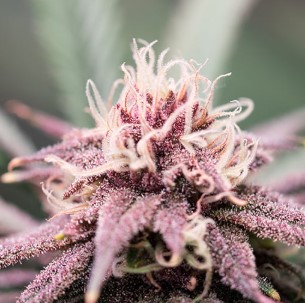
The anthocyanin expression in Purple Hindu Kush is responsible for the rich violet hues in its buds and leaves, especially when exposed to lower nighttime temperatures. These purple pigments are flavonoids, which have antioxidant properties, adding an additional potential therapeutic benefit.
Morphology and Cultivation Traits
Genetic Background and Implications for Cultivation
Purple Hindu Kush is a heavily indica-dominant strain derived from Afghan/Pakistani landrace genetics, often enhanced with purple-expressing traits. This background gives it:
- A short, bushy morphology ideal for controlled indoor growth.
- Fast flowering times (~7–9 weeks), reducing pest exposure.
- High resistance to cold but moderate susceptibility to humidity-related pathogens due to dense buds.
- A photoperiod sensitivity, meaning it requires specific light cycles (12/12 for flowering).
Environmental Control Parameters (Indoor Focus)
A. Temperature
- Veg stage: 70–85°F (21–29°C)
- Flowering stage: 65–80°F (18–26°C)
- To enhance purple coloration: Lower night temps to 50–60°F (10–15°C) during late flowering. This triggers anthocyanin biosynthesis without stressing the plant.
B. Humidity
- Vegetative phase: 55–65% RH (relative humidity)
- Flowering phase: 40–50% RH
- Late flowering: 30–40% RH
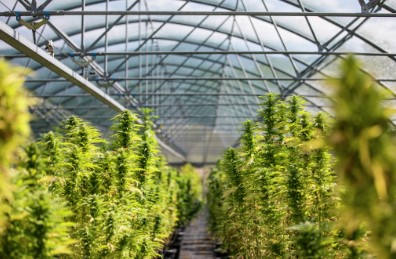
- Critical to avoid botrytis (bud rot) and powdery mildew, as Purple Hindu Kush produces dense colas with limited airflow.
C. Airflow
- Use oscillating fans and exhaust systems to promote constant air exchange and reduce humidity pockets in Purple Hindu Kush.
- Maintain CO₂ levels at 400–800 ppm; can increase to 1000–1200 ppm during flowering for enhanced photosynthesis.
Lighting Requirements
A. Vegetative Stage
- 18/6 light cycle (18 hours light / 6 hours dark).
- Use full-spectrum white LEDs or metal halide (MH) for robust growth.
- PAR target: 400–600 µmol/m²/s
B. Flowering Stage
- Shift to 12/12 light cycle to induce flowering.
- Use high-pressure sodium (HPS), red-spectrum LEDs, or dual-spectrum bulbs.
- PAR target: 600–1000 µmol/m²/s in canopy zone.
- Ensure light intensity and heat do not cause photobleaching or light stress.
C. Light Stress Management
- Maintain 18–24 inches (45–60 cm) between light and canopy, adjusted per wattage.
- Gradually acclimate plants to stronger light in transition weeks to prevent chlorosis.
Soil and Nutrient Management
A. Preferred Medium
- Loamy, well-aerated soil with high organic matter in Purple Hindu Kush is ideal.
- Soilless mixes (e.g., coco coir with perlite) can also work for hydro-style feeding with greater root oxygenation.
B. pH Range
- Soil: 6.0–6.8
- Coco/hydroponics: 5.8–6.3
C. Macronutrient Needs
- Nitrogen (N): Moderate during veg, reduced in flowering.
- Phosphorus (P): Increased during flowering to promote bud formation.
- Potassium (K): High throughout for strong stems and terpene production.
D. Micronutrients
- Calcium, magnesium, and sulfur are vital for strong metabolism.
- Consider Cal-Mag supplementation in RO or distilled water setups.
E. Feeding Schedule
- Vegetative stage: NPK 3-1-2 or 4-2-3
- Early Flowering: NPK 1-3-2
- Late Flowering: NPK 0-4-4
- Flush: Use pure water or mild flushing solution during the final 7–10 days.
Growth Techniques for Optimal Yield
A. Low-Stress Training (LST)
- Gently bend branches during vegetative stage to:
- Increase lateral growth.
- Improve light penetration.
- Reduce apical dominance.
B. Topping
- Remove terminal growth tip at 3rd–5th node to split growth into multiple colas.
C. Screen of Green (ScrOG)
- Ideal for small spaces and indica strains:
- Spread canopy horizontally using a net.
- Ensures even bud development and light distribution.
D. Sea of Green (SOG)
- Works well with clones:
- Flower early in small pots.
- Produce many small plants for faster turnover.
E. Defoliation
- Remove lower fan leaves and inner foliage:
- Improves airflow and reduces mold risk.
- Redirects energy to upper buds.
Harvest Timing and Trichome Science
Trichome Maturation Stages
- Clear: Immature, low potency.
- Cloudy/Milky: Peak THC levels (ideal for euphoria, creativity).
- Amber: THC begins to degrade to CBN (ideal for sedation).
Purple Hindu Kush is often harvested at 30% amber trichomes for maximum sedative and pain-relieving effect.
Monitoring Tools
- Use a 60x–100x magnifying loupe or a digital microscope for accurate trichome inspection.
Post-Harvest Science
A. Drying
- Hang whole branches or trimmed buds in 60–65°F (15–18°C) at 50–60% RH.
- Dry in complete darkness to preserve cannabinoids and terpenes.
- Duration: ~7–12 days depending on density and conditions.
B. Curing
- Transfer buds to airtight glass jars.
- Open jars (burping) daily for first 1–2 weeks to release moisture and CO₂.
- Total cure time: 4–8 weeks for maximum flavor, potency, and smoothness.
C. Storage
- Store in airtight containers in a cool, dark place (~60°F).
- Avoid UV light, which degrades THC to CBN.
- Maintain ~58–62% RH using humidity packs.
Pest and Pathogen Prevention
Common Risks
- Spider mites
- Fungus gnats
- Powdery mildew
- Bud rot (Botrytis)
Integrated Pest Management (IPM)
- Neem oil and insecticidal soap during veg (avoid during flower).
- Beneficial insects: Ladybugs, predatory mites (e.g., Phytoseiulus).
- Biocontrols: Bacillus thuringiensis for larvae.
- Probiotics and beneficial fungi (e.g., Trichoderma) to outcompete pathogens in the rhizosphere.
Yield Optimization
Yield Range
- Indoors: ~400–500 g/m² with controlled environment.
- Outdoors: 500–700 g per plant in warm, dry climates.
Yield Boosting Tips
- Maintain ideal VPD (vapor pressure deficit) between 0.8–1.2 kPa.
- Use supplemental UV-B lighting during flowering (final 2–3 weeks) to boost resin and trichome density.
- Apply silica to strengthen cell walls and improve stress resistance.
Phenotypic Variations and Selection
Key Selection Traits
- Color: Dark purple hues triggered by anthocyanin expression under cool temps.
- Aroma: Earthy, hashy base with floral and spice undertones.
- Trichome Coverage: High resin output ideal for concentrates.
- Bud Density: Tight, heavy colas—good for yields but requires airflow.
Clonal propagation is advised once a preferred phenotype (color, aroma, yield) is identified.
Terpene Profile
Purple Hindu Kush is rich in several key terpenes that contribute to its aroma, flavor, and effects:
- Myrcene: The dominant terpene, contributing to its earthy, musky scent and deeply sedative effects.
- Caryophyllene: Adds a peppery, spicy note and binds to CB2 receptors, imparting anti-inflammatory benefits.
- Linalool: Offers floral and lavender notes, known for anxiolytic and muscle relaxant properties.
- Humulene: Contributes to a woody, herbal aroma and has anti-inflammatory and appetite-suppressing properties.
- Pinene: Present in minor amounts; supports alertness and bronchodilation, which can counteract heavy sedation.
The interplay of these terpenes enhances the entourage effect, amplifying therapeutic efficacy and modulating the psychoactive effects of THC.
Cannabinoid Composition
- THC (Δ9-tetrahydrocannabinol): Main psychoactive component; promotes euphoria, sedation, appetite stimulation, and analgesia.
- CBD (Cannabidiol): Typically low in Purple Hindu Kush, but when present, it contributes anxiolytic and anti-seizure effects.
- CBG (Cannabigerol) and CBC (Cannabichromene): Occasionally found in trace amounts, contributing to anti-inflammatory and neuroprotective effects.
- CBN (Cannabinol): May accumulate with age; supports sleep and muscle relaxation.
The high THC and terpene synergy in this strain are key to its medicinal potential.
Medical Uses
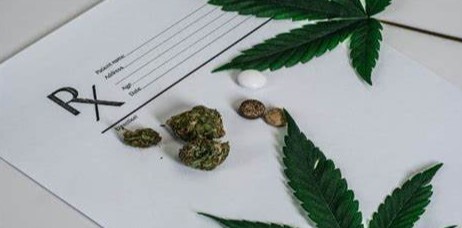
Purple Hindu Kush is a high-THC, indica-dominant strain with a rich terpene profile (notably myrcene, linalool, caryophyllene, and humulene) and trace levels of minor cannabinoids. Its therapeutic effects are largely driven by:
- Δ⁹-THC (delta-9-tetrahydrocannabinol): Primary psychoactive compound with analgesic, antiemetic, appetite-stimulating, and sedative effects.
- Terpene synergy (entourage effect): Enhances and modulates the effect of THC via receptor modulation, enzymatic inhibition, and blood–brain barrier permeability changes.
- Anthocyanins (from the purple phenotype): Flavonoids with antioxidant and potential neuroprotective properties.
This makes Purple Hindu Kush uniquely suited for certain conditions, especially chronic pain, insomnia, anxiety, muscle spasticity, appetite loss, and mood disorders.
Chronic Pain and Neuropathic Pain
Mechanism:
- THC binds to CB1 receptors in the dorsal root ganglion, periaqueductal gray, and spinal cord, reducing nociceptive signaling.
- Caryophyllene binds to CB2 receptors, providing anti-inflammatory effects.
- Myrcene inhibits prostaglandin E2 synthesis and acts on TRPV1 receptors, contributing to analgesia.
- THC also affects GABAergic and glutamatergic transmission, modulating pain perception centrally.
Conditions Treated:
- Neuropathy (e.g., diabetic, HIV-induced)
- Fibromyalgia
- Chronic musculoskeletal pain
- Arthritis (osteo/rheumatoid)
- Endometriosis and pelvic pain syndromes
- Migraine (THC may suppress cortical spreading depression)
Supporting Science:
A meta-analysis in The Journal of Pain (2015) found THC-dominant cannabis reduced neuropathic pain scores significantly more than placebo. Myrcene’s muscle-relaxant and analgesic effects were confirmed in rodent models (European Journal of Pharmacology, 1990).
Insomnia and Sleep Disorders
Mechanism:
- THC reduces sleep latency, increases slow-wave sleep (SWS), and decreases REM sleep, helping those with fragmented or delayed sleep.
- Myrcene promotes sedation via interaction with GABA-A receptors and adenosine modulation.
- Linalool enhances sedation and may increase melatonin activity through indirect serotonergic pathways.
- CB1 activation in the hypothalamus helps regulate circadian rhythm.
Clinical Indications:
- Primary insomnia
- Delayed Sleep Phase Syndrome (DSPS)
- PTSD-related nightmares and sleep disturbance
- Sleep fragmentation in pain or mood disorders
Notes:
Chronic high-dose THC use may impair sleep architecture long-term. Low to moderate doses of Purple Hindu Kush are best for sustained efficacy.
Anxiety and PTSD
Mechanism:
- Low doses of THC can reduce anxiety via CB1-mediated suppression of overactive amygdala circuits.
- Linalool and myrcene work synergistically to calm sympathetic nervous system activity.
- Caryophyllene’s CB2 receptor activity reduces systemic inflammation, which has been linked to anxious states.
- TRPV1 receptor modulation may reduce panic symptoms and hyperarousal.
Conditions Treated:
- Generalized Anxiety Disorder (GAD)
- Social Anxiety Disorder (SAD)
- PTSD (especially sleep disturbances and hypervigilance)
- Panic Disorder (with caution on dosing)
Dosing Guidance:
- Low doses (microdosing ~1–3 mg THC) are anxiolytic.
- High doses may worsen anxiety in THC-sensitive individuals due to dopaminergic overstimulation and cortical disinhibition.
Depression and Mood Stabilization
Mechanism:
- THC stimulates dopamine release in the ventral tegmental area (VTA) and nucleus accumbens, which may improve mood and hedonic tone.
- Linalool, caryophyllene, and myrcene have serotonergic and monoamine oxidase (MAO) inhibitory activity.
- THC may also increase BDNF (brain-derived neurotrophic factor) expression in low doses, aiding neuroplasticity.
Target Conditions:
- Atypical depression (characterized by low energy, hypersomnia)
- Seasonal Affective Disorder (SAD)
- Depression comorbid with chronic pain
- Bipolar disorder (depressive phase only; not recommended in mania)
Research Insight:
Cannabis users with depression have shown improved mood scores with indica strains rich in myrcene and caryophyllene (Journal of Affective Disorders, 2017). However, chronic high-THC use may lead to downregulation of CB1 receptors, warranting careful moderation.
Appetite Stimulation and Nausea Relief
Mechanism:
- THC activates CB1 receptors in the hypothalamus, increasing ghrelin release, which stimulates hunger.
- THC also inhibits serotonin 5-HT3 receptors, suppressing nausea and vomiting.
- Works via enteric CB1 receptor pathways to reduce gut motility and improve gastric comfort.
Indications:
- Cachexia and wasting (e.g., in HIV/AIDS, cancer)
- Chemotherapy-induced nausea and anorexia
- Anorexia nervosa (in select cases)
- Crohn’s disease and IBS-related nausea
Clinical Note:
Purple Hindu Kush’s deep sedation may limit its daytime utility, so it’s best as an evening appetite stimulator.
Muscle Spasticity and Motor Disorders
Mechanism:
- THC and myrcene both act on GABA-A and glycine receptors, reducing excitatory signaling.
- Linalool is a voltage-gated calcium channel blocker, reducing excessive neurotransmitter release at motor synapses.
- THC may inhibit glutamate release at the spinal level, reducing spasticity.
Clinical Applications:
- Multiple Sclerosis (MS)
- ALS (amyotrophic lateral sclerosis)
- Spinal cord injury
- Parkinson’s disease (spasms and rigidity)
- Cerebral palsy (spasticity component)
Evidence:
Nabiximols (Sativex), a THC:CBD oral spray, has been approved in several countries for MS spasticity. Purple Hindu Kush provides similar muscle relaxation via THC and terpene synergy.
Inflammatory Conditions
Mechanism:
- Caryophyllene’s CB2 binding inhibits NF-κB and pro-inflammatory cytokines (TNF-α, IL-6).
- Myrcene and humulene also suppress inflammatory mediators like COX-2.
- THC reduces mast cell activation and leukocyte migration.
Use Cases:
- Rheumatoid arthritis
- Crohn’s disease and ulcerative colitis
- Autoimmune skin disorders (e.g., eczema, psoriasis)
- Endometriosis
Scientific Support:
In rodent models, caryophyllene significantly reduced inflammation in colitis and arthritis (PNAS, 2008). Human trials suggest anti-inflammatory cannabis strains reduce symptom severity in IBD and autoimmune pain.
Neuroprotective and Antioxidant Potential
Mechanism:
- THC activates PPARγ, modulating gene expression and reducing oxidative stress.
- Linalool and anthocyanins scavenge free radicals and may inhibit excitotoxicity.
- THC may also support mitochondrial function and reduce glutamate-mediated neurotoxicity.
Potential Conditions:
- Early-stage Alzheimer’s disease
- Parkinson’s disease (non-motor symptoms)
- Traumatic brain injury (TBI)
- Stroke recovery (under investigation)
Research Snapshot:
Anthocyanins in purple strains may offer unique neuroprotective action by inhibiting lipid peroxidation and protecting the blood-brain barrier (BBB) (Neurochemistry International, 2012).
Seizure Disorders (Limited Use)
Though Purple Hindu Kush is not high in CBD, its high myrcene and linalool content may support anticonvulsant effects indirectly by:
- Modulating GABAergic tone
- Reducing glutamatergic excitability
- Dampening neuroinflammation
However, for seizure conditions like Dravet syndrome or Lennox-Gastaut, high-CBD strains (e.g., Stephen Hawking Kush or Charlotte’s Web) are preferred.
Summary Table: Condition–Mechanism–Compound Interaction
| Medical Condition | Key Mechanism | Cannabinoids/Terpenes Involved |
|---|---|---|
| Chronic Pain | CB1 & CB2 modulation, TRPV1 inhibition | THC, caryophyllene, myrcene |
| Insomnia | GABA-A potentiation, sleep cycle reset | THC, myrcene, linalool |
| Anxiety/PTSD | Amygdala suppression, serotonin modulation | THC (low dose), linalool, caryophyllene |
| Depression | Dopamine boost, BDNF expression | THC, myrcene, linalool |
| Appetite Loss | Ghrelin stimulation, 5-HT3 inhibition | THC |
| Nausea | Gut motility control, serotonin blockade | THC |
| Muscle Spasticity | GABAergic modulation, Ca²⁺ channel inhibition | THC, myrcene, linalool |
| Inflammation | Cytokine inhibition, COX-2 suppression | Caryophyllene, humulene, THC |
| Neuroprotection | Antioxidant action, glutamate regulation | Anthocyanins, THC, linalool |
Recreational Uses and Effects
Onset and Duration
- Onset: 10–20 minutes post-inhalation; 30–60 minutes when ingested orally.
- Peak: 1–2 hours post-consumption.
- Duration: 3–6 hours depending on dose and route.
Psychoactive Effects
- Euphoria: A deep but mellow mood lift.
- Relaxation: Full-body heaviness or “couch-lock” is common.
- Altered Perception: Subtle sensory enhancement, though not hallucinogenic.
- Mental Clarity: May induce fogginess or introspection, making it more suitable for evening or solitary activities.
- Creativity: In low doses, some users report enhanced visual and auditory creativity, particularly in artistic or meditative environments.
Ideal Use Scenarios
- Nighttime use or post-stress recovery.
- Solo or intimate social settings; not generally recommended for high-energy group activities.
- Enhances experiences involving music, massage, warm baths, or sensory-focused activities.
Adverse Effects
- Dry mouth and dry eyes are common.
- Paranoia or anxiety may occur at high doses or in sensitive users.
- Heavy sedation may impair motor skills and cognitive function—avoid driving or operating machinery.
Scientific Insights and Research
Pharmacodynamics
- THC binds to CB1 receptors in the basal ganglia, hippocampus, cerebellum, and neocortex, influencing motor control, memory, and sensory processing.
- Terpenes modulate the blood–brain barrier, enhancing or inhibiting THC absorption and distribution, influencing the overall subjective and physiological effects.
Pharmacokinetics
- Inhalation: Rapid onset, peak plasma levels within minutes.
- Oral: Slower onset (30–90 minutes), with effects lasting longer due to hepatic metabolism into 11-OH-THC, a more potent psychoactive metabolite.
Entourage Effect
- Purple Hindu Kush exemplifies the entourage effect, where terpenes and minor cannabinoids enhance and refine the impact of THC.
- This synergy has shown promise in modulating pain, anxiety, and immune function more effectively than isolated THC.
Antioxidant and Neuroprotective Effects
- Flavonoids like anthocyanins, which contribute to the strain’s purple coloration, have potent antioxidant properties.
- Potential neuroprotective effects through reduction in oxidative stress, making the strain of interest in neurodegenerative conditions like Parkinson’s disease and Alzheimer’s disease.
Clinical and Preclinical Research
While direct studies on Purple Hindu Kush are limited, broader studies on high-THC indica strains with similar profiles support its efficacy:
- A 2018 study published in Frontiers in Pharmacology noted significant sleep improvement in medical cannabis patients using indica strains high in myrcene and linalool.
- Research in The Journal of Pain (2016) found THC-dominant cannabis effective in reducing chronic neuropathic pain compared to placebo.
Comparisons with Related Strains
| Strain | THC | CBD | Effects | Best Use |
|---|---|---|---|---|
| Purple Hindu Kush | 18–26% | <1% | Deep sedation, pain relief | Nighttime |
| Hindu Kush | 15–20% | <1% | Heavy body high, relaxation | Evening |
| Purple Kush | 17–22% | <1% | Euphoric, pain relief | Evening |
| Granddaddy Purple | 17–25% | <1% | Sedation, appetite | Night use |
| Afghan Kush | 15–20% | <1% | Physical relaxation | Night use |
Purple Hindu Kush stands out for its unique purple anthocyanin expression, rich myrcene content, and especially strong sedative effects.
Consumer and Cultivation Notes
Growing Tips
- Temperature Control: Cool night temperatures (50–60°F) encourage purple pigmentation.
- Humidity Management: Keep RH below 50% during flowering to prevent mold.
- Training: Use topping and low-stress training (LST) for optimal light penetration.
- Nutrient Needs: Rich in potassium and phosphorus during flowering to boost terpene and trichome production.
Consumption Methods
- Vaporization: Preserves terpene profile; ideal for medical users.
- Smoking: Delivers full effect quickly, though with some terpene loss due to combustion.
- Edibles/Tinctures: Good for long-lasting relief, though slower onset.
- Topicals: Rarely used with this strain, though infused balms may help with localized pain.
Conclusion
Purple Hindu Kush is a premier example of an indica-dominant strain that offers substantial therapeutic benefits, particularly in managing chronic pain, insomnia, anxiety, and appetite loss. Its unique combination of landrace potency, terpene diversity, and vivid anthocyanin expression gives it a multidimensional value in both medical and recreational cannabis communities. With proper dosing, cultivation, and strain-specific understanding, Purple Hindu Kush can serve as a reliable and deeply relaxing ally for individuals seeking natural symptom management and enhanced well-being.
For a complete directory of cultivars, visit our Cannabis Strain Reviews.
