Description
Introduction:
Purple Candy Cannabis Seeds epitomize the pinnacle of botanical breeding, presenting a visually stunning and genetically sophisticated cannabis strain that entices with its rich purple coloration and sweet, aromatic profile. Developed through the meticulous crossbreeding of BC Sweet Tooth and the vibrant Mendocino Purps, this hybrid combines the best traits of its progenitors, yielding a plant that is both visually stunning and abundantly productive. This strain is a favorite among cultivators for its aesthetic appeal and the effortless growth it promises, making it equally suited for amateur gardeners and expert growers alike.
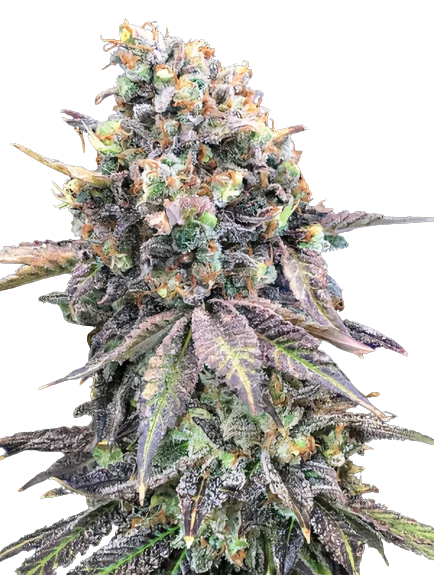
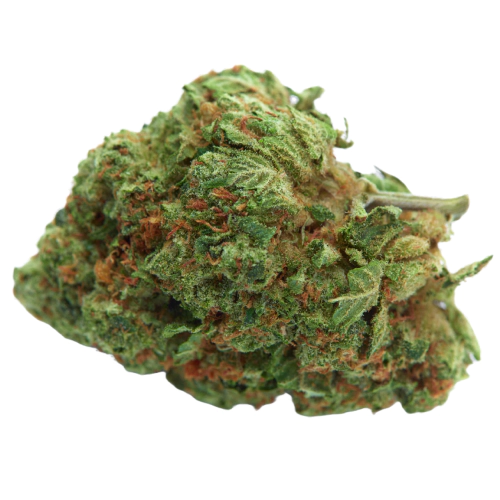
The striking appearance of Purple Candy is immediately noticeable. Throughout its growth, the plant undergoes a dramatic transformation, with leaves that evolve from deep green to vibrant purple, mirroring the majestic colors of a late evening sky. This stunning visual transformation is enhanced by the buds, which develop a thick coating of crystalline trichomes that glisten with a sugary sheen, much like a frosted delicacy. The scent of Purple Candy is no less impressive, as it exudes a rich, sweet fragrance, infused with notes of grape and subtle floral hints, reflecting its delicious lineage.
Growing Purple Candy Cannabis Seeds requires a blend of patience and careful attention, yet the rewards justify the effort. This strain demonstrates exceptional resilience against environmental stress and can flourish in diverse growing conditions. The flowering phase is perfectly timed, allowing cultivators to plan their harvests around late September to mid-October in the northern hemisphere, optimizing the maturation process to enhance the strain’s aromatic potency and therapeutic potential.
Upon consumption, Purple Candy offers a deeply relaxing effect, enveloping the user in a blissful euphoric embrace, ideal for unwinding in the evening. Its medicinal benefits are equally notable, with many users turning to this strain for its ability to mitigate stress and alleviate physical discomfort. The balanced effects make it a preferred choice in the therapeutic cannabis community, catering to a broad spectrum of needs.
Purple Candy Cannabis Seeds stand out as a remarkable example of what skilled breeding can achieve in the cannabis industry. They not only produce a plant that is a visual and olfactory pleasure but also create a holistic experience that soothes and delights. For those who cultivate this majestic strain, it represents not merely a cultivation project but an enchanting journey into the craftsmanship and science of cannabis cultivation.
Origin and Lineage:
Purple Candy Cannabis Seeds boast a distinguished pedigree, originating from a deliberate crossbreeding of two legendary strains: BC Sweet Tooth and Mendocino Purps. These seeds represent a culmination of selective breeding practices aimed at enhancing both visual and therapeutic qualities, embodying a heritage rich with robust genetics and nuanced flavors. The genesis of Purple Candy lies in the fertile cannabis cultivation landscapes of British Columbia, Canada, where the local growers are celebrated for their innovative breeding techniques and a deep-rooted passion for cannabis horticulture.
BC Sweet Tooth, one of the parent strains, is highly regarded for its exceptionally sweet taste and impressively swift flowering period. Originating from a lineage of potent indica-dominant strains, BC Sweet Tooth imparts its strong genetic traits to Purple Candy, including resilience in various growing conditions and the production of dense, resin-packed buds. These characteristics make Purple Candy an ideal choice for cultivators who face diverse environmental challenges and seek a high-yield strain without an extended flowering period.
The other half of Purple Candy’s genetic makeup comes from Mendocino Purps, a strain that emerged from Northern California’s famous Mendocino County. This region is known for its rich cannabis culture and the production of strains with both appealing aesthetics and potent effects. Mendocino Purps, affectionately known as ‘The Purps’, contributes its iconic purple coloration and a complex, grape-like aroma to the Purple Candy hybrid. This strain has established its place in the cannabis market by offering not only visual appeal but also a robust profile ideal for both recreational and medicinal use.
Together, these parent strains synthesize a hybrid in Purple Candy that showcases vibrant purple foliage and a tantalizing aroma reminiscent of sweet grapes, providing an olfactory delight that enhances its aesthetic appeal. The growth characteristics inherited from BC Sweet Tooth allow Purple Candy to flourish in a variety of climatic conditions, yielding plentiful harvests that are both visually striking and rich in cannabinoids.
The therapeutic effects of Purple Candy are profound, combining the relaxing, sedative qualities of BC Sweet Tooth with the soothing euphoria characteristic of Mendocino Purps. This makes it a highly sought-after strain in the medicinal cannabis community for its efficacy in alleviating stress, anxiety, and physical pain, offering a natural remedy rooted in its prestigious lineage.
Growth Difficulty and Grow Guide: