Table of Contents
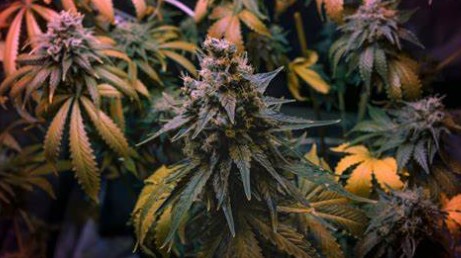
Purple Bush is a potent indica-dominant cannabis strain, often celebrated for its deep purple coloration, dense trichome-coated buds, and relaxing effects. The strain’s exact lineage is not always clearly documented, but it is widely believed to be a descendant or phenotype of classic landrace Afghani or part of the Purple family (e.g., Purple Kush or Granddaddy Purple), likely crossed with another dense indica variety. It retains the sedative properties of pure indica strains, while offering aesthetic beauty and robust therapeutic potential.
Genetically, Purple Bush has been selectively bred to emphasize:
- Short, bushy morphology
- Rich anthocyanin expression (the purple pigmentation)
- Heavy resin production
- Resistance to pests and mold
This makes it ideal for home cultivation and indoor operations, especially where space is limited.
Phytochemical Profile: Cannabinoids and Terpenes
Cannabinoid Content
Purple Bush typically features THC levels ranging from 17% to 24%, depending on the cultivation and phenotype. CBD levels are usually low (<1%), though trace amounts of CBG, CBC, and THCV may be present.
| Cannabinoid | Average Range (%) | Primary Medical Actions |
|---|---|---|
| THC | 17–24 | Analgesic, antiemetic, appetite stimulant, sleep aid |
| CBD | <1 | Anxiolytic, anti-inflammatory, antiepileptic (trace amounts) |
| CBG | 0.2–0.8 | Anti-inflammatory, neuroprotective |
| CBC | 0.1–0.5 | Mood enhancer, anti-inflammatory |
| THCV | 0.1–0.3 | Appetite suppressant, anticonvulsant |
Terpene Composition
| Terpene | Scent/Flavor | Therapeutic Benefits |
|---|---|---|
| Myrcene | Earthy, musky | Sedative, analgesic, anti-inflammatory |
| Linalool | Floral, lavender | Anxiolytic, antidepressant, anticonvulsant |
| Caryophyllene | Peppery, woody | CB2 agonist, anti-inflammatory, gastroprotective |
| Pinene | Pine, herbal | Bronchodilator, memory enhancer, anti-inflammatory |
| Humulene | Woody, hoppy | Appetite suppressant, anti-inflammatory |
Mechanisms of Action
Purple Bush interacts with various biological systems through its active compounds:
Endocannabinoid System (ECS)
- CB1 Receptors (central nervous system): Activated primarily by THC, modulating pain, mood, appetite, and sleep.
- CB2 Receptors (immune system and periphery): Activated by caryophyllene, CBD, and THC, regulating inflammation and immune responses.
Transient Receptor Potential (TRP) Channels
- TRPV1 and TRPA1: Targeted by CBD, CBG, and CBC; play a role in nociception and inflammation.
Serotonin System
- 5-HT1A receptors: Modulated by CBD and linalool, impacting anxiety, depression, and neuroprotection.
Dopamine Pathways
- THC indirectly enhances dopamine release in the mesolimbic system, contributing to euphoria and reward.
- Balanced levels of THC and terpenes help modulate this effect for mood elevation without overstimulation.
Medical Applications of Purple Bush
I. Foundational Pharmacology: Why Purple Bush Works Medically
1. Cannabinoid Receptor Targeting
Purple Bush is a THC-dominant indica strain with a supportive terpene profile. Its effects are driven by the endocannabinoid system (ECS):
- CB1 receptors (found in the brain and nervous system): activated by THC, reducing pain transmission, promoting sleep, modulating mood, and stimulating appetite.
- CB2 receptors (in the immune system, peripheral tissues, and glial cells): activated by β-caryophyllene and THC, reducing inflammation and regulating immune activity.
2. TRP Channel Modulation
- TRPV1 (vanilloid receptors): activated by CBD, CBG, and some terpenes; reduces nociception and helps with chronic pain and inflammation.
- TRPA1/TRPM8: modulate sensory input, including pain and temperature perception.
3. Neurotransmitter System Interaction
- Serotonin (5-HT1A receptor): modulated by CBD and linalool, resulting in anti-anxiety and antidepressant effects.
- Dopamine: indirectly enhanced by THC, contributing to mood elevation, motivation, and reward.
II. Targeted Medical Uses by System

1. Chronic Pain Disorders
Purple Bush is highly effective for managing both nociceptive and neuropathic pain due to its cannabinoid-terpene synergy:
- THC acts centrally at CB1 receptors, inhibiting pain signaling in the spinal cord and brain.
- Myrcene contributes to opioid-like analgesia, enhancing THC’s effects via GABAergic and glycinergic inhibition.
- Caryophyllene binds to CB2 receptors, offering peripheral anti-inflammatory pain control without psychoactivity.
- Linalool and CBC modulate glutamate transmission and contribute to nociceptive dampening.
Indicated conditions:
- Fibromyalgia
- Neuropathy (diabetic, postherpetic)
- Osteoarthritis and rheumatoid arthritis
- Cancer-related pain
- Lower back pain
Mechanistic benefit: By targeting both central and peripheral pain pathways, Purple Bush may reduce reliance on opioids or NSAIDs and offer broad-spectrum relief.
2. Anxiety and Stress-Related Conditions
Purple Bush is beneficial for mild to moderate anxiety, especially when it’s somatic (body-based) or tied to chronic stress or trauma:
- Low doses of THC produce anxiolytic effects via CB1 modulation of GABAergic and serotonergic tone.
- Linalool has direct action at GABA-A receptors, promoting relaxation without heavy sedation.
- Caryophyllene reduces neuroinflammation via CB2, which is implicated in stress and anxiety disorders.
- CBD (if present in trace amounts) and CBC act at 5-HT1A receptors, similar to some antidepressants.
Effective for:
- Generalized Anxiety Disorder (GAD)
- PTSD (as adjunctive therapy)
- Situational/social anxiety
- Sleep-related anxiety
Cautions: High doses of THC can increase anxiety in sensitive individuals; titrated use is key.
3. Depression and Mood Instability
Purple Bush offers support in cases of dysthymia, stress-induced depression, or low motivation through several pathways:
- THC increases dopamine release in mesolimbic circuits, enhancing reward perception.
- Linalool and CBC modulate serotonin reuptake and may influence hippocampal neurogenesis.
- Pinene and myrcene support cognitive clarity while allowing physical relaxation.
These effects are short-term mood-lifting and emotionally stabilizing, helpful for people with:
- Chronic illness–related depression
- PMS or hormonal mood shifts
- Secondary depression from sleep disorders or chronic pain
While not a replacement for antidepressants, Purple Bush may serve as an adjunct or natural complement, especially in patients looking to reduce pharmaceutical load.
4. Insomnia and Sleep Disorders
As a potent indica with dominant myrcene and linalool, Purple Bush is clinically relevant for sleep initiation and maintenance:
- THC reduces time to sleep onset by activating CB1 in the hypothalamus and suppressing arousal circuits.
- Myrcene enhances GABA activity and reduces motor excitation, promoting muscle relaxation.
- Linalool has sedative properties and may regulate circadian rhythm genes.
- Caryophyllene indirectly reduces sleep-interrupting inflammation (e.g., in pain or autoimmune cases).
Conditions improved by Purple Bush:
- Primary insomnia
- Pain-related sleep disruption
- Sleep disturbances from anxiety or PTSD
- Restless leg syndrome (via CNS depression)
5. Inflammation and Autoimmune Support
Chronic inflammation contributes to multiple diseases. Purple Bush can modulate innate and adaptive immune pathways:
- CB2 activation by caryophyllene and THC suppresses pro-inflammatory cytokine release (e.g., IL-6, TNF-α).
- CBG and CBC downregulate iNOS and oxidative stress pathways.
- Terpenes like humulene inhibit COX enzymes (similar to NSAIDs), offering a natural anti-inflammatory option.
Clinical targets:
- Autoimmune arthritis
- Inflammatory bowel disease (IBD)
- Chronic pelvic or bladder inflammation
- Dermatitis and eczema
- Migraine (inflammatory neurovascular disorder)
Neuroinflammation is also modulated, which may be beneficial in conditions like:
- Multiple sclerosis
- Alzheimer’s disease
- Parkinson’s disease
6. Appetite Loss and Digestive Disorders
Purple Bush reliably stimulates appetite due to THC’s CB1-mediated activation of hypothalamic hunger centers, and its effect on:
- Ghrelin release, increasing food-seeking behavior
- Enhanced taste and smell perception, making food more palatable
- Dopamine pathway modulation, reinforcing the reward of eating
This is especially helpful for:
- Cachexia (wasting syndrome) in cancer or AIDS
- Chemotherapy-induced appetite loss
- Anorexia (with psychiatric oversight)
- IBS or Crohn’s with poor appetite
Additionally, CBG and caryophyllene provide anti-inflammatory effects on the gut, helping reduce nausea, cramping, or diarrhea.
7. Muscle Spasticity and Neuromuscular Disorders
Purple Bush’s muscle-relaxing and antispasmodic qualities stem from:
- CB1 activation reducing motor neuron excitability
- GABA-A modulation via myrcene and linalool
- TRPV1 desensitization (from cannabinoids like CBD) reducing neuromuscular hyperactivity
Applications include:
- Spinal cord injury–related spasms
- Multiple sclerosis (MS) spasticity
- ALS-related motor symptoms
- Menstrual cramps and pelvic tension
8. Neuroprotection and Cognitive Conditions
Mechanisms:
- CB2 activation reduces microglial overactivation, lowering neuroinflammation.
- CBG and CBD support neuronal survival and may reduce oxidative damage in aging neurons.
- Pinene inhibits acetylcholinesterase, potentially preserving memory and acetylcholine levels.
Research into these mechanisms is ongoing, but preclinical models support their utility in:
- Alzheimer’s and Parkinson’s (adjunctive)
- Traumatic brain injury (TBI)
- Age-related cognitive decline
- Neuroinflammatory syndromes
III. Pharmacokinetic and Therapeutic Considerations
1. Onset and Duration by Delivery Method
| Method | Onset | Peak Effect | Duration |
|---|---|---|---|
| Inhalation | 2–10 minutes | 30–60 minutes | 2–4 hours |
| Tincture (sublingual) | 15–30 minutes | 45–90 minutes | 3–5 hours |
| Edibles (oral) | 45–90 minutes | 1.5–3 hours | 4–8 hours |
2. Dosing Guidance (Medical)
| Condition | Starting Dose (THC) | Frequency |
|---|---|---|
| Chronic Pain | 5–10 mg | Every 4–6 hours |
| Anxiety | 1–5 mg | As needed, low dose |
| Insomnia | 10–20 mg | 1 hour before bed |
| Appetite Stimulation | 5–10 mg | 30 min before meals |
| Muscle Spasticity | 5–15 mg | 2–3x daily |
Titration (“start low, go slow”) is essential, especially in new patients or elderly users. Consider cannabinoid ratios and delivery method.
IV. Limitations and Safety Considerations
1. Potential Side Effects
- Dry mouth, red eyes, short-term memory loss
- Drowsiness or lethargy, especially in high doses
- Dizziness or hypotension
- Paranoia or anxiety if THC dose is too high
- Tolerance build-up over time with daily use
2. Contraindications
- History of psychosis or schizophrenia
- Uncontrolled cardiovascular conditions
- Pregnancy or lactation
- Drug interactions (warfarin, CNS depressants, SSRIs)
3. Interactions
- THC and CBD can inhibit CYP450 enzymes, affecting metabolism of other drugs
- Additive effects with sedatives, opioids, or antihistamines
Recreational Effects
Purple Bush delivers a deeply relaxing and euphoric high, characterized by:
Early Effects (0–30 minutes)
- Euphoric lift
- Mental quieting
- Heightened sensory perception (color, music, touch)
Later Effects (30–120+ minutes)
- Heavy physical sedation
- Couch-lock in higher doses
- Sleepiness or “body melt” sensation
Recreational Appeal
- Ideal for evening or nighttime use
- Enhances relaxation rituals (baths, massages, meditation)
- Amplifies music and film enjoyment
- May increase tactile pleasure and erotic sensitivity
Users often report:
- A peaceful, floaty mindset
- Reduced social inhibition
- Deep sleep following the comedown
Cultivation Science and Techniques
1. Morphological and Genetic Traits
Purple Bush is an indica-dominant strain, typically displaying the following growth characteristics:
| Trait | Details |
|---|---|
| Genetic Type | Indica-dominant hybrid |
| Plant Height | Short to medium (~60–120 cm) |
| Growth Pattern | Bushy, compact, dense lateral branching |
| Flowering Time | ~7–9 weeks (indoor); late Sept to early Oct (outdoor) |
| Coloration | Purple hues from anthocyanin expression |
| Yield | Moderate–high (400–500g/m² indoor) |
Purple pigmentation is often enhanced in cooler conditions due to anthocyanin biosynthesis, a stress-response mechanism regulated by temperature and light intensity.
2. Optimal Environmental Conditions
2.1 Temperature and Humidity
Maintaining optimal Vapor Pressure Deficit (VPD) is critical for maximizing transpiration and nutrient uptake while preventing pathogens.
| Stage | Day Temp (°C) | Night Temp (°C) | RH (%) | Target VPD (kPa) |
|---|---|---|---|---|
| Seedling | 22–25 | 18–20 | 65–75 | 0.4–0.8 |
| Vegetative | 24–28 | 20–22 | 55–65 | 0.8–1.2 |
| Early Flowering | 22–26 | 18–20 | 45–55 | 1.0–1.3 |
| Late Flowering | 20–24 | 16–18 | 35–45 | 1.2–1.5 |
Cooler nights during late flowering (16–18°C) enhance purple coloration via activation of chalcone synthase and anthocyanin pathways.
3. Light Intensity and Spectral Optimization
Purple Bush responds well to high PPFD levels, particularly during bloom, to support cannabinoid and terpene biosynthesis.
| Growth Phase | Light Cycle | PPFD (µmol/m²/s) | Recommended Spectrum |
|---|---|---|---|
| Vegetative | 18/6 | 300–600 | Blue-rich (400–500 nm) full-spectrum |
| Flowering | 12/12 | 700–1000 | Red-rich (620–700 nm) + UV-B (280–320 nm) |
| Ripening Phase | 12/12 | 800–1100 | Enhanced PAR + slight UV-B (trichomes) |
UV-B exposure during late flowering stimulates resin and cannabinoid production, likely by triggering plant DNA damage response mechanisms, leading to higher trichome density.
4. Nutrient Management
4.1 Macronutrient Requirements
| Phase | N | P | K | Notes |
|---|---|---|---|---|
| Vegetative | High | Medium | High | Emphasis on structural growth and photosynthesis |
| Early Flower | Medium | High | High | Flower initiation and reproductive transition |
| Late Flower | Low | Very High | Very High | Resin, terpene, and anthocyanin biosynthesis |
4.2 Micronutrients
Critical for enzymatic functions related to THCA synthase, flavonoid synthesis, and terpene cyclase activity:
- Mg – essential for chlorophyll and terpene biosynthesis
- Fe, Mn, Zn – enzyme co-factors for cannabinoid and pigment expression
- B – cell wall integrity and reproductive growth
Chelated forms (EDTA, DTPA) are preferred in hydroponics to maintain availability across pH ranges.
5. Substrate Systems
Purple Bush performs well in various systems:
| System | Advantages | Considerations |
|---|---|---|
| Soil (Living) | High terpene expression, robust flavor | Slower growth; dependent on microbial health |
| Coco Coir | Excellent drainage and oxygenation | Requires frequent feeding; Ca/Mg supplementation |
| Hydroponics | Rapid growth and precise nutrient control | May reduce terpene complexity without organic inputs |
Soil-grown plants tend to have richer terpene profiles, while hydroponic setups deliver higher yields and faster cycles.
6. Plant Training and Canopy Management
Purple Bush responds exceptionally well to training techniques due to its strong lateral growth:
6.1 Training Techniques
- Topping: Promotes bushy growth and increases top colas.
- Low-Stress Training (LST): Bends branches to optimize light penetration.
- ScrOG (Screen of Green): Keeps canopy even, maximizing light exposure.
- Defoliation: Improves airflow, reduces humidity inside the canopy.
Avoid excessive stress late in flower to prevent hermaphroditism and yield loss.
7. Flowering and Ripening
7.1 Flowering Timeline
| Week | Physiological Events |
|---|---|
| 1–2 | Stretch phase, pistil development |
| 3–5 | Calyx swelling, cannabinoid biosynthesis begins |
| 6–7 | Resin and terpene production peaks |
| 8–9 | Trichome maturation, terpene peak, coloration develops |
To maximize THC and terpene content, harvest during peak trichome maturity.
8. Harvest Timing and Trichome Analysis
Visual Trichome Guide
| Trichome Color | Effect Profile |
|---|---|
| Clear | Premature, low potency |
| Cloudy | Peak THC, strong euphoric effect |
| Amber | Degraded THC → CBN; more sedative |
Optimal window for Purple Bush is 85–90% cloudy, 10–15% amber — ideal for both potency and relaxing effects.
9. Drying, Curing, and Terpene Preservation
Drying Protocol
- Temperature: 18–21°C (64–70°F)
- Humidity: 50–60%
- Time: 10–14 days in a dark, ventilated area
- Airflow: Gentle, indirect — avoid over-drying buds
Curing Method
- Cure jars: Glass containers with 58–62% humidity packs
- Burping: Daily for 2 weeks, then every few days
- Duration: 3–6 weeks for full flavor and stability
Scientific Rationale
- Terpenes like myrcene and linalool volatilize at low temperatures (~30°C). Slow curing at low humidity allows enzymatic degradation of chlorophyll while retaining volatile aromatics.
- Proper curing allows oxidation of non-psychoactive cannabinoids into more potent or therapeutically active forms, improving effect and longevity.
10. Common Cultivation Issues and Prevention
| Issue | Cause | Solution |
|---|---|---|
| Bud rot (Botrytis)** | High humidity + dense buds | Improve airflow, defoliate, lower RH |
| Nutrient lockout | pH imbalance | Maintain pH: Soil (6.0–6.5), Hydro (5.8–6.2) |
| Cal/Mag deficiency | Coco coir or RO water systems | Add Ca/Mg supplement (2–5 mL/gallon) |
| Light burn | High-intensity LEDs too close | Maintain >40cm distance during bloom |
11. Yield Optimization Tips
- Supplement bloom with silica for stronger stems.
- Use carbohydrate additives (molasses, kelp) to boost microbial activity in soil and support terpene synthesis.
- Gradually reduce nitrogen and increase potassium in weeks 5–7 to support final bulking and resin production.
- Perform flushing during the final 7–10 days with water or low-EC solution to remove residual salts.
12. Post-Harvest Lab Testing (Optional)
For medical-grade cultivation, test for:
- Cannabinoid profile (THC, CBD, CBG, etc.)
- Terpene spectrum (GC-MS analysis)
- Contaminants (mold, pesticides, heavy metals)
- Moisture content (<13% preferred)
This ensures safety, consistency, and strain validation, especially for dispensary-grade product.grade rapidly under heat or light exposure.
Dosing Guidelines and Safety
Dosing Strategies
| Condition | Method | THC Dose | Notes |
|---|---|---|---|
| Chronic pain | Inhalation | 5–15 mg | Start low, titrate every 15 minutes |
| Anxiety or stress | Sublingual/Vape | 2.5–5 mg | Avoid large doses of THC |
| Insomnia | Edible/Tincture | 10–20 mg | Use 1 hour before sleep |
| Appetite stimulation | Inhalation | 5–10 mg | Best 30 min before meals |
Safety and Contraindications
- Side Effects: Dry mouth, red eyes, dizziness, short-term memory impairment
- At higher doses: Paranoia, heavy sedation, impaired coordination
- Contraindications:
- History of psychosis
- Pregnancy or breastfeeding
- Uncontrolled cardiovascular conditions
Drug Interactions
- CNS depressants (benzodiazepines, opioids): Additive sedation
- SSRIs and tricyclic antidepressants: Monitor for mood instability
- Warfarin and other CYP-metabolized drugs: CBD and THC may influence blood levels
Comparative Strain Analysis
| Strain | Dominant Terpenes | Medical Uses | Best Time of Use |
|---|---|---|---|
| Purple Bush | Myrcene, linalool, caryophyllene | Pain, sleep, anxiety, appetite | Evening/Night |
| Granddaddy Purple | Myrcene, pinene | Chronic pain, insomnia | Night |
| Northern Lights | Myrcene, humulene | Muscle spasm, PTSD, inflammation | Night |
| Blueberry | Limonene, myrcene | Depression, stress, mild pain | Afternoon/Evening |
Purple Bush offers more mood-stabilizing effects than Granddaddy Purple, and more anti-inflammatory versatility than Blueberry, while still being equally sedative.
Conclusion: Purple Bush as a Holistic Medicinal Strain
Purple Bush stands out as a therapeutically rich, visually striking indica-dominant strain. With high THC content supported by a sedative and anti-inflammatory terpene ensemble, it is well-suited for managing:
- Chronic pain and neuropathy
- Anxiety and mood instability
- Insomnia and trauma-related sleep disorders
- Autoimmune inflammation
- Appetite loss and digestive issues
It delivers a deep body relaxation and mental tranquility that can be harnessed both recreationally for stress relief and medically for symptom management.
Its cultivation is accessible to beginners and rewarding for experienced growers, especially those looking for colorful, potent flowers with high trichome yields. When cured properly, Purple Bush retains its terpene complexity and potent psychoactive properties, making it a strain of enduring appeal.
For a complete directory of cultivars, visit our Cannabis Strain Reviews.
