Table of Contents
Purple Buddha is a hybrid cannabis strain known for its vibrant coloration, tranquil effects, and medicinal potential. It is often described as an indica-dominant hybrid, although some phenotypes can lean more toward a balanced hybrid profile depending on the breeder. The strain is thought to be a hybrid of:
- Purple Kush (Indica)
- Blue Buddha (Hybrid)
Purple Kush, a renowned landrace descendant from the Hindu Kush region, imparts its heavy sedative and analgesic qualities, while Blue Buddha, known for its mood-enhancing and euphoric effects, contributes to a smoother, more cerebral high. This union results in a versatile strain suitable for both physical relief and mental relaxation.
Morphology and Phenotype Characteristics
Purple Buddha features classic indica-dominant growth patterns, including:
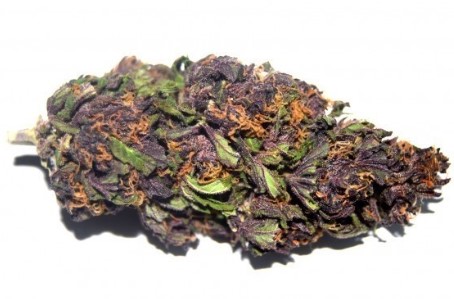
- Compact stature
- Broad leaves
- Dense, trichome-covered buds
- Deep purple hues—enhanced by anthocyanin pigments, especially under cooler nighttime temperatures
- Fragrant terpene profile—berry, grape, floral, and earthy notes
Terpene Profile and Aroma
Purple Buddha’s complex flavor and therapeutic properties are driven by its dominant terpene profile, typically featuring:
- Myrcene – Offers sedative, muscle relaxant, and anti-inflammatory effects. Often the most abundant terpene in Purple Buddha.
- Linalool – Known for its anxiolytic (anti-anxiety) and analgesic properties. Provides floral, lavender-like tones.
- Caryophyllene – A unique terpene that also acts on cannabinoid receptors (CB2), aiding in anti-inflammatory and pain-relieving effects.
- Pinene – Adds mental clarity and bronchodilation (respiratory support).
- Limonene – A citrusy terpene that provides mood enhancement and anxiolytic effects.
Together, these compounds give Purple Buddha a sweet grape-like aroma with earthy undertones, ideal for both flavor and function.
Cannabinoid Profile
While potency can vary by phenotype and grower, average lab-tested THC levels range from 17–24%, with CBD levels typically below 1%. Some medicinally-bred cuts may include higher levels of CBD, but these are less common.
Typical Cannabinoid Breakdown:
| Compound | Average % |
|---|---|
| THC | 18–24% |
| CBD | <1% |
| CBG | ~1% |
| CBC | 0.2–0.6% |
| THCV | 0.1–0.3% |
This profile places Purple Buddha squarely in the therapeutic category for conditions requiring high-THC, full-spectrum cannabinoid activity.
Medical Uses of Purple Buddha
Overview of Active Compounds
Purple Buddha is rich in:
- THC (Δ9-tetrahydrocannabinol) – ~18–24%
- Minor cannabinoids – CBG, CBC, trace CBD
- Terpenes:
- Myrcene (sedative, anti-inflammatory)
- Linalool (anxiolytic, analgesic)
- Caryophyllene (anti-inflammatory, immune modulation)
- Limonene (antidepressant, anxiolytic)
- Pinene (anti-inflammatory, bronchodilator)
These work in concert to deliver a wide array of medicinal effects through entourage synergy.
Endocannabinoid System (ECS) and Mechanism of Action
THC and CB1/CB2 Activation
- CB1 Receptors (central nervous system): THC binds as a partial agonist, modulating:
- Pain perception
- Sleep-wake cycle
- Mood and memory
- Appetite
- CB2 Receptors (immune system): THC and caryophyllene modulate inflammation by interacting with immune cells, such as macrophages and microglia.
Terpene-Cannabinoid Synergy
- Terpenes modulate how cannabinoids cross the blood-brain barrier and bind to receptors.
- This “entourage effect” results in enhanced therapeutic action and reduced side effects compared to THC isolates.
Specific Medical Applications
Pain Relief (Nociceptive and Neuropathic Pain)
Purple Buddha is widely used for chronic pain, including:
- Arthritis
- Fibromyalgia
- Neuropathy
- Cancer-related pain
Mechanisms:
- THC: Reduces nociceptive signals via CB1 activation in the periaqueductal gray (PAG) and dorsal horn of the spinal cord.
- Caryophyllene: Binds CB2 receptors, reducing inflammation-driven pain.
- Myrcene: Enhances GABAergic activity, potentiating muscle relaxation and analgesia.
Studies have shown full-spectrum cannabis to be more effective than single-molecule THC (Marinol) for chronic pain relief.
Anxiety and Stress
Despite its THC content, Purple Buddha’s linalool, limonene, and myrcene offer anxiolytic effects in moderate doses.
Mechanisms:
- Linalool modulates GABA-A receptors, producing calming effects similar to benzodiazepines.
- Limonene increases serotonin and dopamine levels in the prefrontal cortex, enhancing mood.
- Myrcene may promote sedative effects by enhancing adenosine signaling.
Best for: Generalized Anxiety Disorder (GAD), acute situational stress, and social anxiety.
Note: High doses may induce anxiety in THC-sensitive individuals; CBD-dominant or balanced strains are better for severe anxiety disorders.
Depression and Mood Disorders
Purple Buddha supports mood elevation, particularly in mild to moderate depression, due to its dopaminergic and serotonergic activity.
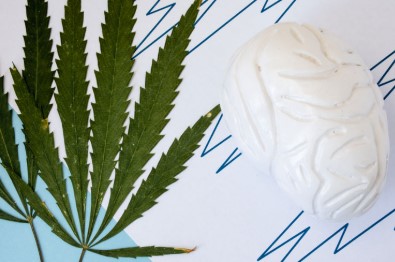
Mechanisms:
- THC indirectly increases dopamine in the nucleus accumbens, associated with reward and pleasure.
- Limonene and pinene enhance neurotransmitter tone, contributing to cognitive clarity and motivation.
- Terpenes may also reduce oxidative stress, implicated in neuroinflammation and depression.
Unlike SSRIs, cannabis effects are immediate and don’t require chronic buildup, though dependency and tolerance are risks with long-term use.
Insomnia and Sleep Disorders
Purple Buddha’s sedative, myrcene-dominant profile makes it highly effective for:
- Sleep onset insomnia
- Restless leg syndrome
- Circadian rhythm disruptions
Mechanisms:
- THC shortens sleep latency (time to fall asleep) and increases Stage 3 NREM (deep sleep).
- Myrcene + linalool increase delta wave activity, promoting restful sleep.
- Suppression of REM sleep may reduce nightmares, helpful for PTSD sufferers.
Chronic use may disrupt REM long-term. Best used intermittently or under guidance.
Appetite Stimulation (Cachexia and Anorexia)
Purple Buddha, like other high-THC strains, stimulates appetite via CB1 receptor activity in the hypothalamus.
Use cases:
- Cancer-related cachexia
- HIV/AIDS-related wasting
- Anorexia nervosa
THC enhances the ghrelin response, driving hunger even in those with nausea or medication-related appetite suppression.
Gastrointestinal Disorders
Patients with IBS, Crohn’s disease, and ulcerative colitis report relief with Purple Buddha due to its:
- Anti-spasmodic effects (via myrcene)
- Anti-inflammatory actions (caryophyllene)
- Nausea control (THC and limonene)
It helps regulate gut motility and reduce visceral pain through ECS modulation of enteric neurons and immune cells in the GI tract.
Inflammation and Autoimmune Support
Purple Buddha supports patients with rheumatoid arthritis, lupus, and MS via immune system modulation.
Mechanisms:
- CB2 activation by caryophyllene and THC reduces pro-inflammatory cytokines (e.g., IL-1β, TNF-α).
- Inhibits NF-κB pathway, a master regulator of inflammation.
- Supports neuroprotection and slows autoimmune degeneration in neuroinflammatory conditions.
Useful in combination with NSAIDs or biologics for synergistic relief with lower pharmaceutical doses.
Neuroprotection and Muscle Disorders
Though not rich in CBD, Purple Buddha still exhibits neuroprotective potential via:
- Antioxidant effects (linalool, limonene, THC)
- Anti-excitotoxicity through CB1-mediated reduction in glutamate
- Spasticity reduction in conditions like multiple sclerosis and spinal cord injury
Comparable in action to Sativex (THC:CBD oromucosal spray used in MS patients).
Migraine Relief
Migraines involve trigeminal nerve hyperactivity and cortical spreading depression. Purple Buddha offers relief by:
- Inhibiting trigeminal pain signals (via CB1 activation)
- Reducing serotonin reuptake (modulated by terpenes)
- Relaxing vascular tone, reducing aura-related symptoms
Myrcene and linalool also support photophobia and sensory overstimulation relief.
PTSD and Trauma
For trauma-related disorders, Purple Buddha supports both emotional regulation and REM suppression, making it useful for:
- Nightmares
- Hypervigilance
- Emotional reactivity
THC + linalool modulate the amygdala’s reactivity to threat stimuli and enhance fear extinction, a key therapeutic target in PTSD.
Clinical and Preclinical Evidence
While specific studies on Purple Buddha are limited, its components are well-studied:
- THC: Proven analgesic, antiemetic, appetite stimulant in cancer and HIV/AIDS (FDA-approved in Marinol)
- Myrcene: Preclinical models show analgesic and sedative effects via central and peripheral mechanisms
- Linalool: Reduces stress in animal models, modulates GABA receptors, and improves cognitive function post-stress
- Caryophyllene: Demonstrated CB2 affinity in vitro, reduces inflammation in IBD and arthritis models
Limitations and Cautions
| Issue | Notes |
|---|---|
| THC Overuse | Risk of tolerance, dependence, and cannabinoid hyperemesis syndrome |
| Anxiety/Paranoia | Especially in sensitive individuals or high doses |
| Drug Interactions | CYP450 metabolism may interact with SSRIs, opioids, benzodiazepines |
| Pregnancy/Breastfeeding | Not recommended due to fetal ECS modulation risk |
Recreational Uses of Purple Buddha
Purple Buddha provides a balanced recreational experience that appeals to users seeking both body relaxation and mild euphoria.
Psychoactive Experience
- Onset: Begins with a cerebral uplift — euphoria, slight mental stimulation, giggly mood.
- Body High: Followed by a deep, warm body relaxation, mild couch-lock in higher doses.
- Duration: Typically lasts 2–4 hours.
- Recommended For:
- Evening or nighttime use
- Solo introspection, meditation
- Calm social settings or music listening
Popular Recreational Effects
| Effect | Description |
|---|---|
| Euphoria | Triggered by THC’s dopamine release and limonene’s mood-lifting effects |
| Relaxation | Driven by myrcene, linalool, and THC synergy |
| Creative Thought | Light cerebral stimulation early in the experience |
| Sensory Enhancement | Amplifies music, touch, and visuals |
| Couch-Lock | More prominent at high doses or late into the high |
This makes Purple Buddha an ideal strain for winding down after a long day, engaging in creative projects, or simply enjoying nature, music, or a film.
Scientific and Pharmacological Insights
Endocannabinoid System (ECS) Interaction
- THC is a partial agonist at CB1 receptors, mainly located in the brain and CNS, resulting in euphoria, altered perception, appetite stimulation, and analgesia.
- CBD, when present, acts as a modulator, reducing THC-related anxiety by influencing 5-HT1A serotonin receptors and reducing CB1 overactivation.
- Caryophyllene binds directly to CB2 receptors, reducing inflammation and supporting immune regulation without psychoactive effects.
Terpene–Cannabinoid Synergy (Entourage Effect)
Scientific literature supports the idea that cannabinoids and terpenes act synergistically, enhancing therapeutic effects:
- Myrcene + THC: Increased permeability across the blood-brain barrier, potentiating sedation and analgesia.
- Limonene + THC: Synergistic mood elevation.
- Linalool + CBD/THC: Enhanced anxiolytic and anticonvulsant effects.
Potential Risks and Side Effects
Despite its many benefits, Purple Buddha may cause adverse effects in certain populations:
- Dry mouth and dry eyes – common due to THC-induced inhibition of salivary glands.
- Dizziness or hypotension – especially in new users or those with low blood pressure.
- THC-induced anxiety or paranoia – higher doses can overstimulate the amygdala.
- Memory impairment – short-term verbal and spatial memory can be temporarily affected due to hippocampal CB1 activation.
Those with a history of psychosis or bipolar disorder should approach with caution due to the potential for exacerbating underlying symptoms.
Cultivation Characteristics
Genotype and Phenotype Considerations
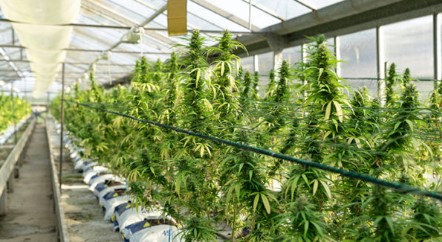
Purple Buddha expresses traits from its parents (Purple Kush × Blue Buddha), showing:
- Indica morphology: broad leaves, short internodal spacing, bushy structure
- Anthocyanin expression: purple coloration enhanced by cold stress
- High trichome density: requires careful handling to preserve cannabinoids and terpenes
Different phenotypes may lean slightly toward either parent. Early phenotyping and selective pruning are crucial for managing uniformity and resin production.
Environmental Parameters
Maintaining optimal environmental controls allows Purple Buddha to express its full phytochemical spectrum. This includes managing light, temperature, humidity, CO₂, and airflow precisely.
Light
- Photoperiod:
- Vegetative: 18/6 light/dark cycle
- Flowering: 12/12 light/dark
- Intensity: 600–1000 μmol/m²/s PPFD during flowering
- Spectrum: Full-spectrum white LED with red and far-red enhancement encourages anthocyanin and terpene expression.
- Daily Light Integral (DLI): Target 35–50 mol/m²/day in flower for optimal cannabinoid production.
Temperature
- Vegetative stage: 24–28°C daytime / 18–22°C night
- Flowering stage: 20–26°C daytime / 16–20°C night
- Late flowering: Reducing night temps to ~15–16°C can stimulate anthocyanin biosynthesis, enhancing the signature purple coloration.
Relative Humidity (RH)
| Stage | Target RH |
|---|---|
| Seedling | 65–70% |
| Vegetative | 55–65% |
| Early Flower | 50–55% |
| Late Flower | 40–45% |
Lower RH during late flowering is crucial to prevent Botrytis (bud rot) in dense colas.
CO₂ Enrichment
- 1000–1200 ppm CO₂ during flowering increases photosynthetic efficiency, biomass, and secondary metabolite production.
- Needs to be combined with high light intensity for effect.
Airflow and VPD
- Maintain strong horizontal and vertical airflow to prevent mold and enhance gas exchange.
- Ideal Vapor Pressure Deficit (VPD): 1.2–1.6 kPa in flowering for optimal transpiration and nutrient uptake.
Growing Media and Nutrient Science
Soil vs Hydroponics
- Soil (Organic):
- Enhances terpene complexity via microbial activity (rhizosphere effects)
- Best with amended super soil rich in compost, worm castings, kelp meal, bone meal, and bat guano
- Coco Coir or Hydroponics:
- Allows precision control of nutrients and pH
- Increases yield but may slightly reduce terpene expression unless properly supplemented
pH Management
| Medium | Optimal pH |
|---|---|
| Soil | 6.2 – 6.8 |
| Hydro/Coco | 5.8 – 6.2 |
Proper pH ensures bioavailability of macro- and micronutrients (N, P, K, Mg, Fe, Zn, etc.).
Nutrient Regimen
| Stage | N-P-K Ratio | Notes |
|---|---|---|
| Seedling | 2-1-2 | Low EC, avoid burn |
| Veg | 3-1-2 | High nitrogen for foliage |
| Early Flower | 1-3-2 | Phosphorus for bud development |
| Late Flower | 0-3-3 | Cut nitrogen, increase K for density/trichomes |
Add calcium and magnesium supplements (Ca/Mg) to avoid lockout, especially in coco or RO systems.
Training Techniques
Maximizing Purple Buddha’s yield and resin production involves canopy management and stress training:
Low-Stress Training (LST)
- Bending main branches horizontally increases light penetration to lower bud sites.
- Helps maintain even canopy height and improves airflow.
Topping & FIMing
- Topping at the 3rd or 4th node encourages lateral branching.
- Used early in veg phase to increase total colas.
SCROG (Screen of Green)
- Ideal for bushy indicas like Purple Buddha.
- Screens create an even, horizontal bud canopy to optimize PAR distribution.
- Enhances yield and bud uniformity.
Defoliation
- Mid-flowering defoliation (week 3–5) removes fan leaves that block light.
- Must be balanced: over-defoliation stresses plants and reduces photosynthesis.
Flowering and Harvesting Optimization
Flowering Time
- 8–10 weeks indoors; late October harvest outdoors.
- Trichome monitoring under magnification (~60x) is essential:
- Milky trichomes = peak THC
- Amber trichomes = more CBN, sedative effect
Flushing
- Final 10–14 days: use only pH-adjusted water to flush salts and nutrients from the substrate.
- Prevents harsh taste and enhances terpene purity.
Harvest Timing
- For balanced effects: 5–15% amber trichomes
- For maximum sedation: 20–30% amber
- Time of day matters: harvesting just before lights on preserves terpenes.
Post-Harvest Processing
Drying
- 16–20°C and 50–55% RH for 7–10 days in dark, ventilated space
- Slow drying prevents chlorophyll retention and preserves terpenes
Curing
- Store buds in airtight glass jars, burped daily for the first two weeks
- Cure for minimum 3–6 weeks
- Enhances terpene complexity and smoothness; enzymatic breakdown of starches continues post-harvest
Yield Expectations
| Environment | Yield Potential |
|---|---|
| Indoor | 400–500 g/m² |
| Outdoor | 500–700 g/plant (climate dependent) |
Training and environmental optimization (CO₂, high PPFD, VPD) can increase yield up to 25–40% above baseline.
Pest and Disease Management
Due to its dense buds and broad leaves, Purple Buddha is prone to:
- Botrytis (bud rot) – prevent with RH control and airflow
- Powdery mildew – use sulfur vapor or beneficial microbes (Bacillus subtilis)
- Spider mites & aphids – IPM with neem oil, insecticidal soap, predatory mites (e.g., Phytoseiulus persimilis)
- Fungus gnats – managed by maintaining dry upper soil layers and adding Bacillus thuringiensis (Bt)
Biological control and preventive foliar sprays during veg are best practices.
Environmental Epigenetics and Chemotype Expression
Recent studies in cannabis epigenetics suggest that environmental stimuli—light stress, temperature, and nutrient levels—can affect gene expression without altering the underlying DNA. For Purple Buddha, this means:
- Cold night temps induce genes for anthocyanin biosynthesis (via MYB transcription factors).
- Light intensity and spectrum modulate terpenoid pathway gene expression (e.g., TPS gene family).
- Soil microbial diversity can enhance root hormone signaling, improving terpene and cannabinoid output.
Understanding these interactions helps unlock the true genetic potential of Purple Buddha.or-forward connoisseurs.
Comparison to Similar Strains
Purple Buddha shares effects and lineage traits with the following strains:
| Strain | Similarity |
|---|---|
| Purple Kush | Shared genetics, deep sedation, and body high |
| Granddaddy Purple | Similar coloration and sleep-promoting effects |
| Blueberry | Similar fruity terpene profile and mood elevation |
| Blue Buddha | Offers cerebral relaxation, less sedative |
| Grape Ape | Grape-flavored, indica-heavy effects |
Conclusion: Is Purple Buddha Right for You?
Purple Buddha is an excellent choice for both medical users seeking relief from pain, stress, or insomnia, and recreational users looking for calm, euphoric relaxation. Its combination of robust THC content, synergistic terpenes, and rich anthocyanin pigmentation offers a multi-sensory, scientifically grounded cannabis experience.
Its gentle cerebral onset followed by full-body calm makes it particularly well-suited to evening use. The therapeutic depth is significant thanks to its chemical diversity and interaction with the endocannabinoid system, making it a strain that bridges both pleasure and purpose.
For a complete directory of cultivars, visit our Cannabis Strain Reviews.
