Table of Contents
Purple Bubba is an indica-dominant cannabis strain celebrated for its potent body high, vibrant coloration, and therapeutic effects. This strain is a cross between Purple Kush and Bubba Kush, both legendary strains in the cannabis world. It blends the heavy sedative properties of Bubba Kush with the colorful, sweet characteristics of Purple Kush.
Purple Bubba is commonly used in medical cannabis settings due to its reliable pain relief, muscle relaxation, and sleep-inducing qualities. On the recreational side, it is beloved for its deeply relaxing, mood-elevating high that makes it ideal for evening.
Genetic Lineage and Breeding
Purple Bubba inherits its characteristics from:
- Bubba Kush: A pre-1998 hybrid of unknown origins, often believed to include Afghani descent. It is revered for its powerful indica sedation and rich, earthy aroma.
- Purple Kush: An iconic pure indica strain from the Hindu Kush mountains, known for its vivid purple hues, grape-like aroma, and calming effects.
By combining these two potent indicas, breeders created a strain that exhibits classic couch-lock effects, with enhancements in flavor and coloration.
Appearance and Morphology
Purple Bubba is visually striking. Key characteristics include:
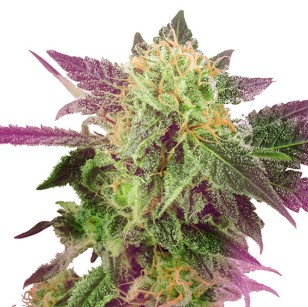
- Coloration: Deep green buds often flecked with purple hues and sometimes nearly black due to pigments called anthocyanins, particularly when cultivated at lower temperatures.
- Trichomes: A dense, crystalline layer of resin glands gives it a frosty, sticky texture, indicating a high cannabinoid content.
- Structure: Compact, dense indica-style buds with short internodal spacing and thick colas.
- Pistils: Bright orange to rust-colored pistils contrast against the dark background.
Terpene Profile
The terpene profile of Purple Bubba contributes to both its aroma and therapeutic effects. Dominant terpenes include:
- Myrcene (0.4–0.8%): The most abundant terpene, responsible for the strain’s earthy, musky scent and strong sedative effects. It enhances THC’s permeability across the blood-brain barrier, amplifying psychoactivity.
- Limonene (0.2–0.6%): Adds citrusy brightness to the flavor and aroma; also offers anti-anxiety and mood-elevating effects.
- Caryophyllene (0.2–0.5%): A peppery, spicy terpene with anti-inflammatory and analgesic properties, known to act on the CB2 receptor.
- Linalool (0.1–0.3%): A floral, lavender-like terpene with strong anxiolytic and sedative properties, contributing to its usefulness for anxiety and insomnia.
Minor Terpenes: Humulene, bisabolol, and terpineol may also be present in small amounts, enhancing its relaxing effects and adding subtle herbal, woody notes.
Cannabinoid Profile
Purple Bubba is potent and generally features:
- THC: 17–22%, sometimes reaching up to 24% depending on cultivation and curing practices.
- CBD: Typically <1%, though some phenotype variations may have slightly higher levels (up to 1.5%).
- CBG: ~0.3–0.5%, contributing to anti-inflammatory effects.
- THCV/CBC: Present in trace amounts, often <0.1%.
Flavor and Aroma
The flavor and aroma of Purple Bubba are distinctive and appealing:
- Aroma: A pungent mix of sweet berries, earthiness, pine, and spice. Undertones of grape and floral hints dominate when cured properly.
- Flavor: Smooth and rich on inhale with sweet grape, earthy spice, and a hint of diesel on exhale. Some phenotypes exhibit herbal, nutty notes.
These sensory characteristics result from the complex interplay between the terpene and flavonoid profiles.
Recreational Effects
Purple Bubba is a quintessential nighttime strain, offering a heavy, body-centered experience. Common recreational effects include:
- Deep Relaxation: A full-body melt often described as “couch-lock,” making it a go-to for winding down.
- Euphoria and Mood Elevation: Users report a gentle mental uplift followed by a contented, hazy calm.
- Sedation: Strongly sleep-inducing at higher doses, especially with extended use.
- Sensory Distortion: Enhanced tactile and auditory perception is common, adding to its appeal for creative or introspective users.
Common Uses:
- Watching movies or listening to music
- Artistic reflection or introspection
- Deep relaxation and recovery after physical exertion
Caution: Beginners may find the high overwhelming due to the fast onset and heavy body load. Dry mouth, dry eyes, and potential dizziness are typical side effects.
Medical Applications
Purple Bubba is rich in THC (17–22%), contains moderate levels of CBG (0.3–0.5%), and is dominated by the terpenes myrcene, limonene, caryophyllene, and linalool. These compounds work together via the entourage effect, enhancing therapeutic outcomes through synergistic action.
Key Mechanisms of Action:
- CB1 receptor activation (central nervous system): pain relief, appetite stimulation, anxiolysis
- CB2 receptor modulation (immune system): anti-inflammatory, immunosuppressive effects
- TRPV1/TRPA1 interaction: reduces neuropathic pain, controls nausea
- 5-HT1A receptor modulation (via terpenes): antidepressant and anti-anxiety effects
- GABAergic and dopaminergic signaling enhancement: mood regulation, muscle relaxation
Medical Applications by Symptom and Condition
Chronic Pain and Neuropathic Pain
Mechanisms:
- THC activates CB1 receptors in the spinal cord and brain, inhibiting nociceptive (pain) signal transmission.
- Caryophyllene binds directly to CB2 receptors, reducing inflammatory cytokine release (e.g., TNF-α, IL-6).
- Myrcene enhances permeability of cell membranes, increasing cannabinoid efficacy.
Use Cases:
- Arthritis, fibromyalgia, migraine, back pain, post-operative pain
- Neuropathies (e.g., diabetic neuropathy, sciatica, MS-related pain)
Scientific Support:
- A 2015 study in the Journal of Pain reported a 64% reduction in chronic pain symptoms with THC-dominant cannabis therapy.
- Myrcene is shown in rodent models to reduce nociception by increasing β-endorphin release.
Sleep Disorders and Insomnia
Mechanisms:
- THC shortens sleep latency and increases slow-wave (deep) sleep.
- Linalool and myrcene act as GABA-A receptor agonists, similar to benzodiazepines.
- THC and CBG reduce REM activity, which may suppress nightmares and night terrors.
Use Cases:
- Primary insomnia, PTSD-related nightmares, sleep apnea, restless leg syndrome
Scientific Support:
- A 2021 review in Sleep Medicine Reviews confirms THC’s efficacy in reducing sleep latency and increasing total sleep time.
- Linalool in combination with THC showed synergistic sedative effects in murine models.
Anxiety and Stress Disorders
Mechanisms:
- Limonene and linalool act on 5-HT1A serotonin receptors, reducing anxiety and elevating mood.
- THC, in low doses, can reduce amygdala hyperactivity (associated with fear responses).
- Myrcene provides a calming, muscle-relaxing effect through modulation of the parasympathetic nervous system.
Use Cases:
- Generalized anxiety disorder (GAD), social anxiety, panic attacks, acute stress
Scientific Support:
- Studies in Cannabis and Cannabinoid Research highlight THC-limonene synergy in anxiety regulation.
- Linalool’s anxiolytic effect was validated in a 2020 study using functional MRI, showing reduced stress-related brain activity.
Note: In high doses, THC may paradoxically increase anxiety in sensitive individuals. The presence of calming terpenes in Purple Bubba often offsets this.
Appetite Stimulation (Cachexia and Anorexia)
Mechanisms:
- THC in Purple Bubba stimulates ghrelin release and activates the hypothalamus, increasing appetite.
- CB1 receptor activation also enhances olfactory sensitivity, making food more appealing.
Use Cases:
- Cancer-related cachexia, HIV/AIDS-related wasting syndrome, anorexia nervosa, chemotherapy side effects
Scientific Support:
- Clinical trials (e.g., Journal of Clinical Oncology, 2007) showed that THC increased caloric intake in cancer patients by ~30%.
- Animal studies confirm THC increases food-seeking behavior and improves weight gain in cachexia models.
Nausea and Vomiting
Mechanisms:
- THC in Purple Bubba inhibits the dorsal vagal complex in the brainstem, suppressing the emetic reflex.
- Myrcene and limonene may also aid by calming the gut-brain axis and promoting gut motility.
Use Cases:
- Chemotherapy-induced nausea and vomiting (CINV), motion sickness, gastrointestinal disorders
Scientific Support:
- THC is FDA-approved as dronabinol for CINV.
- Anecdotal and clinical data show whole-plant cannabis is more effective than THC alone, due to synergistic terpenes.
Muscle Spasms and Spasticity
Mechanisms:
- THC and CBG in Purple Bubba reduce excitatory neurotransmission in the spinal cord.
- Linalool and myrcene offer peripheral muscle relaxation by increasing GABA and glycine release.
Use Cases:
- Multiple sclerosis (MS), Parkinson’s-related tremors, spinal cord injuries, cerebral palsy
Scientific Support:
- The Lancet Neurology (2012) reported improved spasticity scores in MS patients using cannabis extracts.
- CBG has shown potential to reduce muscle contractions in preclinical studies.
Inflammatory and Autoimmune Disorders
Mechanisms:
- Caryophyllene in Purple Bubba reduces inflammation by inhibiting NF-κB, a pro-inflammatory transcription factor.
- CBG has anti-inflammatory effects via COX-2 inhibition and modulation of nitric oxide synthesis.
Use Cases:
- Lupus, Crohn’s disease, ulcerative colitis, rheumatoid arthritis, psoriasis
Scientific Support:
- A 2019 paper in Frontiers in Immunology confirmed caryophyllene’s role in reducing systemic inflammation via CB2 receptors.
- CBG-rich strains reduced inflammatory bowel disease symptoms in animal models.
PTSD and Trauma-Related Conditions
Mechanisms:
- THC and CBG in Purple Bubba regulate fear extinction and reduce hyperarousal by modulating endocannabinoid tone.
- Limonene and linalool enhance mood and reduce cortisol secretion.
Use Cases:
- PTSD (civilian and combat-related), trauma-related insomnia, anxiety flashbacks
Scientific Support:
- Studies on veterans using cannabis indicate reduced PTSD symptoms, fewer nightmares, and improved quality of life.
- CB1 receptor activity dampens retrieval of aversive memories, aiding therapeutic desensitization.
Delivery Methods and Bioavailability
| Method | Onset Time | Duration | Bioavailability | Medical Suitability |
|---|---|---|---|---|
| Inhalation (vaporization) | 1–5 min | 2–4 hrs | ~30% | Fast relief (e.g., nausea, anxiety) |
| Sublingual tincture | 15–30 min | 4–6 hrs | ~15–20% | More controlled dosing |
| Edibles | 45–120 min | 6–8 hrs | ~4–12% | Long-lasting effects (e.g., pain, sleep) |
| Topical (limited use) | — | — | Local only | Inflammation, localized pain |
For Purple Bubba, vaporization is preferred for rapid onset in anxiety, nausea, or acute pain. Edibles or tinctures are better for sustained sleep or chronic pain management.
Side Effects and Contraindications
Common Side Effects (dose-dependent):
- Dry mouth, dry eyes
- Sedation, dizziness (especially in naïve users)
- Increased appetite
- Short-term memory impairment
Rare but Possible:
- THC-induced anxiety or paranoia (in very high doses or THC-sensitive patients)
- Hypotension or lightheadedness
- In rare cases: cannabinoid hyperemesis syndrome (CHS) with chronic overuse
Contraindications:
- Avoid in patients with schizophrenia or bipolar disorder unless closely monitored.
- Caution in pregnant or breastfeeding individuals.
- Drug interactions: THC can interfere with CYP3A4 and CYP2C9 substrates (e.g., warfarin, some antidepressants).
Clinical Research & Evidence Gaps
While Purple Bubba itself has not been the direct subject of clinical trials, its chemical analogs (Bubba Kush, Purple Kush, etc.) and component compounds have strong support in both:
- Preclinical studies (rodent models, cell cultures)
- Human trials using THC-rich extracts or whole-plant preparations
Needs Further Research In:
- Exact terpene-cannabinoid ratios for specific symptom clusters
- CBG’s role in long-term neuroprotection
- Optimal dose titration for geriatric and pediatric patients
- Comparative studies of pure Purple Bubba vs synthetic THC/CBD products
Scientific Insights: Mechanism of Action
Cannabinoid Interactions
- THC: Binds to CB1 receptors in the brain, modulating neurotransmitter release (especially dopamine and GABA). This contributes to euphoria, analgesia, and sedation.
- CBG: Offers neuroprotective and anti-inflammatory effects by modulating TRP channels and influencing endocannabinoid uptake.
- CBD (minimal): Though low in this strain, CBD can modulate THC’s psychoactivity and enhance the anti-inflammatory effects when present.
Entourage Effect
The interplay of THC with terpenes like myrcene, limonene, and caryophyllene creates a synergistic effect:
- Enhancing sedative properties
- Improving pain relief
- Amplifying anti-anxiety effects
This concept, validated in multiple clinical studies, is critical in understanding why whole-plant extracts often outperform isolated cannabinoids in therapeutic settings.
Cultivation Insights
Genetic Considerations and Phenotype Expression
Purple Bubba is an indica-dominant hybrid, which influences its:
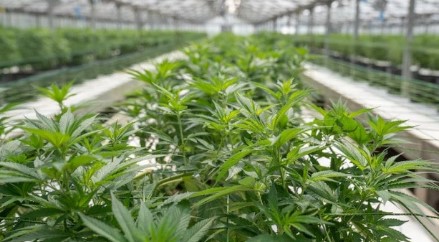
- Growth pattern: Short, bushy stature with dense internodal spacing.
- Leaf structure: Broad, dark green to purple fan leaves with high chlorophyll density.
- Resin production: High glandular trichome density, especially in cooler flowering conditions.
Phenotypic variability is moderate. Some phenotypes may express more traits from Bubba Kush (earthy aroma, dark green color) while others lean toward Purple Kush (grape aroma, deep purple hues). Environmental conditions play a crucial role in how these traits manifest.
Environmental Parameters (Indoor vs Outdoor)
Temperature
- Vegetative Stage: 22–28°C (optimal for rapid growth)
- Flowering Stage: 20–26°C (helps prevent terpene degradation)
- Color Enhancement: To encourage anthocyanin production for purple coloration, reduce nighttime temperatures by 4–8°C during late flowering (e.g., 18°C night / 24°C day).
Humidity
- Vegetative: 55–65% RH
- Flowering (early): 45–55% RH
- Flowering (late): 35–45% RH
- Post-Harvest Drying: 60% RH at 18–20°C in darkness to preserve terpenes and cannabinoids.
Light Intensity & Spectrum
- Vegetative: 18/6 light cycle with 300–500 μmol/m²/s PPFD; blue-heavy spectrum (400–500 nm) encourages compact growth.
- Flowering: 12/12 cycle with 600–1000 μmol/m²/s PPFD; red-heavy spectrum (620–700 nm) increases bud density and trichome formation.
- UV-B Exposure: Intermittent low-dose UV-B during late flowering has been shown to increase trichome density and cannabinoid biosynthesis (especially THC).
Nutritional Regimen
Purple Bubba, like many indicas, is moderately heavy-feeding, especially during early flowering. However, overfeeding can hinder terpene and anthocyanin development.
Macronutrients (N-P-K):
- Vegetative Phase: 3-1-2 or 4-2-3 NPK
- Nitrogen supports leaf growth and chlorophyll development.
- Flowering Phase (weeks 1–3): 1-3-2 or 2-4-4
- Increased phosphorus promotes bud formation.
- Late Flowering (weeks 6–9): 0-4-4 or similar
- Reduce nitrogen to prevent leafy buds; potassium supports terpene synthesis.
Micronutrients:
- Iron, magnesium, sulfur, and calcium are vital, especially during mid to late flowering. Deficiencies can reduce yield and lower terpene/cannabinoid expression.
Note: Organic feeding (e.g., compost teas, bat guano, kelp meal) can enhance the soil microbiome, improving nutrient uptake and terpene intensity.
Substrate & Root Zone Conditions
Preferred Medium:
- Soil: Rich, loamy, pH-balanced (6.2–6.5), amended with perlite or vermiculite for drainage.
- Coco coir: Excellent oxygenation, pH of 5.8–6.2, but requires more frequent feeding.
Root Zone Temperature:
- Maintain around 20–22°C for optimal nutrient uptake and mycorrhizal activity.
- Temperatures below 18°C can reduce phosphorus uptake; above 25°C can cause root rot.
Training and Yield Optimization
Purple Bubba has a compact, squat structure, but can be managed for improved light penetration and yield.
Low-Stress Training (LST):
- Gently bend and tie down main branches during weeks 2–4 of vegetative growth to create a wider canopy and more even light distribution.
Screen of Green (ScrOG):
- Ideal for maximizing yields in small spaces. Install a net to spread out growth horizontally.
Topping:
- Remove the apical meristem at the 4th–6th node to encourage lateral growth and multiple colas.
Defoliation:
- Moderate defoliation around week 3 of flowering helps improve airflow and light penetration in dense indica canopies. Excessive defoliation can stress Purple Bubba, so use caution.
Flowering and Maturation
Flowering Time:
- Indoors: 8–9 weeks
- Outdoors: Harvest in mid-to-late October depending on climate
Trichome Monitoring:
- Purple Bubba’s ideal harvest window is when:
- 70–90% of pistils have turned orange
- Trichomes are mostly cloudy with ~10–15% amber for maximum potency and sedative effects
- Use a digital microscope (60–100x) for accurate trichome inspection.
Pest and Pathogen Management
Purple Bubba’s dense buds make it susceptible to mold, especially in high humidity environments.
Common Threats:
- Powdery Mildew: Monitor humidity and use organic sulfur sprays during veg.
- Botrytis (Bud Rot): Avoid wet trimming and high RH during late flowering and drying.
- Spider Mites: Use neem oil or predatory mites in veg stage; avoid sprays in flower.
Best Practices:
- Strong airflow with oscillating fans
- HEPA filtration for indoor air quality
- Organic IPM (integrated pest management) with beneficial insects (e.g., ladybugs, lacewings)
Post-Harvest: Curing for Terpene Preservation
Drying:
- 7–10 days at 18–20°C and 50–60% RH in total darkness.
- Dry the stems until they break instead of bending.
Curing:
- Place buds in airtight glass jars, fill to ~75% capacity.
- Burp jars 1–2 times daily for the first 10 days to release moisture and excess CO₂.
- Cure for a minimum of 3 weeks, ideally 6–8 weeks for peak flavor and aroma.
- Target final RH inside the jar: 58–62%
Proper curing enhances:
- Flavor: Terpenes become more pronounced and nuanced.
- Smoothness: Chlorophyll degrades, reducing harshness.
- Potency: Cannabinoids stabilize and continue minor biosynthetic conversion.
Scientific Insights: Secondary Metabolite Expression
Purple Bubba’s prized aroma and therapeutic effects depend on optimizing the synthesis of secondary metabolites such as:
- THC & CBG: Derived from the precursor cannabigerolic acid (CBGA). Proper light, nutrition, and enzyme activation during flowering are critical.
- Terpenes: Synthesized in glandular trichomes via the MEP and MVA pathways. They are extremely sensitive in their expression to:
- Light spectrum
- Nutrient availability (sulfur, magnesium)
- Temperature fluctuations
- UV exposure
Flavonoids like anthocyanins, which give Purple Bubba its rich hues, are also produced in response to cold stress, pH variation, and light exposure.
Yield and Potency Optimization
Expected Yields:
- Indoor: 350–450 g/m²
- Outdoor: 500–600 g/plant (in optimal soil and full sun)
Boosting Potency:
Allowing buds to fully mature without premature harvest increases total THC, CBG, and terpene content.
Supplemental CO₂ (~1000–1200 ppm during light cycle) can increase bud mass and THC concentration by enhancing photosynthetic efficiency.
Pharmacological Considerations
- Bioavailability: THC has an oral bioavailability of 4–20%, while inhalation (vaporization or smoking) delivers rapid onset with ~30% efficiency.
- Metabolism: THC is metabolized by liver enzymes (CYP2C9, CYP3A4), forming the psychoactive metabolite 11-hydroxy-THC.
- Tolerance and Dependence: With heavy or long-term use, tolerance to Purple Bubba’s sedative and euphoric effects may develop. A typical tolerance break restores efficacy.
Comparative Analysis with Similar Strains
| Strain | Dominant Terpenes | Effects | Use Cases |
|---|---|---|---|
| Purple Bubba | Myrcene, Limonene | Sedative, euphoric | Pain, insomnia, anxiety |
| Bubba Kush | Myrcene, Caryophyllene | Deep sedation | Chronic pain, stress |
| Purple Kush | Linalool, Myrcene | Calming, euphoric | Sleep disorders, nausea |
| Granddaddy Purple | Myrcene, Pinene | Relaxing, dreamy | Stress, pain, muscle spasms |
Consumer Demographics and Usage Trends
- Preferred by: Older patients, chronic pain sufferers, veterans with PTSD, and recreational users looking for strong nighttime effects.
- Consumption Methods:
- Vaporization: Preserves terpenes, offers fast relief.
- Combustion: Traditional but less efficient.
- Edibles: Longer-lasting but risk of overconsumption due to delayed onset.
- Tinctures/Extracts: For precise dosing and medical regimens.
Legal and Regulatory Notes
- Availability: Widely available in legal dispensaries across North America.
- Testing: Lab-tested Purple Bubba products should show detailed cannabinoid/terpene content and absence of contaminants (pesticides, mold, heavy metals).
- Medical Programs: Recognized in several state medical cannabis programs for sleep, pain, and appetite stimulation.
Conclusion
Purple Bubba is a powerful, full-bodied indica-dominant strain with a strong scientific foundation supporting its medical and recreational applications. Its parentage gives it a complex profile of relaxing and euphoric effects, driven by a robust terpene profile and moderate-to-high THC content.
Because of its adaptability, it’s a great option for:
- Chronic pain sufferers seeking powerful nighttime relief
- Patients with sleep disorders or anxiety
- Recreational users looking to deeply relax and unwind
Whether grown in small home gardens or large commercial facilities, Purple Bubba stands out for its rich flavors, therapeutic power, and striking visual appeal—cementing its legacy among the elite members of the indica family.
For a complete directory of cultivars, visit our Cannabis Strain Reviews.
