Table of Contents
Purple Afghani is an Indica-dominant hybrid cannabis strain known for its deep purple hues, potent effects, and rich resin production. It originates from the mountainous regions of Afghanistan and is a cross between Afghani landrace strains and Purple Kush. This strain has gained popularity among both recreational and medical cannabis users due to its high THC content, relaxing properties, and unique terpene profile.
Genetics and Lineage
Purple Afghani is a hybrid strain with predominantly Indica genetics. It is believed to be a cross between:
- Afghani Landrace: A pure Indica strain native to the Hindu Kush mountain range. It is known for its resilience, heavy resin production, and deeply sedating effects.
- Purple Kush: A well-known Indica strain that contributes to Purple Afghani’s vibrant purple coloration, earthy aroma, and deeply relaxing effects.
This blend of genetics results in a strain that is potent, flavorful, and ideal for nighttime use.
Cannabinoid Profile
The cannabinoid composition of Purple Afghani varies slightly based on cultivation methods, but the general range includes:
- THC: 18-25% (High potency, making it ideal for experienced users)
- CBD: 0.5-1.5% (Minimal but present, adding mild therapeutic benefits)
- CBG: 1% (Supports anti-inflammatory and neuroprotective properties)
- CBC & CBN: Trace amounts (Potential benefits for relaxation and pain relief)
Terpene Profile
The rich terpene profile of Purple Afghani contributes to its unique aroma, flavor, and therapeutic effects. Dominant terpenes include:
- Myrcene: (Herbal, musky) – Enhances relaxation and sedation, making it ideal for pain relief and sleep disorders.
- Caryophyllene: (Peppery, spicy) – Known for its anti-inflammatory properties and potential to interact with CB2 receptors, aiding in pain relief.
- Linalool: (Floral, lavender-like) – Contributes to the strain’s calming effects, reducing anxiety and stress.
- Pinene: (Pine-like) – Helps counteract sedation, promoting mental clarity.
- Humulene: (Earthy, woody) – Offers potential appetite-suppressing and anti-inflammatory properties.
Aroma and Flavor
Purple Afghani has a complex and appealing flavor profile characterized by:
- Earthy and piney undertones
- Sweet and floral notes with a hint of berries
- Spicy and herbal aftertaste
- Subtle hints of citrus and lavender
The combination of terpenes and flavonoids makes Purple Afghani a delightful strain for both smoking and vaporizing.
Effects and Recreational Uses
Immediate Onset (0-10 Minutes)
- A warm body buzz begins to spread from head to toe.
- Initial euphoric and uplifting effects.
Peak Effects (30-60 Minutes)
- Strong physical relaxation and couch-lock sensation.
- Euphoric cerebral effects that can cause giggly and uplifting moods.
- Heightened sensory perception (enhanced music and taste enjoyment).
Long-lasting Effects (2-4 Hours)
- Deep muscle relaxation.
- Sedative effects leading to drowsiness and sleep.
- Increased appetite (commonly known as the “munchies”).
Best Recreational Uses
- Evening or nighttime strain due to its deeply relaxing properties.
- Great for watching movies, listening to music, or deep conversations.
- Ideal for stress relief after a long day.
- Enhances creativity in relaxed settings, such as painting or brainstorming.
Medical Benefits of Purple Afghani
Purple Afghani is widely used in the medical cannabis community for its numerous therapeutic effects.
Pain Management
- Chronic pain relief: Due to Purple Afghani high THC and caryophyllene content, Purple Afghani helps reduce pain associated with arthritis, fibromyalgia, and migraines.
- Muscle spasms and cramps: The heavy body relaxation properties of Purple Afghani alleviate muscle tension and spasms.
Sleep Disorders and Insomnia
- Acts as a natural sleep aid by inducing deep relaxation and drowsiness.
- Helps with restorative sleep for people suffering from insomnia and irregular sleep patterns.
Mental Health Benefits
- Anxiety and Stress Reduction: Linalool and myrcene in Purple Afghani contribute to calming the nervous system and reducing stress.
- Depression Management: The initial euphoric and mood-enhancing effects help improve overall mental well-being.
- PTSD and Trauma: Helps in reducing intrusive thoughts and nightmares.
Appetite Stimulation
- Effective for patients undergoing chemotherapy or those suffering from conditions like HIV/AIDS that cause appetite loss.
- Helps combat nausea and digestive disorders.
Methods of Ingestion and Their Effects
A. Inhalation (Smoking/Vaporizing)
- Method: Smoking dried Purple Afghani in a joint, pipe, or bong; vaporizing at controlled temperatures.
- Bioavailability: 20-56% (High, due to rapid absorption into the bloodstream).
- Onset: Seconds to 5 minutes (Almost immediate effects).
- Peak Effects: 15-30 minutes after inhalation.
- Duration: 1.5 – 3 hours before tapering off.
- Metabolism: Absorbed through the lungs, cannabinoids enter the bloodstream almost instantly, bypassing first-pass liver metabolism.
- Best For: Immediate pain relief, anxiety reduction, and recreational euphoria.
Comparing Smoking vs. Vaporizing
| Factor | Smoking | Vaporizing |
|---|---|---|
| Temperature | 600-900°F | 315-430°F |
| Bioavailability | 20-30% | 40-56% |
| Carcinogens | Present | Absent |
| Terpene Preservation | Low | High |
| Efficiency | Moderate | High |
Scientific Note:
- Vaporizing at lower temperatures (315-350°F) preserves terpenes such as linalool and myrcene, which contribute to relaxation.
- High temperatures (above 400°F) can increase THC decarboxylation, enhancing potency but destroying delicate terpenes.
B. Oral Consumption (Edibles, Tinctures, Capsules)
- Method: Ingesting infused foods, oils, or capsules.
- Bioavailability: 4-20% (Lower than inhalation due to first-pass liver metabolism).
- Onset: 30-90 minutes (Longer due to digestive processing).
- Peak Effects: 2-3 hours after ingestion.
- Duration: 4-8 hours (Significantly longer than inhalation).
- Metabolism: Cannabinoids are metabolized in the liver, where Δ9-THC converts to 11-hydroxy-THC, a more potent and long-lasting compound.
- Best For: Chronic pain management, long-lasting relief, sleep disorders, and sustained relaxation.
Edibles vs. Tinctures vs. Capsules
| Factor | Edibles | Tinctures | Capsules |
|---|---|---|---|
| Onset Time | 45-90 min | 15-45 min | 30-60 min |
| Peak Effects | 2-3 hours | 1-2 hours | 2-3 hours |
| Duration | 6-8 hours | 4-6 hours | 6-8 hours |
| Potency | High (11-hydroxy-THC) | Moderate | High |
Scientific Note:
- 11-hydroxy-THC is 2-3 times more psychoactive than Δ9-THC, leading to a stronger and longer high.
- Effects vary with metabolism; users with faster digestion may feel effects within 30 minutes, while those with slower metabolism may take up to 2 hours.
- Tinctures (alcohol-based) allow for sublingual absorption, reducing liver metabolism and speeding onset.
C. Sublingual (Tinctures and Oils)
- Method: Dropping cannabis oil or tincture under the tongue for direct absorption.
- Bioavailability: 12-35% (Higher than edibles, lower than inhalation).
- Onset: 15-45 minutes.
- Peak Effects: 1-2 hours.
- Duration: 4-6 hours.
- Metabolism: Some cannabinoids enter the bloodstream directly through the mucous membranes, bypassing liver metabolism (partial first-pass avoidance).
- Best For: Rapid symptom relief (pain, anxiety) without smoking.
D. Topical Application (Creams, Balms, Transdermal Patches)
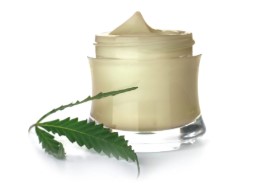
- Method: Direct skin application of infused lotions, salves, or transdermal patches.
- Bioavailability: Low (<10%) for localized effects, High (up to 50%) for transdermal patches.
- Onset: 15-30 minutes (Depends on skin permeability).
- Peak Effects: 1-2 hours.
- Duration: 3-6 hours (Transdermal patches: up to 12 hours).
- Metabolism: Absorbed through the skin, but does not enter the bloodstream significantly unless formulated as a transdermal patch.
- Best For: Localized pain relief (arthritis, muscle soreness, inflammation) without psychoactive effects.
Transdermal Patches vs. Regular Topicals
| Factor | Regular Topical | Transdermal Patch |
|---|---|---|
| Systemic Absorption | No | Yes |
| Psychoactive Effects | None | Possible |
| Duration | 3-6 hours | 8-12 hours |
Scientific Note:
- Transdermal formulations allow THC and CBD to penetrate the dermal layers into systemic circulation, offering long-lasting effects.
- Regular topicals are localized and do not enter the bloodstream.
Comparative Analysis of Onset, Peak, and Duration Across Methods
| Method | Onset | Peak Effects | Duration |
|---|---|---|---|
| Smoking/Vaping | Seconds to 5 min | 15-30 min | 1.5-3 hours |
| Edibles | 30-90 min | 2-3 hours | 6-8 hours |
| Tinctures (Sublingual) | 15-45 min | 1-2 hours | 4-6 hours |
| Topicals (Regular) | 15-30 min | 1-2 hours | 3-6 hours |
| Transdermal Patches | 30 min – 1 hour | 1-3 hours | 8-12 hours |
3. Factors Influencing Onset and Duration
- Metabolism: Faster metabolism = shorter duration, slower metabolism = longer-lasting effects.
- Full vs. Empty Stomach: Edibles on an empty stomach hit faster but fade quicker.
- THC Concentration: Higher THC doses extend duration and peak intensity.
- Terpene Profile: Myrcene enhances bioavailability, making THC more potent.
- Body Fat Percentage: THC is fat-soluble, meaning it may linger longer in heavier individuals.
Scientific Insights and Pharmacological Mechanisms
Purple Afghani’s effects on the body and mind can be attributed to its interaction with the endocannabinoid system (ECS). Key mechanisms include:
THC Interaction with CB1 Receptors
- THC binds to CB1 receptors in the brain, leading to euphoria, relaxation, and altered sensory perception.
- The high THC content in Purple Afghani contributes to its strong sedative effects.
CBD and CB2 Receptor Modulation
- Even with lower CBD levels, its presence helps modulate inflammation and reduces anxiety.
- Works synergistically with THC to provide balanced pain relief and muscle relaxation.
Neuroprotective Properties
- The presence of CBG and CBC supports neuroprotective benefits, potentially aiding in conditions like Parkinson’s disease, multiple sclerosis (MS), and epilepsy.
Terpenes and the Entourage Effect
- The entourage effect enhances the strain’s overall impact by combining cannabinoids and terpenes.
- Myrcene + THC: Enhances sedative properties, promoting better sleep.
- Caryophyllene + THC: Provides pain relief and reduces inflammation.
Growing Information
Environmental Conditions for Optimal Growth
Since Purple Afghani originates from cool mountainous regions, it thrives in specific climate conditions.
Ideal Parameters for Indoor Cultivation
| Factor | Optimal Range |
|---|---|
| Temperature (Day) | 70-78°F (21-26°C) |
| Temperature (Night) | 55-65°F (13-18°C) to enhance purple pigmentation |
| Humidity (Veg Phase) | 50-60% |
| Humidity (Flowering Phase) | 40-50% |
| CO₂ Levels | 1200-1500 PPM |
| pH Range (Soil) | 6.0-6.5 |
| pH Range (Hydroponics) | 5.5-6.0 |
| Light Cycle (Veg) | 18-24 hours of light |
| Light Cycle (Flowering) | 12 hours light / 12 hours dark |
Ideal Outdoor Conditions
- Climate: Dry, Mediterranean-like environments are preferred.
- Soil Type: Well-aerated loamy soil with high organic matter.
- Optimal Sunlight: 8+ hours of direct sunlight per day.
- Elevation Considerations: Thrives in high-altitude, cooler climates to boost purple pigmentation.
2. Cultivation Mediums: Soil vs. Hydroponics
Purple Afghani can be grown using various growing mediums, each with unique advantages.
Soil Cultivation (Organic)
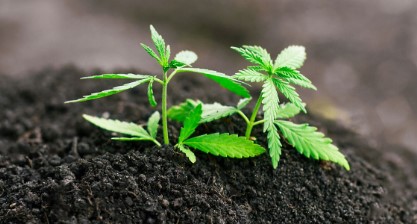
- Best suited for growers who prefer terpene-rich profiles.
- Use living soil enriched with compost, worm castings, and mycorrhizal fungi.
- Microbial life in the soil enhances nutrient uptake and supports root development.
- Requires frequent flushing to avoid nutrient buildup.
Hydroponic Cultivation (Controlled Nutrient Uptake)
- Faster growth rates due to direct nutrient absorption.
- Precise control over pH, EC (electrical conductivity), and nutrient concentrations.
- Best hydroponic systems for Purple Afghani:
- Deep Water Culture (DWC)
- Nutrient Film Technique (NFT)
- Coco Coir Hydroponics
- Requires strict pH management (5.5-6.0) and regular system maintenance.
Nutrient Requirements and Feeding Schedule
Purple Afghani requires a tailored nutrient regimen for each stage of growth.
Vegetative Stage (Weeks 1-6)
- High Nitrogen (N) levels to support rapid vegetative growth.
- Balanced Phosphorus (P) and Potassium (K) for root and branch development.
- Recommended NPK Ratio: 3-1-2.
- Silica supplements enhance stem strength and resistance to stress.
- Calcium (Ca) and Magnesium (Mg) supplementation for strong cell walls.
Flowering Stage (Weeks 7-10)
- Reduce Nitrogen (N) intake to shift energy towards bud production.
- Increase Phosphorus (P) and Potassium (K) to enhance resin production and flower density.
- Recommended NPK Ratio: 1-3-3.
- Sulfur (S) and Zinc (Zn) supplementation helps enhance terpene synthesis.
- Flush the plant with pure water during the final 1-2 weeks before harvest to remove excess salts.
Advanced Cultivation Techniques
To maximize yield and potency, growers can implement advanced scientific growing methods:
Low-Stress Training (LST)
- Bends and ties branches to create an even canopy.
- Increases light penetration and bud site development.
- Ideal for indoor cultivation with limited vertical space.
Screen of Green (ScrOG)
- Uses a horizontal trellis net to train branches.
- Encourages a uniform canopy for maximum light exposure.
- Improves airflow and reduces risk of mold.
Defoliation & Pruning
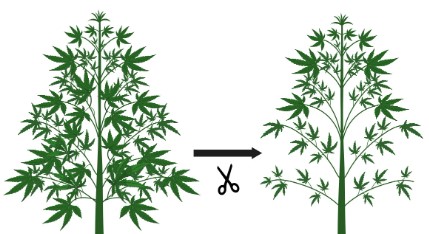
- Selective leaf removal increases light penetration.
- Reduces humidity buildup, preventing bud rot.
- Focuses energy on top colas for bigger, denser buds.
Temperature & Purple Coloration Enhancement
- Lower nighttime temperatures to 55-65°F (13-18°C) in the last 3 weeks of flowering.
- This activates anthocyanin production, enhancing purple pigmentation in the buds.
- Reducing chlorophyll levels also improves flavor complexity.
Pest and Disease Management
Purple Afghani is relatively resistant to mold, pests, and mildew, but preventative measures should be taken.
Common Pests
- Spider mites → Use neem oil or predatory mites.
- Aphids & Thrips → Introduce ladybugs or use organic insecticidal soap.
- Fungus Gnats → Use sticky traps and maintain dry topsoil.
Common Diseases
- Powdery Mildew → Improve air circulation and use sulfur-based sprays.
- Bud Rot (Botrytis) → Maintain humidity below 50% during flowering.
Harvesting and Curing for Maximum Potency
To preserve terpenes and cannabinoids, precise harvesting and curing techniques are necessary.
When to Harvest?
- Use a jeweler’s loupe to check trichome maturity:
- Milky Trichomes = Peak THC content.
- Amber Trichomes = More sedative effects.
- Clear Trichomes = Underdeveloped, wait longer.
Drying Process (7-14 Days)
- Hang trimmed branches upside down in a dark room with:
- Temperature: 60-70°F (15-21°C).
- Humidity: 45-55%.
- Airflow: Gentle circulation to prevent mold.
Curing Process (2-6 Weeks)
- Store dried buds in glass jars, opening daily for the first week to release moisture.
- Maintain 60-65% humidity for optimal terpene preservation.
- Slower curing results in smoother smoke and enhanced potency.
Scientific Impact on Cannabinoid & Terpene Profiles
- Controlled stressors (temperature, light spectrum, nutrients) can enhance resin and terpene production.
- Higher UV-B exposure (290-320 nm) during late flowering can boost THC levels.
- CO₂ enrichment (1200-1500 PPM) during vegetative & early flowering enhances growth.
- Organic vs. Synthetic Nutrients: Studies suggest organic soil enhances terpene complexity, while hydroponics increases yield but can reduce terpene intensity.
Potential Side Effects
While Purple Afghani is well-tolerated by most users, some potential side effects include:
- Dry mouth and dry eyes (common with THC-rich strains).
- Dizziness and mild headaches (especially in new users or when consumed in high doses).
- Couch-lock and sedation (ideal for nighttime use but may be overwhelming for some users).
- Paranoia or anxiety (in users sensitive to high THC strains).
Conclusion
Purple Afghani is a powerful Indica-dominant strain that offers exceptional relaxation, pain relief, and sleep aid properties. Its rich terpene and cannabinoid profile make it a top choice for both medical and recreational users seeking strong sedative effects and a flavorful smoking experience. Whether you’re looking for stress relief, pain management, or simply a strain to unwind, Purple Afghani delivers a deeply soothing cannabis experience.
For a complete directory of cultivars, visit our Cannabis Strain Reviews.
