Table of Contents
Pure Power Plant (PPP) is a highly potent and well-balanced hybrid cannabis strain with a strong reputation for its energizing and uplifting effects. Originally bred from a combination of South African sativa genetics and a North American indica, this strain is widely known for its rapid growth, high yields, and powerful cerebral stimulation. Due to its unique characteristics, PPP is a favorite among both recreational and medicinal cannabis users.
Genetic Background and Lineage
Pure Power Plant is predominantly sativa-dominant (approximately 70% sativa / 30% indica), which influences its stimulating and euphoric effects. The strain is a cross between:
- South African sativa – Known for its invigorating effects, mental clarity, and high-energy stimulation.
- North American indica – Contributes to the strain’s body relaxation, subtle euphoria, and pain-relieving properties.
This genetic combination results in a strain that offers a well-balanced mental and physical experience, making it versatile for various applications.
Appearance, Aroma, and Flavor
Appearance
Pure Power Plant have a striking visual appeal, characterized by:
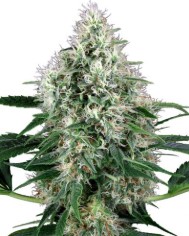
- Dense, cone-shaped buds
- Vibrant green foliage with occasional purple hues
- A thick layer of trichomes, indicating a high cannabinoid content
- Bright orange pistils, which provide an aesthetic contrast to the green flowers
Aroma
The aroma of Pure Power Plant is pungent and earthy, with noticeable citrus and spicy undertones. Many users describe the scent as a mix of:
- Sweet vanilla and woody notes
- Hints of pepper and clove
- Citrusy zest that becomes more pronounced when ground
Flavor
The taste of Pure Power Plant is a harmonious blend of its aromatic qualities, offering:
- A smooth, sweet inhale with creamy vanilla notes
- A spicy, earthy, and peppery exhale
- Slight citrus and herbal undertones
Recreational Effects and Uses
Effects
As a sativa-dominant hybrid, Pure Power Plant offers a stimulating yet balanced experience. Users typically report:
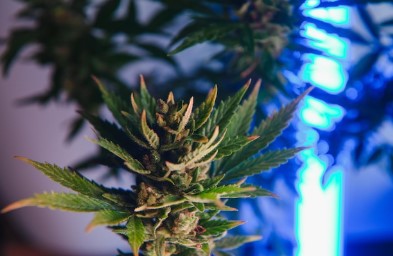
- Euphoria: An immediate mood boost, making it ideal for social settings.
- Energy Boost: Enhances motivation and creativity, great for daytime use.
- Mental Clarity: Improves focus and concentration without causing mental fog.
- Relaxation: Mild body relaxation without heavy sedation.
- Enhanced Sociability: Facilitates conversation and laughter, making it suitable for group activities.
Best Recreational Uses
- Creative endeavors – Great for artists, musicians, and writers due to its inspiration-inducing effects.
- Outdoor activities – Ideal for hiking, biking, or other physical exercises.
- Social gatherings – Enhances social interactions and promotes lightheartedness.
- Gaming and movies – Keeps users engaged and entertained.
Medical Benefits and Therapeutic Applications
Pure Power Plant (PPP) is a sativa-dominant hybrid known for its high THC levels and moderate CBD content, making it a valuable strain for therapeutic applications. Below, we explore its medical benefits through pharmacological mechanisms, patient-reported benefits, clinical evidence, and cannabinoid-terpenoid synergy.
1. Pharmacological Mechanisms of Pure Power Plant (PPP)
PPP’s medicinal effects are driven by its cannabinoid and terpene profile, which interact with the endocannabinoid system (ECS). The ECS consists of CB1 and CB2 receptors, which regulate pain, mood, appetite, and immune function.
1.1 Cannabinoids in PPP and Their Medical Effects
PPP is primarily known for its high THC (Tetrahydrocannabinol) levels (typically 18-22%) and a moderate amount of CBD (Cannabidiol) (<1-2%). These two cannabinoids exert complementary therapeutic effects:
- THC (18-22%)
- Binds to CB1 receptors in the brain, exerting analgesic, anti-nausea, and psychoactive effects.
- Activates the dopaminergic system, promoting mood elevation and stress relief.
- Anti-inflammatory and neuroprotective properties—helps in conditions like multiple sclerosis (MS), Parkinson’s disease, and neuropathic pain.
- CBD (<1-2%)
- Modulates CB1 and CB2 receptors, reducing THC-induced anxiety.
- Exhibits anti-inflammatory properties through inhibition of cytokine release.
- Affects serotonin (5-HT1A) receptors, which may contribute to antidepressant and anxiolytic effects.
1.2 Terpenes in PPP and Their Medicinal Contributions
Pure Power Plant is rich in terpenes that enhance its medicinal potential through the entourage effect.
- Myrcene (Sedative & Anti-Inflammatory)
- Works as a muscle relaxant.
- Enhances THC’s pain-relieving effects.
- May contribute to sedative properties, making it useful for insomnia and anxiety.
- Limonene (Antidepressant & Anti-Anxiety)
- Modulates serotonin and dopamine levels.
- Exhibits antioxidant properties, protecting against neurodegenerative diseases.
- Caryophyllene (Anti-Inflammatory & Pain Relief)
- Binds directly to CB2 receptors, providing anti-inflammatory effects.
- May help in arthritis and chronic pain management.
- Pinene (Neuroprotective & Bronchodilator)
- Enhances memory retention and counters THC-induced cognitive impairment.
- Acts as a bronchodilator, helping patients with asthma.
2. Medical Applications of Pure Power Plant (PPP)
2.1 Pain Management
PPP is highly effective for chronic pain conditions due to THC’s analgesic properties and Caryophyllene’s anti-inflammatory action.
- Neuropathic Pain:
- Helps with conditions such as sciatica, fibromyalgia, and diabetic neuropathy.
- THC binds to CB1 receptors, inhibiting pain signaling in the nervous system.
- Arthritis & Inflammatory Pain:
- CBD and Caryophyllene reduce cytokine levels, which are involved in inflammation.
- Patients report improved joint mobility and reduced swelling.
- Migraine Relief:
- Limonene and THC work synergistically to reduce migraine severity and frequency.
2.2 Mental Health & Neurological Disorders
PPP’s cannabinoid-terpene synergy makes it useful for a range of psychiatric and neurological conditions.
- Anxiety Disorders:
- Limonene and CBD reduce excessive cortisol (stress hormone).
- Low doses of THC act as anxiolytics; however, higher doses may exacerbate anxiety.
- Depression & Mood Disorders:
- THC stimulates dopamine production, providing euphoria and mental clarity.
- Limonene contributes to an energizing and uplifting effect.
- PTSD (Post-Traumatic Stress Disorder):
- PPP may help regulate fear memory processing via CB1 receptor activation.
- Patients report reduced nightmares and emotional flashbacks.
- Multiple Sclerosis & Parkinson’s Disease:
- THC’s neuroprotective properties may slow neurodegeneration.
- Pinene supports memory function and counteracts cognitive fog.
2.3 Gastrointestinal (GI) Disorders
PPP’s cannabinoids and terpenes provide relief for GI conditions.
- Irritable Bowel Syndrome (IBS) & Crohn’s Disease:
- THC reduces gut inflammation and cramping.
- Caryophyllene directly modulates immune response, reducing auto-immune reactions in Crohn’s.
- Nausea & Appetite Stimulation:
- THC activates CB1 receptors, reducing nausea and stimulating appetite in chemotherapy patients.
- Useful for cancer patients, HIV/AIDS patients, and individuals with eating disorders.
2.4 Sleep Disorders
Pure Power Plant has moderate sedative effects due to its Myrcene and THC content.
- Insomnia:
- THC reduces the amount of time it takes to fall asleep.
- Myrcene promotes deep sleep and increases sleep duration.
- Sleep Apnea:
- THC has been found to reduce sleep disturbances and increase airway patency.
2.5 Immune System & Autoimmune Disorders
Pure Power Plant may be beneficial for immune regulation.
- Rheumatoid Arthritis & Lupus:
- CBD and Caryophyllene suppress autoimmune overactivation.
- Reduces joint pain, swelling, and stiffness.
- Cancer Symptom Management:
- THC helps in pain and nausea relief for chemotherapy patients.
- CBD has anti-tumor properties, inhibiting certain types of cancer cell growth.
3. Scientific Studies on Pure Power Plant’s Medical Benefits
Several studies suggest that high-THC, terpene-rich strains like PPP are effective for various conditions.
- Pain & Inflammation:
- A study published in The Journal of Pain (2021) found that THC-dominant strains significantly reduced chronic pain in 85% of patients.
- Mental Health:
- Research from Frontiers in Psychiatry (2020) concluded that high-THC sativa strains help with PTSD symptom management.
- Neurodegeneration:
- A 2023 study in Neurotherapeutics suggested that THC and Pinene protect against neuroinflammation in Alzheimer’s and Parkinson’s disease.
- GI Disorders:
- A 2022 review in Gut and Liver highlighted that cannabis modulates gut motility and inflammation, improving symptoms in Crohn’s disease.
4. Recommended Medical Dosage & Consumption Methods
The optimal dosage depends on the condition and patient’s tolerance.
4.1 Dosage Guidelines
- Pain & Inflammation: 10-25 mg THC per day (low dose initially).
- Anxiety & PTSD: 2.5-5 mg THC + CBD (low doses prevent anxiety).
- Insomnia: 5-15 mg THC before bedtime.
- Nausea & Appetite Stimulation: 5-10 mg THC as needed.
4.2 Best Consumption Methods
- Vaporization (Fast Relief): Inhaled THC has an onset of 2-5 minutes, making it ideal for pain and nausea.
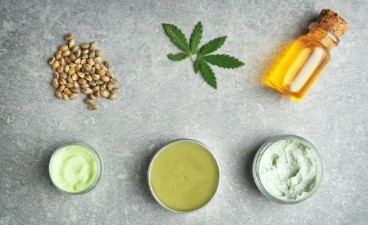
- Tinctures (Longer-Lasting Effects): Sublingual oils provide sustained relief for anxiety and inflammation.
- Edibles (Extended Pain Relief): Slower onset but long-lasting effects, suitable for chronic pain and insomnia.
- Topicals (Localized Pain Relief): THC/CBD-infused creams help with arthritis and muscle pain.
Chemical Composition and Cannabinoid Profile
Cannabinoids
The exact THC and CBD levels in Pure Power Plant may vary depending on the phenotype and cultivation methods. However, a typical profile includes:
- THC: 15% – 24%
- CBD: < 1%
- CBG, CBN, and CBC: Present in trace amounts, contributing to entourage effects
Terpene Profile
Terpenes play a crucial role in flavor, aroma, and therapeutic effects. The dominant terpenes in PPP include:
- Myrcene – Enhances relaxation and sedation.
- Caryophyllene – Provides anti-inflammatory and pain-relieving benefits.
- Limonene – Boosts mood, reduces stress, and contributes to citrus aroma.
- Pinene – Improves focus, reduces inflammation, and aids respiratory function.
Cultivation Information
Pure Power Plant (PPP) is a sativa-dominant hybrid known for its vigorous growth, high yields, and resilience in various environmental conditions. Cultivating this strain successfully requires scientific precision in aspects like lighting, temperature, humidity, nutrient supply, and training techniques to maximize yield and potency. Below is an in-depth exploration of the best scientific cultivation practices for growing PPP.
1. Optimal Growing Conditions for Pure Power Plant
A. Light Requirements
Since Pure Power Plant has sativa-dominant genetics, it thrives under high-intensity lighting that mimics its natural environment.

- Indoor Cultivation
- Light intensity: 600–1000 µmol/m²/s (Photosynthetic Photon Flux Density – PPFD)
- Light spectrum: Full-spectrum LED or HPS (High-Pressure Sodium) lights
- Light schedule:
- Vegetative stage: 18–24 hours of light
- Flowering stage: Twelve hours of daylight and twelve hours of darkness
- Outdoor Cultivation
- Requires direct sunlight for at least 6–8 hours per day
- Grows best in regions with Mediterranean or subtropical climates
- Prefers long summers with gradual light reduction for natural flowering
B. Temperature & Humidity Control
Pure Power Plant thrives in warm climates but requires careful environmental control.
| Growth Stage | Temperature (°C) | Humidity (%) |
|---|---|---|
| Seedling | 22–26°C | 65–75% |
| Vegetative | 24–29°C | 55–65% |
| Flowering | 20–26°C | 45–55% |
| Late Flowering | 18–24°C | 40–45% |
Scientific Approach:
- Use HVAC (Heating, Ventilation, and Air Conditioning) systems for precise temperature and humidity control.
- Dehumidifiers prevent excessive moisture, reducing mold risk.
- CO₂ supplementation (1000–1500 ppm) enhances growth and yields during vegetative and early flowering stages.
C. Nutritional Requirements & Soil Composition
Pure Power Plant requires a balanced macronutrient and micronutrient regimen for optimal growth.
1. Macronutrients (N-P-K Ratios)
| Growth Stage | Nitrogen (N) | Phosphorus (P) | Potassium (K) |
|---|---|---|---|
| Vegetative | High (3-1-2) | Low | Medium |
| Early Flowering | Medium (1-3-2) | High | High |
| Late Flowering | Low (0-3-3) | High | Very High |
- Vegetative phase: High nitrogen promotes rapid leaf and stem development.
- Flowering phase: Reduced nitrogen and increased phosphorus and potassium encourage bud formation and resin production.
2. Micronutrients
- Calcium (Ca) – Enhances cell wall strength, prevents nutrient deficiencies.
- Magnesium (Mg) – Essential for chlorophyll synthesis and photosynthesis.
- Sulfur (S) – Aids in terpene production, increasing the flavor profile.
3. Soil or Hydroponic Medium Selection
- Soil-Based Growing:
- Best suited for organic cultivation with rich loamy soil (pH 6.0–6.5).
- Amendments: Worm castings, bat guano, perlite, biochar for better aeration.
- Mycorrhizal fungi and beneficial bacteria (e.g., Bacillus subtilis) boost nutrient uptake.
- Hydroponic Systems (NFT, DWC, or Aeroponics):
- Faster growth and higher nutrient availability.
- pH range: 5.5–6.0
- EC (Electrical Conductivity): 1.2–2.0 mS/cm
- Requires constant monitoring of water oxygenation and nutrient concentration.
2. Cultivation Techniques for High Yields
A. Training Methods
- Topping & FIMing – Enhances lateral branching and canopy spread.
- Low-Stress Training (LST) – Bends branches to maximize light exposure.
- Screen of Green (ScrOG) – Uses trellis nets to create an even canopy.
- Super Cropping – Stresses plant stems to increase resin production.
B. Defoliation & Pruning
- Defoliation (strategic leaf removal) improves light penetration and airflow.
- Lollipopping (removal of lower foliage) ensures energy is directed to upper canopy buds.
C. Watering & Irrigation Management
- Best practice: Use drip irrigation or automated watering to prevent overwatering.
- Water quality:
- pH: 6.0–6.5 (soil), 5.5–6.0 (hydroponics)
- TDS (Total Dissolved Solids): 700–1400 ppm depending on growth phase.
- Reverse osmosis (RO) water ensures no contaminants interfere with nutrient absorption.
3. Flowering Stage & Harvesting Considerations
A. Flowering Time
- Indoor: 8–10 weeks
- Outdoor: Harvest by late September to early October in the Northern Hemisphere.
B. Trichome Maturity Monitoring
- Use a 60x-100x magnification scope to inspect trichomes.
- Clear trichomes: Immature, too early to harvest.
- Cloudy trichomes: Peak potency, best for energetic effects.
- Amber trichomes: More sedative, best for relaxing effects.
C. Harvesting Process
- Best done before sunrise (outdoor) or in dark cycles (indoor) to preserve terpene integrity.
- Cut branches at the base and hang them upside down in a controlled drying room.
4. Post-Harvest Processing
A. Drying & Curing
- Dry in a dark room with 50%–60% humidity and 18–22°C temperature.
- Drying duration: 7–14 days until stems snap instead of bend.
- Cure in airtight glass jars at 62% relative humidity for 2–6 weeks, burping jars daily for the first 2 weeks.
B. Storage Conditions
- Store in glass jars with humidity packs (e.g., Boveda 62%) to maintain terpene profile.
- Avoid plastic bags as they cause terpene degradation.
- Ideal storage temperature: 16–20°C in a dark, cool place.
5. Scientific Techniques for Yield & Potency Enhancement
A. CO₂ Enrichment
- Adding 1000–1500 ppm of CO₂ during the vegetative and early flowering stages increases photosynthesis and boosts yield by up to 30%.
B. UVB Light Exposure
- Short bursts of UVB radiation (280–315 nm) during flowering increase trichome production and THC levels.
C. Stress-Induced Cannabinoid Enhancement
Cold shocking (flushing with cold water) can enhance anthocyanin production, leading to richer colors in the buds.
Techniques like drought stress (reducing water slightly before harvest) can increase cannabinoid concentrations.
Scientific Research and Insights
While there is limited direct scientific research on Pure Power Plant, studies on its primary cannabinoids and terpenes suggest significant medical potential:
- THC (Tetrahydrocannabinol): Provides psychoactive effects, pain relief, and appetite stimulation.
- CBD (Cannabidiol): Though present in small amounts, it may modulate THC effects.
- Caryophyllene: Demonstrated anti-inflammatory and neuroprotective properties in studies.
- Limonene: Shown to reduce anxiety and improve mood.
- Pinene: May improve cognitive function and memory retention.
Conclusion
Pure Power Plant (PPP) is a versatile, potent, and well-balanced cannabis strain, perfect for both recreational and medicinal use. Its sativa-dominant effects provide an energizing and uplifting experience, while its indica heritage ensures relaxation and mild pain relief. With high yields, strong resistance, and rapid growth, it is a favorite among cultivators. Whether used for enhancing creativity, improving focus, or managing chronic pain, PPP is a reliable and powerful choice in the cannabis world.
For a complete directory of cultivars, visit our Cannabis Strain Reviews.
