Table of Contents
Pure OG is an Indica-dominant hybrid cannabis strain, believed to be a backcross or phenotype of the legendary OG Kush, known for its potent effects, pungent aroma, and therapeutic benefits. This strain showcases classic OG characteristics with a slightly enhanced body high and a more relaxing experience, making it suitable for both medical patients and seasoned recreational users.
Genetic Lineage
Pure OG is commonly thought to be a stabilized or refined phenotype of OG Kush, with some versions suggesting it includes traits from Hindu Kush or Afghani landraces. Its genetic profile leans heavily towards Indica (approximately 70–80%), while retaining some Sativa properties (20–30%), offering a balanced but predominantly sedative experience.
Appearance, Aroma, and Flavor
Appearance
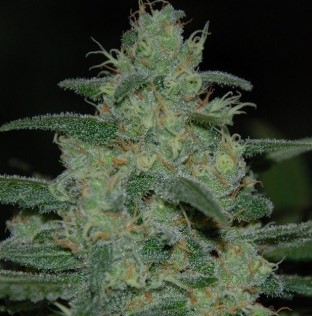
- Dense, cone-shaped buds
- Forest green coloration with deep purple hues (in colder conditions)
- Heavily frosted with trichomes, indicating high cannabinoid content
- Rich in orange pistils
Aroma
- Earthy and pine-forward
- Notes of diesel and citrus
- Undertones of wood, spice, and skunk
Flavor
- Spicy pine with lemon and herbal undertones
- Smooth on the inhale, slightly gassy on the exhale
- Persistent earthy-diesel aftertaste
The terpene profile of Pure OG driving these flavors and aromas is dominated by myrcene, limonene, caryophyllene, and pinene—each contributing not just to its sensory qualities but also its medical efficacy.
Cannabinoid Profile
Typical Cannabinoid Content
| Cannabinoid | Typical Range |
|---|---|
| THC | 18% – 26% |
| CBD | 0.1% – 0.3% |
| CBG | 0.5% – 1.0% |
| CBC | ~0.2% |
| THCV | Trace |
THC is the primary psychoactive compound in Pure OG, delivering potent euphoria, relaxation, and sedation. CBD is present in low quantities but may enhance the entourage effect, especially in conjunction with minor cannabinoids like CBG and CBC.
Terpene Profile and Effects
Major Terpenes
| Terpene | Percentage | Effects |
|---|---|---|
| Myrcene | 0.5–1.5% | Sedative, anti-inflammatory, muscle relaxant |
| Limonene | 0.4–0.9% | Uplifting, anti-anxiety, antidepressant |
| Caryophyllene | 0.3–0.8% | Anti-inflammatory, pain relief, stress reduction |
| Pinene | 0.2–0.5% | Bronchodilator, focus, anti-inflammatory |
These terpenes contribute to the therapeutic potency of Pure OG. Myrcene enhances the “couch-lock” effect, while limonene balances it with mood elevation. Caryophyllene‘s unique ability to interact with CB2 receptors provides a direct pathway for anti-inflammatory and analgesic effects.
Medical Uses
Core Active Compounds and Their Medical Roles
Major Cannabinoids in Pure OG
| Compound | Function |
|---|---|
| Δ9-THC (Tetrahydrocannabinol) | CB1 receptor agonist; analgesic, anti-emetic, appetite stimulant |
| CBD (Cannabidiol) (low level) | Indirect CB1 antagonist, 5-HT1A partial agonist; anxiolytic, anti-inflammatory |
| CBG (Cannabigerol) | α2-adrenoceptor and 5-HT1A agonist; muscle relaxant, neuroprotective |
| CBC (Cannabichromene) | Enhances endocannabinoid tone; antidepressant, anti-inflammatory |
Pure OG is THC-dominant, with low but relevant traces of CBD and CBG that contribute to synergistic effects.
Terpene Synergy and Mechanisms of Action
Major Terpenes in Pure OG and Their Therapeutic Functions
| Terpene | Mechanism of Action | Medical Use |
|---|---|---|
| Myrcene | GABA-A receptor enhancer; sedative, muscle relaxant | Insomnia, anxiety, spasms |
| Limonene | Enhances serotonin signaling; mood-elevating | Depression, anxiety |
| Caryophyllene | CB2 receptor agonist; anti-inflammatory, analgesic | Chronic pain, colitis |
| Pinene | AChE inhibitor; cognitive enhancer | Memory support, asthma relief |
These terpenes work synergistically with cannabinoids to modulate neurotransmission, inflammation, and endocrine function.
Medical Applications by Condition
Chronic Pain and Neuropathic Disorders
Mechanism
- THC binds to CB1 receptors in CNS, inhibiting nociceptive transmission.
- Caryophyllene activates CB2 receptors in immune cells, reducing inflammatory cytokines.
- CBD (in trace amounts) downregulates TRPV1 and modulates FAAH, elevating anandamide (natural pain buffer).
Applicable Conditions
- Fibromyalgia
- Neuropathy (diabetic, chemo-induced)
- Rheumatoid and osteoarthritis
- Migraine
- Sciatica
Clinical Insight
- A 2020 study in Pain Medicine linked high-THC/low-CBD strains to significant improvements in chronic pain and sleep scores.
Insomnia and Sleep Disorders
Mechanism
- THC reduces REM latency, increasing deep non-REM sleep.
- Myrcene and linalool (trace) increase GABAergic activity, promoting sedation.
- THC induces melatonin secretion through pineal gland stimulation.
Sleep-Related Conditions
- Primary insomnia
- PTSD-related nightmares
- Sleep maintenance issues
Scientific Support
- A meta-analysis (Whiting et al., 2015) shows cannabinoids, especially high-THC strains, improve sleep duration and latency.
Anxiety and Stress
Mechanism
- Limonene modulates dopaminergic and serotonergic activity, producing anxiolytic and antidepressant effects.
- CBD, though minimal, acts as a 5-HT1A partial agonist, enhancing serotonergic tone.
- Low-dose THC can reduce cortisol levels, promoting relaxation.
Caveat
- In high doses, THC may cause anxiogenic effects, especially in THC-sensitive individuals.
Clinical Use Cases
- Generalized Anxiety Disorder (GAD)
- Social anxiety (low doses)
- Acute stress and burnout
Appetite Stimulation (Cachexia, Anorexia)
Mechanism
- THC activates CB1 receptors in the hypothalamus, stimulating ghrelin release (“hunger hormone”).
- Elevates dopamine in the mesolimbic pathway, enhancing food pleasure.
Use Cases
- Chemotherapy-induced anorexia
- HIV/AIDS wasting syndrome
- Anorexia nervosa (with psychological supervision)
Scientific Evidence
- THC-based medications (e.g., dronabinol) have been shown to increase caloric intake and body weight in clinical trials.
Gastrointestinal and Inflammatory Disorders
Mechanism
- Caryophyllene activates CB2 receptors in the gut and immune system, decreasing TNF-α and IL-6 production.
- Pinene and myrcene exhibit smooth muscle relaxant effects, helping with GI cramps.
Use Cases
- Irritable Bowel Syndrome (IBS)
- Crohn’s Disease
- Ulcerative Colitis
Evidence
- Animal models and pilot human studies suggest cannabinoids improve intestinal motility and reduce inflammatory bowel disease (IBD) symptoms.
Muscle Spasms and Spasticity
Mechanism
- THC reduces spinal cord excitability, suppressing involuntary muscle contractions.
- Myrcene contributes to muscle relaxation via peripheral and CNS effects.
Clinical Conditions
- Multiple Sclerosis (MS)
- Spinal cord injuries
- Parkinson’s-related spasticity
Scientific Basis
- A 2018 study published in Frontiers in Neurology confirmed high-THC cannabis reduced muscle stiffness in MS patients more than placebo.
Neuroprotection and Oxidative Stress
Though less explored, cannabinoids in Pure OG show promise in protecting against oxidative and excitotoxic neural damage.
Mechanisms
- THC and CBG reduce glutamate-induced neurotoxicity.
- Caryophyllene modulates microglial activation, limiting neuroinflammation.
- Pinene may preserve acetylcholine levels, aiding memory.
Potential Applications
- Alzheimer’s disease
- Traumatic brain injury (TBI)
- Early-stage Parkinson’s disease
In Vitro & Animal Evidence
- Cannabinoids have been shown to upregulate neurotrophins (e.g., BDNF) and protect hippocampal neurons under stress conditions.
PTSD and Emotional Regulation
Mechanism
- THC reduces amygdala reactivity, lessening fear responses.
- Cannabinoids disrupt trauma-associated memory reconsolidation.
- Limonene and myrcene aid emotional calming through serotonergic and GABAergic pathways.
Patient Benefit
- Reduced nightmares
- Decreased hyperarousal
- Improved emotional regulation
Research Notes
- A 2014 study in Journal of Psychoactive Drugs found cannabis helped PTSD patients reduce flashbacks and improve sleep.
Considerations for Medical Use
Dosing Strategy
| Condition | Dose Range | Notes |
|---|---|---|
| Pain/Insomnia | 5–20 mg THC | Nighttime preferred |
| Anxiety/Stress | 2.5–5 mg THC | Microdose; avoid excess |
| Appetite | 5–10 mg THC | 30 min before meals |
| GI/IBD | 5–15 mg THC | Anti-inflammatory, preemptive use |
| Muscle Spasms | 10–20 mg THC | Evening use for best effects |
- Start low, go slow, especially in new users or those sensitive to THC.
- CBD can be supplemented if needed to moderate THC’s psychoactivity.
Risks and Limitations
| Risk | Scientific Explanation |
|---|---|
| THC-induced anxiety | Overstimulation of amygdala via CB1 |
| Short-term memory impairment | Inhibition of hippocampal LTP by THC |
| Dependence potential | Upregulation of dopamine tolerance in chronic use |
| Psychosis risk (rare) | In vulnerable individuals with predisposition |
Recreational Uses
Euphoria and Mood Enhancement
- Delivers a slow-building euphoric high followed by a calm, blissful state.
- Suitable for stress relief after long workdays.
Deep Relaxation
- Ideal for evening or nighttime use.
- Known for “melt-into-the-couch” sedation, making it excellent for movie watching or unwinding.
Creative Introspection
- Some users report bursts of creativity during the onset phase.
- Good for artistic activities that don’t require high energy.
Social Situations
- Calms social anxiety in low doses.
- May impair cognition and speech in high doses, making it less ideal for complex social interactions.
Scientific Insights and Pharmacological Mechanisms
Endocannabinoid System (ECS) Interactions
- THC: Partial agonist at CB1 receptors, modulates neurotransmitter release in pain, mood, and memory centers.
- CBD (trace): Allosteric modulator of CB1, inhibits FAAH enzyme, enhances anandamide signaling.
- Caryophyllene: Selective CB2 agonist, lacks psychoactivity but offers anti-inflammatory benefits.
Entourage Effect
Pure OG’s combination of THC, minor cannabinoids, and terpenes promotes a robust entourage effect, enhancing therapeutic efficacy. Studies have shown that cannabinoids and terpenes act synergistically:
- Myrcene increases BBB permeability, helping THC reach the brain more efficiently.
- Limonene synergizes with THC for antidepressant effects.
- Pinene counteracts THC-induced memory impairment.
Pharmacokinetics
- Onset (Inhalation): 1–5 minutes
- Duration: 2–4 hours
- Bioavailability: Inhalation ~30%; oral ~6–15%
Peak plasma THC levels occur within 5–10 minutes of inhalation. Terpenes are metabolized rapidly, contributing to short-term but potent effects.
Side Effects and Risk Management
Common Side Effects
| Effect | Description |
|---|---|
| Dry mouth | Due to reduced salivary secretion via CB1 |
| Dry eyes | THC reduces lacrimal gland function |
| Dizziness | Especially in novice users or high doses |
| Paranoia | Occasional, linked to excessive THC intake |
| Cognitive slowness | Common in the sedative phase |
Risk Reduction Tips
- Start with low doses, especially if inexperienced or sensitive to THC.
- Stay hydrated to mitigate dry mouth and eyes.
- Use in a comfortable, safe environment to avoid anxiety.
- Avoid combining with depressants such as alcohol.
Cultivation Information
Lighting Science for Pure OG
Photosynthetically Active Radiation (PAR) and PPFD
- Vegetative stage:
- PPFD: 400–600 µmol/m²/s
- Light cycle: 18/6
- Flowering stage:
- PPFD: 800–1000 µmol/m²/s
- Light cycle: 12/12
Pure OG responds well to full-spectrum white LEDs or HPS lights in flower. White LEDs can increase terpenoid biosynthesis by mimicking sunlight (broad wavelength exposure).
UVB and Terpene/Cannabinoid Enhancement
- Low doses of UV-B radiation (280–315 nm) during late flowering (15–30 minutes/day) can:
- Increase trichome density as a photoprotective response
- Upregulate THC synthesis via stress-linked pathways
Caution: UVB overexposure stresses plants and reduces yield. Use only in late flower with strict control.
Root Zone and Substrate Science
Media Preferences
- Soil: Loamy, well-aerated, pH 6.2–6.8
- Coco coir: Excellent for precision feeding; inert medium
- Hydroponics (DWC/ebb & flow): Fast growth, higher risk of root pathogens
Rhizosphere Microbiology
Inoculate with:
- Mycorrhizal fungi (e.g., Rhizophagus irregularis) – improves phosphorus uptake, drought tolerance
- Trichoderma spp. – promotes root growth, prevents Pythium and Fusarium
- Bacillus subtilis – supports nitrogen mineralization and pathogen resistance
These microbes improve root zone bioavailability, enhance nutrient efficiency, and increase cannabinoid synthesis through reduced plant stress.
Nutrient Uptake and Biochemistry
Macronutrients
| Nutrient | Role in Cannabis Physiology |
|---|---|
| Nitrogen (N) | Vital for chlorophyll, vegetative growth |
| Phosphorus (P) | Required for root development, energy transport (ATP) |
| Potassium (K) | Controls stomatal function, water uptake, terpene synthesis |
- Pure OG requires reduced N during flowering to prevent leafy buds.
- Boost P and K during bloom to enhance trichome formation and bud structure.
Micronutrients
- Calcium (Ca): Needed for cell wall integrity; deficiencies common in coco/hydro.
- Magnesium (Mg): Core element in chlorophyll; necessary for resin and oil synthesis.
- Sulfur (S): Required for secondary metabolites including terpenoids.
Deficiencies in Mg and S often reduce terpene content and aroma intensity.
Plant Stress Physiology and Optimization
Low-Stress Training (LST)
- Tying and bending branches encourages even light distribution
- Increases bud site exposure = higher cumulative cannabinoid yield
Defoliation and Canopy Management
- Remove fan leaves at weeks 2 and 5 of flowering to:
- Increase airflow
- Reduce mold risk
- Allow more PAR to penetrate bud sites
Be cautious — over-defoliation can reduce photosynthesis and stress the plant.
Flowering Control and Hormonal Signaling
Photoperiod Sensitivity
- As an OG phenotype, Pure OG is highly responsive to light cycle changes.
- Maintain strict 12/12 photoperiod to avoid hermaphroditism.
Hormonal Balance
- Gibberellins drop in flower; maintain low-stress environments to keep flowering hormones (ABA, ethylene) balanced.
- Application of potassium silicate can strengthen stems and moderate hormonal stress from rapid growth.
Pest and Pathogen Management (IPM)
Common Threats to Pure OG
| Threat | Scientific Name | Control Measures |
|---|---|---|
| Powdery mildew | Golovinomyces spp. | Sulfur burners (pre-flower), neem oil |
| Spider mites | Tetranychus urticae | Predator mites (Phytoseiulus persimilis) |
| Root rot | Pythium spp. | Hydroguard, good oxygenation |
| Botrytis (bud rot) | Botrytis cinerea | Lower RH, prune dense buds, air circulation |
Pure OG’s dense buds are very susceptible to fungal pressure, especially late in flower. Use HEPA-filtered air intakes, dehumidifiers, and maintain VPD (vapor pressure deficit) within ideal ranges.
Secondary Metabolite Optimization
Techniques to Boost Terpenes and Cannabinoids
- Carbohydrate supplements (molasses, sugar-based bloom boosters) in late flower
- Silicon additives (e.g., potassium silicate) to reduce abiotic stress and enhance trichome production
- Drought-stress at end of flower (48–72 hours before harvest) can increase resin output
Cold Shock Method (Color + Cannabinoids)
- Reduce night temps by 10–15°F during last 7–10 days of flower
- Triggers:
- Anthocyanin expression (purple hues)
- Mild plant stress = more resin/trichomes
- Terpene preservation through reduced evaporation
Harvesting and Curing for Biochemical Integrity
Harvest Timing
- Use trichome color as a biochemical indicator:
- Cloudy = peak THC
- Amber = more CBN, sedative effect
- Pure OG usually peaks at day 60–65 of flower
Curing Best Practices
- Dry at 60°F, 60% RH (“60/60 rule”) for 10–14 days
- Cure in airtight glass jars, burping daily for 2–3 weeks
- Target final RH: 58–62%
Proper curing preserves mono- and sesquiterpenes, enhances flavor, and stabilizes cannabinoids.
Comparison with Other OG Strains
| Strain | THC | Indica % | Notable Effects | Best Used For |
|---|---|---|---|---|
| Pure OG | 18–26% | ~80% | Sedative, euphoric | Pain, insomnia |
| OG Kush | 18–24% | ~55% | Balanced, euphoric | Stress, depression |
| SFV OG | 20–25% | ~70% | Cerebral, uplifting | Anxiety, mild pain |
| Larry OG | 18–21% | ~75% | Relaxing, giggly | Mood disorders |
Pure OG is considered more narcotic in its effects compared to other OG strains, making it a superior choice for nighttime use and potent pain relief.
User Reports and Testimonials
- Chronic Pain Patient: “It gave me relief within minutes—no back spasms and complete body melt.”
- Insomnia User: “I sleep through the night without tossing and turning for the first time in years.”
- Recreational User: “It’s a heavy hitter. Don’t expect to be productive, but it’s perfect for movie nights and deep sleep.”
Future Research Directions
Emerging areas of research may unlock more about Pure OG’s potential:
- Cannabinoid-Terpene Interactions: Detailed human trials to map out specific therapeutic pathways.
- Neuroprotection: Potential benefits for Alzheimer’s and neurodegenerative diseases.
- Cannabis and Sleep Architecture: Further analysis of how strains like Pure OG affect sleep cycles, particularly deep and REM stages.
Conclusion
Pure OG is a formidable Indica-dominant strain that merges potent therapeutic benefits with a powerful recreational high. Its robust cannabinoid and terpene profile make it ideal for managing pain, inflammation, stress, and insomnia. Recreationally, it offers a deeply relaxing experience, suited for evening use and introspection. While best reserved for experienced users due to its potency, its comprehensive utility and stability make it a valuable cultivar for both patients and growers.
For a complete directory of cultivars, visit our Cannabis Strain Reviews.
