Table of Contents
Pure Indica, often described as a landrace-based strain or a genetically stabilized indica phenotype, is cultivated for its deeply sedative, analgesic, and relaxing effects. Unlike hybrid strains that mix sativa and indica elements, Pure Indica represents the archetypal expression of the indica species, typically derived from Afghan, Pakistani, or Indian Kush region landraces.
Key Botanical Traits
- Type: 100% Indica (pure line, non-hybridized or minimally hybridized)
- Genetic Heritage: Originates from Hindu Kush mountains (Afghanistan, Pakistan, northern India)
- Appearance: Short, bushy plants with broad leaves and thick, resinous buds
- Aroma: Earthy, musky, pungent, with hashish-like undertones
- THC content: Typically ranges from 12%–20%, depending on cultivar
- CBD content: Low (<1%) unless selectively bred for higher CBD phenotypes
- Flowering Time: 7–9 weeks (indoor), late September to early October (outdoor)
Pure Indica strains are typically selected for their sedative, relaxing, and body-heavy effects, making them highly valued for medical cannabis formulations and nighttime use.
Cannabinoid and Terpene Composition
A. Cannabinoid Profile
| Cannabinoid | Average Range | Therapeutic Action |
|---|---|---|
| THC | 12–20% | Analgesic, hypnotic, muscle relaxant |
| CBD | <1% | Anti-inflammatory, anxiolytic |
| CBG | ~0.5–1.5% | Neuroprotective, gut support |
| CBC | Trace | Analgesic, neurogenic |
| THCV | Trace | Metabolic regulation, anticonvulsant |
Most Pure Indica strains are THC-dominant. However, some cultivars exhibit higher levels of minor cannabinoids like CBG, contributing to non-psychoactive therapeutic benefits.
B. Terpene Profile
| Terpene | Aroma | Medical Function |
|---|---|---|
| Myrcene | Earthy, musky | Sedative, analgesic, muscle relaxant |
| Caryophyllene | Spicy, woody | Anti-inflammatory, CB2 receptor agonist |
| Linalool | Floral, lavender | Anxiolytic, antiepileptic, antidepressant |
| Humulene | Herbal, hoppy | Anti-inflammatory, appetite suppressant |
| Pinene | Pine, sharp herbal | Bronchodilator, cognitive enhancer (if present) |
The dominant terpene in most Pure Indica varieties is myrcene, known for deep sedation and muscle relaxation, often working synergistically with THC to enhance analgesic and sleep-promoting effects.
Pharmacology and Mechanisms of Action
The medical effects of Pure Indica result from the synergistic interaction between cannabinoids and terpenes, working on various biological systems:
1. Endocannabinoid System (ECS)
- CB1 Receptors: Found mainly in the brain and central nervous system, activated by THC, resulting in muscular relaxation, sedation, and pain alleviation.
- CB2 Receptors: Found in immune and peripheral tissues, activated by caryophyllene and CBG, leading to anti-inflammatory effects.
2. TRP Channels
- TRPV1, TRPA1: Targeted by CBD, CBG, and CBC; modulate pain and inflammation.
- Desensitization of TRPV1 channels in pain fibers leads to long-term analgesia.
3. GABAergic and Serotonergic Systems
- Linalool and myrcene enhance GABA receptor activity, promoting sedation, anxiolysis, and muscle relaxation.
- Linalool also affects serotonin (5-HT1A) receptors, supporting mood regulation and seizure control.
4. Opioid-like Action
- Myrcene demonstrates opioid receptor modulation, potentially boosting natural endorphin release, offering synergy with endogenous analgesic systems.
Cannabinoid Contributions to Medical Effects
1. THC (Δ⁹-Tetrahydrocannabinol)
Primary psychoactive component and central to Pure Indica’s therapeutic action.
- Analgesic: Acts as a partial agonist at CB1 receptors in the spinal cord and brain, reducing nociceptive signal transmission.
- Muscle relaxant: Dampens alpha-motor neuron excitability, aiding in spasticity disorders.
- Sedative/hypnotic: Inhibits arousal circuits and promotes non-REM sleep, reducing sleep latency.
- Anti-emetic: Stimulates CB1 receptors in the dorsal vagal complex, reducing nausea.
- Appetite stimulant: Activates orexigenic pathways in the hypothalamus via ghrelin signaling.
2. CBG (Cannabigerol)
A non-intoxicating cannabinoid sometimes present in Pure Indica strains.
- Neuroprotective: Reduces oxidative stress in neurons, supports mitochondrial integrity.
- Gastrointestinal benefit: Inhibits nitric oxide synthase (iNOS) and COX enzymes in colonic epithelial cells.
- Mood support: Modulates 5-HT1A and α2-adrenergic receptors, potentially reducing anxiety and depression.
- Antibacterial: Especially effective against MRSA in preclinical studies.
3. CBC (Cannabichromene)
Though minor, CBC synergizes with THC and CBD to enhance anti-inflammatory and analgesic properties.
- Activates TRPV1 and TRPA1 receptors on peripheral sensory neurons.
- Supports neurogenesis, particularly in the hippocampus, linked to mood regulation.
Terpenes and Their Pharmacological Roles
1. Myrcene
- Sedative and muscle relaxant: Enhances GABAergic transmission; contributes to the “couch-lock” effect.
- Analgesic: Potentiates opioid receptor signaling and increases pain thresholds.
- Synergy with THC: Facilitates THC passage across the blood-brain barrier (BBB), enhancing psychoactivity.
2. β-Caryophyllene
- Anti-inflammatory and analgesic: Acts as a CB2 receptor agonist — unique among terpenes.
- Modulates immune cell cytokine production, reducing inflammatory load in tissues.
- Exhibits anxiolytic effects via indirect impact on stress-response pathways.
3. Linalool
- Anxiolytic and antidepressant: Modulates 5-HT1A and NMDA receptors, supporting emotional regulation.
- Anticonvulsant: Decreases glutamate excitotoxicity, reduces seizure thresholds in animal models.
- Sleep aid: Interacts with adenosine A1 receptors, promoting sleep initiation and maintenance.
4. Humulene and Pinene (Minor Terpenes)
- Anti-inflammatory: Inhibit prostaglandin E2 (PGE2) production.
- Respiratory support: Pinene functions as a bronchodilator, improving airflow in asthma or COPD.
- Appetite modulation: Humulene may suppress appetite, balancing THC’s hyperphagic effect.
Mechanisms of Action Across Body Systems
1. Nervous System (Analgesia, Anxiety, Sleep)
- CB1 receptor activation in spinal cord and brain reduces nociceptive signaling, dampens pain perception.
- THC + myrcene + caryophyllene create a triple-action effect on pain and muscle spasm, critical in diseases such as multiple sclerosis and fibromyalgia.
- Linalool enhances GABA receptor activity, providing anxiolysis and sleep enhancement.
2. Immune System and Inflammation
- CB2 activation (via caryophyllene and cannabinoids) inhibits cytokine secretion, T-cell proliferation, and macrophage migration.
- Reduces inflammatory mediators: TNF-α, IL-6, and nitric oxide in both peripheral and central immune responses.
- Provides therapeutic benefit in autoimmune conditions (e.g., rheumatoid arthritis, inflammatory bowel disease).
3. Gastrointestinal and Metabolic Effects
- THC and CBG relax GI smooth muscle and reduce intestinal hypermotility, supporting patients with IBS or Crohn’s.
- Appetite stimulation is mediated by ghrelin release and hypothalamic activation, improving cachexia and anorexia.
4. Endocrine and Sleep Regulation
- Endocannabinoid system interacts with circadian rhythm regulators (e.g., melatonin pathways).
- THC reduces REM sleep but increases slow-wave sleep, aiding in restorative sleep.
- Linalool and myrcene enhance sleep duration and depth through combined sedative action.
Condition-Specific Medical Applications
1. Chronic Pain Syndromes
Pure Indica’s high THC content and myrcene/caryophyllene synergy offer strong analgesic properties. Relevant for:
- Neuropathic pain
- Arthritis
- Sciatica
- Cancer-related pain
- Fibromyalgia
2. Insomnia and Sleep Disorders
Best suited for:
- Delayed sleep onset
- Pain-associated insomnia
- Sleep fragmentation
Mechanisms involve CB1 modulation, GABA receptor enhancement, and adenosine pathway activation.
3. Anxiety and Stress-Related Disorders
Effective for:
- Generalized Anxiety Disorder (GAD)
- PTSD (as a sleep aid and stress reducer)
- Panic disorder (low doses only)
Linalool, CBD (if present), and low-dose THC act synergistically to reduce hyperarousal.
4. Muscle Spasms and Spasticity
Pure Indica’s THC-myosuppressive effect and CB1 control of motor neurons help manage:
- Multiple sclerosis
- Parkinsonian rigidity
- ALS spasticity
- Post-injury spasms
5. Appetite Loss and Gastrointestinal Disorders
Helps with:
- HIV/AIDS cachexia
- Chemotherapy-induced anorexia
- IBS and Crohn’s
- Nausea and vomiting (anti-emetic action)
THC triggers orexigenic pathways, while CBG reduces inflammation and pain in the gut.
6. Epilepsy and Neuroprotection
While not CBD-dominant, Pure Indica’s linalool, CBG, and CBC offer anticonvulsant support through:
- Glutamate inhibition
- TRP channel modulation
- GABA potentiation
Adjunctive use with CBD-rich strains may improve seizure control and reduce neuroinflammation.
7. Mood Disorders
- Mild to moderate depression: THC stimulates dopamine and serotonin in the reward circuitry.
- CBG may contribute to mood stabilization via noradrenergic and serotonergic modulation.
- Linalool and pinene reduce cortisol and anxiety-related amygdala activation, calming hyperactive stress responses.
Limitations and Clinical Considerations
A. Cognitive and Psychomotor Impairment
- May impair memory, coordination, and reaction time
- Best used at night or in safe environments
- Start with low doses and titrate based on effect
B. Risk of Over-Sedation
- Myrcene-heavy strains may cause excessive drowsiness or daytime fatigue
- Not ideal for patients needing daytime productivity or alertness
C. THC Sensitivity
- Some patients may experience paranoia or anxiety at higher THC doses
- Use balanced THC:CBD products if this is a concern
D. Drug Interactions
- THC and CBD both inhibit cytochrome P450 enzymes (CYP3A4, CYP2C9), affecting metabolism of other medications
- Monitor if used with antidepressants, blood thinners, anticonvulsants, or sedatives
Clinical Use Cases and Patient Profiles
| Condition | Primary Symptoms Addressed | Pure Indica Role |
|---|---|---|
| Chronic pain (fibromyalgia) | Pain, sleep disturbance, anxiety | Full-spectrum relief via CB1, CB2, and TRP modulation |
| Multiple sclerosis | Spasticity, neuropathic pain, fatigue | Reduces spasm, improves sleep and muscle control |
| PTSD | Nightmares, hypervigilance, insomnia | Calms limbic system, induces sleep, reduces anxiety |
| Cancer-related cachexia | Appetite loss, nausea, insomnia, anxiety | Appetite stimulant, anti-nausea, mood enhancer |
| IBS/Crohn’s disease | Cramping, inflammation, gut pain | Reduces motility, eases pain and inflammation |
| Epilepsy (adjunctive) | Seizures, anxiety | Supports anticonvulsant action via linalool, CBC, CBG |
Recreational Use and Psychoactive Experience
Pure Indica’s effects are widely appreciated by recreational users for its:
- Body-heavy relaxation (“couch-lock”)
- Mild euphoria and mood elevation
- Stress reduction and mental calmness
- Introspective or meditative state
- Pleasant sedation leading to restful sleep
Recreational timeline:
- Onset: 5–15 minutes (inhalation), 30–60 minutes (edibles)
- Duration: 2–6 hours depending on dosage and route
Ideal settings:
- Evening or nighttime use
- Post-exercise relaxation
- Creative reflection or solitude
- Non-social, recovery-oriented activities
Not typically suited for:
- Social stimulation
- Active or high-energy tasks
- Daytime productivity
Cultivation Science and Phenotype Expression
I. Morphological and Growth Characteristics
Pure Indica strains, typically derived from landraces in the Hindu Kush region, exhibit uniform growth traits ideal for controlled environments. These traits include:
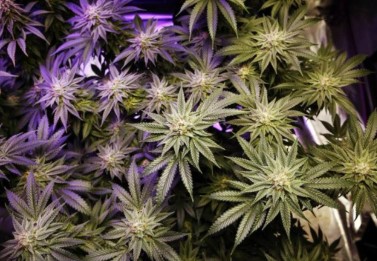
- Short, bushy stature with internodal stacking
- Broad, dark-green leaves (high chlorophyll density)
- Thick colas and dense buds
- Early flowering time: ~7–9 weeks indoors
- Natural resistance to cold and wind (due to high-altitude origins)
Understanding these characteristics enables environmental matching and targeted phenotypic expression.
II. Environmental Conditions and Climate Control
A. Temperature and Humidity Management
| Growth Stage | Day Temp | Night Temp | Relative Humidity | Vapor Pressure Deficit (VPD) |
|---|---|---|---|---|
| Seedling | 22–26°C | 18–22°C | 65–70% | 0.4–0.8 kPa |
| Vegetative | 24–28°C | 18–22°C | 55–65% | 0.8–1.2 kPa |
| Flowering | 20–26°C | 16–20°C | 40–50% | 1.2–1.5 kPa |
| Late Flower | 18–24°C | 14–18°C | 30–40% | 1.3–1.6 kPa |
Scientific rationale: Lower humidity during flowering prevents botrytis (bud rot), a common risk in dense indica colas. The VPD range ensures optimal transpiration, calcium transport, and terpene biosynthesis.
B. Light Spectrum and Intensity
| Growth Stage | Light Hours | PPFD (μmol/m²/s) | Optimal Spectrum |
|---|---|---|---|
| Vegetative | 18/6 | 400–600 | Blue-rich (450–500 nm) |
| Flowering | 12/12 | 600–1000 | Red-rich (620–700 nm) + UV-B |
| Final Week | 12/12 | 800–1100 | UV-B + IR enrichment |
UV-B radiation (280–315 nm) stimulates trichome development and THC production through oxidative stress pathways and activation of flavonoid biosynthesis genes.
III. Root Zone Management and Medium Selection
A. Substrate Options
| Medium | Benefits | Considerations |
|---|---|---|
| Living Soil | Rich microbiota, organic terpene expression | Slower nutrient availability, larger footprint |
| Coco Coir | High oxygenation, rapid nutrient uptake | Requires frequent fertigation, pH precision |
| Hydroponics | Maximum yield potential, controlled nutrition | Sterility required, less terpene complexity |
Pure Indica strains prefer dense, microbe-rich environments, especially in organic systems where terpene content and flavor complexity are priorities.
B. Root Zone Conditions
- pH range:
- Soil: 6.0–6.5
- Coco: 5.8–6.2
- Hydro: 5.6–6.1
- EC (Electrical Conductivity):
- Vegetative: 1.0–1.4 mS/cm
- Flowering: 1.6–2.2 mS/cm
Optimal root oxygenation (~6–8 mg/L dissolved O₂) improves nutrient uptake and resin synthesis.
IV. Nutritional Regimen and Fertilization Strategy
A. Macronutrient Ratios
| Growth Phase | N:P:K Ratio | Focus |
|---|---|---|
| Seedling | 2:1:2 | Root establishment, minimal salts |
| Vegetative | 3:1:2 | Leaf expansion, chlorophyll production |
| Transition | 2:1.5:3 | Bud initiation, energy transfer |
| Flowering | 1:2:3 | Resin, terpene, and trichome development |
B. Micronutrients and Secondary Nutrients
- Calcium and magnesium are crucial for cell wall strength and chlorophyll stability .
- Sulfur is required for terpene and thiol production (especially earthy, musky notes).
- Iron, manganese, and zinc are enzyme cofactors for terpene synthases and cannabinoid synthases.
Chelated forms (e.g., EDTA, DTPA) increase micronutrient availability across variable pH conditions.
V. Training and Structural Optimization
Canopy Management Techniques
| Technique | Purpose |
|---|---|
| Topping | Encourages lateral branching and even canopy |
| Low Stress Training (LST) | Enhances light penetration without damaging stems |
| Screen of Green (ScrOG) | Maximizes light efficiency in small grow spaces |
| Selective Defoliation | Prevents bud rot and improves airflow |
Indicas with dense canopies require aggressive airflow and defoliation, especially in late flower, to maintain terpene integrity and prevent fungal pathogens.
VI. Flowering Behavior and Ripening Management
Trichome Monitoring and Harvest Timing
| Trichome State | Cannabinoid Status | Ideal Effect Profile |
|---|---|---|
| Clear | Immature (low THC, high precursor levels) | Early-harvest, cerebral, light |
| Cloudy/Milky | Peak THC and minor cannabinoids | Balanced, psychoactive |
| Amber | THC oxidized to CBN, more sedative | Body-heavy, narcotic effect |
Peak harvest for Pure Indica is usually at 80% cloudy, 10–20% amber trichomes, balancing potency with sedative effects.
VII. Post-Harvest Handling and Terpene Preservation
A. Drying Parameters
| Factor | Ideal Range |
|---|---|
| Temperature | 16–20°C (60–68°F) |
| Humidity | 50–60% RH |
| Duration | 10–14 days |
| Light | Total darkness |
Slow drying preserves monoterpenes like myrcene and linalool, which volatilize above 22°C.
B. Curing Protocol
- Store in glass jars at 58–62% RH
- Burp daily for 10–14 days
- Cure duration: 3–8 weeks for maximum terpene expression
- Avoid plastic containers to prevent static-driven trichome loss
Curing enhances flavor, smooths the smoke, and oxidizes residual chlorophyll, improving aroma and combustion.
VIII. Disease and Pest Management
Common Threats to Indica Strains
| Problem | Cause | Scientific Control Measures |
|---|---|---|
| Botrytis (Bud Rot) | High RH in dense colas | Defoliation, silica supplementation, UV treatment |
| Powdery Mildew | Poor air exchange, humidity | Bacillus subtilis foliar, sulfur, lactobacillus |
| Fungus Gnats | Wet topsoil | BTi treatment, sand layers, nematodes |
| Spider Mites | Dry environment + weak plants | Predatory mites, neem oil, potassium silicate |
Biological Integrated Pest Management (IPM) is recommended, particularly for medical-grade flower production.
IX. Advanced Strategies for Medical-Grade Production
1. UV-B Light Supplementation
- Induces trichome proliferation and cannabinoid upregulation
- Activates MAPK and ROS pathways, leading to stress-induced secondary metabolite synthesis
- Recommended for last 3 weeks of flowering, 15–30 min/day exposure
2. Beneficial Microbial Inoculants
- Mycorrhizal fungi (e.g., Glomus intraradices) improve phosphorus uptake and terpene production
- Rhizobacteria (e.g., Bacillus spp., Azospirillum) enhance root vigor and disease resistance
3. Cold Night Temperatures (Late Flower)
- Enhances anthocyanin expression (purple hues) in some indica phenotypes
- Increases resin and terpene density through mild stress signaling
- Target: 14–16°C night temps in week 7–8
X. Cultivar-Specific Notes for Pure Indica
| Trait | Expression in Pure Indica |
|---|---|
| Trichome density | Very high (ideal for extraction) |
| Terpene stability | High in myrcene, prone to evaporation |
| Leaf-to-bud ratio | Moderate (trimming required) |
| Root growth rate | Slower than sativa, compact system |
| Water needs | Lower than hybrids |
| Nutrient sensitivity | High nitrogen sensitivity in flower |
Therapeutic Use Protocols and Administration
Delivery Methods
| Method | Onset | Duration | Notes |
|---|---|---|---|
| Vaporization | 1–10 min | 2–3 hrs | Best for pain, anxiety, fast relief |
| Edibles | 30–90 min | 4–8 hrs | Good for sleep and long-lasting effects |
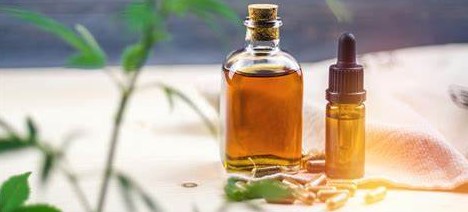
| Tinctures | 15–30 min | 3–6 hrs | Versatile dosing, lower psychoactivity |
| Topicals | N/A | Localized | For muscle pain, inflammation |
Condition-Specific Dosing Guidelines (THC-dominant Indica)
| Condition | Low Dose (mg) | Medium Dose (mg) | Notes |
|---|---|---|---|
| Chronic Pain | 2–5 | 5–10 | Combine with CBD if needed |
| Sleep Disorders | 5–10 | 10–20 | Use 1–2 hrs before bedtime |
| Anxiety | 1–3 | 3–6 | Start low to avoid over-sedation |
| Appetite Loss | 3–8 | 8–15 | Best before meals |
| Muscle Spasms | 2–6 | 6–10 | May benefit from split dosing |
Start low and titrate slowly, especially in elderly or THC-sensitive individuals.
Clinical Relevance and Research-Based Insights
Although Pure Indica as a specific cultivar has limited formal clinical research, its biochemical components have been well-studied.
Cannabinoid Research Highlights
- THC is supported by clinical evidence for chronic pain, muscle spasticity, and chemotherapy-induced nausea.
- CBD has robust support for epilepsy, anxiety, and inflammation.
- CBG and CBC show promise in neuroprotection and gastrointestinal inflammation.
- Caryophyllene has been confirmed to activate CB2 and suppress inflammation.
Terpene Research Highlights
- Myrcene: Promotes sleep and analgesia; synergizes with THC for sedation
- Linalool: Shown in animal models to reduce seizures and anxiety
- Humulene: Demonstrated anti-inflammatory activity comparable to NSAIDs
- Caryophyllene: Confirmed CB2 agonist with effects on arthritis and immune balance
These compounds’ synergistic behavior (the entourage effect) explains why whole-flower indica strains often outperform isolated cannabinoids in symptom relief.
Limitations and Safety Considerations
Potential Side Effects
- Sedation, dizziness, and dry mouth
- Cognitive dulling in high doses
- Anxiety or paranoia in THC-sensitive individuals (less common with indica)
- Orthostatic hypotension (especially in older users)
Drug Interactions
- THC and CBD can inhibit cytochrome P450 enzymes, potentially affecting drug metabolism.
- May potentiate effects of sedatives, antihypertensives, and CNS depressants.
Contraindications
- History of psychosis or schizophrenia
- Uncontrolled cardiovascular conditions
- Pregnancy or breastfeeding
Conclusion
Pure Indica is a foundational strain in medical cannabis, offering a deeply therapeutic profile with broad clinical relevance. Its powerful analgesic, anti-inflammatory, anxiolytic, sedative, and muscle-relaxant properties make it a preferred strain for nighttime relief, chronic pain, insomnia, and stress-related conditions.
Rooted in landrace genetics, it continues to be a bedrock cultivar in breeding programs and patient care, especially for those needing reliable, non-stimulating, full-body relief. As cannabinoid science evolves, Pure Indica’s role remains central — a reminder of cannabis’s enduring potential in natural medicine.
For a complete directory of cultivars, visit our Cannabis Strain Reviews.
