Table of Contents
Puna Budder is a legendary hybrid cannabis strain that has captivated users with its unique blend of effects, flavor, and potency. A cross between Hawaiian and Afghani genetics, this strain offers a balanced experience that appeals to both recreational and medicinal users. Known for its rich terpene profile, euphoric yet relaxing effects, and its potential therapeutic applications, Puna Budder is a well-respected name among cannabis connoisseurs.
Genetic Lineage and Cultivation
Puna Budder originates from a hybridization of two prominent cannabis varieties:
- Hawaiian Sativa: A tropical landrace strain known for its uplifting, energetic effects and citrusy aroma.
- Afghani Indica: A pure indica strain with heavy sedative properties and a dense, resinous bud structure.
The resulting hybrid exhibits a blend of the best characteristics of both parent strains, producing a balanced experience that is both cerebral and physically soothing.
Growth Characteristics
Puna Budder thrives in warm, humid climates, making it well-suited for outdoor cultivation in tropical or Mediterranean-like environments. The plant displays the following growth traits:
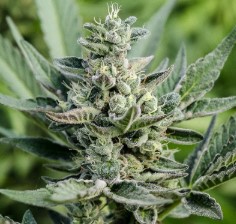
- Flowering Time: Approximately 8-10 weeks
- Height: Medium to tall
- Yield: Moderate to high
- THC Content: Ranges from 18% to 24%
- CBD Content: Typically under 1%
- Resistance: Moderate resistance to pests and mold, but requires proper ventilation in humid environments
Climate and Environmental Requirements
Puna Budder thrives best in warm, humid conditions, making it well-suited for outdoor growth in tropical or Mediterranean climates. However, with proper environmental control, it can also flourish indoors and in greenhouse settings.
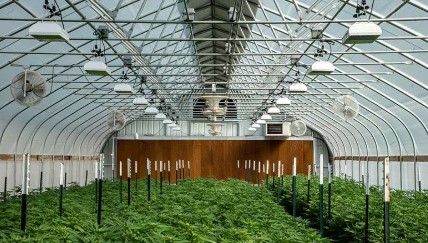
Ideal Conditions:
- Temperature: 70-85°F (21-29°C) – Consistent warmth is ideal.
- Humidity Levels:
- Vegetative Stage: 55-70% RH (relative humidity) to promote healthy leaf and root development.
- Flowering Stage: 40-50% RH to prevent mold/mildew issues due to dense buds.
- Light Requirements:
- Outdoor: Requires full sunlight (at least 6-8 hours per day).
- Indoor: High-intensity discharge (HID) lights or full-spectrum LED grow lights at 600-1000 μmol/m²/s for optimal photosynthesis.
- Air Circulation: Strong ventilation is crucial to prevent excess moisture buildup, especially indoors.
2. Soil and Growing Mediums
Puna Budder exhibits vigorous growth when planted in nutrient-rich, well-draining soil or hydroponic systems.
Preferred Soil Composition:
- pH Range: 6.0 – 6.5
- Ideal Medium:
- Organic loamy soil enriched with perlite, coco coir, and worm castings.
- Compost amendments for additional microbial life and nutrient cycling.
- Essential Nutrients:
- Nitrogen (N): Higher levels during vegetative growth.
- Phosphorus (P) and Potassium (K): Increased levels during flowering for resin and bud development.
Hydroponic Systems for Puna Budder
For faster growth and higher potency, hydroponic methods can be employed:
- Deep Water Culture (DWC) – Maximizes oxygenation and nutrient uptake.
- Ebb and Flow Systems – Allows controlled nutrient feeding cycles.
- Coco Coir Hydroponics – Provides a balance between hydroponics and soil-like growth.
3. Growth Stages and Training Techniques
A. Germination Stage (1-2 Weeks)
- Optimal temperature: 75-80°F (24-27°C).
- Seeds can be germinated using the paper towel method or direct soil planting.
- Maintain 18-24 hours of light exposure for rapid seedling development.
B. Vegetative Stage (4-6 Weeks)
- Maintain 18-20 hours of light to encourage growth.
- Employ low-stress training (LST) and topping to promote lateral growth and increase yield.
- Introduce seaweed extract or mycorrhizal fungi to enhance root strength.
C. Flowering Stage (8-10 Weeks)
- Switch to 12 hours light / 12 hours dark cycle to trigger flowering.
- Lower humidity to 40-50% to avoid mold.
- Implement defoliation to improve airflow and light penetration.
4. Advanced Nutrient Management
Proper nutrient management ensures Puna Budder reaches its full potency and yield potential.
Macronutrient Needs per Growth Stage
| Growth Stage | Nitrogen (N) | Phosphorus (P) | Potassium (K) |
|---|---|---|---|
| Vegetative | High | Medium | Medium |
| Pre-Flowering | Medium | High | High |
| Flowering | Low | High | High |
- Micronutrients Required: Magnesium (Mg), Calcium (Ca), Sulfur (S), Iron (Fe).
- Organic Fertilization: Compost teas, molasses-based feeding, and kelp extracts boost terpene production.
5. Pest and Disease Prevention
Because Puna Budder has dense foliage, it’s prone to pest infestations and mold in humid environments.
Common Pests:
- Spider Mites – Controlled with neem oil or predator insects (ladybugs).
- Fungus Gnats – Managed using diatomaceous earth and sticky traps.
- White Powdery Mildew – Prevented with proper air circulation and foliar sprays.
Disease Resistance Techniques:
- Regular application of compost teas to enhance plant immunity.
- Silica supplements to strengthen cell walls against pests.
6. Harvesting, Drying, and Curing for Maximum Potency
Proper harvesting and curing methods are crucial to preserve Puna Budder’s terpene profile and THC content.
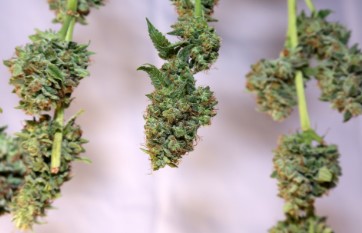
A. Harvesting Signs
- Trichomes turn milky white with golden undertones.
- Pistils darken from white to orange/brown.
- Leaves start yellowing due to nitrogen depletion.
B. Drying Process
- Temperature: 60-70°F (15-21°C).
- Humidity: 50-60% RH.
- Timeframe: 7-14 days, ensuring a slow, controlled dry.
C. Curing Process
- Place buds in airtight glass jars.
- Store in cool, dark places (~60°F, 55% RH).
- Burp jars daily for the first 2 weeks to release moisture.
- Full curing takes 2-8 weeks, enhancing terpene preservation.
7. Scientific Enhancements for Increased Yield and Potency
For experienced cultivators, scientific techniques can be used to enhance THC levels and yield.
A. CO₂ Supplementation
- Maintaining 1000-1500 PPM of CO₂ during flowering increases photosynthesis efficiency.
- Can result in 20-30% yield improvements.
B. UV-B Light Exposure
- Supplemental UV-B lighting (280-320 nm) increases resin production.
- Exposure for 2-3 hours per day in final weeks leads to higher THC levels.
C. Stress-Inducing Methods
- Ice Water Flush (Before Harvest): Induces additional resin production.
- Partial Stem Splitting: Increases cannabinoid biosynthesis.
Final Thoughts on Scientific Cultivation of Puna Budder
Puna Budder is a highly adaptable strain that benefits from precise environmental control, nutrient management, and advanced cultivation techniques. By implementing optimized soil conditions, hydroponics, CO₂ supplementation, and terpene-enhancing methods, growers can maximize yield, potency, and flavor while maintaining plant health.
Recreational Uses and Effects
Puna Budder provides a well-balanced high, making it suitable for a variety of recreational purposes. Users report the following effects:
1. Euphoria and Upliftment
The influence of its Hawaiian genetics contributes to an immediate euphoric uplift, promoting happiness and sociability. This makes Puna Budder an excellent choice for social gatherings, creative endeavors, and mood enhancement.

2. Relaxation and Body High
As the initial cerebral stimulation begins to settle, the strain’s Afghani lineage takes effect, introducing a warm, full-body relaxation. This sensation makes it ideal for unwinding after a long day or engaging in activities that reduce stress, including yoga or meditation.
3. Enhanced Sensory Perception
Many users report heightened sensory awareness, which can enhance experiences like listening to music, watching movies, or enjoying nature.
4. Mild Sedation and Sleep Support
In higher doses, Puna Budder can lean towards a sedative effect, making it beneficial for users looking for relaxation before bedtime. However, it does not typically induce couch-lock unless consumed in excessive amounts.
Medical Applications
Puna Budder is highly regarded for its medicinal benefits, offering relief for a variety of conditions due to its balanced cannabinoid and terpene profile.
1. Pain Management
- The presence of Caryophyllene and Myrcene provides anti-inflammatory and analgesic effects, making Puna Budder effective for chronic pain, arthritis, muscle spasms, and migraines.
- THC levels around 18-24% contribute to strong pain relief while maintaining functionality.
2. Anxiety and Depression
- Limonene contributes to mood enhancement and may help alleviate symptoms of depression and anxiety.
- The hybrid nature ensures relaxation without excessive sedation, making it useful for daytime relief.
3. Stress Relief
- The combination of uplifting and calming effects makes Puna Budder a great option for individuals dealing with chronic stress and tension.
4. Appetite Stimulation
- Myrcene and Caryophyllene may help increase appetite, beneficial for patients undergoing chemotherapy or dealing with eating disorders.
5. Insomnia
- When consumed in higher doses, Puna Budder’s sedative effects can aid individuals struggling with insomnia and irregular sleep patterns.
Scientific Analysis of Cannabinoid Content
Puna Budder’s cannabinoid profile provides a scientific basis for its medical and recreational effects. While exact percentages vary by cultivation and testing conditions, an average breakdown is as follows:
- THC (Tetrahydrocannabinol): 18-24% – Primary psychoactive compound responsible for euphoric and pain-relieving effects.
- CBD (Cannabidiol): <1% – Minimal presence, though still contributes to overall therapeutic benefits.
- CBG (Cannabigerol): 1-2% – May provide neuroprotective and anti-inflammatory benefits.
- CBC (Cannabichromene): 0.5-1% – May contribute to pain relief and mood enhancement.
- THCV (Tetrahydrocannabivarin): <0.5% – May have appetite-suppressing effects.
Interaction with the Endocannabinoid System
Puna Budder interacts with the endocannabinoid system (ECS) by binding to CB1 and CB2 receptors:
- CB1 Receptors (Primarily in the Brain): THC binds to these receptors, producing euphoria, enhanced mood, and pain relief.
- CB2 Receptors (Primarily in the Immune System): Caryophyllene and other cannabinoids interact with these receptors, offering anti-inflammatory benefits.
Potential Side Effects
Like any cannabis strain, Puna Budder may cause mild to moderate side effects, particularly in sensitive users or those who consume excessive doses. Common side effects include:
- Dry Mouth (Cottonmouth): Due to reduced saliva production, alleviated by hydration.
- Dry Eyes: May cause mild irritation, relieved with artificial tears or hydration.
- Mild Paranoia or Anxiety: Rare but possible, particularly in users sensitive to THC.
- Dizziness: Occasionally reported, especially in inexperienced users.
- Increased Appetite (Munchies): Beneficial for some but may be unwanted for others.
Best Practices for Consumption
Depending on the desired effects, different consumption methods can enhance the Puna Budder experience:
1. Smoking/Vaporizing
- Fast-acting effects, ideal for immediate relief.
- Vaporization preserves terpenes and reduces harmful combustion byproducts.
2. Edibles
- Slower onset (30-90 minutes) but longer-lasting effects (4-8 hours).
- Useful for sustained pain relief and sleep support.
3. Tinctures/Oils
- Sublingual administration provides a balance between speed and duration.
- Good for precise dosing and medical applications.
4. Topicals
- Localized alleviation of skin disorders, discomfort, and inflammation.
- Non-psychoactive when applied externally.
Conclusion
Puna Budder is a versatile hybrid strain that offers a well-rounded experience for both recreational and medical users. Its genetic lineage provides a unique combination of euphoria, relaxation, and therapeutic effects. Whether used for pain management, stress relief, mood enhancement, or simply for recreational enjoyment, Puna Budder continues to be a sought-after strain in the cannabis community. With a rich terpene profile and potent cannabinoid content, this strain remains a favorite among those seeking a balanced, multi-faceted cannabis experience.
For a complete directory of cultivars, visit our Cannabis Strain Reviews.
