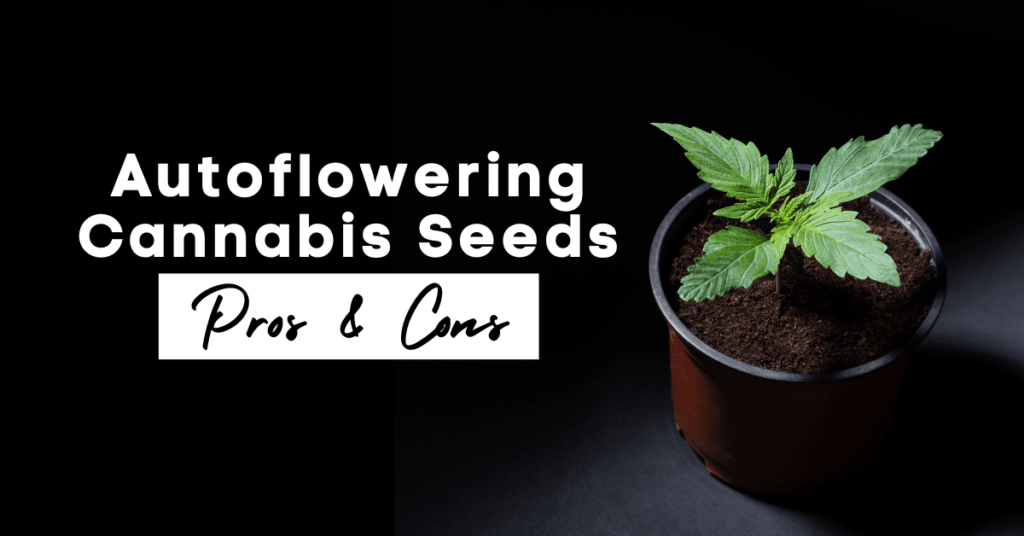
Autoflowering cannabis strains have gained significant popularity among growers, both novice and experienced, due to their unique growth characteristics and advantages. They do have some disadvantages, though, which could make a grower decide against growing them. The benefits and drawbacks of autoflowering cannabis strains are thoroughly examined in this in-depth examination.
Introduction
Autoflowering cannabis strains are a type of cannabis that automatically transition from the vegetative stage to the flowering stage without requiring changes in the light cycle. Unlike photoperiod strains, which need specific light schedules to flower, autoflowers will begin to flower based on their age, typically around 2-4 weeks after germination. This characteristic makes them distinct and appealing to many growers.
Detailed Pros of Autoflowering Strains
Autoflowering cannabis strains have carved out a significant niche in the world of cannabis cultivation due to their unique set of advantages. Below is an in-depth analysis of the key benefits that make autoflowering strains a popular choice among growers.
1. Shorter Growth Cycle
Explanation: One of the standout benefits of autoflowering strains is their rapid growth cycle. Typically, these strains can progress from seed to harvest in as little as 8 to 12 weeks. This accelerated timeline is a significant advantage for growers looking to maximize their yield over a shorter period.
Benefits:
- Multiple Harvests: The quick turnaround allows growers to achieve multiple harvests in a single growing season. This is particularly advantageous in areas with brief growth seasons.
- Fast Returns: For commercial growers, faster harvest cycles mean quicker returns on investment. Profitability and cash flow may both benefit from this.
- Year-Round Cultivation: In controlled environments, such as indoor grows, it is possible to maintain a continuous cultivation cycle, ensuring a steady supply of cannabis.
2. No Need for Light Schedule Changes
Explanation: Autoflowering strains do not depend on specific light schedules to transition from the vegetative to the flowering stage. Unlike photoperiod strains, which require changes in light exposure to induce flowering, autoflowers will begin to flower based on their age.
Benefits:
- Simplified Growing Process: The lack of dependency on light schedules makes the growing process simpler, especially for beginners who may not be familiar with managing light cycles.
- Flexibility in Growing Conditions: Autoflowers can be grown under continuous light, natural light, or varying light conditions without affecting their flowering. This flexibility is advantageous for both indoor and outdoor growers.
- Reduced Risk of Mistakes: The automatic transition to flowering reduces the risk of errors associated with incorrect light schedules, leading to more consistent results.
3. Stealth and Discretion
Explanation: Most autoflowering strains are bred to be compact and bushy, which makes them ideal for growers with limited space or those who need to keep their cultivation activities discreet.
Benefits:
- Small Size: The compact nature of autoflowering plants makes them suitable for small grow spaces, such as closets, tents, or balconies.
- Stealth Growing: The smaller stature of these plants makes them easier to conceal among other vegetation, reducing the likelihood of detection in outdoor grows.
- Indoor Suitability: Autoflowers are well-suited for indoor cultivation where space is often limited. Their small size allows growers to maximize available space and grow more plants in a confined area.
4. Resilience and Hardiness
Explanation: Autoflowering strains are generally known for their resilience and ability to withstand various environmental stressors. When compared to photoperiod strains, they frequently exhibit greater resistance to pests, illnesses, and adverse environments.
Benefits:
- Pest and Disease Resistance: Autoflowers tend to have a robust genetic makeup that provides better resistance to common pests and diseases, reducing the need for extensive pest management.
- Tolerance to Environmental Stress: These strains can tolerate a wider range of temperatures, humidity levels, and light conditions, making them suitable for a variety of growing environments.
- Less Maintenance: The hardy nature of autoflowers means they often require less maintenance and intervention from the grower, making them ideal for those with busy schedules or less experience.
5. Multiple Harvests Per Year
Explanation: Due to their short lifecycle, autoflowering strains enable growers to achieve multiple harvests within a single year, particularly in regions with long growing seasons.
Benefits:
- Increased Yield Potential: By cycling through multiple harvests, growers can significantly increase their total annual yield compared to growing photoperiod strains with only one or two harvests per year.
- Continuous Supply: Multiple harvests ensure a continuous supply of fresh cannabis, which is particularly advantageous for personal users or small-scale commercial operations.
- Adaptability to Seasonal Changes: Autoflowers can be planted and harvested at various times of the year, allowing growers to adapt to seasonal changes and maximize their growing potential.
6. Suited for Outdoor Growing
Explanation: Autoflowering strains are particularly well-suited for outdoor growing due to their independence from light cycles and their resilience.
Benefits:
- Flexible Planting Schedule: Since autoflowers are not dependent on the natural light cycle to flower, they can be planted at any time during the growing season, provided the temperature is suitable.
- Predictable Harvest Times: Growers can predict harvest times more accurately, which is beneficial for planning and resource management.
- Adaptation to Various Climates: The hardiness of autoflowering strains allows them to thrive in various climates, from temperate to more challenging environments, making them a versatile option for outdoor cultivation.
Additional Considerations
Breeding Advancements
Recent advancements in breeding have improved many aspects of autoflowering strains. Modern autoflowers can have higher THC levels, improved yields, and a broader range of flavors and effects compared to earlier generations. These improvements have helped mitigate some of the traditional disadvantages of autoflowers, making them a more competitive choice for a wider range of growers.
Ease of Cultivation for Beginners
The simplicity of growing autoflowering strains makes them an excellent choice for beginners. The lack of need for light schedule manipulation, combined with their resilience, means that new growers can achieve successful harvests with less risk of error. This can provide a confidence boost and a positive introduction to cannabis cultivation.
Potential for Innovative Growing Techniques
While some traditional training techniques are less suitable for autoflowers due to their short lifecycle, growers have developed innovative methods to optimize growth and yield. Techniques such as low-stress training (LST) can be effectively used to maximize light exposure and improve bud production without the risks associated with high-stress methods.
Detailed Cons of Autoflowering Strains
While autoflowering cannabis strains offer numerous advantages, they also have several drawbacks that growers should consider before deciding to cultivate them. Below is an in-depth analysis of the key disadvantages associated with autoflowering strains.
1. Lower Yields
Explanation: One of the primary disadvantages of autoflowering strains is their generally lower yield compared to photoperiod strains. Due to their smaller size and shorter vegetative period, autoflowers produce fewer and smaller buds.
Drawbacks:
- Reduced Harvest Volume: For commercial growers or those aiming to maximize their harvest, the lower yield of autoflowers can be a significant drawback. This can affect the overall profitability and efficiency of the grow operation.
- More Plants Needed: To achieve the same yield as photoperiod strains, growers may need to cultivate more autoflowering plants, which can increase costs for seeds, soil, nutrients, and space.
- Resource Allocation: Lower yields mean that resources such as light, water, and nutrients may not be utilized as efficiently, leading to potentially higher costs per gram of harvested cannabis.
2. Fixed Life Cycle
Explanation: Autoflowering strains have a predetermined lifecycle, which means they will begin to flower at a set age regardless of the environmental conditions or the grower’s intervention.
Drawbacks:
- Lack of Flexibility: If a plant encounters issues such as nutrient deficiencies, pest infestations, or physical damage during its vegetative stage, there is limited time to correct these problems before the plant transitions to flowering. lesser quality buds and lesser yields may result from this.
- Inability to Prolong Vegetative Stage: Unlike photoperiod strains, where growers can extend the vegetative stage to allow for more growth and training, autoflowers will proceed to flowering on a set schedule. This limits the ability to optimize plant size and structure before flowering begins.
- Risk of Stunted Growth: Any stress or suboptimal conditions experienced during the early stages of growth can have a lasting impact on the plant’s overall development and yield, as there is no way to extend the vegetative period for recovery.
3. Limited Training Techniques
Explanation: Due to their short lifecycle and smaller size, many traditional training techniques used to increase yield, such as topping, main-lining, and the screen of green (ScrOG), are less effective or riskier to apply to autoflowering strains.
Drawbacks:
- Reduced Training Opportunities: High-stress training techniques, which can significantly increase yields in photoperiod strains, are generally not suitable for autoflowers because they do not have enough time to recover before flowering begins.
- Risk of Stress: Applying high-stress techniques to autoflowers can lead to stunted growth and reduced yields. Low-stress training (LST) is often the preferred method, but it may not be as effective in maximizing yield.
- Limitations on Yield Optimization: The inability to use aggressive training techniques can limit the potential yield and overall plant structure optimization, which can be a disadvantage for growers looking to maximize every aspect of their cultivation.
4. Genetic Limitations
Explanation: Historically, autoflowering strains have been associated with lower THC levels and less diversity in strain options compared to photoperiod strains. Although breeding advancements have improved these aspects, some limitations remain.
Drawbacks:
- Lower Potency: Autoflowering strains have traditionally had lower THC levels, which can be a drawback for consumers seeking high-potency cannabis. Although modern breeding has improved potency, they often still lag behind top photoperiod strains.
- Limited Strain Selection: The variety of autoflowering strains is smaller compared to photoperiod strains. This can limit the choices available for growers looking for specific effects, flavors, or medicinal properties.
- Quality Variability: The rapid breeding cycles and the focus on creating autoflowering genetics can sometimes result in variable quality and stability. Growers may experience differences in plant characteristics and performance even within the same strain.
5. Cost and Seed Availability
Explanation: Autoflowering seeds can be more expensive than photoperiod seeds, and their limited availability can sometimes pose challenges for growers.
Drawbacks:
- Higher Seed Costs: The higher cost of autoflowering seeds can increase the overall expense of starting a grow operation. This can be a significant consideration for budget-conscious growers.
- Limited Availability: Not all popular photoperiod strains are available in autoflowering versions, which can limit the choices for growers looking to cultivate specific strains.
- Investment in Specialized Seeds: Since autoflowering seeds are often sold at a premium, growers must carefully consider the investment, especially if they are experimenting with different strains or new to growing.
6. Nutrient Sensitivity
Explanation: Autoflowering strains can be more sensitive to nutrient levels compared to photoperiod strains. Their rapid growth cycle and smaller size mean they require precise nutrient management.
Drawbacks:
- Nutrient Burn Risk: Due to their smaller size and rapid development, autoflowers are more susceptible to nutrient burn if not managed carefully. Over-fertilization can quickly lead to damaged plants.
- Specific Nutrient Needs: Autoflowers may require different nutrient formulations compared to photoperiod strains, particularly in terms of nitrogen levels during the vegetative stage and phosphorus and potassium during flowering.
- Difficulty in Nutrient Adjustments: Given their fast growth, any nutrient deficiencies or imbalances need to be corrected quickly, as there is less time for the plant to recover before it transitions to the flowering stage.
Additional Considerations
Light Sensitivity
While autoflowering strains do not rely on specific light cycles to flower, they can still be sensitive to light intensity and quality. Managing light conditions effectively is crucial to optimizing growth and yield.
Market Perception
Despite improvements, some consumers and growers still perceive autoflowering strains as inferior to photoperiod strains in terms of potency and overall quality. This perception can influence market demand and pricing for autoflower-grown cannabis.
Breeding Advances
Ongoing advancements in autoflowering genetics are continually improving the quality, yield, and potency of these strains. However, growers should stay informed about the latest developments to make the best choices for their cultivation goals.
Conclusion
Autoflowering cannabis strains represent a unique and valuable option within the realm of cannabis cultivation, offering several compelling advantages while also presenting some notable challenges. This detailed conclusion will synthesize the key points discussed, providing a balanced perspective on the overall efficacy and utility of autoflowering strains.
Summary of Advantages
- Shorter Growth Cycle: The primary appeal of autoflowering strains lies in their rapid lifecycle, typically ranging from 8 to 12 weeks from seed to harvest. This quick turnaround allows for multiple harvests within a single growing season, which is particularly advantageous for both personal and commercial growers aiming for frequent harvests.
- Ease of Cultivation: Autoflowering strains eliminate the need for strict light schedule management, as they flower based on age rather than light exposure. This makes them exceptionally user-friendly, especially for novice growers who may find managing light schedules challenging. Additionally, this characteristic provides greater flexibility for various growing environments.
- Stealth and Discretion: The compact size of most autoflowering plants makes them ideal for growers with limited space or those needing to maintain a discreet operation. Their small stature allows them to be easily hidden and managed in confined spaces, including indoor setups and urban environments.
- Resilience: Autoflowering strains are generally more resilient to environmental stressors, pests, and diseases. This hardiness makes them suitable for outdoor growing in less-than-ideal conditions, providing a robust option for growers in various climates.
- Multiple Harvests Per Year: The ability to achieve multiple harvests per year is a significant advantage, particularly in regions with extended growing seasons. This capability ensures a continuous supply of cannabis, catering to the needs of growers seeking consistent production.
Summary of Disadvantages
- Lower Yields: One of the main drawbacks of autoflowering strains is their typically lower yields compared to photoperiod strains. Due to their smaller size and shorter vegetative period, they produce fewer buds, which can be a limiting factor for growers aiming for high-volume harvests.
- Fixed Life Cycle: The fixed life cycle of autoflowering strains means that once they begin flowering, there is no way to revert them to the vegetative stage. This inflexibility can be a significant drawback if plants encounter issues early in their lifecycle, as there is limited time to address and correct problems before flowering commences.
- Limited Training Techniques: Traditional training techniques such as topping, main-lining, and the Screen of Green (ScrOG) method are less effective or riskier to apply to autoflowering strains. These plants often lack the time to recover from the stress of such training methods, potentially impacting their overall health and yield.
- Genetic Limitations: While breeding advancements have improved the potency of autoflowering strains, they typically still have lower THC levels compared to their photoperiod counterparts. Additionally, the range of available autoflowering strains is smaller, limiting choices for growers seeking specific effects, flavors, or medicinal properties.
- Cost and Seed Availability: Autoflowering seeds can be more expensive than photoperiod seeds, and their limited availability can pose challenges for growers seeking specific strains. This can be a concern for those on a tight budget or looking for particular genetic traits not readily available in autoflowering form.
Considerations for Growers
When deciding whether to cultivate autoflowering strains, growers should consider several factors:
- Growing Environment: Autoflowering strains are particularly well-suited for indoor growing and outdoor growing in regions with short growing seasons or variable climates. Their resilience and flexibility in light requirements make them a versatile choice for diverse environments.
- Experience Level: Novice growers may find autoflowering strains to be a user-friendly introduction to cannabis cultivation due to their ease of management and reduced complexity in light scheduling.
- Cultivation Goals: For growers aiming for rapid, multiple harvests and consistent production, autoflowering strains can be highly beneficial. However, those seeking maximum yield per plant or specific high-potency strains may need to balance their use with photoperiod strains.
- Budget and Seed Availability: Considering the cost and availability of seeds is crucial. Growers should assess their budget and the specific strains they wish to cultivate to ensure they can access the desired genetics in autoflowering form.
Future Prospects
As the cannabis industry continues to evolve, ongoing advancements in breeding and cultivation techniques are likely to enhance the performance and appeal of autoflowering strains. Future developments may address current limitations such as yield and potency, making autoflowers an increasingly attractive option for a broader range of growers.
In conclusion, autoflowering cannabis strains offer a unique set of benefits that make them an appealing choice for many growers, particularly those seeking quick harvests, ease of cultivation, and resilience in various environments. While they come with certain drawbacks, such as lower yields and genetic limitations, their advantages often outweigh these challenges, especially for specific growing situations and goals. As breeding techniques continue to improve, autoflowering strains are likely to play an increasingly significant role in the cannabis cultivation landscape, providing a valuable option for growers of all levels of experience and expertise.
For a complete directory of cultivars, visit our Cannabis Strain Reviews.
