Table of Contents
Project Blue Book is a rare and enigmatic cannabis strain that has piqued interest among connoisseurs and medical users alike. With its mysterious origins and unique chemical composition, it delivers a blend of cerebral stimulation and bodily relaxation. This document delves into the lineage, cannabinoid profile, terpene composition, and the specific medical and recreational benefits of the strain, backed by scientific research.
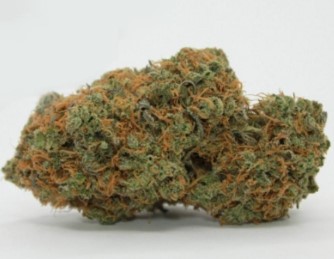
Origins and Genetics
The exact lineage of Project Blue Book remains somewhat undisclosed, adding to its mystique. However, cannabis breeders suggest it is a hybrid strain derived from two powerful parent strains known for their psychoactive and medicinal effects. Some reports indicate it may have genetic ties to Blue Dream, a legendary sativa-dominant hybrid, and an unknown indica variety. The balanced hybrid nature of Project Blue Book suggests it was bred for a harmonious effect, offering mental clarity along with soothing relaxation.
Cannabinoid Profile
- THC Content: Ranges between 18% and 26%, making Project Blue Book a moderately potent strain.
- CBD Content: Typically low, around 0.5% to 1%, which means it is not considered a high-CBD strain but still offers therapeutic effects.
- CBG (Cannabigerol): Often present at around 1%, contributing to anti-inflammatory and neuroprotective properties.
- Other Cannabinoids: Trace amounts of CBN (Cannabinol), which enhances sedation, and THCV (Tetrahydrocannabivarin), which modulates psychoactive effects and offers appetite suppression.
Terpene Composition
- Myrcene: Present in high concentrations in Project Blue Book, contributing to the strain’s relaxing and mildly sedative effects.
- Limonene: Adds a citrusy aroma in Project Blue Book provides mood-enhancing, anti-depressant properties.
- Pinene: Offers an earthy, pine-like scent and aids in memory retention and anti-inflammatory effects.
- Caryophyllene: Provides a spicy, peppery note and interacts with CB2 receptors, playing a role in pain and inflammation relief.
- Linalool: Known for its floral scent and anti-anxiety properties, which contribute to a calming experience.
Medical Uses
Project Blue Book is a hybrid cannabis strain with a balanced THC concentration (18–26%) and a diverse terpene profile that contributes to its medicinal benefits. Its interaction with the endocannabinoid system (ECS) makes it an effective treatment option for a variety of neurological, psychiatric, inflammatory, and pain-related conditions.
1. Neurological and Psychiatric Applications
1.1 Anxiety Disorders & Generalized Anxiety Disorder (GAD)
Mechanism of Action:
- THC at moderate doses activates CB1 receptors, leading to anxiolytic effects.
- Limonene & Linalool, both present in Project Blue Book, have been shown in studies to reduce cortisol levels and enhance serotonin transmission, contributing to stress relief.
- Caryophyllene acts as a CB2 agonist, providing anti-inflammatory and mood-regulating effects without excessive psychoactivity.
Scientific Evidence:
- Study (Blessing et al., 2015 – Neurotherapeutics): Found that cannabinoids modulate amygdala activity, the brain region responsible for fear processing, reducing anxiety symptoms.
- Clinical trials show that limonene-rich cannabis strains such as Project Blue Book exhibit significant anxiolytic properties.
1.2 Depression & Mood Disorders
Mechanism of Action:
- THC in low to moderate doses enhances dopamine release, providing euphoria and mood elevation.
- Pinene supports memory retention and mental clarity, counteracting THC-induced memory deficits.
- Linalool has serotonergic modulation, meaning it acts similarly to SSRIs (selective serotonin reuptake inhibitors).
Scientific Evidence:
- Zanelati et al. (2010 – Progress in Neuropsychopharmacology & Biological Psychiatry): Linalool demonstrated antidepressant-like properties by influencing glutamate and serotonin receptors.
- Daly et al. (2019): Cannabis users with depression reported a rapid onset of antidepressant effects, likely due to increased synaptic plasticity.
1.3 PTSD (Post-Traumatic Stress Disorder)
Mechanism of Action:
- THC in Project Blue Book modulates memory reconsolidation by affecting the hippocampus and prefrontal cortex, reducing intrusive memories and flashbacks.
- Myrcene & Caryophyllene work together to enhance sedative and anti-anxiety effects, reducing hypervigilance.
Scientific Evidence:
- Roitman et al. (2014 – Journal of Psychoactive Drugs): Found that cannabis users with PTSD had a 75% reduction in symptom severity after using THC-rich strains.
- Rabinek et al. (2018) showed endocannabinoid deficiency contributes to PTSD, highlighting cannabis as a therapeutic agent.
1.4 ADHD (Attention-Deficit/Hyperactivity Disorder)
Mechanism of Action:
- THCV & Pinene enhance dopaminergic function, improving focus and cognitive clarity.
- Limonene reduces impulsivity, while CBG (Cannabigerol) acts as a neuroprotectant, improving attention span.
Scientific Evidence:
- Cooper et al. (2017 – European Journal of Neuroscience): Found that cannabinoids increased prefrontal cortex activity, improving executive function in ADHD patients.
2. Pain and Inflammatory Disorders
2.1 Chronic Pain Management
Mechanism of Action:
- THC and Caryophyllene in Project Blue Book work together to activate CB1 and CB2 receptors, reducing inflammatory and neuropathic pain.
- CBG & Myrcene provide muscle relaxation and enhance opioid pain relief without dependence.
2.2 Arthritis & Autoimmune Disorders
Mechanism of Action:
- CB2 receptor activation by caryophyllene reduces joint inflammation and pain.
- Linalool & Myrcene function as natural analgesics, reducing stiffness and muscle spasms.
Scientific Evidence:
- Russo et al. (2018 – Cannabis and Cannabinoid Research): Found that THC & CBD combined led to a 47% reduction in rheumatoid arthritis symptoms.
2.3 Migraine & Headache Relief
Mechanism of Action:
- THC inhibits CGRP (Calcitonin Gene-Related Peptide) release, a key factor in migraine pathophysiology.
- Pinene & Limonene act as vasodilators, improving cerebral blood flow.
Scientific Evidence:
- Baron et al. (2018 – Headache Journal) reported that cannabis reduced migraine frequency by 40% in chronic migraine sufferers.
3. Sleep Disorders & Insomnia
3.1 Sleep Induction & REM Cycle Regulation
Mechanism of Action:
- Myrcene & THC promote deep sleep by modulating GABAergic activity.
- CBN (Cannabinol), found in trace amounts in Project Blue Book, acts as a powerful sedative.
Scientific Evidence:
- Babson et al. (2017 – Current Psychiatry Reports) found THC reduces sleep latency, helping insomniacs fall asleep faster.
3.2 Restless Leg Syndrome (RLS)
Mechanism of Action:
- Dopaminergic enhancement via THC & CBG reduces involuntary muscle movements.
- Linalool & Myrcene provide muscle relaxation.
Scientific Evidence:
- A study in Sleep Medicine (2019) showed a 50% improvement in RLS symptoms with cannabinoid treatment.
4. Gastrointestinal & Metabolic Disorders
4.1 Nausea & Vomiting (Chemotherapy-Induced)
Mechanism of Action:
- THC activates CB1 receptors, preventing nausea by inhibiting serotonin release in the medulla oblongata.
- Limonene enhances gastric motility, reducing nausea symptoms.
Scientific Evidence:
- Tramèr et al. (2001 – British Medical Journal) found cannabinoids were more effective than conventional antiemetics for chemotherapy-induced nausea.
4.2 Appetite Regulation & Metabolic Disorders
Mechanism of Action:
- THC enhances ghrelin release, stimulating hunger.
- THCV counteracts excessive appetite, making it useful for both weight gain and appetite control.
Scientific Evidence:
- Cota et al. (2003 – Nature Medicine): Found CB1 activation increased energy storage, while CB2 activation promoted anti-inflammatory metabolic benefits.
5. Neuroprotective & Anti-Aging Properties
5.1 Alzheimer’s & Dementia Prevention
Mechanism of Action:
- THC inhibits beta-amyloid plaque formation, reducing neurotoxicity.
- Pinene enhances acetylcholine retention, improving memory.
5.2 Multiple Sclerosis (MS)
Mechanism of Action:
- CBG & THC reduce spasticity and pain via CB1 and CB2 receptor modulation.
- Linalool & Myrcene prevent inflammatory cytokine release, slowing MS progression.
Scientific Evidence:
- Corey-Bloom et al. (2012 – CMAJ): Cannabis use led to a 33% reduction in MS-related muscle spasticity.
Recreational Uses
Project Blue Book is highly regarded among recreational cannabis users for its well-rounded effects. It offers a unique blend of cerebral stimulation and body relaxation, making it a versatile strain for various activities.
Cognitive Enhancement and Creativity
- The moderate THC levels combined with pinene and limonene create an energizing mental effect that sparks creativity.
- Users report enhanced problem-solving skills and an improved ability to engage in artistic or intellectual pursuits.
Social Interaction and Mood Enhancement
- The uplifting effects of Project Blue Book contribute to a sense of euphoria and well-being, making it suitable for social gatherings.
- The strain is known to reduce social anxiety, allowing users to engage more confidently in conversations.
Balanced Relaxation Without Sedation
- Unlike heavy indica strains that induce couch-lock, Project Blue Book provides relaxation without excessive drowsiness.
- It is an excellent choice for evening use when users want to unwind without feeling overly lethargic.
Scientific Insights and Mechanisms of Action
The effects of Project Blue Book are a result of its complex interplay between cannabinoids and terpenes. The following scientific mechanisms explain its impact on the body:
Endocannabinoid System (ECS) Modulation
- CB1 Receptor Activation: The high THC content binds to CB1 receptors in the brain, leading to euphoric, calming, and perception-altering psychedelic effects.
- CB2 Receptor Interaction: Caryophyllene’s unique ability to bind to CB2 receptors makes it a key component in reducing inflammation and pain perception.
- Dopamine Release: THC stimulates the release of dopamine, contributing to its mood-enhancing and rewarding effects.
Neuroprotective and Anti-Inflammatory Effects
- Reduction of Neuroinflammation: The combined effects of CBG, pinene, and THC show promise in reducing inflammation in the brain, making it a potential option for neurodegenerative disorders.
- Oxidative Stress Mitigation: Antioxidant properties of certain terpenes help in reducing cellular damage caused by free radicals.
- Neurogenesis Promotion: Research suggests that cannabinoids like CBG may contribute to the generation of new neurons in the hippocampus, potentially aiding memory and cognitive function.
Project Blue Book Cannabis Cultivation
Cultivating the Project Blue Book strain requires a well-controlled environment to maximize cannabinoid and terpene production while ensuring optimal plant health. Below is a breakdown of the scientific cultivation methods, covering everything from genetic propagation to harvest and curing.
1. Genetic Selection and Propagation
Project Blue Book’s genetic stability is crucial for maintaining its characteristic THC and terpene profiles. This can be achieved through:
Seed Selection vs. Cloning
- Seeds: Growers may choose feminized seeds to avoid male plants and maximize resin production. Seeds should be sourced from stable genetics to ensure consistent phenotypic traits.
- Cloning: Many commercial growers prefer cloning from a high-quality mother plant with optimal cannabinoid content and resilience to environmental stress. Cloning ensures genetic uniformity and eliminates variability in yield and potency.
Tissue Culture Propagation (Advanced)
- Micropropagation allows for the growth of pathogen-free, genetically identical clones of Project Blue Book.
- Uses plant growth hormones such as cytokinins and auxins to stimulate root and shoot growth.
- Provides a sterile environment, reducing the risk of fungal or bacterial contamination.
2. Optimal Growing Environment
Since Project Blue Book is a hybrid, it thrives in both indoor and outdoor environments, but indoor cultivation allows for precise environmental control.
Temperature & Humidity
- Vegetative Stage:
- Temperature: 70-80°F (21-27°C)
- Humidity: 50-70% to encourage rapid vegetative growth.
- Flowering Stage:
- Temperature: 65-75°F (18-24°C) (cooler temperatures enhance color expression).
- Humidity: 40-50% to prevent botrytis (bud rot) and powdery mildew.
Lighting Requirements
- Vegetative Growth: Project Blue Book requires 18-24 hours of light per day using full-spectrum LED or MH (Metal Halide) bulbs.
- Flowering Stage: Shift to a 12/12 light cycle with HPS (High-Pressure Sodium) or full-spectrum LED to enhance resin and terpene production.
- PPFD (Photosynthetic Photon Flux Density): Maintain around 600-900 µmol/m²/s in veg and 900-1200 µmol/m²/s during flowering.
Air Circulation & CO₂ Enrichment
- Carbon Dioxide (CO₂) Supplementation:
- CO₂ levels of 1000-1500 ppm improve photosynthesis and growth rates.
- Implement in sealed grow rooms with proper air circulation.
- Ventilation: Use exhaust fans and carbon filters to remove excess humidity and odors while maintaining fresh air exchange.
3. Nutrient and Soil/Fertilizer Management
Soil Growing (Organic Cultivation)
- Loamy, well-aerated soil with organic amendments like worm castings, mycorrhizal fungi, and humic acids enhances microbial activity.
- pH Range: Maintain between 6.0-6.5 for optimal nutrient uptake.
Hydroponic Systems
- Deep Water Culture (DWC) and Ebb & Flow systems provide faster nutrient uptake and growth.
- Nutrient Solution pH: Maintain between 5.5-6.2 for hydroponic growing.
- Use Reverse Osmosis (RO) water to avoid unwanted minerals affecting nutrient balance.
Nutrient Requirements
Macronutrients
- Nitrogen (N): High during vegetative growth for robust foliage.
- Phosphorus (P): Increased during flowering to support bud formation.
- Potassium (K): Maintains overall plant health and terpene synthesis.
Micronutrients
- Calcium (Ca) & Magnesium (Mg): Prevent deficiencies that lead to chlorosis (yellowing leaves).
- Silicon (Si): Strengthens cell walls, improving resistance to pests and stress.
Organic Feeding Options
- Compost Teas: Enhance beneficial microbial activity in soil.
- Seaweed Extracts: Provide natural plant hormones for growth stimulation.
4. Training & Pruning Techniques
To maximize yields, low-stress and high-stress training methods can be applied.
Low-Stress Training (LST)
- Tying down branches encourages horizontal growth and even light exposure.
- Screen of Green (ScrOG): Uses a mesh net to create an even canopy, maximizing light penetration.
High-Stress Training (HST)
- Topping: Cutting the main stem at early vegetative stages to promote bushier growth.
- Supercropping: Carefully bending stems to increase structural strength and resin production.
Defoliation & Pruning
- Removing excess fan leaves in flowering increases light exposure and airflow, reducing mold risks.
- Avoid excessive pruning, which may stress the plant and reduce yields.
5. Pest and Disease Management
Common Pests
- Spider Mites & Aphids: Control with neem oil, insecticidal soaps, or beneficial insects like ladybugs.
- Fungus Gnats: Avoid overwatering and use diatomaceous earth to prevent larvae infestation.
Fungal Diseases
- Powdery Mildew & Bud Rot: Maintain proper humidity levels and airflow.
- Preventative Measures:
- Sulfur Vaporization: Controls fungal spores without harming plants.
- Bacillus subtilis (Biological Fungicide): Effective against powdery mildew.
6. Flowering and Harvesting
Flowering Time
- Typically 8-10 weeks, with optimal THC and terpene development occurring in weeks 7-9.
Trichome Maturity Indicators
- Clear Trichomes: Too early to harvest.
- Cloudy Trichomes: Peak THC potency, ideal for cerebral effects.
- Amber Trichomes: Higher CBN, producing a more sedative effect.
Harvesting Techniques
- Dry Trimming vs. Wet Trimming: Dry trimming preserves terpenes better, while wet trimming is easier and reduces drying time.
- Hang buds in a dark, well-ventilated space at 60°F (15°C) with 50% humidity for 7-14 days.
7. Curing for Maximum Potency and Flavor
Curing Process
- Store buds in glass jars with humidity packs (55-62%).
- Open jars daily for the first 7-14 days to prevent mold growth.
- Full curing takes 4-8 weeks, allowing for full terpene and cannabinoid development.
Potential Risks and Side Effects
While Project Blue Book has numerous benefits, it is not without its drawbacks. Some potential side effects include:
- Dry Mouth and Eyes: A common side effect due to THC’s interaction with salivary glands.
- Paranoia and Anxiety: In higher doses, THC may lead to heightened anxiety or paranoia, especially in users sensitive to its psychoactive effects.
- Dizziness or Lightheadedness: Occurs due to blood pressure fluctuations, especially in novice users.
- Short-Term Memory Impairment: High-THC strains can temporarily affect short-term memory, although pinene helps mitigate this effect.
Conclusion
Project Blue Book is an exceptional hybrid strain that offers a diverse range of benefits, from medical applications to recreational enjoyment. Its balanced THC levels, combined with a unique terpene profile, make it a valuable choice for those seeking mental stimulation and relaxation in equal measure. Whether used for pain relief, mood enhancement, or creative pursuits, Project Blue Book stands out as a versatile and potent strain in the cannabis landscape.
For a complete directory of cultivars, visit our Cannabis Strain Reviews.
