Description
Introduction
From Royal King Genetics for growers who prefer energetic cannabis with a clean, modern aroma, Super Jack cannabis seeds are often picked for gardens aimed at daytime use. Many fans describe an electrifying head high that feels motivating rather than heavy, which is why this variety is frequently treated as a daytime marijuana strain. Phenotypes can differ, but the overall pattern is vigorous early growth and a responsive structure that takes well to topping and low-stress training. For shoppers comparing marijuana and weed options, this cultivar is typically positioned as a lively, aromatic choice with practical garden behavior.
Origin and Lineage
Super Jack is positioned as a Jack-inspired selection, intended to capture the familiar “Jack” character without relying on a single publicly fixed pedigree. Growers commonly group it with a Jack-style sativa profile because plants often show lively branching, strong apical growth, and an upbeat finish after cure. The aromatic fingerprint supports that interpretation: many harvests lean into incense-like terpenes with citrus and pine accents. As with any cannabis cultivar, expression depends on environment, nutrition, and phenotype, so results are best judged by how the plant performs in the grow.
Growth Difficulty and Grow Guide
Most cultivators consider this strain moderately challenging, mainly because it rewards active canopy work more than hands-off growing. In greenhouse cannabis cultivation, plants can surge once established, so early training paired with stretch management helps keep internodes productive and light distribution even. A common approach is to top once or twice, spread branches horizontally, and use a trellis to support later weight. With steady temperatures, adequate airflow, and measured feeding, many growers report it develops into a high-yield weed plant without losing the crisp character that makes the weed memorable.
Nutrients and Equipment
A consistent baseline usually beats aggressive feeding. In an indoor hydroponic setup, stable pH, clean reservoirs, and gradual EC adjustments are the biggest drivers of healthy growth, while soil growers typically focus on balanced amendments and proper wet/dry cycling. Strong lighting, oscillating fans, and odor filtration help maintain a predictable environment for cannabis, and a simple meter kit reduces guesswork for marijuana growers. Many experienced gardeners also rely on silica support during early structure building and ensure adequate calcium/magnesium where water quality or coco programs demand it.
Flowering Phase
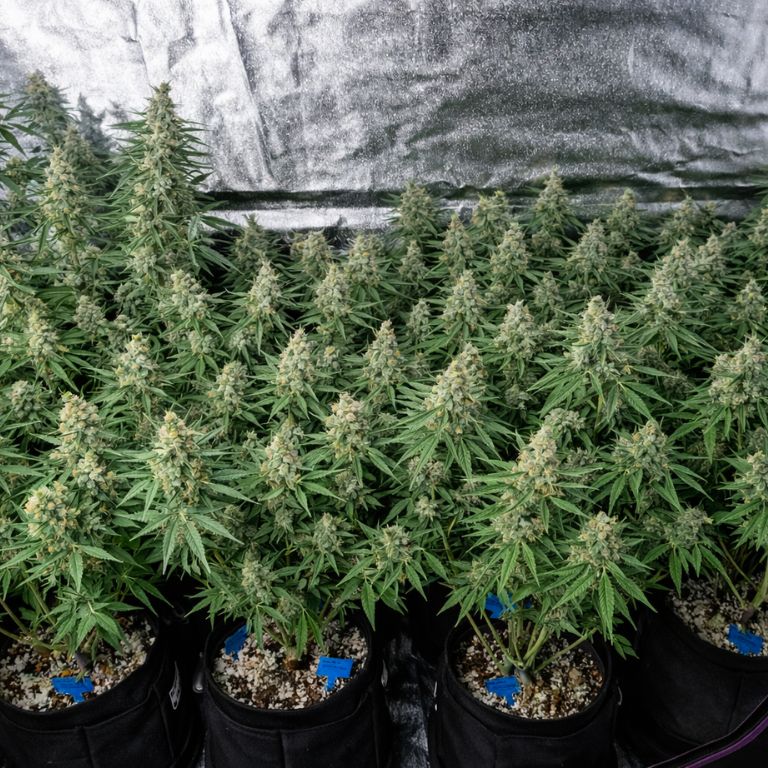
Once flowering begins, Super Jack cannabis seeds often transition quickly and then build flower sites that tighten as resin increases. Many runs finish in roughly 9–11 weeks, depending on phenotype and light intensity. In mid-bloom, dense trichome coverage becomes more apparent, and the bouquet frequently sharpens into a clear lemon-pine aroma. Growers dialing in an indoor hydroponic setup may notice strong nutrient demand during this stage, while those focused on greenhouse cannabis cultivation often highlight the cultivar’s ability to stay productive under bright sun. This is also where the Jack-style sativa influence can show through in structure, and careful management can help it finish as a high-yield weed plant.
Harvest
Harvest timing is best guided by trichome maturity and the effect profile the grower wants: mostly cloudy heads tend to feel brighter, while some amber can smooth the edge. Cutting at peak ripeness helps preserve dense trichome coverage and makes drying and trimming more straightforward. In greenhouse cannabis cultivation, many cultivators schedule harvest to avoid late-season humidity and then dry slowly (around 10–14 days when conditions allow) to protect aroma and burn quality. Under strong indoor lighting, experienced growers often report roughly 450–550 g/m², while outdoor gardens in favorable seasons may reach around 600–900 g per plant. When grown with steady environment control, Super Jack cannabis seeds can finish as a consistent high-yield weed plant with solid bag appeal.
Common Challenges
The most common issues are practical rather than mysterious: overfeeding, uneven light across the canopy, and humidity spikes late in bloom. In an indoor hydroponic setup, rapid uptake can lead to salt buildup if changes are too aggressive, so small adjustments and regular reservoir checks help maintain stability. As buds swell, airflow becomes critical—tight corners are where mold often starts—so keep defoliation purposeful and maintain room circulation. For outdoor marijuana grows, watch nighttime moisture and aim for a balanced canopy that dries quickly after dew or rain, protecting the weed through the final stretch.
Additional Tips
Gardeners often get the best results by committing to structure early rather than trying to “fix” shape in late flower. Topping, tie-downs, and selective leaf removal can open bud sites and improve airflow without stalling growth when done gradually. Because the first two to three weeks after the flip can be the most dynamic, keep stretch management in mind and adjust supports as the canopy expands. Many experienced cannabis growers also find that modest day/night temperature separation and consistent watering intervals reduce stress, helping marijuana plants stay predictable and easier to steer.
Germination Time
With proper handling, most growers see a taproot within 24–72 hours, although some seeds can take longer depending on temperature and moisture. Clean water, gentle warmth, and minimal disturbance are the priorities; once the sprout shows, moving into a light, airy medium helps avoid damping-off. Starting Super Jack cannabis seeds in a stable environment supports faster root development and can reduce early stress that later shows up as slow growth or weak branching. Whether the goal is indoor cannabis or outdoor marijuana, patience at this stage often pays back with stronger weed plants later.
Wellness
This variety is usually chosen for mood and focus rather than heavy sedation, and many consumers report an electrifying head high paired with light body ease. As a daytime marijuana strain, it may suit creative work, social settings, or active routines when used responsibly and in moderation. Individual responses to cannabis, marijuana, and weed vary with tolerance, dose, and setting, so new users should start low, wait for onset, and avoid driving or risky tasks if impairment is felt. Anyone managing health concerns, pregnancy, or medication interactions should consult a qualified professional before use.
CBD Levels
Most Jack-leaning profiles are THC-forward, and Super Jack is generally considered low in CBD. When third-party testing is available from growers, CBD is often reported at trace-to-sub-1% levels, while THC can land broadly from the upper teens into the mid-20s depending on phenotype and cultivation practices. For shoppers who specifically need higher cannabidiol, a different cannabis option may be a better fit; for many recreational marijuana users, the appeal is potency paired with a clearer, more energetic style. Whenever possible, rely on lab results from the specific batch rather than assumptions.
Appearance
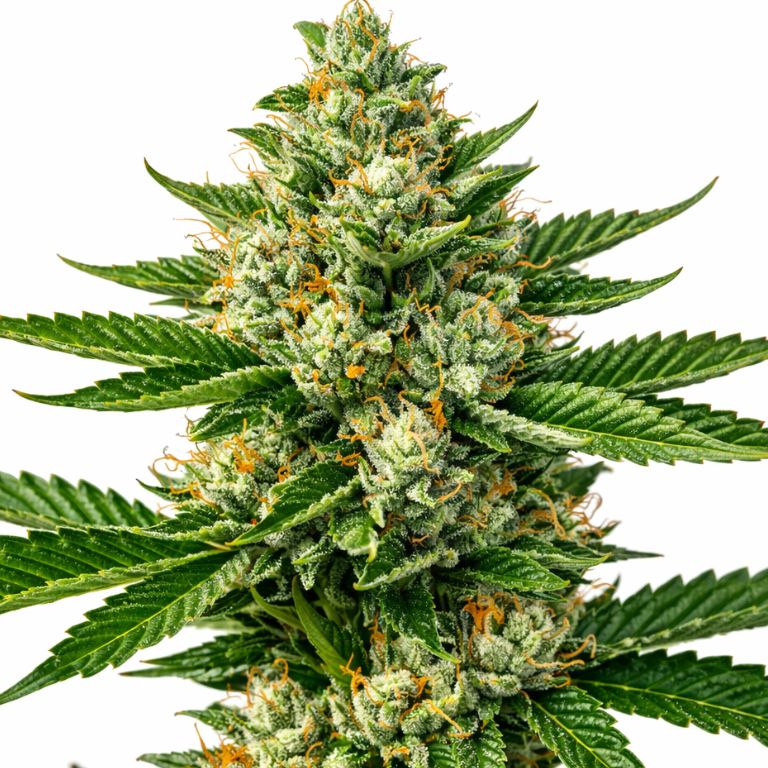
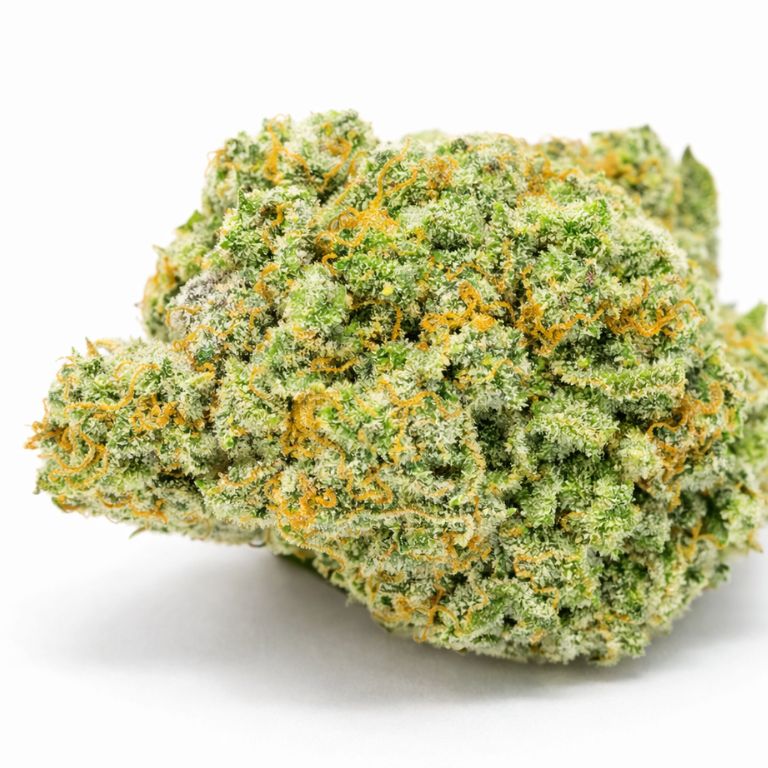
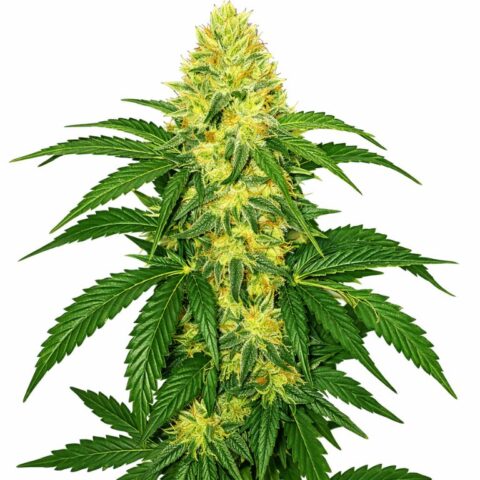
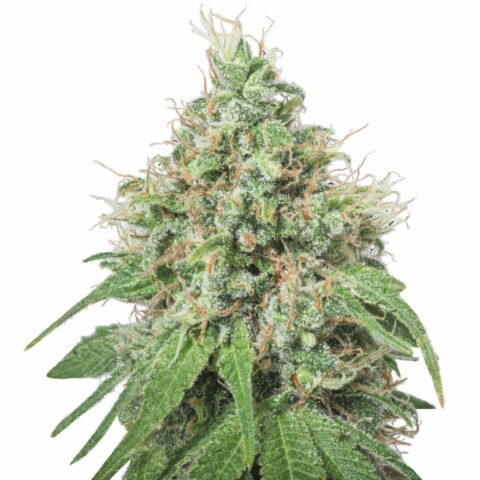
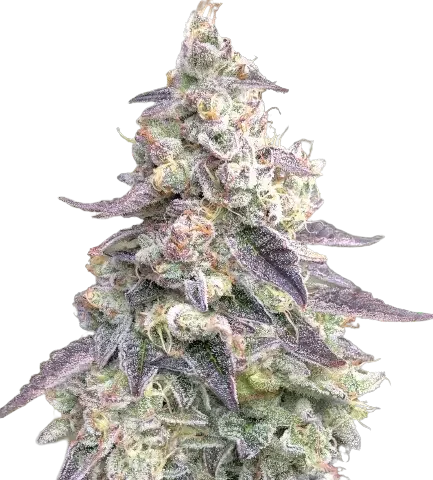
Bud structure often leans slightly sativa in shape while still finishing compact under strong light and steady airflow. Many phenotypes show medium-green flowers with bright pistils and a frosty sheen, reflecting dense trichome coverage at maturity. After curing, well-grown cannabis can look textured and sparkly, with defined calyxes and sticky surfaces that suggest careful environmental control during the final weeks. For marijuana enthusiasts, that visual “frost” is often the first clue that the weed was harvested at the right time and handled gently through dry and cure.
Plant Height
Final height depends on container size, vegetative time, and light intensity, but plants often show moderate-to-strong upward growth during early bloom. Indoors, many gardens land around 100–140 cm with training, while outdoor weed plants can reach roughly 160–220 cm when given a long vegetative season and ample root space. Planning for stretch management—using netting, stakes, and early training—helps preserve airflow and light penetration across the canopy. These habits are useful for growers balancing discreet weed plants with the goal of maximizing canopy efficiency in cannabis and marijuana gardens.
Aroma
The scent profile is commonly described as bright and sharp, centered on a pronounced lemon-pine aroma that grows louder as flowers mature. Many jars also carry incense-like terpenes, adding a warm, lightly spicy edge that deepens after a proper cure. Because weed odor can be intense, indoor growers often use carbon filtration and negative pressure, while outdoor marijuana gardeners may choose downwind placement to reduce attention. Drying slowly at moderate humidity helps cannabis terpene notes stay crisp instead of flattening into generic sweetness.
Flavor
On the inhale, many users report a clean citrus-and-forest note that echoes the lemon-pine aroma, followed by a lingering herbal finish. In properly cured samples, incense-like terpenes can show up as a soft resinous spice that stays on the palate. Smoothness improves when plants are fed consistently and dried without rushing; those fundamentals reduce harshness and let cannabis character come through. For marijuana connoisseurs, the best weed examples taste vibrant without feeling artificially perfumed, and the aftertaste tends to stay bright rather than heavy.
In Conclusion
For gardeners who want an upbeat profile with classic Jack character, Super Jack cannabis seeds offer a modern take on a Jack-style sativa that remains approachable with routine care. Many consumers seek an electrifying head high that fits daytime use, which is why it’s often recommended as a daytime marijuana strain for experienced adults. With patient training, consistent environment control, and a careful dry-and-cure, this variety can produce aromatic cannabis with lively flavor and clean-burning marijuana flowers. As always, results improve when growers match the plant’s vigor with steady fundamentals and treat the final weeks as a quality phase, not a rush to the finish.

Viviana Wilkerson –
These seeds were so fun to grow. The aroma of the buds was amazing and gave a twist to my garden.
Carmelo Doyle –
The shipping was quick, and the packaging was great. Nothing was damaged.
Cameron Coleman –
This is exceptional for so many afflictions! Depression, Stress, & Chronic Pain.
Amelia Hart –
This is a great daytime hybrid & I know it helps me to focus
Maria Carr –
This medication is a real keeper !
Bernadette Young –
One of the first commercial strains I ever tried.
Julian Jones –
No matter what you’re doing, you’ll have fun with this one.
Colton Benjamin –
I was thoroughly surprised and happy with the result when o tried this after work.
Priscilla Herring –
Completely made me forgot my chronic pain and I was full of energy
Amelia Medina –
Helps a lot with my anxiety without making me feel slow or sleepy like most strains for anxiety
Hana Benton –
It’s a really nice
Samara Charles –
Balanced high between head & body.
Dalton Fitzgerald –
Very happy
Marques Orr –
This is a great all over strain.
Bella Avila –
Great strain! One of my favorites.
Dallas Davila –
Smells great
Miley Lucero –
Lasts about 3 hours.
Joshua stewart –
Definitely the strain was staying inside and not leaving the couch! Heavy high
Tyler Mangrum –
Immediate heavy feeling
Callie Hosier –
Very relaxing whole body high
Travis Brooks –
Great daytime usage
warren mckinnon –
Provided a good use of energy with focus and was able to clean up a bit without feeling a high level of pain.
Barbara Watts –
Good medicine
luis soares –
A memorable high that lingers
Scott Newby –
Blissful flavor & head experience
Andrew Wilson –
Wonderful strain for mid-day.
Ala Cain –
Grreeeeaaat strain.